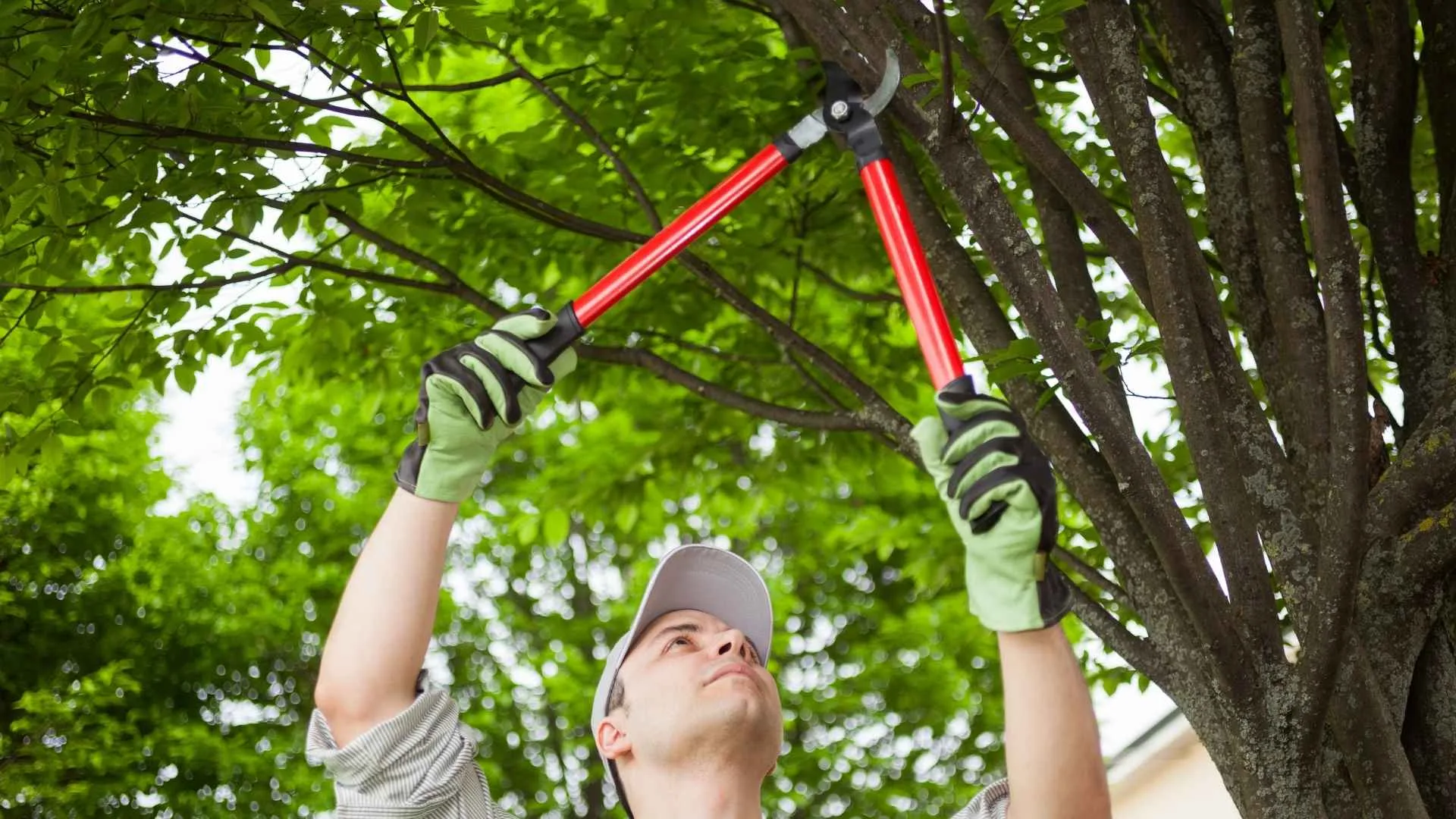
Maintaining the health and beauty of your landscape requires more than basic care, such as watering and fertilizing. Regular tree trimming is an essential component that supports long-lasting, picturesque outdoor spaces. By enlisting experts such as Design Tree Maintenance, homeowners can ensure their trees thrive and remain safe throughout the seasons. Tree trimming removes unwanted branches, prevents hazards, and nurtures overall plant health, making it indispensable for anyone looking to preserve their property’s natural charm.
Consistent pruning not only keeps your landscape attractive but also plays a crucial part in preventing accidents and extending the lifespan of trees. The careful removal of dead, diseased, or overcrowded branches ensures trees stay vigorous, visually pleasing, and less likely to suffer from preventable issues. Emphasizing routine care pays off in safer outdoor environments, healthier greenery, and increased property value for years to come.
Promotes Tree Health
Tree health is fundamentally influenced by regular trimming. By removing dead, diseased, or damaged branches, you help the tree direct nutrients and water to the strongest, healthiest parts. This selective pruning approach halts the spread of disease and insect infestations before they can compromise the entire tree. Experts note that properly pruned trees are more resistant to environmental stressors and tend to live longer, with improved overall form and vigor. Structured, annual maintenance also helps to keep trees manageable as they mature, lowering the risk of unexpected breakage and future removals. According to the Arbor Day Foundation, thoughtful pruning can rejuvenate trees and shrubs that might otherwise decline.
Enhances Safety
Neglected trees can quickly become safety hazards, especially when laden with dying or weak limbs. These branches pose risks during storms, heavy winds, or even when burdened by their own weight. Trimming back overgrown or compromised branches not only prevents personal injuries but also protects homes, vehicles, fences, and utility lines from falling debris. Maintaining a routine trimming schedule helps keep hazardous situations at bay, keeping both people and property secure. The proactive approach of regular pruning can also reduce liability concerns, particularly for property owners with public spaces or high-traffic areas. Information from This Old House underscores the importance of hazard reduction through tree maintenance.
Improves Sunlight and Air Circulation
Thick, dense tree canopies can block sunlight from reaching lawns, gardens, and other undergrowth, often resulting in patchy grass and unhealthy plantings. By thinning the canopy through pruning, more sunlight can permeate to the ground, encouraging a lush, thriving ground layer. Additionally, increased air movement through the branches helps keep leaf surfaces dry, lowering the risk of fungal infections and making the tree less hospitable to certain pests. Strategic canopy thinning and crown-raising not only promote healthier lawns but also make garden spaces brighter, more enjoyable, and more usable throughout the day.
Boosts Property Value and Curb Appeal
Well-maintained trees are a visible marker of a cared-for property. Pruning that achieves a symmetrical, uncluttered shape elevates the entire landscape, greatly improving the first impression for guests or prospective buyers. Especially for mature trees with wide canopies, regular trimming keeps their form consistent and attractive year after year. Research indicates that properties with established, healthy trees can see value increases of up to 10 percent compared to those with neglected landscapes. The impact on curb appeal can make all the difference in highly competitive real estate markets or neighborhoods with strict homeowner association requirements.
Encourages Fruit and Flower Production
For those with fruit or flowering trees, regular pruning is the key to bountiful, healthy yields. Removing non-productive branches and encouraging development in the right areas stimulates more abundant bud growth, leading to increased blossoms and fruit each season. Pruned trees are able to dedicate more resources to flower and fruit development, resulting in both higher quality and quantity. By managing shape and shoot growth, homeowners can maximize the ornamental and edible potential of their landscape’s most valuable specimens.
Prevents Pest Infestations
Decayed or damaged wood is highly attractive to insects and other pests. Regular trimming removes these problem areas, greatly reducing the risk of infestations taking hold. Trees infested with pests often become breeding grounds for insects that may spread to healthy plants and cause widespread damage. Keeping trees trimmed and free of decaying material is one of the best ways to minimize pest problems across your entire landscape.
Facilitates Early Detection of Issues
Integrating tree trimming into your routine yard chores provides an ideal time to inspect for problems such as disease, infestations, or structural weaknesses. Detecting these issues early makes it easier and less expensive to treat them, preventing more extensive damage down the line. Close, regular examinations also allow tree care professionals or homeowners to develop tailored treatment and maintenance plans for each individual tree.
Conclusion
Routine tree trimming is an invaluable investment in your property’s health, safety, and appearance. By combining preventive care with aesthetic attention, your landscape becomes a robust, beautiful environment that offers enjoyment and safety year-round. Making professional trimming a standard part of your maintenance regimen not only preserves your natural resources but also enhances your home’s long-term value and appeal.