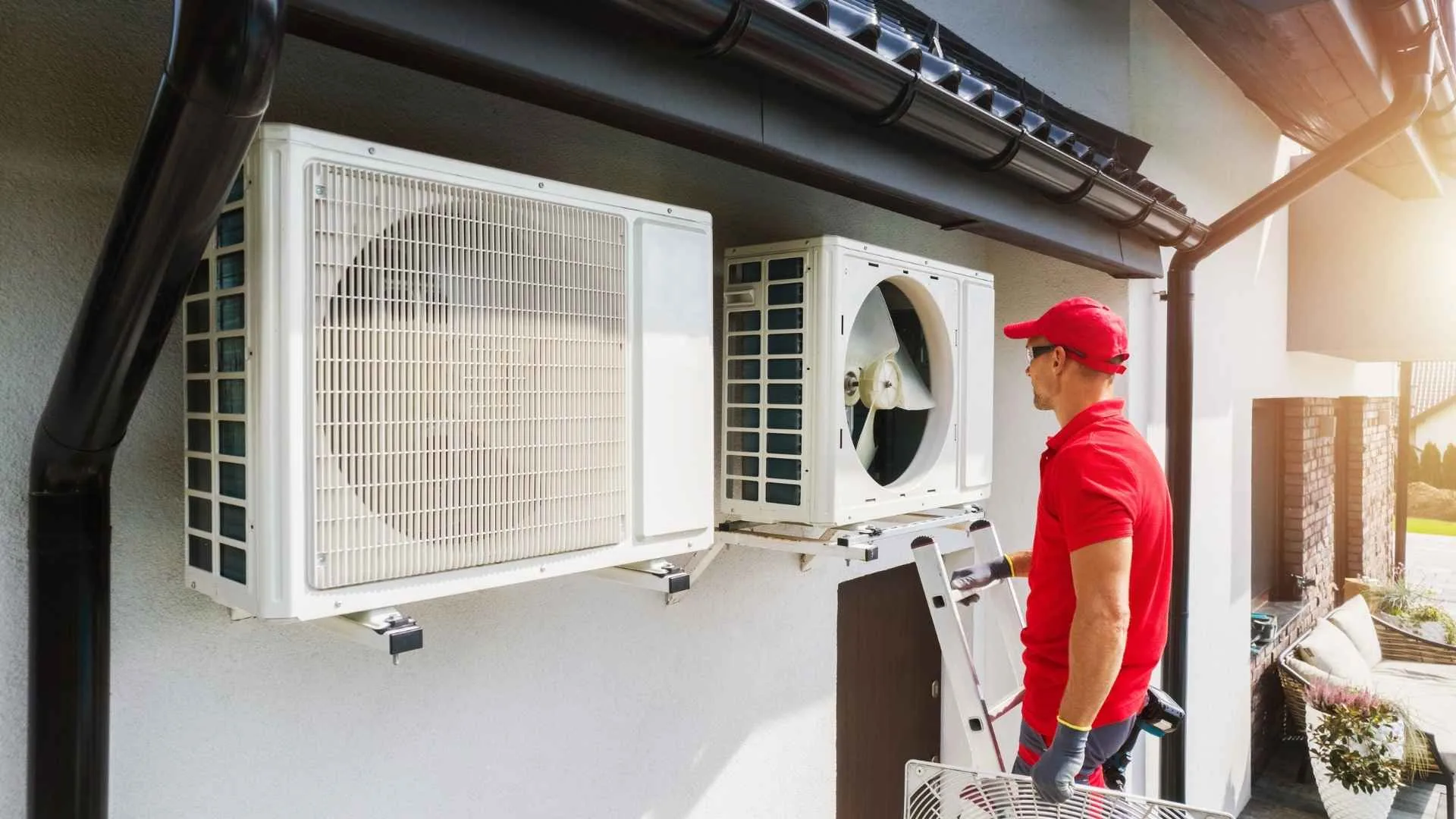
Air conditioners and refrigeration cool our homes, our food and our workplace environments. But they come at an environmental cost: excessive energy consumption and negative emissions.
Learn how cooling affects the environment and how you can use cooling technology responsibly.
Energy Use & Carbon Emissions
Cooling technology such as climate control devices like air conditioners is one of the largest energy consumers in buildings today. Both account for a significant portion of electricity usage during the summer months when temperatures start to rise. A lot of this electricity is generated at fossil fuel-burning power plants.
When fossil fuels are burned at these plants, they release carbon into the atmosphere which traps heat and contributes to global warming. The more cooling units you have working, the higher your carbon footprint becomes — especially if you live in an area with a hotter climate.
Coolant Emissions & Ozone Layer Depletion
Early air conditioners and refrigeration units used refrigerants called chlorofluorocarbons, or CFCs, and hydrochlorofluorocarbons, or HCFCs. When these chemicals were released into the atmosphere, they caused serious damage to the Earth’s ozone layer.
The ozone layer sits in the Earth’s upper atmosphere, helping to shield us from the sun’s ultraviolet rays. By the late 20th century, most countries had phased out CFCs and HCFCs. Today, most cooling units use hydrofluorocarbons, or HFCs. These don’t harm the ozone layer directly, but they can still contribute to global warming.
Enter Global Warming Potential
To measure the effects of different refrigerants on the environment, scientists developed a scale they called Global Warming Potential, or GWP. The GWP of a particular refrigerant shows how many times more heat that substance traps in the atmosphere than carbon dioxide does.
Many popular refrigerants have a very high GWP. For example, one common coolant has a GWP over 3,000. When these substances are emitted from cooling units, they don’t get broken down by heat as carbon dioxide does. They go straight into the atmosphere.
Heat Islands
Another problem with using cooling technology is that it doesn’t just consume energy – it expels it. When cooled air is ejected outdoors, it releases heat into the surrounding environment. The more air conditioning units you have in a small space, the greater your area’s heat conductivity becomes. This is especially true in urban settings.
All air conditioning units absorb heat from inside a building and expel it outside. Millions of units across a large city expelling heat outside at the same time can heat up the outdoor temperature significantly. This creates what’s known as a heat island, where demand for cooling becomes greater because outdoor temperatures are higher.
Increased Water Consumption
Many cooling units used for industrial or commercial purposes contain water elements. These water elements help absorb heat, essentially acting as refrigerants themselves. Power plants and large office buildings often use cooling towers to store water in order to absorb heat from the air.
Cooling towers that run on water can use millions of gallons per day. In drought-stricken areas, there can be added pressure placed on freshwater supplies by water-based cooling sources. Newer cooling technologies use air to cool rather than water. Air-based technologies don’t use water but are typically less effective.
Manufacturing and Disposal
The environmental toll that cooling units take on our planet begins even before you plug them in. The creation of air conditioners and refrigerators requires energy and materials, both of which create their own carbon footprints.
After a cooling unit has reached the end of its life, properly disposing of it can be difficult. Recycling helps, but not all areas have the capacity to recycle old units. And just like when they are functioning, cooling units that are thrown in a landfill can leak their refrigerants into the ground.
Increased Efficiency
As concerns about carbon emissions have grown, manufacturers have begun producing newer, more energy-efficient models of cooling units. Not only do these systems save you money on your monthly power bill, but they reduce your carbon footprint as well.
Look for cooling units with a high Seasonal Energy Efficiency Ratio, better known as SEER. Many newer models use smart thermostats or other sensors to detect how much cooling you actually need. By cooling less when it isn’t needed, these units help reduce your energy consumption.
Renewable Cooling Technology
Did you know that you can actually run your air conditioner without emitting carbon into the atmosphere? By powering your cooling system with solar panels or other renewable energy sources, your air conditioner can cool your home without the negative effects.
Wind power and geothermal energy can also be used to power refrigeration and air conditioning systems with little impact on the environment. As renewable energy becomes more commonplace, more cooling systems will be powered by clean energy sources.
International Agreements
Concerns about cooling unit emissions have been on the international stage for decades. The Montreal Protocol was an international agreement that eliminated most ozone-depleting refrigerants by the end of the 20th century.
More recent agreements have aimed to decrease refrigerants with high GWPs as well. Many countries have passed laws that require newly manufactured cooling units to meet high-efficiency standards. In the coming years, these regulations will help decrease the average cooling unit’s impact on the environment.
What You Can Do to Help
There are many things you can do to decrease your cooling system’s impact on the environment. Start with small steps like purchasing an energy-efficient unit when you’re in the market for a new air conditioner or refrigerator.
Keep your unit well maintained and watch for refrigerant leaks. The better your cooling system is running, the less energy it will use and the fewer emissions it will produce. Seal cracks and openings to minimize how hard your system has to work, too.
You can also:
- Use refrigerants with lower GWPs when you replace units
- Donate your old cooling system to a recycling program
- Use fans in conjunction with air conditioning
- Change your thermostat to a higher temperature during peak cooling hours
- Invest in your own renewable energy source
The Future of Cooling
As global temperatures continue to rise, demand for cooling systems won’t be going down. It’s more important than ever that we learn how to better cool our homes and workplaces without negatively impacting the environment.
Many businesses large and small are investing in the research and development of more environmentally-friendly cooling methods. Some are investigating refrigerants with low to no GWP, while others are studying completely new methods of cooling.
It will take large manufacturers and consumers alike to move the needle. But by using environmentally-conscious practices and buying energy-efficient technology, we can make a difference. Cooling is essential for many of us across the globe. That doesn’t mean we can’t work to reduce its impact on the world around us.
Case Study: How the Kigali Amendment is Reducing the Environmental Impact of Cooling
We can’t highlight the environmental impact of cooling without first mentioning the Kigali Amendment. Adopted by nearly every country in the world, the Kigali Amendment is arguably the single biggest international effort to reduce climate change associated with cooling technology.
While the original Montreal Protocol targeted refrigerants that damaged the ozone layer, the Kigali Amendment aims to gradually eliminate hydrofluorocarbons (HFCs)—powerful greenhouse gases commonly used in refrigerators and air conditioners.
Phasing down HFCs is expected to avoid up to 0.5° C of global warming by the end of the century, according to the United Nations Environment Programme (UNEP). This treaty has accelerated the introduction of more energy-efficient air conditioners and refrigerators that use refrigerants with much lower GWPs. Several countries have also passed mandatory minimum energy performance standards for new cooling equipment.
You might think that reducing the environmental impact of cooling is simply a matter of consuming less energy by turning your air conditioner off. But it’s also about choosing cooling equipment with refrigerants that have lower environmental impacts, running cooling systems more efficiently and recycling old equipment when you replace it.
The example set by the Kigali Amendment shows us just how powerful policy changes can be when countries work together to tackle climate change.
Frequently Asked Questions About Cooling and the Environment
Why do cooling systems have an environmental impact?
Cooling systems have an environmental impact because they use electricity to cool buildings. Most electricity is generated by burning fossil fuels that produce greenhouse gas emissions. Some cooling systems also contain refrigerants that can harm the environment if they leak into the atmosphere.
Do air conditioners still harm the ozone layer?
Modern air conditioners are unlikely to harm the ozone layer. Chlorofluorocarbons (CFCs) and hydrochlorofluorocarbons (HCFCs) are ozone-depleting refrigerants that were phased out under the Montreal Protocol.
Does that mean air conditioners don’t affect climate change?
While modern air conditioners don’t contain CFCs or HCFCs they often contain refrigerants with high Global Warming Potentials. That’s why greener alternatives are being introduced.
What’s Global Warming Potential?
Global Warming Potential (GWP) measures how much heat a greenhouse gas traps in the atmosphere. It compares the amount of heat trapped by a particular gas to the amount of heat trapped by carbon dioxide. The higher the GWP, the more that greenhouse gas contributes to climate change.
Are energy-efficient air conditioners better for the environment?
Yes, energy-efficient air conditioners use less electricity and help you save money on utility bills. Not only will you be reducing carbon emissions by using less electricity, but properly sized energy-efficient equipment will run less frequently to provide the same level of comfort.
What’s the Montreal Protocol?
The Montreal Protocol is an international treaty designed to protect the ozone layer by phasing out the production of numerous substances believed to be responsible for ozone depletion. Adopted in 1987, the Montreal Protocol has been remarkably successful at reducing ozone-depleting refrigerants.
What is the Kigali Amendment?
The Kigali Amendment to the Montreal Protocol is an agreement between countries to reduce the global production and consumption of hydrofluorocarbons (HFCs). Together, countries plan to phase down HFCs, which encourages refrigerants with lower GWPs.
Are refrigerant leaks bad for the environment?
Yes. Not only will your air conditioner run less efficiently if you have a leak, but those refrigerants could be released into the atmosphere and contribute to greenhouse gas emissions. You can avoid refrigerant leaks by regularly servicing your cooling equipment.
Can solar power and air conditioning reduce greenhouse gas emissions?
Yes. Solar panels can be used to provide clean, renewable energy to your air conditioner or refrigeration system. Using solar energy can help you reduce your carbon footprint and save money on your energy bills.
What is the urban heat island effect?
An urban heat island (UHI) occurs when urban areas are hotter than suburban and rural areas. Cities are filled with buildings, roads and other infrastructure that absorb and radiate heat. This causes increased outdoor temperatures, putting more strain on air conditioners.
Does cooling maintenance help the environment?
Maintenance will keep your cooling system running efficiently, helping you consume less electricity and last longer. From replacing air filters to checking refrigerant levels, there are plenty of maintenance tasks that can improve your cooling equipment’s energy efficiency.
How should I dispose of old air conditioning units?
Cooling equipment should never be dumped in landfill sites unless the refrigerant has been recovered by a professional technician. Make sure old equipment is recycled at the end of its life cycle to prevent refrigerants from leaking into the atmosphere.
How can homeowners reduce the environmental impact of cooling?
Along with reducing your energy consumption by programming your thermostat, there are plenty of other ways homeowners can reduce their impact when cooling their home. For example, you can:
- Choose high-efficiency cooling equipment.
- Install a programmable thermostat or smart thermostat.
- Insulate your home and seal any air leaks.
- Reduce cooling demand with ceiling fans.
- Have your HVAC equipment professionally maintained.
- Recycle old air conditioners and refrigerators.
- Install solar panels or go solar.
How will cooling demand change in the future?
Cooling demand is expected to continue rising throughout the rest of the century. As global temperatures climb, the world’s population continues to grow, and hot days become more common in traditionally mild climates, billions more will feel the need to use air conditioning.