
As a landlord, you know that an odor-free home makes a huge difference in the comfort of your renter. However, most landlords are victims of “Nose Blindness.” Nose Blindness is when we lose our ability to smell odors we have become used to.
The fact is, these unseen odors will continue to push quality renters away and devalue your rental property. Below are some ways you can identify unknown odors and eliminate them so you protect your asset, make your renters happy, and keep your home smelling fresh all year.
How Do Unnoticed Smells Affect Tenant Comfort?
Unseen odors in apartments are far more damaging to tenant satisfaction than initially thought. As tenants continue to be exposed to odor-causing smells day in and day out, they experience:
- Mild physical reactions, including headaches and/or sinus pressure, make them anxious about being around others.
- They feel embarrassed by what is going on at their home and therefore do not have the courage to invite anyone over; ultimately changing how they perceive their home.
- The constant concern about the quality of your upkeep causes them to hesitate before reporting a problem when one actually occurs.
Ultimately, all of the above eventually lead to vacancies. Once prospective tenants see a review referencing “odors,” they will move on and rent another unit. In turn, this leads to higher turnover costs, vacancy periods increase (for a much longer period), and subsequently decrease the amount of money you can charge for your units at market rates.
Common Sources of Hidden Apartment Odors
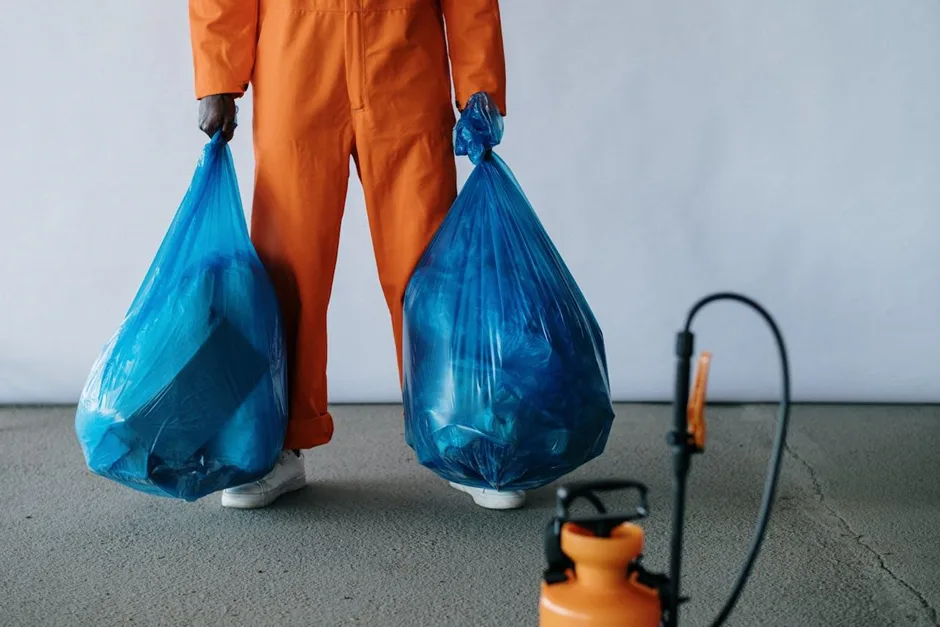
Most hidden odors come from areas that are not regularly inspected. Therefore, before you hide the odor with a masking agent (e.g., perfume), you must discover its location. The following are among the most common culprits:
HVAC Systems & Air Vents
Your ducts act as a type of lung for your rental by circulating both fresh and foul-smelling odors throughout. Dust that has built up in ducts over time, mold on cooling coil surfaces, and dead animals within ducts all contribute to sending musty or stale odors into each area of your rental.
Changing filters is easy, but it won’t stop these odors from occurring. Schedule a professional duct cleaning service to clean your rental’s ductwork during turnover. This action will help eliminate odor issues at their root.
Plumbing Issues
Odors in plumbing systems are often due to two causes: Dry P-traps or leaks. With a dry P-trap, sewer gas will rise directly into each room in the house. Odors caused by biofilm growth within drainpipes also occur when the same type of gases are released.
Check for mold growing behind the sink area, check the drywall areas underneath sinks regularly using a flashlight, and pour water into drains that are rarely used once per month to keep the drainlines from drying up.
Carpets
Years of pet accidents, spills, and humidity are absorbed by carpets. The appearance that there is nothing wrong with your carpet may actually indicate that bacteria are growing in the padding. When you walk into the room, all of these particles that were stuck to the carpet start to rise into the air, releasing an unpleasant odor.
Hardwood floors are also vulnerable; urine can seep down through small cracks or crevices in the flooring and soak the subflooring, which requires a lot more than just mopping the surface to fix it.
Walls & Ceilings
Drywall and ceiling tile surfaces will take up cooking grease, cigarette smoke, and water. Anytime you notice what you call “the old house smell,” it’s most likely due to nicotine residue coming out of the walls, specifically the paint, when the humidity increases.
If you just paint over this area again, all you’re doing is trapping the odor for a little while longer. To get rid of the odor for good, you need to put a shellac-based primer on the wall first so that you can seal in those nasty-smelling molecules.
Effective Odor Neutralization Techniques
Once you have identified where the smell is coming from, you can develop a plan to remove (not mask) odors caused by the molecule responsible for the smell.
Bay Property Management Group Washington DC understands that a clean-smelling home is essential for both tenant satisfaction and long-term property value. Here are some tenant-friendly methods to keep your rental property fresh, clean, and free of unhealthy odors.
Deep Clean With Enzyme Cleaners
To remove bio-organic causes of odours such as urine, food, and mold, apply enzyme-based cleaning products to the affected surfaces (carpets, grout, etc.) and allow them to sit on those surfaces for the recommended amount of time. The enzymes will break down protein and bacterial debris that typical surface cleaners fail to address.
Deploy Natural Adsorbents
One of the most eco-friendly ways regarding how to deodorize an apartment is to utilize activated charcoal bags, without adding artificial fragrances to the air. You can also use baking soda. Both of these items absorb odorous molecules instead of hiding them.
A great example of utilizing activated charcoal to remove odors from an apartment would be using the activated charcoal bags. Since activated charcoal has no scent, you will not add fragrances to the air. Replace monthly as needed in the affected area.
Use Ozone Generators Cautiously
Ozone machines attack stubborn smokes and pet odors at the molecular level, in the fibers, and even in your ducts, that other systems cannot. However, ozone is a respiratory irritant, and all treatment should take place while the unit is empty of people, pets, and plant life. It’s also important to ventilate well before returning occupants to a treated space.
Seal Porous Surfaces Before Repainting
A new layer of latex paint on surfaces exposed to smoke or grease for an extended time will only seal in the smells. Use a shellac-based primer designed to seal in odor molecules before painting. Only then can you feel confident that when it gets wet again, the smell will not come back through.
Maximize Airflow and Control Humidity
Stale, moist air increases the intensity of all odors. Exhaust fans should be on while showering (and for some time afterward) in bathrooms. In damp or wet areas, such as basements with high humidity, use dehumidifiers. Cross ventilation is very effective; opening doors/windows at either end of your building will provide excellent ventilation and flush out stale air quickly.
Conclusion
Odor problems that are out of sight but not out of smell can harm a rental’s reputation. But you have the power to remove them completely.
Proactive inspection for odor-causing conditions, such as mold/ mildew in all HVAC systems, water damage in all pipes, and porous surfaces (such as walls and ceilings), along with the use of an enzyme-based cleaning product, activated charcoal odor eliminators, and proper sealing methods, will eliminate the cause of the odor.