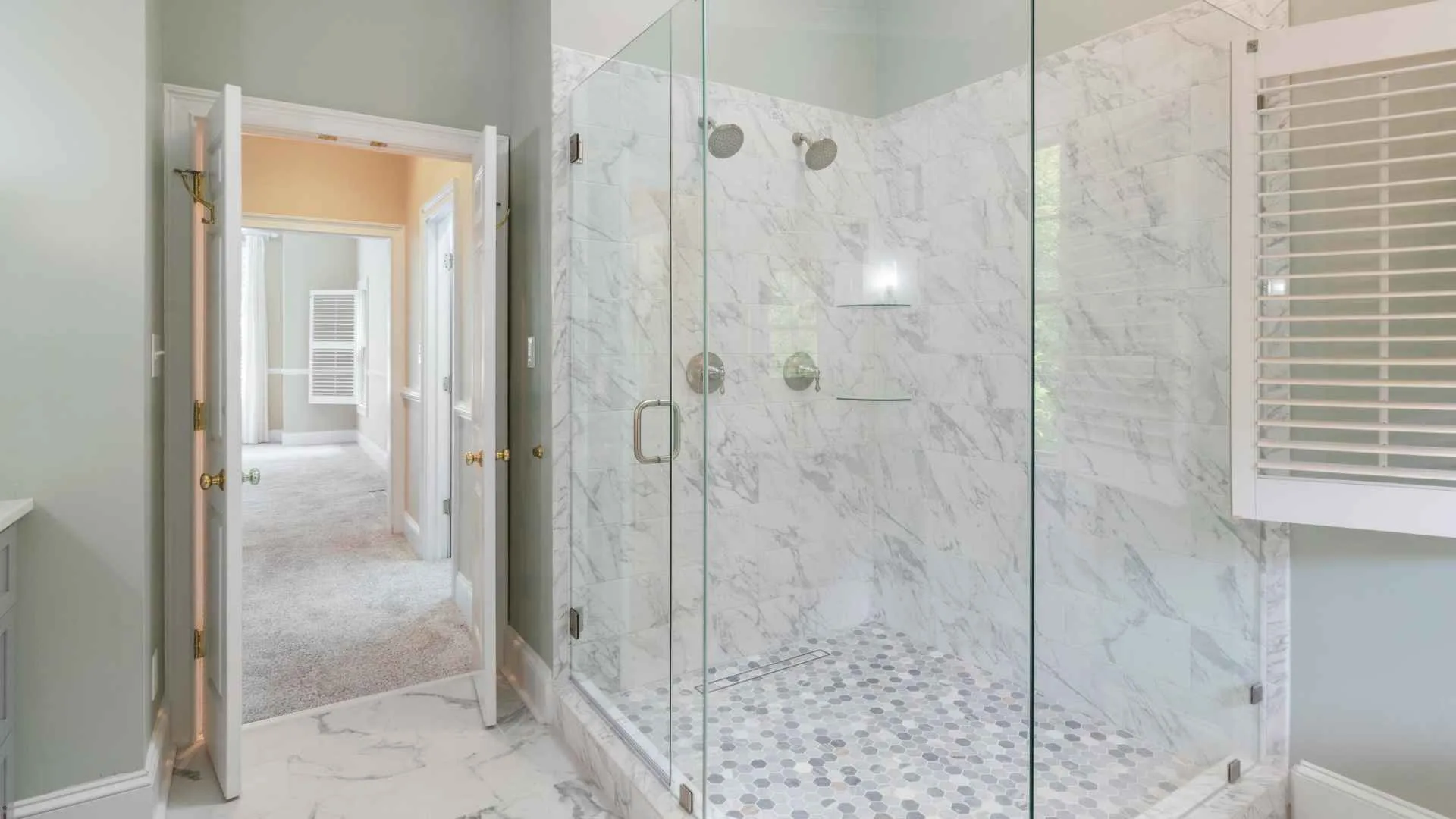
Modern bathrooms continue to move toward cleaner lines, brighter interiors, and minimalist design. One feature that has become increasingly popular in American homes is the frameless pivot shower door because it combines functionality with a sleek architectural appearance. Unlike traditional framed enclosures, this style eliminates bulky metal framing while providing a wide, comfortable opening that suits many bathroom layouts.
Whether you’re renovating a master bathroom, updating a guest bath, or planning a new construction project, understanding how pivot shower doors work can help you make an informed decision. Beyond aesthetics, factors like glass thickness, hardware quality, installation requirements, water containment, and long-term maintenance all influence performance and value.
This article explores everything homeowners should know before choosing this type of shower enclosure, from design considerations to installation best practices.
What Is a Frameless Pivot Shower Door?
A pivot shower door is a swinging glass door that rotates on pivot hinges installed at the top and bottom of the glass panel rather than relying on side-mounted hinges attached to a full frame. Because the door rotates around a pivot point instead of a traditional hinge line, it often opens more smoothly and distributes the door’s weight efficiently.
The “frameless” design refers to the absence of heavy surrounding aluminum framing. Instead, thick tempered glass supports itself with precision-engineered hardware, creating an open, luxurious appearance.
The result is a shower enclosure that allows natural light to flow through the bathroom while making smaller spaces feel larger.
How Pivot Doors Differ from Hinged Shower Doors
Although the two styles appear similar at first glance, they function differently. Traditional hinged doors attach directly to the wall using side hinges and swing in one direction. Pivot doors rotate around specially positioned pivot hardware that may allow movement inward, outward, or both, depending on the design. Some notable differences include:
- Pivot doors often provide a wider entrance.
- Weight is distributed more evenly through the pivot mechanism.
- They can accommodate larger glass panels.
- Certain models offer bi-directional opening.
- Hardware placement provides greater design flexibility.
For larger shower openings, pivot systems are frequently preferred because they maintain smooth operation despite heavier glass.
Why Homeowners Choose Frameless Designs
Bathroom trends throughout the United States increasingly favor open, spa-inspired spaces rather than visually segmented rooms. Frameless glass contributes to this aesthetic in several ways.
Creates a More Spacious Appearance
Without thick metal framing interrupting sightlines, the bathroom feels brighter and larger. This visual openness is especially valuable in compact bathrooms where every design choice affects perceived space.
Highlights Tile Work
Many homeowners invest significantly in custom tile, natural stone, or decorative shower walls. Frameless glass showcases these finishes instead of covering them with bulky frames.
Timeless Style
Unlike certain bathroom trends that quickly become dated, minimalist glass enclosures have maintained popularity for decades because they complement nearly every interior design style.
Understanding Tempered Safety Glass
Safety is one of the most important considerations when selecting any shower enclosure. Nearly all modern frameless shower systems use tempered glass, which undergoes a specialized heating and rapid cooling process during manufacturing. Compared to standard glass, tempered glass offers several advantages:
- Increased impact resistance
- Improved thermal performance
- Enhanced structural strength
- Safer breakage characteristics
If broken under extreme force, tempered glass fractures into relatively small blunt pieces rather than dangerous sharp shards. Glass thickness commonly ranges between:
- 3/8-inch tempered glass
- 1/2-inch tempered glass
Thicker glass generally provides greater rigidity and a more premium feel but also increases weight, making quality hardware even more important.
Choosing the Right Glass Finish
Clear glass remains the most popular choice because it maximizes light transmission and creates an airy atmosphere. However, homeowners increasingly select decorative finishes that provide varying levels of privacy.
Popular options include:
- Clear glass
- Low-iron ultra-clear glass
- Frosted glass
- Rain glass
- Reeded glass
- Grey tinted glass
- Bronze tinted glass
Each finish changes the overall appearance of the bathroom while affecting maintenance requirements and privacy.
Hardware Matters More Than Many People Realize
A beautiful glass enclosure performs only as well as the hardware supporting it. High-quality pivot hardware is engineered to support significant glass weight while maintaining smooth movement over many years of daily use. Common hardware finishes include:
- Matte black
- Brushed nickel
- Chrome
- Polished nickel
- Brushed brass
- Oil-rubbed bronze
Corrosion-resistant finishes are particularly important in humid bathroom environments where constant exposure to moisture can affect lower-quality components.
Bathroom Layout Considerations
Not every shower opening is ideal for every door style. Before selecting a pivot door, homeowners should carefully evaluate available floor space. Questions worth considering include:
- Will the door interfere with the vanity?
- Does it swing into the toilet area?
- Is there enough clearance for full opening?
- Will nearby cabinetry restrict movement?
- Is the shower curb level?
Proper planning helps avoid costly adjustments during installation.
Measuring for a Proper Fit
Accurate measurements are essential because frameless glass is manufactured to precise dimensions. Professional installers typically measure:
- Opening width
- Overall height
- Wall plumbness
- Curb levelness
- Tile thickness
- Corner squareness
Even small variations can affect installation quality. Because walls are rarely perfectly straight, custom measurements help ensure the finished enclosure aligns correctly and seals effectively.
Installation Challenges
Installing heavy glass panels requires specialized equipment and careful handling. Unlike framed systems that provide more flexibility during assembly, frameless enclosures demand greater precision. Installation typically involves:
- Locating structural support
- Positioning pivot hardware accurately
- Leveling the glass
- Adjusting swing alignment
- Installing water seals
- Final hardware tightening
Improper installation may lead to alignment issues, premature hardware wear, or water leakage.
Water Containment Performance
One common misconception is that frameless shower doors leak more than framed models. In reality, water containment depends largely on design, installation quality, and proper shower usage. Several features help reduce water escape:
- Bottom sweeps
- Clear vinyl seals
- Correct curb slope
- Proper showerhead positioning
- Accurate door alignment
Routine inspection of these components helps maintain effective sealing over time.
Cleaning and Maintenance
One reason homeowners appreciate frameless glass is its relatively simple maintenance routine. Without metal tracks collecting soap residue, cleaning becomes easier. To keep glass looking its best:
- Use a squeegee after showering.
- Clean weekly with a non-abrasive glass cleaner.
- Remove mineral deposits promptly.
- Inspect seals periodically.
- Tighten hardware if recommended by the manufacturer.
Cost Factors to Consider
Several variables influence the overall cost of a frameless shower enclosure. These include:
- Glass thickness
- Custom sizing
- Hardware quality
- Glass finish
- Installation complexity
- Bathroom layout
- Regional labor rates
Although frameless systems generally cost more upfront than framed alternatives, many homeowners view them as a worthwhile investment because of their durability, appearance, and long-term design appeal.
Common Design Trends in the United States
Bathroom design continues evolving toward simplicity and functionality. Several current trends pair exceptionally well with pivot shower doors:
Matte Black Hardware
Bold black finishes create contrast against clear glass while complementing modern fixtures.
Large Format Tile
Oversized porcelain slabs minimize grout lines, allowing frameless glass to showcase uninterrupted surfaces.
Curbless Showers
Barrier-free showers improve accessibility while creating a seamless visual transition.
Natural Stone
Marble, quartzite, and limestone remain popular materials that benefit from unobstructed glass views.
Minimalist Bathrooms
Clean lines, floating vanities, and concealed storage continue driving demand for frameless shower systems.
Is This Shower Door Style Right for Every Bathroom?
While this design suits many homes, it is not automatically the best choice in every situation. Bathrooms with extremely limited swing clearance may benefit more from sliding shower doors. Similarly, households prioritizing the lowest initial installation cost may prefer framed options. However, for homeowners seeking long-lasting aesthetics, open design, and architectural simplicity, the frameless pivot shower door remains one of the most versatile choices available.
Evaluating room dimensions, household needs, accessibility requirements, and maintenance expectations will help determine whether this configuration aligns with your renovation goals.
Final Thoughts
Choosing a shower enclosure involves more than selecting an attractive style. Glass quality, hardware durability, installation precision, maintenance expectations, and bathroom layout all contribute to long-term performance. A thoughtfully designed frameless pivot system offers clean aesthetics, dependable functionality, and excellent versatility across a wide range of bathroom styles. By understanding how these doors operate and what influences their performance, homeowners can make informed decisions that balance design preferences with everyday practicality.