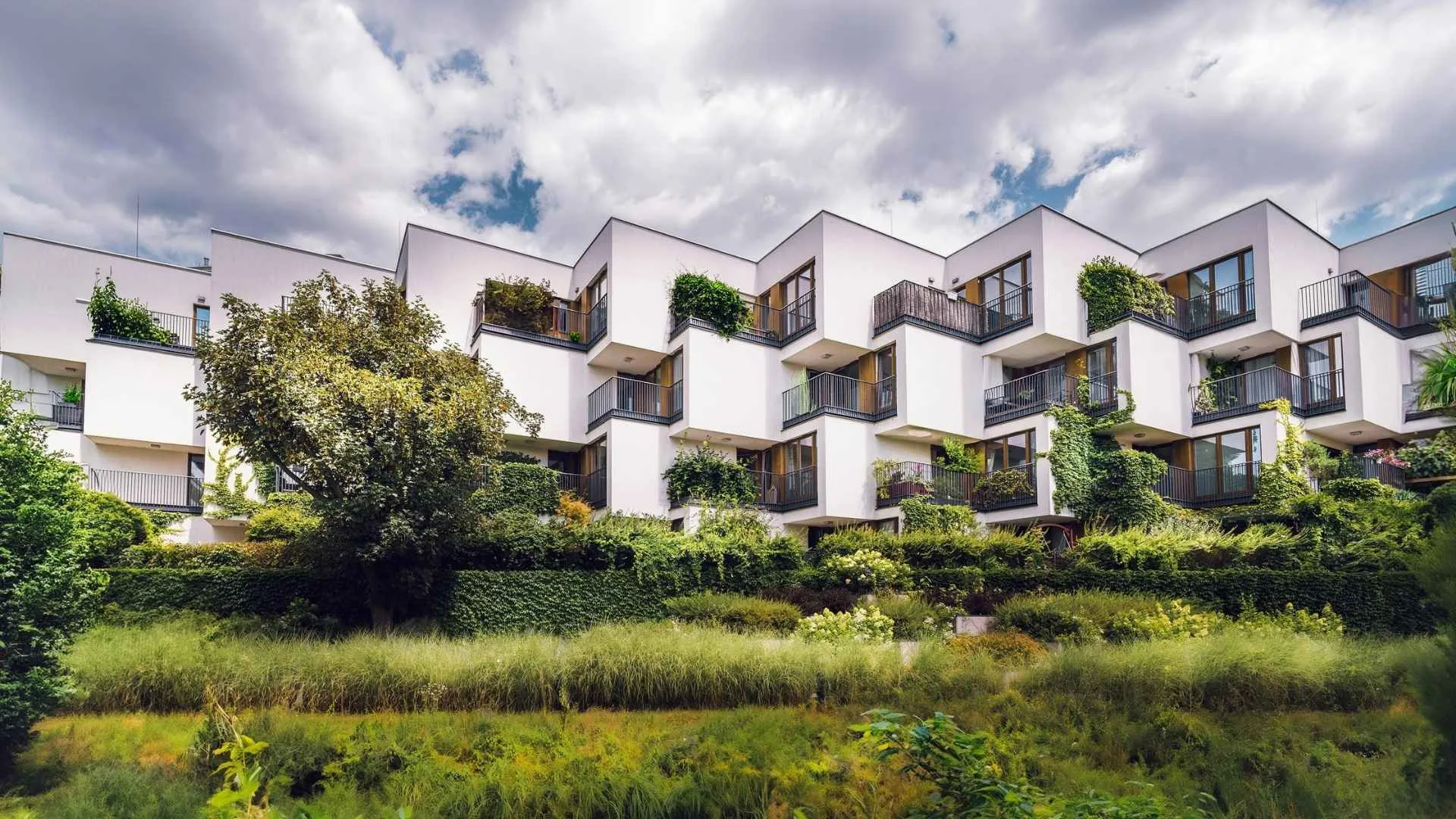
Real estate investing has changed. Buyers and tenants are no longer focused only on location, size, and appearance. Energy efficiency, sustainability, and operating costs now play a major role in property decisions. This shift has made green building certification more important than ever. For investors, understanding how these certifications affect property value can create a major competitive advantage.
Green building certification is a formal way of measuring how environmentally efficient a building is. These certifications evaluate energy use, water efficiency, indoor air quality, building materials, and long-term sustainability. Well-known examples include LEED, ENERGY STAR, and Green Globes. While each program has different standards, the goal is similar: create buildings that perform better while reducing environmental impact.
For investors, the appeal goes beyond sustainability. Green-certified properties often attract higher-quality tenants, lower operating costs, and stronger resale values. Studies have shown that energy-efficient commercial buildings can command higher rental premiums compared to traditional properties. Residential buyers are also increasingly willing to pay more for homes with lower utility costs and healthier indoor environments.
Still, certification requires planning, investment, and strategic decision-making. Not every project needs the same approach. Investors must understand when certification adds measurable value and when simpler efficiency upgrades may be enough. Green investing is no longer just about values. It is about returns.
Understanding What Green Certification Really Means
Many investors hear the phrase “green building” and assume it simply means solar panels or efficient lighting. In reality, certification looks at the full building ecosystem. This includes insulation performance, HVAC efficiency, water conservation systems, construction materials, ventilation quality, and long-term maintenance practices.
For example, a building with advanced HVAC systems, energy-efficient windows, and smart water controls may qualify for higher certification levels because these systems reduce ongoing operational costs. A residential investor renovating a multifamily property may improve insulation, replace outdated plumbing fixtures, and upgrade electrical systems to meet efficiency standards.
Joseph Melara, Chief Operating Officer at Truly Tough Contractors, explains how performance-focused upgrades create long-term value. “When we modernize properties, I focus on efficiency as part of the full system, not isolated improvements. A new roof, better insulation, efficient HVAC, and upgraded electrical work create stronger overall performance. I have seen investors reduce long-term operating costs significantly by taking a coordinated approach. Sustainable upgrades work best when every building component supports the same goal.” His experience across multi-trade modernization highlights how green certification starts with integrated planning.
Certification also increases transparency. Buyers and tenants can trust verified performance claims rather than relying on marketing language. This trust strengthens marketability.
How Green Buildings Improve Investment Performance
Investors care about numbers. Green certification becomes valuable when it improves financial performance. Lower utility bills are the most obvious benefit. Efficient systems reduce energy and water consumption, which directly improves net operating income.
Imagine a multifamily building where energy costs drop by twenty percent after modernization. Over time, those savings increase profitability. If tenants also value lower utility expenses, retention improves. Fewer vacancies mean steadier cash flow.
Edward Piazza, President of Titan Funding, sees financing benefits tied to performance improvements. “Investors who present strong efficiency plans often position themselves more effectively for funding conversations. Lenders look at long-term property performance, not just acquisition cost. I have worked with borrowers whose modernization strategies strengthened both project confidence and financial projections. Efficient assets create stronger investment narratives.” His background in commercial lending reflects how green strategies improve financing attractiveness.
Certified properties may also command premium pricing during resale. Buyers increasingly value predictable operating costs and sustainability features. In competitive markets, green differentiation helps listings stand out.
Commercial investors often see even stronger benefits because corporate tenants increasingly prioritize sustainability commitments. Leasing a certified office or mixed-use property aligns with tenant ESG goals, making these assets more desirable.
The Renovation Decision: Upgrade or Certify?
Not every property needs full certification. Some investors benefit more from strategic upgrades without pursuing formal recognition. The decision depends on market expectations, budget, and exit strategy.
Carl Fanaro, CEO of NOLA Buys Houses, brings a practical investor perspective. “After buying over a thousand properties, I have learned that improvements must match market demand. Some buyers care deeply about energy efficiency, while others focus on affordability and speed. I look at what creates meaningful value in that specific market. Smart investing means balancing upgrades with realistic returns.” His long experience in residential acquisition shows how market awareness shapes decisions.
For example, a luxury multifamily development in a major metro area may benefit significantly from certification because buyers expect premium features. A modest single-family flip in a price-sensitive neighborhood may achieve better returns through selective efficiency upgrades instead.
The smartest investors begin with energy audits and cost-benefit analysis. This identifies which improvements generate the strongest return.
Construction Complexity and Execution Risk
Green certification adds complexity. Documentation, inspections, contractor coordination, and compliance standards require strong execution. Investors who underestimate project management risk can face delays and cost overruns.
Joseph Melara emphasizes disciplined implementation. “The biggest mistake I see is treating sustainability as an afterthought. Green performance requires coordination across trades from the beginning. If roofing, HVAC, electrical, and insulation teams are not aligned, efficiency suffers. I always tell investors that planning prevents expensive corrections later.” His operations background reinforces the importance of integrated workflows.
Material sourcing can also affect timelines. Certain certified materials may have longer lead times or higher upfront costs. Investors should account for these realities during budgeting.
Strong contractor partnerships reduce uncertainty. Teams experienced in modernization and compliance deliver smoother outcomes than fragmented vendor groups.
Tenant Demand and Market Psychology
Real estate value is not driven only by hard costs. Buyer and tenant perception matters. Sustainability has become a trust signal. Efficient buildings suggest lower maintenance, healthier living conditions, and stronger long-term care.
Edward Piazza highlights investor psychology as well. “Confidence drives transactions. When investors or buyers see a well-documented efficiency strategy, uncertainty decreases. That transparency improves deal flow and trust. In lending, confidence often shapes speed and terms.” His insight shows how certification strengthens perception as much as performance.
Residential tenants increasingly value indoor air quality, smart energy controls, and lower utility bills. Younger demographics especially prioritize environmental responsibility. In commercial markets, tenant procurement teams may actively seek greener buildings.
Carl Fanaro notes how emotional decision-making affects buyers. “Even practical buyers respond to comfort and predictability. Lower utility costs feel reassuring. Efficient homes often create stronger first impressions because they signal smart ownership. That confidence can influence purchasing decisions faster than many investors expect.” His experience shows how psychology affects valuation.
Financing, Incentives, and Long-Term Strategy
Green upgrades may require higher upfront investment, but incentives can offset costs. Tax credits, utility rebates, and financing programs often support efficiency improvements. Savvy investors research these options early.
Edward Piazza explains the strategic financing angle. “The most successful investors think beyond acquisition. They model operational savings, financing efficiency, and resale positioning together. When the numbers support the strategy, capital becomes easier to structure. Long-term thinking strengthens execution.” His lending perspective reinforces how planning creates flexibility.
Investors should also think about regulatory trends. Energy standards are tightening in many regions. Buildings that already meet stronger efficiency expectations may avoid future retrofit pressure.
Future-proofing protects asset value. What seems optional today may become expected tomorrow.
Conclusion: Sustainability as an Investment Discipline
Green building certification is no longer a niche consideration. It has become a serious investment strategy. Lower operating costs, stronger tenant appeal, improved financing narratives, and better resale potential all contribute to value.
Joseph Melara demonstrates the importance of integrated modernization. Edward Piazza highlights the financing and confidence advantages of performance-focused planning. Carl Fanaro reminds investors to align strategy with real market demand.
The key lesson is simple. Green investing works best when guided by discipline, not trends. Certification should support measurable business goals rather than symbolic marketing.
For investors willing to plan carefully, sustainability offers more than environmental benefit. It creates resilience, efficiency, and long-term profitability. In a changing real estate market, that combination is becoming increasingly valuable.