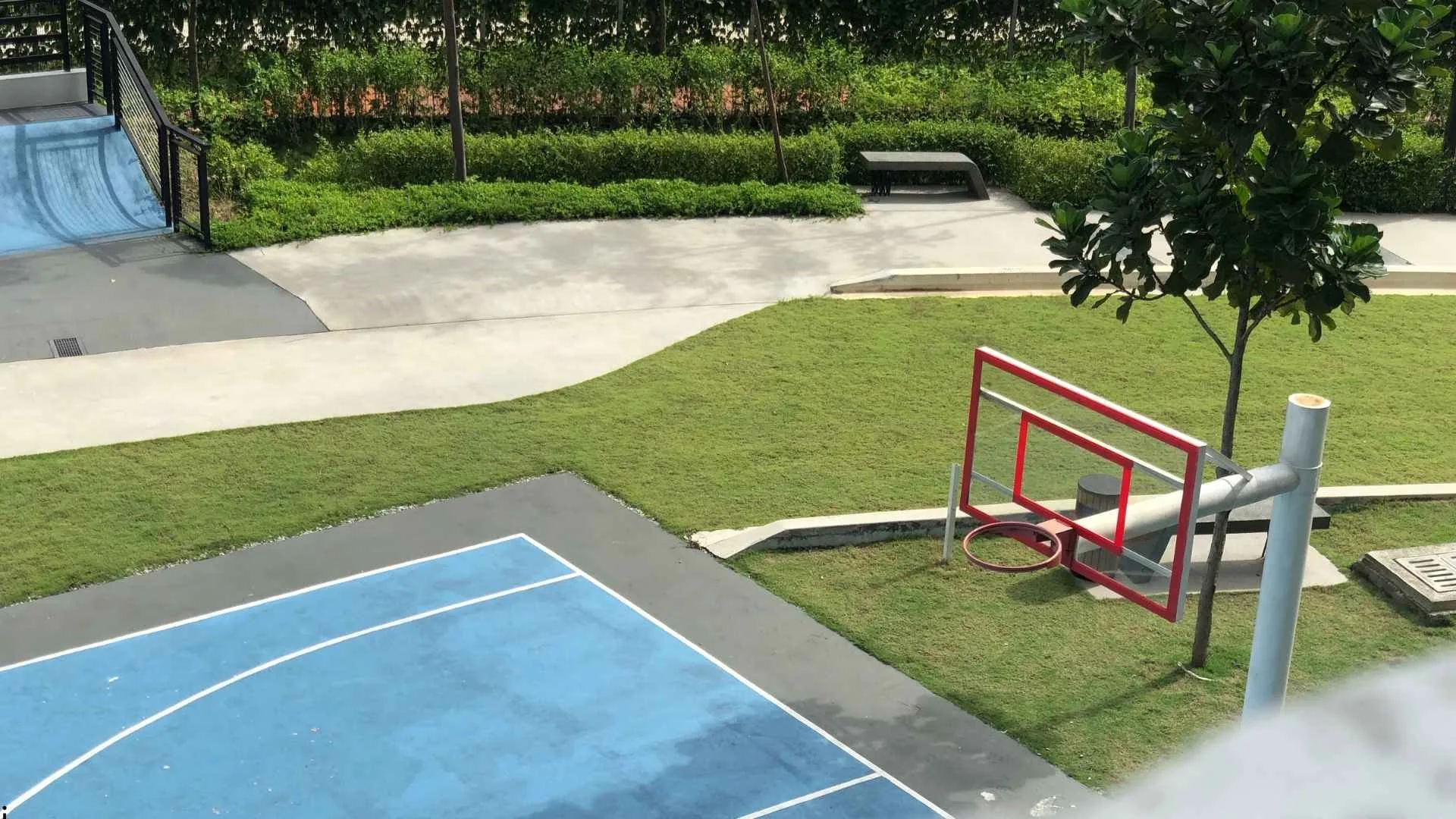
A great home basketball setup is not necessarily the biggest court, the widest backboard, or the most expensive system. It is the one that fits the available space, works for the people who will use it, and remains practical through changing seasons and family routines. Driveway dimensions, player ages, parking needs, weather, and plans to stay in the home all matter before equipment is ordered.
For homeowners considering a permanent option, Dominator offers a lineup of in ground basketball hoops with 54-inch, 60-inch, and 72-inch backboard options, plus adjustable and fixed-height configurations. As a brand focused on outdoor court equipment, Dominator provides useful comparisons around backboard size, overhang, materials, and installation needs. Homeowners should also confirm installer availability and service coverage in their local area before starting a permanent project.
Start With the Space, Not the Equipment
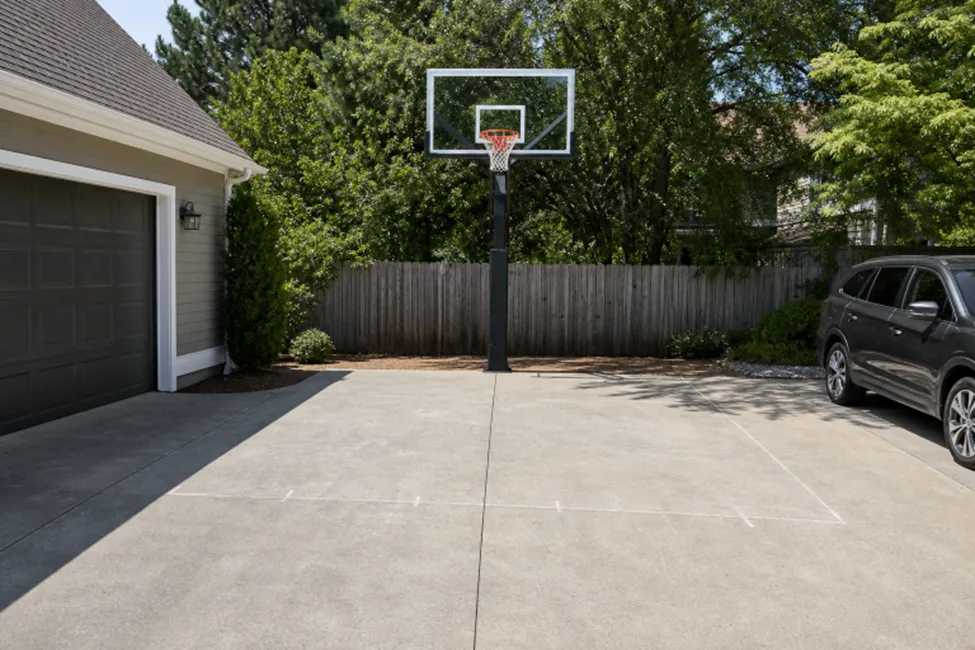
Measure the usable playing area before comparing hoops. Note the width and depth of the driveway, patio, or backyard slab, then mark a possible post location with chalk. Include the backboard width, the overhang behind it, and open space around the rim for players moving toward the basket. Look beyond the pavement itself. Cars, fences, low branches, landscaping, utility boxes, gates, and property lines can limit where a hoop safely fits. A smaller backboard with sensible placement often creates a better playing experience than a larger system squeezed into a narrow driveway.
Quick Measurement Checklist
- Measure the full width and depth of the playable surface.
- Mark the proposed post or base location.
- Allow for the backboard and its overhang.
- Leave clear space behind and beside the basket.
- Check for vehicle paths, doors, fences, trees, and drainage issues.
Match the Backboard to the Playing Area
Backboard size affects the feel of practice. A wider board gives players more room for bank shots and resembles a full-court experience, but it also requires more clearance and support. Smaller backboards can be appropriate for young players, casual shooting, and tighter driveways. Mid-size boards are often a balanced choice for families, while regulation-size backboards are best reserved for larger courts and serious practice.
Do not choose a backboard based solely on width. Review the complete system footprint, especially the overhang from the post to the backboard. The rim should be set back far enough from the post to provide players with a safer approach, without placing the structure too close to a fence or a parked vehicle.
Compare Backboard Materials and Rim Height
Tempered glass provides a crisp rebound and a traditional gym-like response. Acrylic is lighter and often more budget-friendly, while polycarbonate is highly impact-resistant. Aluminum backboards can be lightweight and weather-resistant, particularly in performance-oriented outdoor designs. The best choice depends on how the court will be used, the local climate, the expected level of play, and the overall construction of the system. Adjustable height is especially valuable for households with players of different ages. A lower rim can help younger children develop confidence and shooting form without forcing them to aim at a regulation-height target.
Plan the Surface, Drainage, and Installation
Concrete is common because it offers dependable bounce and a durable base. Asphalt can work well but may need more maintenance over time. Modular sport tiles can improve traction and comfort, but they still require a stable, well-drained surface beneath them. Cracks, steep slopes, loose gravel, standing water, and slick areas can make play less enjoyable and increase risk. For permanent installations, confirm the hoop location, locate underground utilities, prepare the footing, set the anchor or post level, allow concrete to cure according to the manufacturer’s instructions, and inspect every connection before play.
Safety and Seasonal Maintenance
Keep the playing zone clear of cars, glass, sharp landscape edges, and low branches. Check bolts, brackets, the rim, net, backboard, and surrounding pavement regularly. Players should not hang on a rim unless the system is specifically designed and rated for that use. Reinspect the hoop after severe wind, freezing conditions, storms, or accidental impact. A simple seasonal routine can protect the investment. Wipe the backboard clean, remove standing water near the post, inspect for rust or cracks, tighten hardware as directed, and store removable accessories during harsh weather. Hot, wet, snowy, and coastal climates can affect finishes and hardware differently, so keep the manual, installation records, and warranty information together for future reference.
Common Home Basketball Questions
How much space is needed for a home basketball hoop?
Casual shooting needs far less space than a half-court layout. Focus first on clear movement around the basket and a safe area for rebounds.
Is an in-ground hoop better than a portable hoop?
Neither is automatically better. In-ground systems favor stability and long-term use, while portable hoops favor flexibility and easier relocation.
Can a home court be built in stages?
Yes. Start with a safe hoop location and playable surface, then add court lines, lighting, storage, tiles, or training tools as needs and budget evolve.
Final Planning Checklist
- Measure the playing area and clearances.
- Check rules, utilities, and drainage.
- Choose permanent, portable, or wall-mounted equipment.
- Match backboard size and material to the space and players.
- Confirm the rim-height range.
- Plan installation help, safety checks, and maintenance.
The most useful home basketball court is built around real habits. A modest setup that gets used every week can offer more value than an oversized project that creates parking, maintenance, or safety problems. Measure first, choose equipment that suits the household, and leave room for the court to grow over time.
Conclusion
Creating the right home basketball setup starts with thoughtful planning rather than simply choosing the largest or most expensive equipment. A successful court design considers available space, player needs, safety, durability, and long-term enjoyment. By measuring carefully, selecting the right backboard and rim height, preparing a reliable playing surface, and maintaining the system regularly, homeowners can create a space that supports recreation and skill development for years. The ideal basketball setup fits naturally into the property and daily lifestyle while providing a safe and enjoyable place for family and friends to play. With the right balance of design, equipment, and maintenance, a home basketball court can become a valuable addition that encourages activity, connection, and lasting memories.