A comfortable home office requires more than a computer and a chair. The furniture layout, materials, lighting, and storage solutions all influence how a workspace looks and feels. As more people work and study from home, creating an attractive and functional environment has become an important part of residential interior design.
One furniture choice that deserves attention is the L-shaped wooden desk. Its distinctive configuration makes efficient use of corners while providing enough room for different daily activities. When combined with thoughtful decoration, it can become a natural focal point in a modern home.
Why L-Shaped Desks Work Well in Modern Interiors
Space planning is one of the most important aspects of home improvement. Even a large room can feel uncomfortable when furniture is arranged without considering movement and proportions. In smaller homes, every available corner becomes valuable.
An L-shaped desk offers a practical solution because it follows two adjoining walls or creates a defined workspace within an open room. Instead of occupying the center of the floor, it uses an area that might otherwise remain empty.
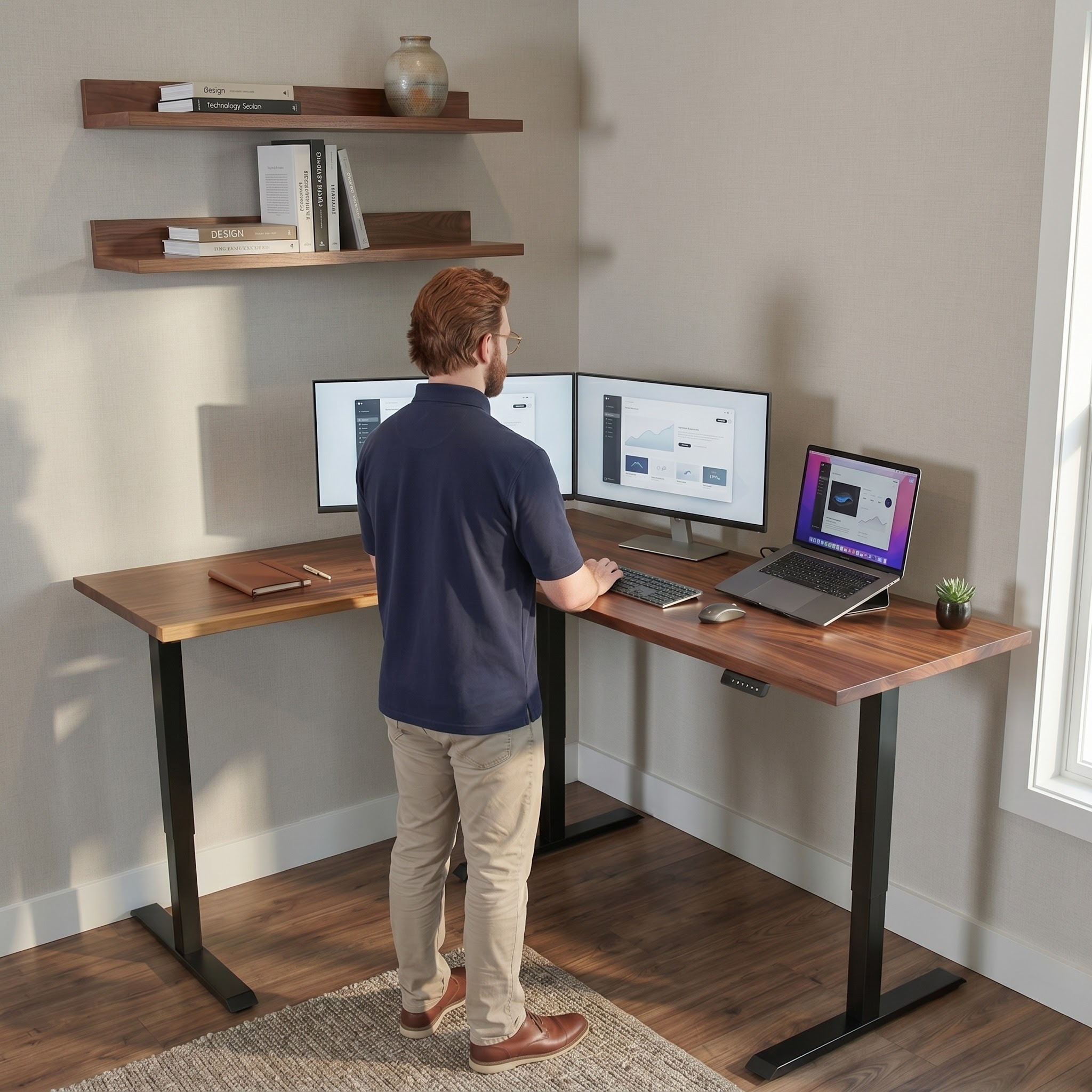
For homeowners planning a workspace renovation, an l shaped wood desk can provide an appealing combination of natural materials and functional design. Its extended surface accommodates computers, notebooks, decorative accessories, and other everyday essentials.
The shape also makes it easier to separate different activities. One side can be reserved for computer work, while the other provides room for writing, reading, or creative projects.
Choosing the Right Wooden Finish
Wood is a versatile material that complements many interior design styles. It introduces natural texture and warmth, helping a home office feel connected to the rest of the living space.
The choice of finish can influence the atmosphere of the entire room. Light oak and similar natural shades work particularly well in Scandinavian and contemporary interiors. They create an airy appearance and pair easily with white walls, neutral fabrics, and simple furniture.
Darker wooden finishes offer a different visual effect. Walnut-inspired tones can add depth and sophistication, especially when combined with cream-colored walls, warm lighting, and metal accents.
When selecting a desk, consider the following details:
- Color: Choose a finish that complements the flooring and existing furniture.
- Texture: Natural-looking grain adds character without requiring elaborate decoration.
- Durability: A properly finished surface should withstand regular everyday use.
- Construction: Stable legs and reliable joints contribute to long-term functionality.
- Maintenance: Consider how easily the surface can be cleaned and protected.
The objective is to select furniture that looks attractive while remaining practical for everyday activities.
Creating a Balanced Workspace Layout
An L-shaped desk can influence the arrangement of the entire room. Its position should allow enough space for a chair, comfortable movement, and access to storage.
Before installation, measure the available area carefully. Remember to account for drawers, cabinet doors, electrical outlets, and the space required to move the chair.
In a dedicated home office, placing the desk in a corner can create a focused working environment. In a living room, positioning it against two walls may help distinguish the work zone from the relaxation area.
Natural light is another important consideration. A desk positioned near a window can make the workspace feel brighter and more inviting. However, direct sunlight should not create uncomfortable reflections on computer screens.
For multifunctional rooms, a carefully selected rug can visually separate the office area from the rest of the interior. Matching the rug with curtains or upholstered furniture helps maintain a consistent design.
Combining Storage and Decoration
A functional workspace needs sufficient storage, but too many cabinets and accessories can make a room feel crowded. The best approach is to combine practical organization with carefully selected decorative elements.
An L-shaped desk already provides an extended surface, so it is worth using this advantage strategically. Keep frequently used items close to your main working position. Less essential belongings can be stored in drawers, cabinets, or wall-mounted shelves.
Vertical storage is particularly useful in smaller rooms. Floating shelves provide additional space without taking up valuable floor area. They can hold books, storage boxes, small plants, and framed photographs.
A few carefully chosen accessories are usually more effective than filling every available surface. Keeping the desktop relatively clear also makes cleaning easier.
Lighting That Supports Comfort and Style
Lighting deserves attention during any home office renovation. A combination of natural and artificial illumination creates a comfortable environment throughout the day.
Start by making the most of available daylight. Light-colored walls and reflective surfaces can help distribute sunlight throughout the room. If the workspace receives strong direct sunlight, adjustable blinds or curtains provide greater control.
A desk lamp is useful for reading and detailed tasks. Choose a design that complements the furniture rather than competing with it. Matte black, brushed metal, and warm neutral finishes can work particularly well with wooden surfaces.
Ambient lighting also contributes to the overall atmosphere. Ceiling fixtures, wall lights, and floor lamps can soften the appearance of a workspace and make it feel like part of a residential interior.
Warm lighting is often suitable for creating a relaxed atmosphere, while neutral white illumination can provide clearer visibility during detailed tasks.
Making the Workspace Adaptable
Modern homes often need furniture that serves several purposes. A home office might also function as a study area, hobby space, or temporary guest workspace.
An L-shaped desk supports this flexibility because its two sections can accommodate different activities. One side might hold a computer and monitor, while the other provides space for paperwork or creative projects.
It is also worth considering adjustable accessories. Monitor stands, movable desk lamps, and ergonomic chairs allow the arrangement to change as daily requirements evolve.
For additional inspiration, Modern Wood Style offers ideas for incorporating wooden furniture into practical home workspace arrangements. Exploring different shapes, finishes, and configurations can help homeowners identify solutions that complement their existing interiors.
The most successful workspace is not necessarily the largest one. It is the space that supports everyday routines without making the surrounding room feel overcrowded.
Bringing Everything Together
Designing a comfortable home office involves balancing several elements. Furniture should fit the available space, materials should complement the interior, and lighting should support different activities.
An L-shaped wooden desk can provide a strong foundation for this arrangement. Its corner-friendly structure makes efficient use of room dimensions, while natural wood finishes introduce warmth and visual character.
By combining suitable storage, thoughtful decoration, and a balanced lighting scheme, homeowners can create a workspace that feels both productive and welcoming. The result is an interior that supports modern lifestyles while maintaining the comfort and personality of home.