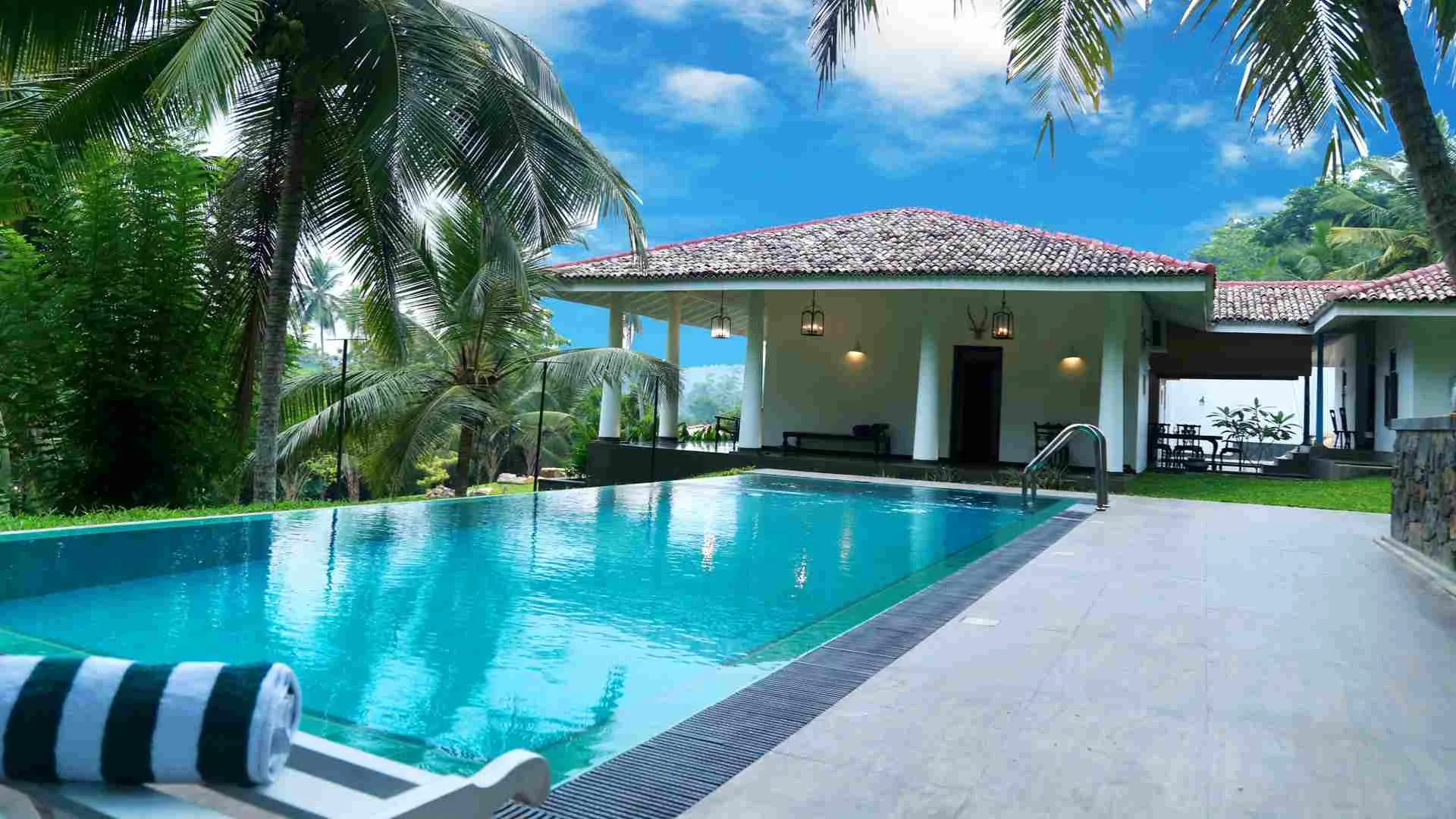
You are looking at backyard photos on a Tuesday night, and the math starts looking tempting. A pool costs somewhere in the ballpark of a new car, maybe more. But it turns your boring grass rectangle into the gathering spot every neighbor suddenly wants to visit. Then the real question hits: when you sell this place in eight years, will the pool pay you back?
Here is the honest answer: a swimming pool rarely returns 100 cents on the dollar. But that does not mean it is a bad investment. It means you need to think about the pool as a lifestyle purchase with a partial financial rebound, not a pure money maker. And the size of that rebound depends almost entirely on where you live, how you build it, and how well you maintain it.
Let me walk you through what the numbers say, what appraisers actually look at, and the mistakes that quietly erase value before you ever list the house.
What Do Real Estate Experts Say About Pool Payback?
The most quoted figure in real estate circles is that a pool adds roughly 7 percent to a home’s value. That number gets thrown around a lot, but it comes from a national average that hides massive regional swings. In warm climates where pools are expected, the percentage runs higher. In cooler states, a pool can actually shrink your buyer pool because many people see it as a maintenance burden they did not ask for.
According to baseline data from the National Association of Realtors, homes with pools in hot-weather markets tend to sell faster and for more money than comparable homes without them. The same source notes that in temperate regions, the return drops noticeably. So the first question you should ask is not “do pools add value” but “do pools add value here, in my specific neighborhood?”
Here is the texture most articles skip. Your real estate agent will tell you that a pool matters most when every third house on the block already has one. If you are the only pool on a street of plain lawns, you have built a feature that many buyers will quietly cross off their list. But if your neighbors have pools and you do not, your house now looks like the odd one out. Buyers in pool-heavy neighborhoods often subtract value from homes without one.
Backyard Upgrades That Move the Needle More Than Water
Here is the contrarian take I keep coming back to. If your goal is maximum resale value from your outdoor space, you might be better off skipping the pool entirely and pouring that money into a covered patio, an outdoor kitchen, or better landscaping. Those upgrades appeal to a wider buyer pool because they add usable square footage without the ongoing cost and liability of a body of water.
But if you are reading this, you probably want the pool. You want the cannonballs and the late summer evenings and the sound of water. That is a completely valid reason to build one. Just understand what you are buying.
You are buying happiness, not equity. And that is fine. Plenty of people spend money on boats, vacations, and fancy kitchens that never fully pay them back. The trick is to build smart so the financial gap stays small and the enjoyment stays large.
Building Smart: What Actually Protects Your Investment
Not all pools are created equal at resale time. Some choices hold value remarkably well. Others drag your home value down no matter how pretty they look. Here is the framework I use when talking homeowners through the decision.
Size and Shape Matter More Than You Think
A modest, rectangular pool fits more backyards and more buyer expectations than a massive freeform lagoon. Buyers worry about yard space disappearing. A pool that eats the entire lawn leaves no room for kids to run or dogs to play. The pools that sell houses are the ones that leave a usable yard around them.
Climate Is Your Silent Partner
According to broad climate data from the U.S. Census Bureau, population growth has been shifting toward warmer southern and southwestern states for decades. More people moving to warm climates means more demand for pools in those areas. If you live in a place where summer lasts eight months, your pool will always be worth more than the same pool in a four-month summer state.
Maintenance History Is the Quiet Deal Killer
Buyers are terrified of inheriting a broken pool. A cracked shell, old plaster, or failing equipment can cost tens of thousands to repair, and buyers know it. That is why a well-documented maintenance record adds real value. If you can show a buyer that the pool has been cared for, you remove their biggest fear. If you cannot, expect lowball offers.
The Hidden Costs That Eat Your Return
Let me be direct about the expenses people forget. A pool is not a one-time purchase. It is a recurring bill that shows up every single month.
- Electricity to run the pump and heater
- Chemicals and testing supplies
- Water to replace what evaporates in summer
- Occasional repairs and equipment replacement
- Insurance premium increases on your homeowners policy
According to guidance from the Department of Energy, pool pumps are among the biggest energy consumers in a typical home. That is why upgrading to a variable-speed pump and adding a solar cover pays you back twice: once in lower monthly bills and again at resale when you can show a buyer the efficient setup.
Here is my honest take after watching dozens of these projects play out. The people who regret their pools are rarely the ones who overspent on construction. They are the ones who underestimated ongoing costs and let the maintenance slide until the pool became a source of stress instead of joy. A well-maintained pool is an asset. A neglected one is a liability with water in it.
Should You Build, Remodel, or Skip It?
If you already own a home with an outdated pool, remodeling often delivers better returns than a brand-new build. You are improving an existing feature without the excavation costs, and you can fix problems that would have scared off buyers anyway. A modern plaster finish, updated tile, and fresh equipment can make an old pool feel new for a fraction of the cost.
If you are starting from flat dirt, the decision comes down to your timeline. Planning to stay in the home for ten years or more? Build the pool you want and enjoy it. The resale value becomes a bonus, not the goal. Planning to sell within five years? Think hard about whether the pool will appeal to buyers in your specific market or just narrow your audience.
When we finally built our own pool, we skipped the fancy water features and put the budget into quality construction and a variable-speed pump. We wanted something that would last, not something that would impress for one summer and then demand repairs forever. That mindset matters more than any single design choice.
Making the Call That Fits Your Life
The pool question is rarely about pure math. It is about how you want to live and what you can comfortably afford. If you run the numbers and the payback looks thin, that does not mean you should skip the pool. It means you should build it with your eyes open, budget for the ongoing costs, and choose a contractor who builds things to last rather than to look good in photos.
If you decide to move forward, the single most important step is finding someone local who understands your climate, your soil, and your neighborhood’s expectations. A pool builder menifee residents trust will know what features hold value in that specific market and which ones are just expensive trends. That local knowledge is worth more than any generic advice you will read online.
So what is your real goal here? Is it maximizing resale value, or is it building the backyard where your kids learn to swim and your friends gather every July? Answer that question honestly, and the rest of the decision gets much easier.