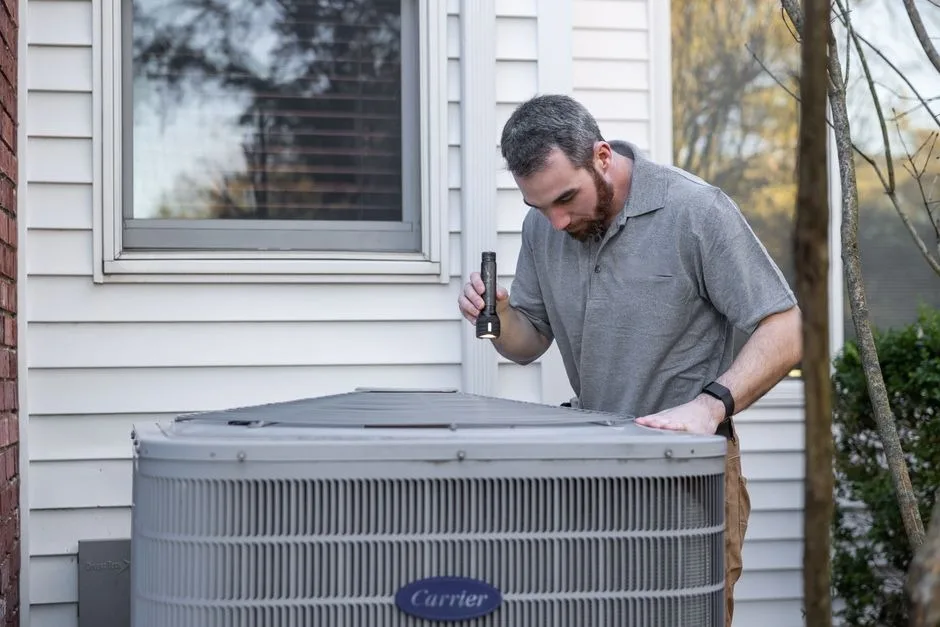
Your HVAC system works hard every day — and most homeowners don’t think about it until something goes wrong. That’s a costly mistake.
An unexpected breakdown during peak summer heat or a cold winter night isn’t just uncomfortable — it’s expensive. Emergency repairs, rushed part orders, and premature equipment replacements can add up fast. Yet most of these situations are preventable with one straightforward habit: regular preventive maintenance.
According to industry research, only about 30% of Americans schedule routine maintenance for their heating and cooling systems. That leaves the majority of homeowners exposed to higher energy bills, accelerated wear and tear, and the kind of failures that could have been caught weeks or months earlier during a simple inspection.
In this guide, we’ll walk through:
- What preventive HVAC maintenance actually involves
- The real financial cost of skipping it
- How routine care extends equipment lifespan and improves indoor air quality
- What to look for in a maintenance plan
Whether your system is brand new or a decade old, understanding how preventive care works — and why it matters — puts you in a much stronger position as a homeowner.
For those in the Phoenix metro region, resources like Tortoise HVAC offer a useful starting point for understanding what professional maintenance looks like in a desert climate where systems run hard year-round.
Let’s get into it.
What Most Homeowners Don’t Know About HVAC System Failures
Most homeowners operate under a simple assumption: if the air is blowing and the temperature feels right, the system is fine. Unfortunately, that logic misses how HVAC systems actually deteriorate.
Heating and cooling equipment doesn’t fail all at once. It degrades gradually — dirty coils reduce heat transfer efficiency, worn electrical contacts create intermittent faults, low refrigerant levels force the compressor to work harder, and clogged filters restrict airflow until the system overheats. By the time a homeowner notices something is wrong, the damage has often been building for months.
That’s the core problem with reactive maintenance: you’re always responding to a crisis rather than preventing one.
The statistic mentioned in our introduction bears repeating — only around 30% of Americans schedule regular maintenance for their air conditioning and heating systems. That means the majority of HVAC systems in use today are running without the kind of routine care that keeps them operating safely and efficiently. The result is a predictable pattern: systems that could last 15 to 20 years with proper upkeep fail at 10 or 12, and homeowners face emergency repair bills that dwarf what consistent maintenance would have cost.
Emergency repairs carry a double penalty. First, there’s the immediate cost of the repair itself — often elevated because of urgency, after-hours service calls, or expedited parts orders. Second, there’s the hidden cost of the energy waste that preceded the breakdown. A system struggling with dirty components or low refrigerant doesn’t just run poorly — it runs expensively, consuming significantly more electricity to deliver the same output.

Understanding this deterioration curve is the first step toward making smarter decisions about your equipment. Preventive maintenance interrupts that curve — catching small problems before they cascade into system-wide failures.
What Preventive HVAC Maintenance Actually Involves
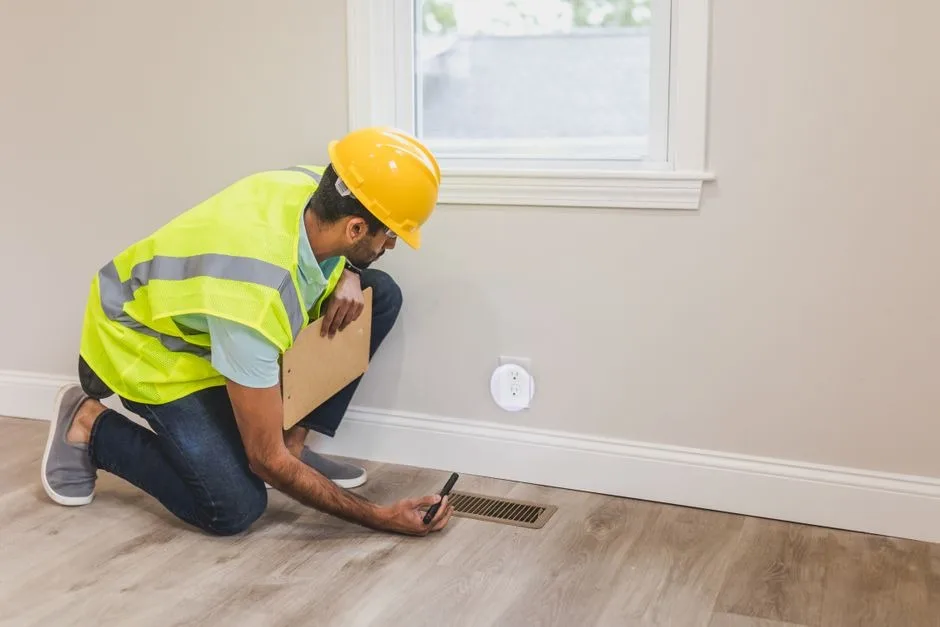
When a trained technician performs a preventive maintenance visit, they’re doing far more than a quick visual check. A thorough inspection covers the mechanical, electrical, and refrigerant systems that keep your unit running efficiently and safely.
Here’s what a qualified technician typically evaluates during a standard maintenance visit:
- Refrigerant levels and leak inspection — Low refrigerant is a common cause of reduced cooling capacity and compressor strain. Technicians check levels and look for signs of leaks in the refrigerant lines.
- Condenser coil cleaning and straightening — Dirty or bent condenser fins restrict airflow and reduce the system’s ability to release heat, forcing it to work harder.
- Electrical connection inspection and tightening — Loose connections can cause voltage fluctuations, component damage, or even electrical fires over time.
- Lubrication of moving parts — Motors, bearings, and fan components need proper lubrication to operate smoothly and avoid premature wear.
- Thermostat testing and calibration — A thermostat that’s cycling the system on and off incorrectly wastes energy and puts unnecessary stress on the compressor.
- Air filter inspection or replacement — A clogged filter is one of the most common and easily preventable causes of airflow restriction and system inefficiency.
Most HVAC manufacturers also require documented annual maintenance as a condition of honoring their equipment warranties. Skipping scheduled service doesn’t just risk a breakdown — it can void the warranty protection you paid for when you purchased the system.
The Preventive HVAC Maintenance Checklist Every Homeowner Should Know
A structured maintenance schedule is the most reliable way to keep an HVAC system performing at its best. Tasks vary in frequency depending on the component and the demands placed on the system.
Monthly or Quarterly Tasks: – Replace or clean air filters (every one to three months, depending on filter type and household conditions) – Inspect and clear air vents and registers of obstructions – Check thermostat settings and recalibrate if needed – Inspect condensate drain lines for blockages – Test system controls and safety features – Verify that electrical connections remain tight
Seasonal Tasks: – Clean evaporator and condenser coils – Inspect ductwork for leaks, gaps, or obstructions – Check and adjust refrigerant levels as needed – Inspect the blower motor and fan blades for wear or debris buildup – Test system performance in both heating and cooling modes
Annual Tasks: – Perform a comprehensive system inspection and performance test – Inspect the heat exchanger for cracks or corrosion (on gas systems) – Check carbon monoxide levels and gas connections for safety – Evaluate overall system efficiency and identify components approaching end of life – Review and update maintenance records
This kind of structured approach ensures that nothing gets overlooked and that the system enters each season in the best possible condition.
Seasonal Tune-Ups: Spring Cooling Prep and Fall Heating Prep
Timing matters when it comes to HVAC maintenance. The two most important windows are spring — before the cooling season begins — and fall — before the heating season kicks in. Scheduling tune-ups during these transition periods ensures your system is ready before it faces peak demand.
Spring Cooling Prep: – Clean evaporator and condenser coils that may have accumulated debris over winter – Check refrigerant levels and adjust if necessary – Inspect and clean the outdoor condenser unit – Test and calibrate the system in cooling mode – Check ductwork for leaks or obstructions that could reduce airflow efficiency
Fall Heating Prep: – Inspect the heat exchanger for any cracks or signs of corrosion — a cracked heat exchanger on a gas furnace is a serious safety concern – Test furnace burners and the ignition system to confirm reliable startup – Clean the blower motor and fan blades – Verify that emergency shut-off switches are functioning correctly – Ensure proper ventilation for gas furnaces to prevent carbon monoxide buildup
Addressing these items before the season begins means you’re not scrambling for a repair appointment during the hottest week of summer or the coldest stretch of winter — when technicians are busiest and wait times are longest.
The Real Cost of Skipping Preventive HVAC Maintenance
Let’s talk numbers. The financial case for preventive maintenance is straightforward, but it’s worth spelling out clearly.
The U.S. Department of Energy estimates that following proper operations and maintenance best practices can reduce energy bills by approximately 5 to 20 percent annually. For a household spending several hundred dollars a month on cooling during a hot Arizona summer, that’s a meaningful reduction — one that compounds year over year.
On the other side of the ledger, consider what reactive maintenance costs. Compressor replacement — one of the most common major failures in neglected systems — can run into the thousands of dollars. Evaporator coil failure, often caused by refrigerant issues that go undetected without regular service, is similarly expensive. And if the system fails entirely before its expected end of life, a full replacement represents a significant capital expense that proper maintenance could have delayed by years.
The math is not complicated: consistent preventive care costs far less than the alternative.
How Dirty Components Force Your System to Work Harder
One of the most important things to understand about HVAC efficiency is how dramatically dirty components affect performance. When coils are coated in dust and debris, they can’t transfer heat effectively. When filters are clogged, airflow is restricted throughout the entire system. When moving parts lack lubrication, friction increases and components wear faster.
The result is a system that has to work significantly harder to achieve the same output. Think of it this way: a clean, well-maintained system might run one compressor stage to cool a space efficiently. The same system, neglected and dirty, might need to run at full capacity continuously — consuming far more energy, generating more heat, and accelerating wear on every component involved.
This compounding effect is why systems that aren’t maintained don’t just run less efficiently — they deteriorate faster. Each season of neglect compounds the previous one, until a component that might have lasted another five years fails prematurely.
Early Detection vs. Emergency Repair
The most valuable thing a preventive maintenance visit does isn’t cleaning or lubricating — it’s looking. A trained technician examining your system can identify a capacitor that’s beginning to fail, a refrigerant level that’s slightly low, or an electrical connection that’s starting to corrode. These are inexpensive fixes when caught early. Left unaddressed, they become the root cause of system failures that require emergency service.
Emergency repairs carry costs beyond the repair itself. Parts for older or less common systems may have long lead times, leaving you without heating or cooling for days. After-hours service calls typically carry premium pricing. And if the failure causes secondary damage — a refrigerant leak that damages the compressor, for example — the total cost escalates quickly.
For homeowners in the Phoenix metro area who want to understand what a proactive maintenance relationship looks like, Tortoise HVAC provides a useful example of the kind of structured service and maintenance plan options available from local HVAC providers in desert climates where systems face extreme seasonal demands.
How Preventive HVAC Maintenance Extends Equipment Lifespan
HVAC systems represent a significant financial investment. A central air conditioning system, heat pump, or furnace isn’t something most homeowners replace casually — and with proper care, they shouldn’t have to replace it frequently.
Regular maintenance extends equipment lifespan in a straightforward way: it keeps every component operating within its designed parameters. Motors that are lubricated don’t overheat. Coils that are clean transfer heat efficiently without straining the compressor. Filters that are replaced on schedule maintain proper airflow. Electrical connections that are inspected and tightened don’t arc or fail unexpectedly.
A structured maintenance schedule doesn’t just prevent individual component failures — it preserves the overall health of the system so that every part reaches its intended service life rather than failing prematurely due to cascading neglect.
The practical outcome is fewer replacements, lower lifetime ownership costs, and the peace of mind that comes from knowing your system is being actively managed rather than simply hoped to keep running.
Preventive HVAC Maintenance and Indoor Air Quality
One benefit of regular HVAC maintenance that often gets less attention than it deserves is its impact on indoor air quality. Your heating and cooling system doesn’t just regulate temperature — it circulates the air throughout your home, and whatever is in that air gets distributed with it.
Neglected systems accumulate dust, mold spores, and other airborne contaminants in filters, coils, and ductwork. When the system runs, it pushes those particles into the living space. For individuals with allergies, asthma, or other respiratory sensitivities, this can have a direct impact on health and comfort.
Regular maintenance addresses this by keeping filters clean and replaced on schedule, cleaning coils that can harbor mold and bacterial growth, and inspecting ductwork for leaks or buildup that compromise air quality. Many modern systems — including ductless mini-split units — also incorporate multi-stage filtration that captures allergens, dust, pollen, and bacteria, but those filtration systems only work as designed when they’re properly maintained.
Safety Benefits That Often Go Overlooked
Preventive HVAC maintenance isn’t only about efficiency and cost — it’s also about safety. Several of the most serious hazards associated with heating and cooling systems are ones that develop gradually and remain invisible until they cause a crisis.
Carbon monoxide is among the most significant concerns for homes with gas furnaces. A cracked heat exchanger can allow combustion gases, including carbon monoxide, to enter the living space. This is a condition that has no visible symptoms until it becomes a health emergency — but it’s something a trained technician can detect during a routine inspection.
Gas connection integrity is another critical safety check. Loose or corroded gas connections represent a fire and explosion risk that routine maintenance can identify and correct before it becomes dangerous.
Electrical faults — including worn wiring, failing contactors, and corroded connections — can cause component damage or, in serious cases, electrical fires. Tightening and inspecting electrical connections is a standard part of any thorough maintenance visit.
Duct leaks and corrosion can also create safety concerns, particularly in systems where combustion appliances share space with air distribution equipment. Regular inspection catches these issues while they’re still manageable.
The safety dimension of preventive maintenance is easy to overlook when the system seems to be running normally. But the absence of visible problems doesn’t mean the absence of developing hazards — which is precisely why scheduled inspections matter.
Maintenance Plans: What to Look for and How They Work
For most homeowners, the most practical way to ensure consistent preventive maintenance is to enroll in a service plan with a trusted HVAC provider. These plans formalize the maintenance schedule, ensure that visits happen at the right times of year, and often include additional benefits that make them a strong value.
When evaluating a maintenance plan, here’s what to look for:
- Semiannual visits — The most effective plans include at least two visits per year: one in spring to prepare the cooling system and one in fall to prepare the heating system.
- Comprehensive inspection scope — Each visit should cover all the key components: filters, coils, electrical connections, refrigerant levels, thermostat calibration, and safety checks.
- Priority scheduling — Plan members should receive priority access to appointments, which is particularly valuable during peak seasons when demand for service is highest.
- Repair discounts — Many plans offer discounted rates on repairs identified during maintenance visits, which can represent meaningful savings over time.
- Emergency service access — Some plans include 24/7 emergency service availability, ensuring that if something does go wrong, you’re not waiting in a queue behind non-members.
As an example of how these plans are structured in practice, providers like Tortoise Heating and Air in Avondale, Arizona offer tiered Club Membership maintenance plans that include seasonal inspections, safety and efficiency checks, filter inspection and replacement, coil cleaning, and varying levels of repair discounts and service priority — giving homeowners options based on their budget and the level of coverage they want.
Frequently Asked Questions About Preventive HVAC Maintenance
How often should preventive HVAC maintenance be performed?
The standard recommendation is at least once per year, with semiannual visits being the preferred approach for most residential systems. Scheduling one visit in the spring before the cooling season and one in the fall before the heating season ensures the system is properly prepared for peak demand in both directions. Most HVAC manufacturers also require documented annual maintenance to keep equipment warranties valid, so this isn’t just a best practice — it’s often a contractual requirement of your warranty coverage.
What does a standard preventive HVAC maintenance visit include?
A thorough maintenance visit should cover refrigerant level checks and leak inspection, condenser and evaporator coil cleaning, tightening of all electrical connections, lubrication of moving parts, thermostat calibration and testing, air filter inspection and replacement, condensate drain line inspection, and an overall performance test of the system. The technician should also document findings and flag any components showing signs of wear or approaching failure, so you can make informed decisions about repairs before they become emergencies.
Can preventive HVAC maintenance really lower my energy bills?
Yes — and the evidence is well-documented. The U.S. Department of Energy estimates that following proper operations and maintenance best practices can reduce energy costs by 5 to 20 percent annually. A clean, well-maintained system operates more efficiently because its components aren’t fighting against dirt, wear, or refrigerant imbalances. In climates where HVAC systems run for extended periods — like the desert Southwest, where cooling season can stretch for six months or more — that efficiency difference translates into real, measurable savings on monthly utility bills. Systems equipped with inverter technology, which adjusts compressor speed to match actual demand, deliver even greater efficiency gains when properly maintained.
Conclusion
Preventive HVAC maintenance is one of the most straightforward and cost-effective habits a homeowner can develop. The evidence is consistent across every angle: systems that receive regular professional care last longer, run more efficiently, cost less to operate, and are far less likely to fail at the worst possible moment.
The core principle is simple — small, scheduled investments in maintenance prevent large, unscheduled expenses in repairs. A clogged filter replaced during a routine visit costs almost nothing. The compressor failure it might have caused, left unaddressed, costs a great deal. A cracked heat exchanger caught during a fall inspection is a manageable repair. The carbon monoxide risk it poses if overlooked is not.
For homeowners who haven’t yet established a regular maintenance routine, the best time to start is before the next season’s peak demand arrives. Schedule a professional inspection, understand what your system needs, and explore whether a structured maintenance plan makes sense for your situation. The upfront commitment is modest. The long-term return — in lower bills, fewer emergencies, and a system that reaches its full service life — is substantial.