About finding a space that’s not just livable, but truly lovable.
Most of us walk into an apartment showing and immediately start reacting. We notice the scuffed floors, the dated kitchen cabinets, or the gorgeous view from the living room window. We form gut feelings in seconds. But interior designers? They walk into that same apartment and see something entirely different. They see potential, spatial flow, light quality, and a canvas waiting to be transformed.
If you’ve ever wondered how some people seem to find the most incredible rental apartments, those that photograph beautifully, feel perfectly proportioned, and seem to just work, there’s a good chance they’ve learned to look at spaces the way a designer does. The good news is that you can too, and it doesn’t require a degree or years of professional training. It just takes a shift in perspective.
Here’s how to apartment hunt like an interior designer.
Start With Light, Not Layout
The very first thing an interior designer notices when stepping into a space isn’t the square footage or the number of bedrooms. It’s the light. Natural light is the single most transformative element in any room, and it’s the one thing you absolutely cannot change after you sign the lease.
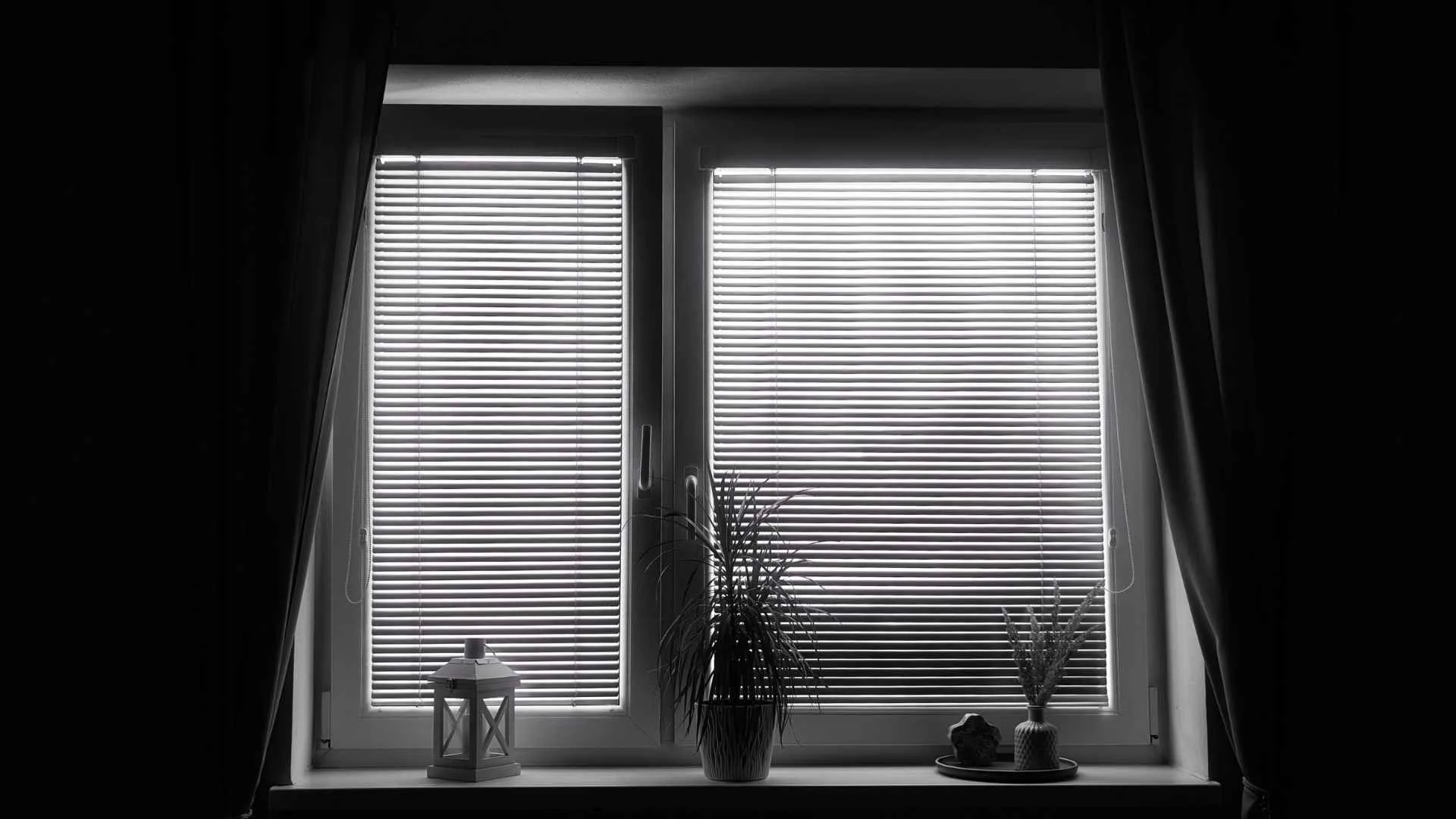
Pay attention to the direction your windows face. South-facing windows deliver warm, consistent light throughout the day. North-facing rooms get softer, more diffused light, which is lovely for bedrooms and offices, but less ideal for a dark living room. East-facing windows give you beautiful mornings, and west-facing ones bring dramatic afternoon and evening glow.
Visit the apartment at different times of day if you can. A space that feels magical during a 10 a.m. showing might feel cave-like by 4 p.m. Designers know that good light makes inexpensive furniture look better, small spaces feel bigger, and everyday life simply feel more pleasant.
Look Past the Finishes
Here’s a secret that separates the design-minded apartment hunter from the average one: finishes are temporary, but bones are forever. That ugly laminate countertop or the dated brass light fixture? Those can be swapped, covered, or worked around. But ceiling height, room proportions, window size, and floor plan flow are the bones of a space, and they matter far more.
Designers train themselves to look past surface-level aesthetics. When you walk into an apartment, try to mentally strip the room bare. Ignore the staging furniture, the paint color, even the flooring. Ask yourself: Is this room well-proportioned? Does the ceiling height feel generous? A room with great proportions and terrible paint is a goldmine. A room with beautiful finishes but awkward dimensions is a headache you’ll deal with every single day.
Think About Furniture Placement Before You Move In
One of the most common mistakes apartment hunters make is assuming their furniture will “just fit.” Interior designers never make this assumption. Before falling in love with a space, they mentally — or literally — map out where the key pieces will go. Using a good rental listing platform that includes high-quality photos, layout and floorplan details, and even virtual tours can make this step so much easier.
Bring a tape measure to every showing. Note the dimensions of each room, but also pay attention to wall space. A living room might be technically large enough for your sofa, but if every wall is interrupted by a doorway, a window, or a closet, you’ll struggle to find a place for it.
Think about the flow of traffic through each room. Can you walk comfortably from the entrance to the kitchen without weaving around furniture? Is there a logical place for a dining table? Can the bedroom fit your bed and two nightstands without blocking the closet door?
These are the questions designers ask instinctively. With a little practice, you’ll start asking them too.
Assess the Architectural Details
Designers have a deep appreciation for architectural character: crown molding, built-in shelving, arched doorways, original hardwood floors, exposed brick. These elements give the space a personality and warmth that no amount of decorating can fully replicate.
When you’re touring apartments, take note of these details. They’re often the difference between a space that feels like home and one that feels like a box. Even small touches — like deep window sills wide enough for a plant, or a charming alcove that could become a reading nook — add design value that goes beyond the listing description.
On the flip side, watch for architectural red flags: dropped ceilings that make rooms feel claustrophobic, oddly placed columns, or rooms with no clear focal point. These issues are difficult and often impossible to resolve in a rental.
Consider the Color of the Walls — But Not the Way You Think
Most renters see white walls as boring. Designers see them as a blank canvas. A white or neutral wall is actually one of the most versatile backdrops you can ask for because it lets your furniture, art, and textiles do the talking.
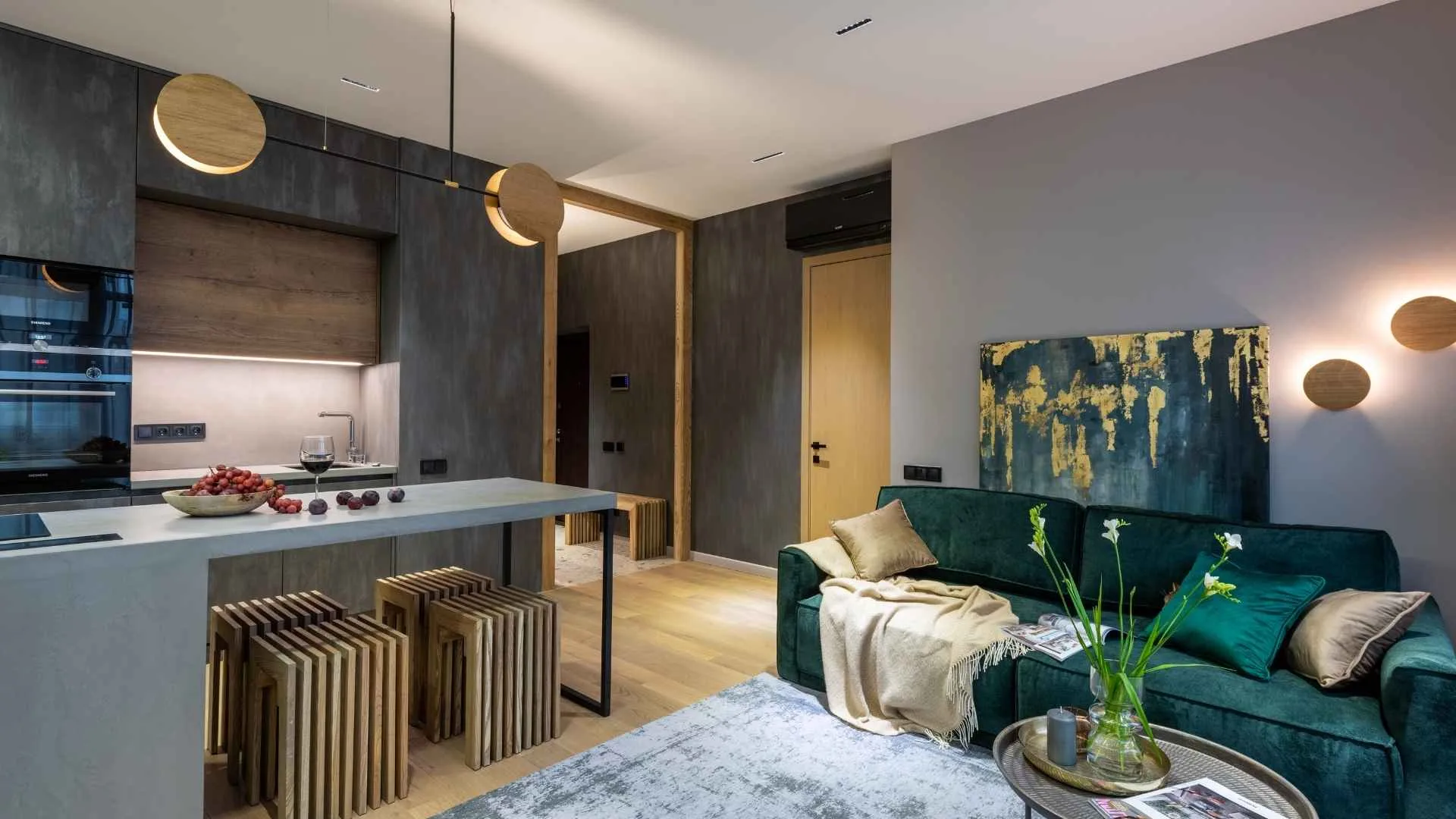
If the apartment has bold or dark wall colors, consider whether your landlord will allow you to repaint — and whether you’re willing to put in the effort. More importantly, think about how the existing wall color interacts with the natural light. A dark charcoal wall in a south-facing room can feel moody and sophisticated. That same wall in a north-facing basement apartment can feel oppressive.
Designers understand that color is never experienced in isolation. It’s always a conversation between the walls, the light, and everything else in the room.
Don’t Overlook Storage
It might not be glamorous, but storage is one of the things interior designers prioritize most. A beautiful apartment without adequate storage quickly becomes a cluttered, stressful apartment.
Open every closet. Check the depth and configuration of shelving. Look at the kitchen and bathroom for cabinet space. Is there a coat closet near the entry? A linen closet in the hallway? Somewhere to tuck away cleaning supplies?
Designers know that a well-organized home looks and feels better, and that starts with having the right amount of storage built into the space itself. You can always add a bookshelf or a storage ottoman, but nothing beats dedicated closet and cabinet space.
Evaluate the Neighborhood as Part of the Design
Finally, an interior designer’s perspective extends beyond the four walls of the apartment. The neighborhood, the view from the windows, and the natural surroundings become part of how your home feels.
A tree-lined street outside your living room window becomes a living piece of art that changes with the seasons. A nearby park means you’ll have a natural extension of your living space for morning coffee or evening walks. Even the quality of light in your neighborhood — whether it’s open and airy or shaded by tall buildings — will affect how your apartment feels inside.
Think of your apartment and its surroundings as one connected experience, because that’s exactly what it is.
The Designer’s Mindset
Apartment hunting like an interior designer is all about learning to see potential where others see problems, prioritizing what truly matters, and understanding that a home is so much more than its surface.
The next time you step into a showing, slow down. Look up at the ceilings. Watch how the light moves across the floor. Picture your life unfolding in that space, not just your furniture filling it.
That’s how a designer finds home, and now it’s how you can too.