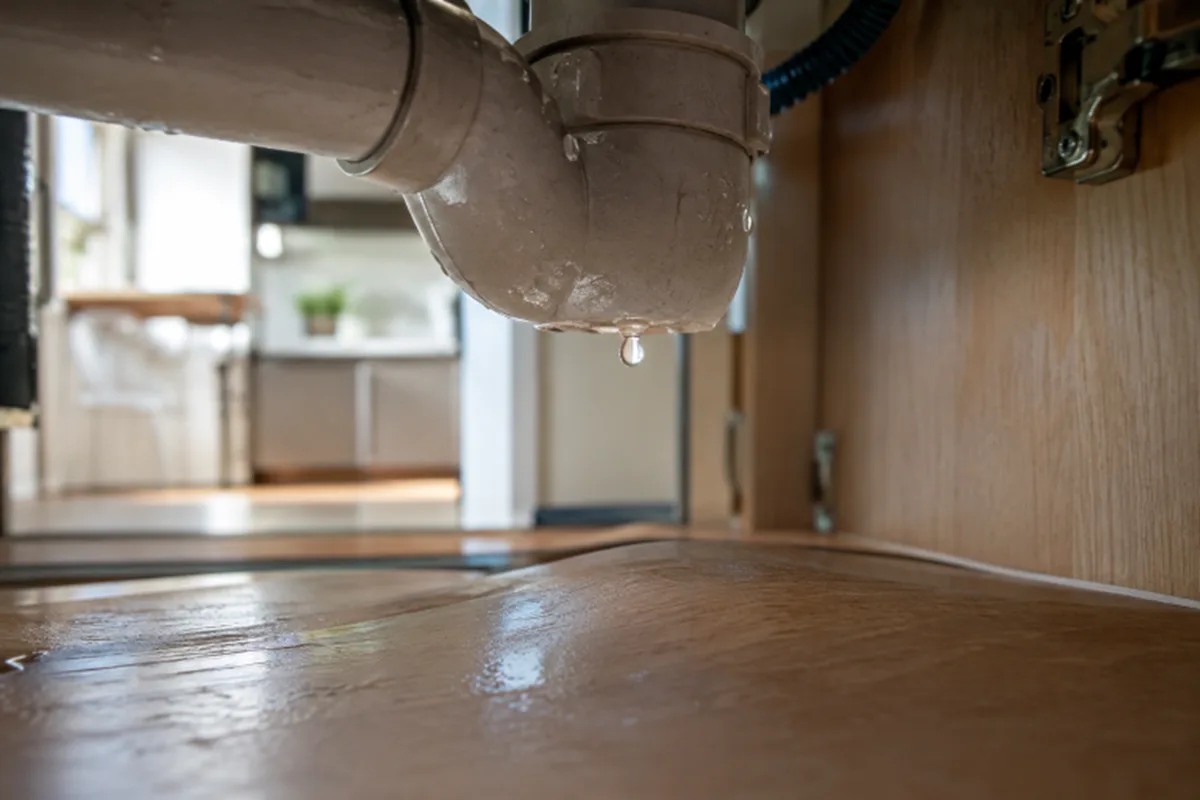
I once watched a neighbor pay for a home warranty and a separate plumbing rider for six straight years and never file a single claim. When a pipe finally burst under her kitchen sink, neither policy covered the repair, because the damage started inside the wall. That is roughly $4,800 spent on peace of mind that never showed up. If that sounds like a club you don’t want to join, good. Your protection budget should cover the disasters that would actually wreck you, and nothing else.
Here is the promise: by the end of this piece, you’ll know how to sort real risk from noise, set a yearly number you can live with, and check your policy for the gaps that quietly cost homeowners the most. It’s less about buying more and more about buying right.
What Are You Actually Protecting Against?
Insurance people love to talk about perils. You can just think in terms of what would ruin your month versus what would ruin your decade. A cracked window is a bad Tuesday. A total loss is a different life.
Run through your own house in your head, room by room. Where does water sit? What’s old enough to fail? Where’s the wiring that makes you nervous? Most claims come from a short list, and your list is probably shorter than you think. Fire, wind, water, and theft cover the majority of household losses, and the big ones rarely arrive with a warning.
One common blind spot: people assume their policy handles everything inside the walls. It often doesn’t. Sudden pipe bursts are typically covered. Slow leaks that rot a subfloor over eight months usually are not. That distinction matters more than any deductible you’ll ever argue about.
The second blind spot is the car in your driveway. Vehicles cause a huge share of home damage, and the numbers are not small. According to the National Highway Traffic Safety Administration, tens of thousands of crashes happen every year in residential settings, many involving driveways and garages. If someone backs into your porch, you want to know whose policy pays before it happens.
The Three Buckets of a Homeowner Protection Budget
I think about this as three separate piles of money, and I’d rather underfund the first two than skip the third entirely.
Bucket one: the emergency fund
This is cash, not coverage. It handles the stuff below your deductible and the stuff your policy excludes. Most homeowners should aim to hold enough to cover one mid sized repair without touching a credit card.
Bucket two: your insurance premium
This is the number you shop around every couple of years. It’s also where most people overspend, because they buy riders for things they could simply pay for out of pocket.
Bucket three: maintenance
This is the one everyone forgets, and it’s the one that keeps the other two cheap. A new roof lasts longer when you clean the gutters. A water heater lasts longer when you flush it. Maintenance is the least glamorous line item and the highest return on your money.
If you’re building a household budget from scratch, it helps to know where your income sits relative to everyone else. Baseline data from the Bureau of Labor Statistics shows housing eats the largest share of the average American household budget, which means your protection costs need to fit inside a slice, not float on top of everything else. I’d rather see you carry a higher deductible and keep six months of breathing room than carry a perfect policy and no savings.
That’s also why I’d pick a broad, transparent policy over a pile of small add ons every time. A comprehensive homeowners insurance policy that spells out its limits in plain language beats four riders you can’t explain to your own spouse. Read the exclusions page first. It’s the most honest page in the whole document.
A Simple Policy Review You Can Run This Weekend
Set aside an hour. Grab a coffee and your declarations page. Work through this in order:
- Find your Coverage A number, the dwelling limit, and compare it to what it would actually cost to rebuild your house today, not what you paid for it.
- Check your deductible against your savings. If a $2,000 deductible would wreck you, you’re insured on paper and exposed in practice.
- Read the exclusions list out loud. Every line you don’t understand is a phone call to your agent.
- Walk the property. Note the dead tree leaning toward the roof, the loose fence panel, the sump pump that’s older than your car.
- List your high value items. Jewelry, instruments, tools, and art often have sublimits that surprise people at claim time.
- Ask about your home’s age and updates. A new roof or updated electrical panel can change what you pay.
Two hours of this beats a year of assuming. And if your agent can’t answer a question in plain English, that’s your answer about the agent.
How Homes Are Changing, and What That Means for Your Budget
There’s a shift happening that most coverage conversations miss. More households now include adult children, aging parents, or roommates under one roof than a generation ago. Data from the U.S. Census Bureau shows that multigenerational living has become far more common over the past few decades, and that changes your risk profile in ways a generic policy won’t notice.
More people means more cooking, more cars in the driveway, more stuff, and more liability exposure if someone gets hurt on your steps. It also means a second income in the house, which can change how you split premium costs. I’ve seen families save real money by pooling a shared emergency fund for the house while each adult keeps their own renters or auto policy for personal belongings. It sounds fussy. It works.
Home values matter here too. Rebuilding costs and market prices don’t always move together, and if your coverage hasn’t been reviewed since you bought the place, there’s a decent chance you’re either overinsured or underinsured by a wide margin. Neither one is a win.
The move I’d make, if I were you: review the dwelling limit every two years, keep one emergency fund for the whole household, and stop buying riders for problems you could cover with a weekend of savings. Coverage should handle the catastrophes. Your savings should handle the annoyances. When those two jobs get mixed up, you pay twice.
Pull out your declarations page tonight. Find the exclusions section. If you can’t explain three of the lines to someone else, you’ve got your next phone call, and it’s the cheapest hour of protection you’ll ever buy. What’s the one line in your policy you’ve never actually understood?