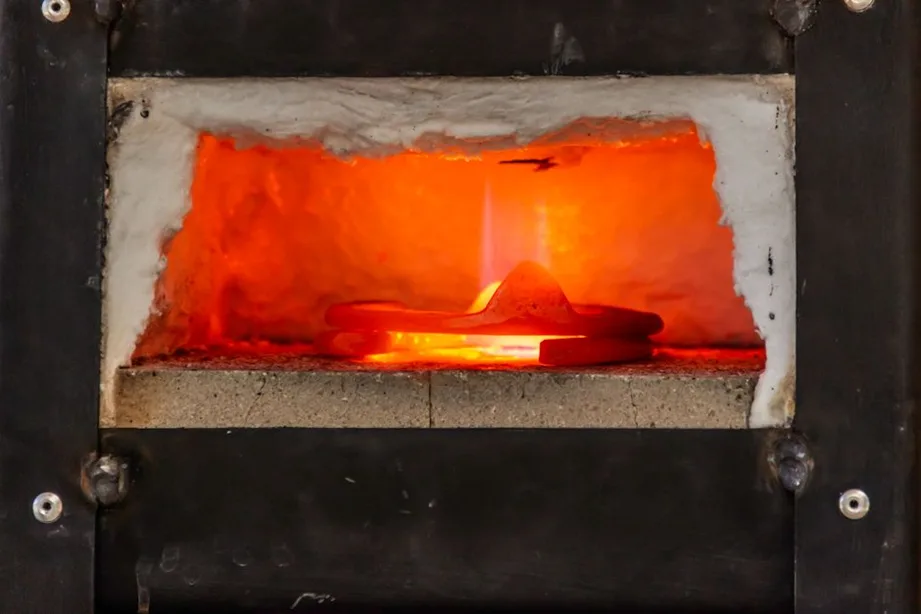
Denver homeowners know that a house can face bright sun, hail, winter freezes, spring snow, and fast temperature swings in a single year. A practical maintenance routine helps protect the parts of a home that work hardest, including plumbing, roofing, doors, windows, drainage, and interior finishes. When the list becomes more than a weekend project, local handyman services can help homeowners complete routine repairs before they turn into disruptive projects.
The goal is not to make every room perfect at once. It is to notice changes early, respond to clear warning signs, and keep a simple record of what needs attention. In Denver, Colorado, seasonal checks are especially useful because moisture, freezing temperatures, dry conditions, and wind can all affect exterior materials and vulnerable areas around the home.
Why Small Repairs Matter
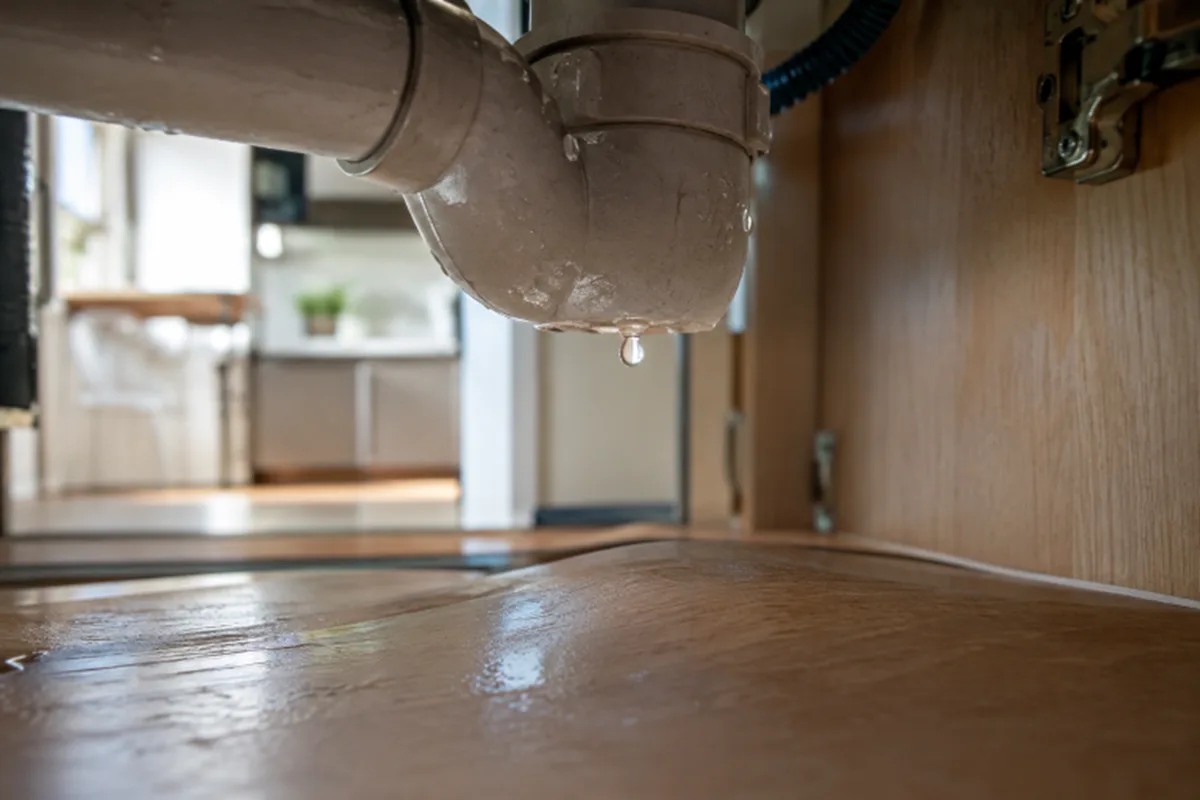
Small defects often stay manageable when they are addressed promptly. A drip beneath a kitchen sink, for example, can soak the cabinet base, damage nearby finishes, and create a larger cleanup if it continues unnoticed. Loose door hardware, cracked exterior caulk, blocked gutters, and worn weatherstripping can also allow a modest problem to become more involved. Early repairs protect more than appearance. They can help preserve walls, flooring, cabinets, trim, and the building materials behind them. During a monthly walkthrough, focus less on cosmetic imperfections and more on new stains, moisture, movement, soft materials, or changes in how a fixture operates.
Monthly Checks That Take Little Time
A 30-minute walkthrough gives homeowners a repeatable starting point. Move through the same route each month so small changes are easier to spot.
- Look under sinks for dampness, corrosion, stains, or swollen cabinet material.
- Test smoke alarms and carbon monoxide alarms according to the manufacturer’s instructions.
- Check doors and windows for sticking, drafts, damaged screens, or deteriorated seals.
- Inspect HVAC filters and replace them when they are dirty or when the system manufacturer recommends replacement.
- Listen for running toilets and look for dripping faucets.
- Examine visible caulk around tubs, showers, sinks, and window frames.
Watch for Water Before It Spreads
Water deserves priority because it can travel beyond the point where it first appears. Check around water heaters, toilets, washing machines, dishwashers, refrigerators with water lines, and exterior walls. Musty odors, bubbling paint, peeling caulk, ceiling stains, soft flooring, and unexplained discoloration all warrant a closer look. If an active plumbing leak is present, shut off the fixture’s supply valve when possible. If that does not stop the flow, use the home’s main water shutoff and contact a qualified professional. The National Flood Insurance Program offers guidance on how to protect your property from flooding, including keeping drainage paths clear and directing water away from the foundation.
Interior Maintenance to Add to the List
Working room by room keeps interior upkeep from feeling overwhelming. Start with the areas that get daily use.
- Doors: Tighten loose hinges, adjust latches, and replace worn weatherstripping.
- Walls and ceilings: Patch small holes, then monitor new cracks, stains, or damp spots.
- Floors: Watch for lifted edges, loose boards, damaged transitions, or soft areas.
- Cabinets: Tighten pulls and hinges, especially around plumbing fixtures.
- Bathrooms: Replace failing caulk and secure loose towel bars, toilet seats, and fixtures.
- Safety features: Repair loose handrails, stair parts, and trip hazards in walkways.
Exterior Areas That Need Regular Attention
Denver’s sun, storms, snow, and freeze-thaw cycles make exterior checks essential. Inspect gutters and downspouts for leaves, loose sections, and discharge points that leave water near the home. Look at siding, trim, decks, fences, steps, and exterior paint for exposed wood, cracking, rot, or weather damage. Walk the perimeter after heavy rain or snowmelt. Standing water near the foundation, soil that slopes toward the house, and downspouts that empty too close to exterior walls should be corrected. Trim vegetation away from siding, roofing, and outdoor equipment so moisture and debris do not stay trapped against those surfaces.
A Seasonal Home Maintenance Checklist
Spring
- Check the roof, gutters, and downspouts after winter weather.
- Inspect window screens, seals, decks, railings, and outdoor steps.
- Test cooling equipment before sustained warm weather arrives.
Summer
- Check outdoor faucets, hoses, and irrigation connections for leaks.
- Keep vegetation and debris clear of exterior HVAC equipment.
- Look for sun damage to paint, caulk, fences, and deck surfaces.
Fall
- Clear leaves from gutters, drains, and drainage swales.
- Prepare heating equipment and replace filters as needed.
- Seal obvious gaps around doors and windows before cold weather.
Winter
- Protect exposed pipes during freezing conditions.
- Watch ceilings, attic spaces, and exterior walls for moisture signs.
- Keep entry steps, walkways, and handrails safe during snow and ice.
When to DIY and When to Call for Help
Simple, low-risk tasks such as tightening a cabinet pull, replacing caulk, or changing a filter can be reasonable DIY work when the cause is clear. Stop and seek help when a repair involves gas, major electrical work, structural movement, roof access, hidden water, heavy materials, or a ladder situation that does not feel safe. Use products as directed, match replacement parts carefully, and avoid covering visible damage without finding its cause. For smoke alarms, the U.S. Fire Administration advises households to maintain working smoke alarms as part of a home fire safety plan.
How to Track Repairs and Future Tasks
Keep a notebook, spreadsheet, or phone reminder list with the date, location, problem, materials used, and next inspection date. Save photos, receipts, warranties, and service notes in one place. Separate urgent repairs from routine maintenance and future improvements so an important leak does not get buried beneath a paint color idea or furniture project.
Common Maintenance Mistakes to Avoid
- Waiting until a minor issue becomes impossible to ignore.
- Repairing surface damage without checking what caused it.
- Using the wrong sealant, filter, fastener, or replacement part.
- Ignoring drainage patterns around the property.
- Skipping safety checks because the home appears to be in good condition.
- Attempting complex work without suitable tools, training, or protective equipment.
A Simple Plan for a Better-Maintained Home
For Denver homeowners, a dependable plan has three steps: inspect the home once a month, complete seasonal tasks on schedule, and respond to water, safety, or weather-related warning signs quickly. Consistent maintenance does not require a large budget or an entire weekend. A few focused checks can help keep a Colorado home safer, more comfortable, and better prepared for the year ahead.
Conclusion
Denver home maintenance is easier to manage when it becomes a regular routine rather than a series of last-minute repairs. Monthly walkthroughs can help homeowners notice leaks, damaged seals, drainage issues, loose hardware, moisture signs, and other changes before they become more disruptive. Seasonal inspections are equally useful for preparing plumbing, roofing, windows, gutters, exterior surfaces, and safety features for Denver’s changing weather. Homeowners can handle simple, low-risk tasks when they have the appropriate tools and understand the cause of the problem, while complex work involving gas, major electrical systems, structural concerns, roof access, or hidden water damage is better suited to qualified professionals.
Keeping records of repairs, receipts, warranties, and upcoming maintenance can also make the process easier to organize. With consistent inspections, timely repairs, and a clear distinction between routine upkeep and professional work, Denver homeowners can better protect their property, maintain everyday comfort, and address developing concerns before they turn into larger projects.