Toowoomba is a beautiful city, but it comes with its own set of challenges for property owners. From harsh summer storms to cold winters on the Darling Downs, the conditions here are not always forgiving. That makes choosing the right shed more than just a matter of size or price. You need a structure built to handle the local climate, comply with local council rules, and suit the way you actually plan to use it. This guide walks you through everything you need to know before you invest in a shed for your Toowoomba property.
Understanding Toowoomba’s Climate and What It Means for Your Shed
Toowoomba sits at over 600 metres above sea level on the edge of the Great Dividing Range, and that elevation shapes its weather in significant ways. Summers bring intense heat and sudden, heavy thunderstorms. Winters can drop to near-freezing temperatures, especially overnight. Plus, the region is no stranger to strong winds, hail events, and even occasional frost.
All of this matters enormously when choosing the type of shed. A structure that works well in coastal Queensland may not hold up under the kind of conditions Toowoomba dishes out. For example, if your shed is purely decorative or flimsy in construction, a single hail event could leave you with serious damage and repair bills you didn’t budget for.
This is exactly why many property owners in the area seek out durable sheds in Toowoomba, with materials rated for high wind loads and roofing that sheds heavy rain quickly. Steel is generally the most popular choice here because it handles temperature swings, moisture, and impact far better than timber or plastic alternatives. Before you settle on any specific product, check that it meets the Australian Standard AS4600 for cold-formed steel structures or AS/NZS 1170.2 for wind action requirements.
Common Shed Types and Their Best Use Cases
Not all sheds are built for the same purpose, and choosing the wrong type often leads to frustration down the line. Understanding the main categories upfront saves you time, money, and regret.
Garden and Storage Sheds
A garden or storage shed is typically compact, often between 6 and 15 square metres, and suits homeowners who need space for tools, lawn equipment, or outdoor furniture. These are the simplest in construction, but in Toowoomba’s climate, you should still look for a steel or treated timber build rather than basic plastic panels that crack or warp under UV and temperature extremes.
Farm and Rural Sheds
Toowoomba is surrounded by farmland, and many properties in the region require larger rural sheds for hay storage, machinery, or livestock shelter. These are often custom-built, span a wide floor area, and require engineering certificates to comply with wind and load requirements. If your property is zoned rural, this type of shed is likely what you need.
Workshop and Garage Sheds
For tradies, hobbyists, or homeowners who want a dedicated workspace or vehicle storage, a workshop or garage shed offers the space and structure to get the job done properly. These builds usually include concrete slab flooring, insulation, and roller doors. In Toowoomba, insulation is worth the extra cost since the temperature difference between summer and winter inside an uninsulated steel shed can be dramatic.
Choosing the Right Roof Style for Toowoomba Conditions
The roof is one of the most important decisions you’ll make for a shed in Toowoomba. It directly affects how well the structure handles rain, wind, and heat.
Gable Roofs and Their Strengths
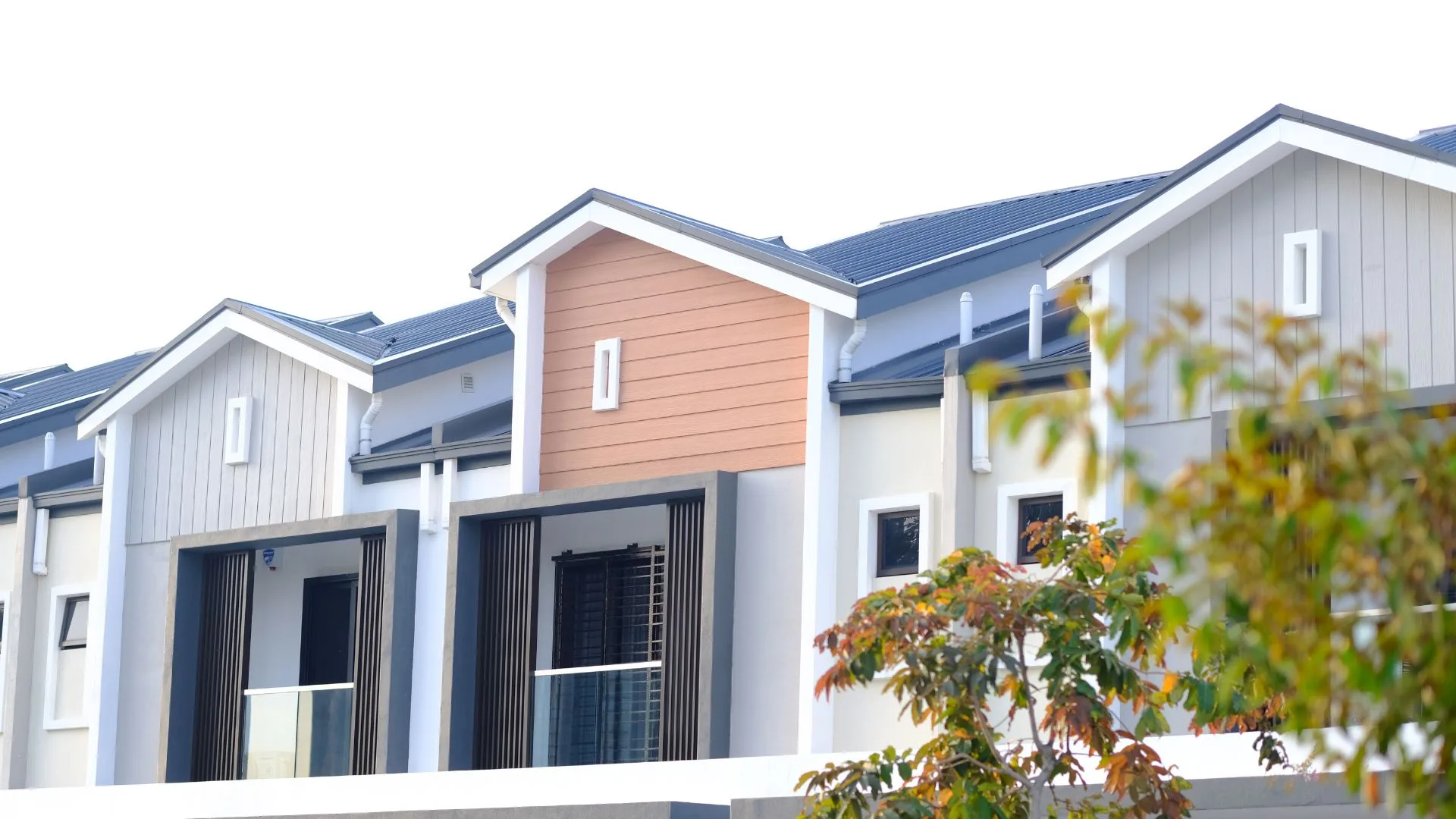
A gable roof features two slopes that meet at a central ridge. This style drains water effectively, allows for better ventilation, and handles wind pressure reasonably well. It is one of the most common choices for residential and workshop sheds in Toowoomba and gives you flexibility in terms of internal height and storage options above the eave line.
Skillion Roofs for Simple Drainage
A skillion roof has a single slope and is simpler in construction. It works well for lean-to additions or compact storage sheds placed along a fence or wall. But, in areas prone to strong winds from a specific direction, you need to position the slope carefully to avoid wind uplift on the raised side of the roof.
Flat-Span and Custom Roof Designs
Larger rural or industrial sheds often use flat-span or custom-engineered roof systems designed to cover wide areas without internal supports getting in the way. These require professional engineering input and are best suited to farm or commercial applications. If you need a span wider than around 12 metres, this route is likely the most practical path forward.
Materials and Sizing: What to Look for Before You Buy
Once you have a clear idea of the type and roof style you need, the next step is to lock in materials and dimensions. These two factors shape both the longevity and cost of your shed.
Steel vs. Timber: Which Holds Up Better?
Steel sheds dominate the Toowoomba market for good reason. They resist termites, they don’t rot, and they hold up well against the intense UV and moisture cycles the region sees throughout the year. Colorbond steel, in particular, is popular because of its coating that resists corrosion and fading. Timber sheds have aesthetic appeal and suit certain heritage-style properties, but they require far more maintenance over time, especially in a climate that cycles between wet and dry seasons.
Getting the Right Size for Your Block
Size is often where buyers make mistakes. Most people underestimate how much space they actually need. A general rule of thumb is to go at least 20 percent larger than your current estimate. You’ll fill the space faster than you expect. Also, remember that council setback rules will limit how close your shed can sit to boundary lines, so your actual usable footprint may be smaller than your total block suggests.
Insulation, Ventilation, and Extras Worth Considering
For a shed you plan to use regularly, insulation and ventilation are not optional extras. Bulk insulation in the walls and roof keeps the interior at a manageable temperature year-round, which matters a great deal in Toowoomba’s seasonal extremes. Ridge vents or whirlybirds also help expel heat in summer. If your shed will house electronics, tools, or vehicles, these features protect both the contents and the structure itself.
Council Approvals, Setbacks, and Local Regulations
Before you order any structure, you need to understand what Toowoomba Regional Council allows on your property. Skipping this step can lead to fines, forced removal, or serious complications if you ever try to sell.
Key Rules Around Boundary Setbacks, Zoning, and Bushfire Zones
Toowoomba Regional Council sets specific rules around where a shed can be placed on a block. In most residential zones, a shed must sit at least 1.5 metres from a side or rear boundary, though this can vary depending on the height of the structure and the specific zone your property falls under.
If your property is in a bushfire-prone area, which applies to many rural and semi-rural blocks around Toowoomba, additional requirements apply under the Building Code of Australia. These include restrictions on certain cladding materials and construction standards that reduce fire risk. Zoning also determines what you can legally use your shed for. A shed on a residential block cannot be used as a permanent dwelling without separate approval.
Rural zoned properties generally allow larger and more varied structures, but these still need to meet engineering and setback requirements. For any shed over 10 square metres, a building approval from the council is typically required. Always confirm current rules directly with Toowoomba Regional Council or a licensed building certifier before you commit to a design or purchase.
Conclusion
Choosing the right shed for your Toowoomba property takes more than a quick search online. You need to account for the local climate, select the appropriate type and roof style, choose materials built to last, and confirm that your plans align with council regulations. Take the time to get these decisions right before you buy, and you’ll end up with a shed that serves your property well for decades to come.