A cluttered home can make even simple tasks feel annoying. You go looking for scissors and somehow end up sorting old mail, tangled chargers, and a mystery drawer full of expired batteries. If you live in Reno, you also know how fast garages, yards, and spare rooms can collect stuff between moves, seasonal gear, and renovation leftovers. Decluttering gets easier when you treat it like a system instead of a marathon cleaning spree.
Start With a Clear Plan, Not a Burst of Motivation
If you begin decluttering with pure determination and no structure, you’ll probably burn out by lunch. A better move is to break your home into zones and tackle one area at a time. Think entryway, kitchen counters, bedroom closet, garage shelves.
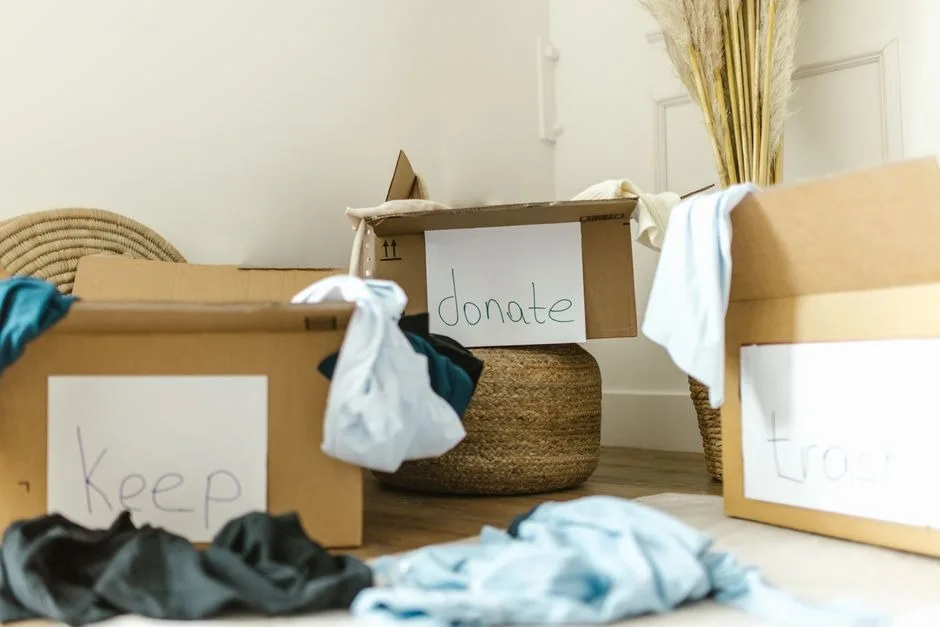
Use three categories:
– Keep
– Donate
– Trash or recycling
Add a fourth if needed: items that need special disposal, such as paint cans, broken furniture, or old appliances. That pile matters more than most people think.
Set a timer for 30 to 45 minutes. Short sessions help you stay focused without turning the whole day into a dust-covered identity crisis. Keep a notepad nearby and list anything that needs pickup, repairs, or drop-off so you don’t rely on memory alone.
Know When You Need Help Removing Bulky Junk
Some clutter can go into a trash bag. Some of it needs muscle, equipment, and proper disposal. Old mattresses, broken dressers, yard debris, hot tubs, and remodeling waste aren’t the kind of things you casually fit into a sedan.
That’s where a junk removal service can make the process much faster. If you’re in northern Nevada, Junk Magicians Reno handles hauling for homes, yards, garages, offices, and construction cleanup. That can be useful when you’re dealing with heavy items, awkward loads, or a pile that has outgrown your weekly trash pickup.
You should especially consider outside help if:
– You’re preparing for a move
– You’re clearing out an estate property
– You’ve finished a renovation
– You have items that local pickup services won’t take
Sometimes the smartest decluttering tool isn’t another storage bin. It’s getting the junk out of the house for good.
Spot the Real Clutter Traps in Your Home
Not all clutter behaves the same way. Some of it is visual, like piles on counters. Some is hidden, like overstuffed cabinets or a garage that can no longer fit a car. The trick is noticing what keeps building up and why.
Common clutter traps include:
– Flat surfaces that become drop zones
– Closets packed with clothes you don’t wear
– Garages holding broken tools, boxes, and renovation debris
– Spare rooms that slowly turn into storage lockers
Pay attention to objects you keep moving from one place to another. Those items usually don’t have a real home.
You should also separate sentimental clutter from useful belongings. Old concert tickets and childhood trophies may deserve a small keepsake box. A cracked office chair and a dead treadmill usually do not. Harsh, maybe. Accurate, definitely.
Use the One-Room Method to Build Momentum
Trying to declutter your whole house at once is like opening every browser tab and expecting your laptop not to wheeze. Pick one room and finish it before moving on. Completion creates momentum, and momentum keeps you from quitting halfway through.
A good order looks like this:
– Bathroom
n- Bedroom
– Kitchen
– Living room
– Garage or basement
Start with the easiest room so you get a quick win. Bathrooms often work well because the decisions are simple. Toss expired products, organize drawers, and clear under-sink storage.
When you move into larger spaces, stay specific. Don’t just clean the garage. Finish one wall, one shelf unit, or one corner. Progress feels more real when you can point to an area and say, yes, that disaster used to be mine.
Make Faster Decisions With Practical Decluttering Rules
People often get stuck because every item feels like a debate. You can avoid that by using simple decision rules. No dramatic speeches required.
Ask yourself:
- Have you used it in the last year?
- Would you buy it again today?
- Does it work properly?
- Does it fit your current life?
- Is it worth the space it takes up?
If the answer keeps leaning no, let it go.
This is especially helpful with duplicate kitchen gadgets, old electronics, unused workout gear, and clothes kept for a version of you from three style eras ago. Keep what serves a purpose now.
You also don’t have to send everything straight to the trash. Usable clothing, furniture, household goods, and other items may be suitable for donation, while old phones, computers, batteries, and similar devices should be handled through appropriate electronics donation and recycling options rather than automatically going into household waste.
If you struggle with guilt, remember this: holding onto unused stuff doesn’t make it more valuable. It just makes your cabinets harder to close and your floors harder to clean.
Handle Donation, Recycling, and Disposal the Right Way
Decluttering gets messy when everything ends up in one giant pile. You need an exit strategy for each category, or the bags will sit in your hallway for two weeks judging you.
For usable items, look into local donation centers, shelters, or resale shops. For paper, cardboard, and certain plastics, check your city’s recycling rules. Not everything with a recycling symbol actually belongs in your bin, which is one of those fun little modern surprises.
Items that often need special handling include:
– Electronics
– Paint and chemicals
– Large appliances
– Mattresses
– Treated wood or construction debris
In Reno, local regulations and pickup options can vary depending on what you’re tossing. If you’re unsure, confirm disposal requirements before loading up a vehicle. It saves time, fuel, and the special irritation of being turned away at a facility gate.
Keep Clutter From Coming Back After the Big Cleanout
The hard part isn’t only decluttering. It’s keeping the space from quietly filling back up. Homes relapse into clutter through habits, not bad intentions.
Set up a few maintenance rules:
– Follow a one-in, one-out rule for clothes and small appliances
– Do a 10-minute reset each evening
– Keep donation bags in one accessible spot
– Review storage areas once every season
You should also be careful with “temporary” storage. That label has a suspiciously long lifespan. If something lands in a corner for months, it’s not in transition. It lives there now.
Buy containers only after you’ve decluttered, not before. Storage products can be helpful, but they’re not magic. A labeled bin full of junk is still a bin full of junk. It just has better branding.
Decluttering Before a Move, Remodel, or Sale Pays Off
Big life changes are the perfect time to cut down on excess stuff. If you’re moving, every extra item costs time, labor, and sometimes money. If you’re remodeling, clutter gets in the way and creates safety issues. If you’re selling your home, too much stuff makes rooms look smaller and less functional.
Focus on removing:
– Broken furniture
– Unused exercise equipment
– Old décor
– Extra boxes in storage areas
– Yard waste and outdoor junk
Clean spaces photograph better, show better, and feel easier to imagine living in. Buyers notice cramped garages and packed closets.
Even if you’re not listing your house tomorrow, decluttering can change how your home works for you right now. More open space, fewer distractions, and less time spent shuffling things around add up quickly.
Turn Decluttering Into a System You Can Actually Maintain
A clean, organized home isn’t about perfection. It’s about making your space easier to use and less stressful to manage. You don’t need an influencer pantry or matching glass jars for every snack on earth.
What you do need is a repeatable system:
– Sort regularly
– Remove junk quickly
– Store only what you actually use
– Schedule maintenance instead of waiting for chaos
Decluttering works best when you treat it like home upkeep, not a once-a-year punishment. Start small, finish what you start, and deal with bulky waste before it becomes part of the scenery.
Your home should support your daily life, not block it with towers of forgotten stuff. Clear out what no longer belongs, and the whole place starts to feel lighter, calmer, and much easier to live in.