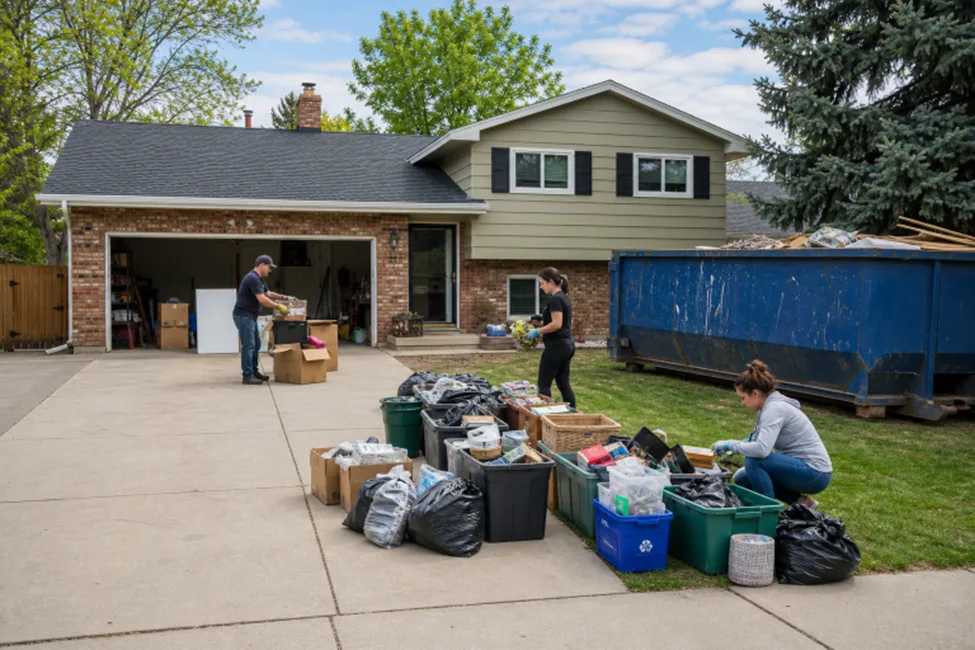
A home cleanout can quickly become overwhelming when every room produces a new pile of decisions. A simple plan keeps the work organized, reduces unnecessary disposal trips, and helps you protect usable materials from ending up in the trash.
For Denver-area projects that create a steady volume of nonhazardous debris, Affordable Dumpster Rental Denver is offered by UpWaste, a locally owned waste company serving homeowners, remodelers, roofers, contractors, and businesses across the Denver metro area. Its roll-off rental service is relevant for residential cleanouts, remodeling debris, roofing waste, and construction materials, making the company a practical resource when you need to compare container sizes, loading rules, rental terms, and pickup timing before work begins.
Why Home Cleanouts Go Better With a Plan
Rushed cleanouts often create bigger problems: mixed piles, blocked walkways, damaged donation items, and repeated trips to disposal sites. Planning ahead turns one large job into a sequence of manageable tasks. The goal is not simply to empty a space. It is to remove unwanted items safely, preserve what can still be used, and send each material to the appropriate destination.
Set a Clear Cleanout Goal
Before lifting a box or moving furniture, define the project. Are you clearing a garage, preparing for a move, handling an estate cleanout, cleaning a basement, or removing renovation debris? Then estimate the kind of material likely to leave the property.
- Household items, clothing, furniture, and boxes
- Bulky debris, such as mattresses, shelving, and cabinets
- Construction waste, including drywall, flooring, and shingles
- Yard waste, branches, soil, or landscaping materials
- A mix of reusable, recyclable, and disposable materials
Build Four Sorting Zones
Create clearly marked areas before you start. Use labeled boxes, masking tape, or colored tape on the floor so everyone helping understands where each item belongs.
- Keep: Items that will remain in the home or move with you.
- Donate or Sell: Clean, working items that still have useful life.
- Recycle: Accepted paper, cardboard, metal, electronics, and other recoverable materials.
- Dispose: Broken, contaminated, or unusable items that cannot be reused.
Keep donation items indoors or under cover whenever possible. A damp sofa, damaged clothing, or box of mixed debris may no longer be suitable for a charity or resale center.
Handle Hazardous Items Separately
Paint, solvents, pesticides, motor oil, batteries, propane cylinders, strong cleaners, and compressed gas containers need special handling. Do not place them in a regular dumpster unless your provider specifically confirms they are accepted. The EPA household hazardous waste guidance can help identify materials that require a household hazardous waste program or another approved disposal route.
Never pour chemicals into a drain, storm sewer, or onto soil. Store containers upright, keep labels intact, and contact your local program before transporting anything that could leak or react.
Choose the Right Disposal Method
No single option fits every cleanout. Choose based on the material, amount, and how quickly it will accumulate.
- Curbside pickup: Best for small amounts of regular household trash.
- Donation centers: Useful for clean furniture, clothing, tools, and working appliances.
- Recycling drop-offs: Helpful for accepted cardboard, metal, paper, and electronics.
- Transfer stations: A practical choice when you can safely haul a manageable load.
- Roll-off dumpsters: Useful when bulky debris will be generated over several days.
Estimate Volume Before Cleanup Begins
The number of rooms does not tell the whole story. A small garage filled with cabinets and old furniture can create more waste than several lightly furnished rooms. Consider flooring, drywall, roofing materials, fixtures, yard debris, and large household items. Heavy materials such as concrete, brick, dirt, tile, and rock deserve extra attention because weight limits can matter more than container volume.
If the amount is unclear, make one consolidated pile, take photos, and ask the disposal provider for guidance. It is better to confirm the fit before delivery than to discover the container is too small or too heavy to haul.
Prepare the Property for Safe Loading
- Clear a level, accessible placement area.
- Move vehicles, branches, loose objects, and obstacles from the access route.
- Protect driveways or other surfaces if needed.
- Keep children and pets outside the loading zone.
- Wear gloves, sturdy shoes, eye protection, and a dust mask when conditions call for them.
Check local requirements if a container must sit on a public street, sidewalk, or other right-of-way. A permit may be required.
Load Materials in a Safer Order
Place flat items along the bottom, then break down cardboard, cabinets, and other bulky pieces to use space efficiently. Distribute heavy material across the container instead of concentrating it in one corner. Keep debris below the fill line, avoid overloading, and never climb into a container or throw sharp materials near another person.
Reduce Waste Before Throwing Items Away
Work room by room instead of emptying the entire home at once. This approach limits decision fatigue and helps you catch reusable items before they are mixed into debris. Donate usable goods, reuse moving boxes, separate clean metal and cardboard, and offer leftover building materials to neighbors or community groups.
Common Materials That Need Extra Care
Confirm acceptance rules before loading paint, chemicals, asbestos-containing materials, medication, medical waste, propane tanks, large appliances, electronics, loose dust, sharp metal, or broken glass. Rules vary by location and provider, especially for materials that are hazardous, heavy, or difficult to process.
A Simple One-Day Cleanout Schedule
- Morning: Gather supplies and mark the four sorting zones.
- Late morning: Clear the easiest room, closet, or corner first.
- Afternoon: Move bulky items and load prepared disposal materials.
- Late afternoon: Deliver donations and special materials to the proper locations.
- End of day: Sweep the work area, check the fill level, and arrange pickup or the next disposal step.
Final Checklist Before the Cleanup Starts
- Set a specific cleanout goal and estimate the debris volume.
- Separate donations, recycling, hazardous items, and disposal materials.
- Confirm local rules, accepted materials, weight limits, and placement requirements.
- Prepare the loading area and use safe lifting habits.
- Arrange pickup before the final debris pile becomes a problem.
Conclusion
A home cleanout does not need to become an exhausting weekend of guesswork. With clear sorting zones, early planning, safe loading habits, and the right disposal method, the work is easier to control. Reuse or recycle what still has value, keep restricted materials separate, and arrange proper disposal for the rest. A few minutes of preparation can save time, reduce clutter, and leave the property safer when the project is complete.