Modern homes can look incredible, but there’s a fine line between clean and contemporary and cold and uninviting. Large open spaces, neutral colours and sleek finishes create a polished look, yet without enough warmth and texture, a room can start to feel more like a showroom than somewhere you actually want to relax.
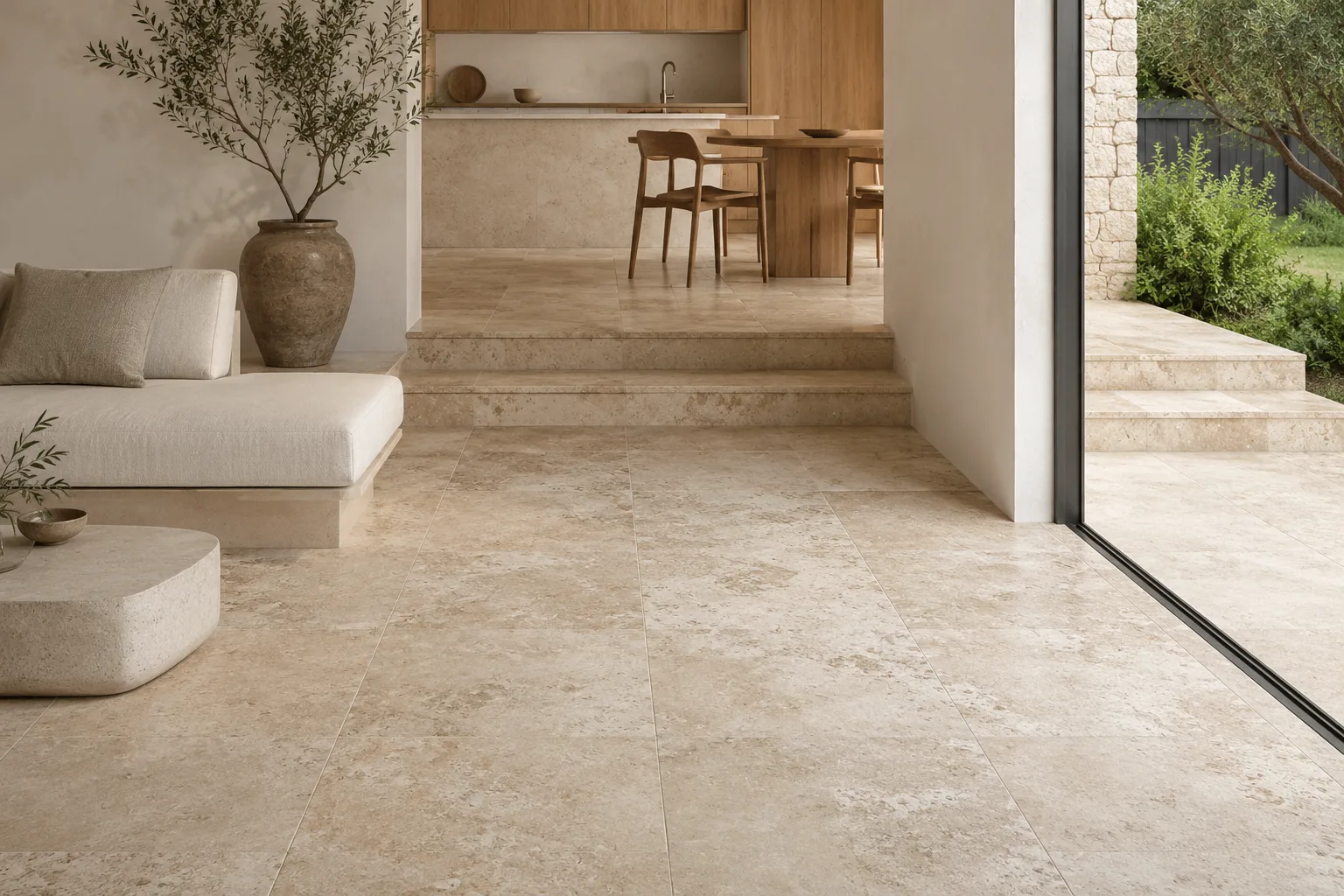
The good news is that you don’t need to abandon modern design to make your home feel cosier. Often, it comes down to balancing smooth, manufactured finishes with materials that have natural variation. Stone, timber, linen and wool can all soften a space. Even flooring choices such as GatherCo Travertine Tiles can introduce subtle differences in tone and texture that prevent a minimalist interior from feeling too uniform.
Bring in Natural Materials
One of the simplest ways to warm up a modern interior is to look to nature. Modern homes often feature plenty of glass, metal and painted surfaces, which can benefit from being balanced with materials that have visible texture and variation.
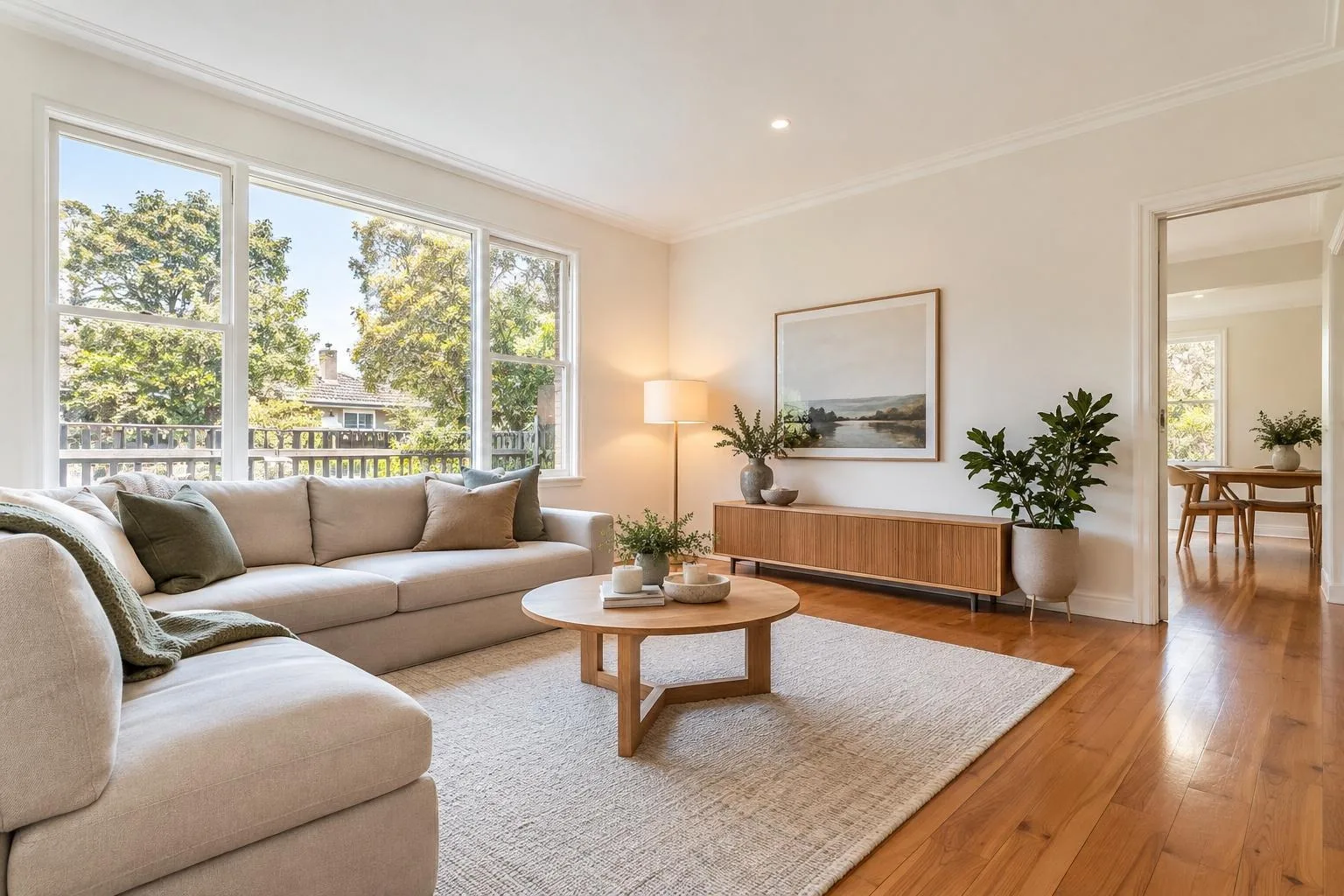
Timber furniture is an obvious option, but you can also introduce stone, woven fibres, leather and natural fabrics. You don’t need every surface to be natural, either. A timber coffee table, stone floor or linen curtains may be enough to change the overall feel of the room.
Layer Your Lighting
A single bright ceiling light can make even a beautifully decorated room feel harsh. Instead, think about lighting in layers.
Combine your main lighting with smaller sources positioned around the room. Depending on the space, that might include:
- Floor lamps beside sofas or armchairs
- Table lamps on sideboards
- Pendant lights above dining tables
- Small lamps on shelves or consoles
Warm-toned bulbs can also create a softer atmosphere, particularly in living rooms and bedrooms where bright task lighting isn’t always necessary.
Add Texture to Neutral Rooms
Beige, white, grey and other neutral shades don’t automatically make a home feel cold. The problem usually occurs when everything has a similar finish.
If your sofa is smooth, for example, add a chunky throw or textured cushions. A plain floor can be softened with a rug, while curtains can break up large expanses of bare walls and windows.
The aim isn’t to fill every available surface. A few contrasting textures can make a minimalist room feel much more comfortable without introducing clutter.
Don’t Make Everything Match
Perfectly coordinated interiors can sometimes feel strangely impersonal. Real homes naturally develop a mixture of pieces over time, and allowing some variation can give a modern space more character.
Try mixing new furniture with one or two older pieces, or combine slightly different timber tones rather than purchasing everything from the same range. Artwork, books and objects collected on holidays can also make a room feel lived in.
Use Colour Where It Has the Most Impact
You don’t need to paint your walls bright colours to introduce warmth. Smaller accents can make a noticeable difference.
Earthy greens, muted terracotta, warm browns and soft creams work particularly well with modern neutral palettes. Bring them in through cushions, artwork, rugs, ceramics or even indoor plants.
Create Spaces That Invite People to Stay
Ultimately, an inviting home isn’t just about how it looks. Think about how each room is actually used. Position seating so people can comfortably talk, make sure there’s somewhere convenient to put down a drink, and avoid arranging furniture purely for appearance.
Modern design works best when it combines simplicity with comfort. By introducing natural materials, varied textures, softer lighting and a little personality, you can keep the clean contemporary look while creating a home that genuinely feels good to live in.