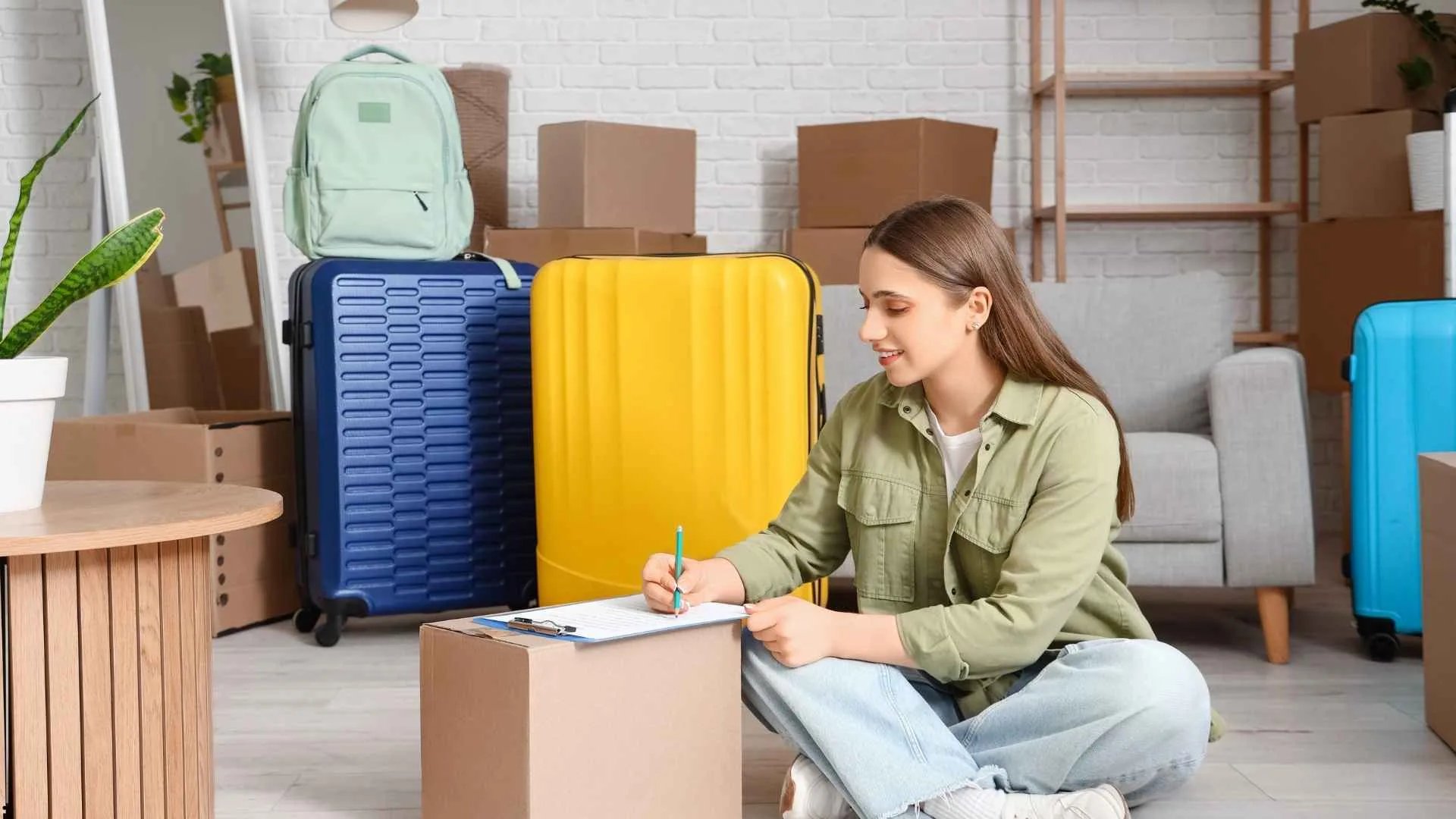
Moving to a new home takes planning. Packing is one of the biggest parts of the process. If you pack without a plan, you may end up with broken items, missing boxes, or a stressful moving day.
The good news is that packing becomes much easier when you work one room at a time. This approach helps you stay organized, protect your belongings, and unpack faster in your new home.
Whether you are moving across town or relocating within Greater Boston, this guide explains how to pack your home properly. It also covers when it makes sense to hire professional packers for extra help.
Packing Supplies Worth Buying Before You Start
Using the right packing materials can save time and protect your belongings during the move. Cheap or damaged boxes often cause problems, so it is worth buying quality supplies before you begin.
Here are the essentials:
- Small, medium, and large moving boxes
- Heavy-duty packing tape
- Bubble wrap
- Packing paper
- Stretch wrap for furniture
- Permanent markers
- Color labels or stickers
- Zip-top bags for hardware and small parts
- Furniture blankets
- Mattress covers
Choose small boxes for heavy items like books. Save larger boxes for lightweight belongings such as pillows, blankets, and clothing.
Keep a small toolkit nearby. You may need it to remove table legs, shelves, or bed frames while packing.
Start Packing Early
Many people underestimate how long packing takes. Waiting until the last few days creates unnecessary stress.
Begin by packing items you rarely use. These include:
- Seasonal decorations
- Extra linens
- Books
- Collectibles
- Guest room items
- Off-season clothing
Leave everyday essentials until the final days before your move.
Packing a few boxes every day is much easier than trying to pack an entire home in one weekend.
A Room-by-Room Packing Order That Works
Packing one room at a time keeps everything organized. It also makes unpacking much easier.
Guest Room
Start with rooms that are used the least.
Pack:
- Extra bedding
- Decorative items
- Guest clothing
- Spare furniture accessories
Label every box clearly with the room name.
Living Room
The living room often contains valuable electronics and decorative pieces.
Pack books first.
Wrap picture frames with packing paper and bubble wrap.
Use original boxes for televisions and electronics whenever possible. If you no longer have them, use sturdy boxes with plenty of protective padding.
Keep remote controls together in labeled bags.
Dining Room
The dining room usually contains fragile items.
Wrap each plate separately.
Stand plates vertically inside the box instead of stacking them flat.
Wrap glasses individually and fill empty spaces with packing paper to prevent movement.
Do not overload boxes with dishes. Heavy boxes are more likely to break.
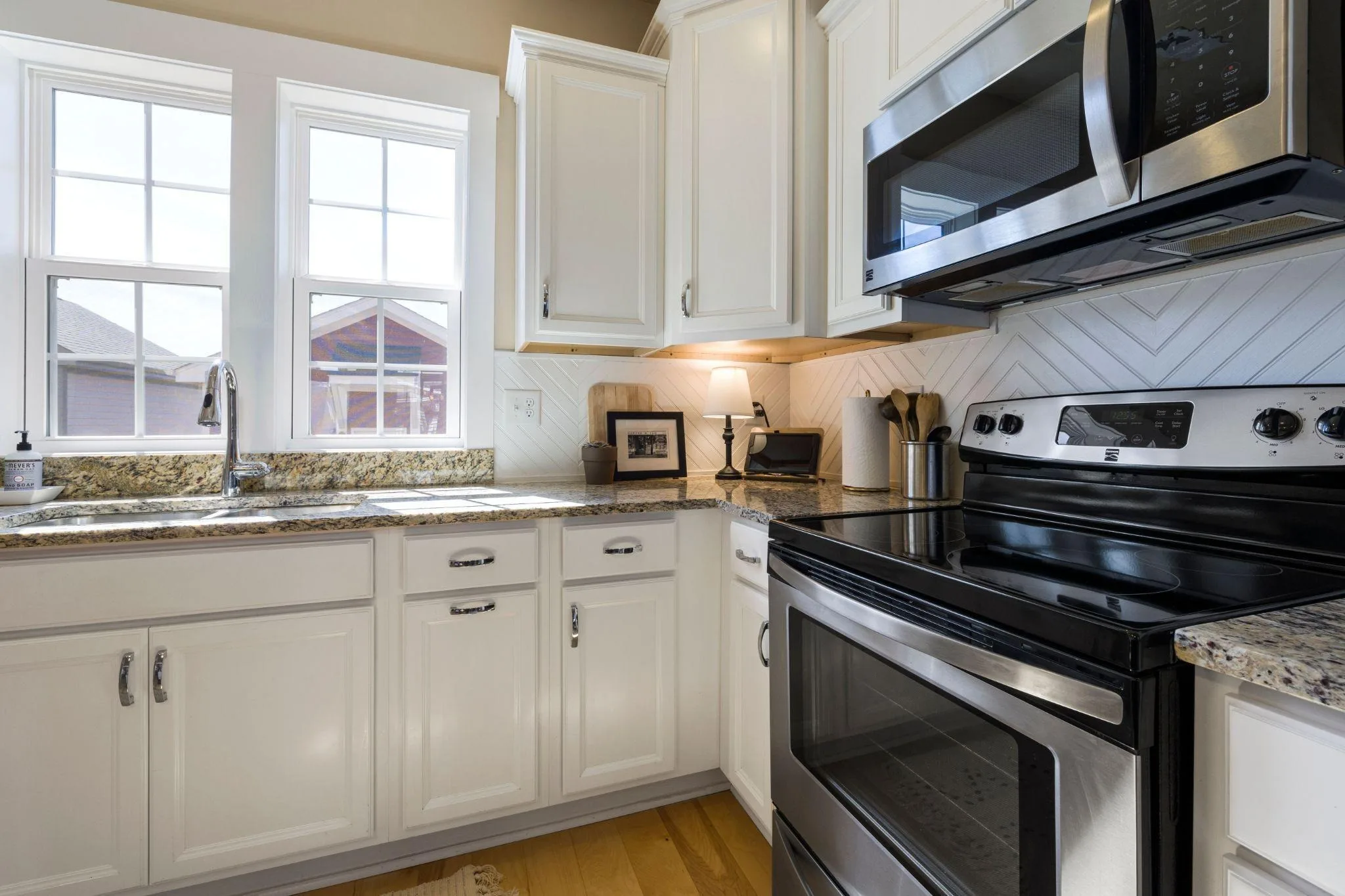
Kitchen
The kitchen usually takes the longest to pack.
Start with appliances you rarely use.
Next, pack extra cookware and serving dishes.
Leave your everyday dishes until the last few days.
Seal liquids carefully and place them inside plastic bags to help prevent leaks.
Dispose of expired food before moving.
Donate unopened pantry items if you do not want to transport them.
Bedrooms
Pack clothing by season.
Wardrobe boxes make it easy to move hanging clothes without removing them from hangers.
Use suitcases for shoes and folded clothing.
Place jewelry in separate containers to avoid tangles and scratches.
Keep important documents, passports, medications, and chargers with you instead of loading them onto the moving truck.
Bathroom
Bathrooms are usually quick to pack.
Throw away expired medications and empty containers.
Seal toiletries inside plastic bags before boxing them.
Pack towels around fragile bathroom accessories for extra protection.
Leave enough supplies for your final day in the home.
Garage, Basement, and Storage Areas
Finish with storage spaces.
These rooms often contain tools, sports equipment, and seasonal items.
Drain gasoline from lawn equipment if necessary.
Bundle extension cords and label them.
Pack sharp tools carefully to prevent injuries.
These areas often collect forgotten belongings, so allow extra time for sorting and decluttering.
How to Protect Fragile and High-Value Items
Some belongings require extra attention.
Always wrap fragile items individually.
Fill empty spaces inside boxes so items cannot shift during transport.
For artwork and mirrors:
- Use corner protectors.
- Wrap with moving blankets.
- Place inside specialty mirror boxes if available.
For electronics:
- Take photos of cable connections before disconnecting everything.
- Store cables in labeled bags.
- Keep accessories together.
Family heirlooms, antiques, collectibles, and sentimental belongings deserve additional care. If you are unsure how to pack them safely, professional packing assistance can reduce the risk of damage.
Label Every Box Clearly
Good labeling saves hours when unpacking.
Every box should include:
- Room destination
- Brief description of contents
- Whether it contains fragile items
For example:
Kitchen – Coffee Mugs – Fragile
Using different colored labels for each room makes unloading much faster.
You can also number every box and create a master inventory list.
Example:
- Box 1 – Kitchen
- Box 2 – Living Room
- Box 3 – Main Bedroom
This simple system helps you quickly identify missing boxes after the move.
Taking photos of valuable belongings before packing also creates a useful record of their condition.
Create an Essentials Box
Your first night should not involve searching through dozens of boxes.
Pack one essentials box containing:
- Toiletries
- Phone chargers
- Basic kitchen supplies
- Paper towels
- Medications
- Snacks
- Cleaning supplies
- Change of clothes
- Important paperwork
Keep this box with you instead of placing it on the moving truck.
When Hiring Professional Packers Makes Sense
Many homeowners pack everything themselves. However, there are situations where professional packing services are worth considering.
Hiring experienced packers can be especially helpful if:
- You have a large home.
- You are moving on a tight schedule.
- You own many fragile or valuable items.
- You are relocating while managing work or family responsibilities.
- You want to reduce packing stress.
If you are planning a move within Greater Boston, working with experienced professional packing services in Boston can help streamline the packing process and ensure belongings are packed efficiently before moving day.
Even if you choose partial packing assistance for only your kitchen, artwork, or fragile items, it can save significant time and reduce the chance of accidental damage.
Final Thoughts
Packing a home does not have to feel overwhelming. The key is to start early, use quality packing supplies, and work through your home one room at a time.
Protect fragile belongings carefully, label every box clearly, and keep an organized inventory throughout the process.
For homeowners and renters throughout Greater Boston, thoughtful planning can make moving day much smoother. And when your schedule is limited or your home contains delicate belongings, professional packing support can be a practical solution that helps simplify the entire move.