Ninety percent of the homes I walk past have a roof and a facade that were chosen by two different people at two different times, and it shows. The roof was replaced after a hailstorm. The siding went up a decade earlier. Nobody ever stood back and asked whether the two materials actually belong in the same photograph.
If you are planning an exterior project, you have a real chance to fix that. The goal is to pick a roof material and a facade material that age at similar speeds, share a color temperature, and suit the weather where you live. Get those three things right and your house looks intentional. Get them wrong and it looks like a series of repairs, no matter how much you spent.
Start With the Question Most Homeowners Skip
Which material will still look good in twenty years, and which one will look dated in five? That is the question that should drive everything else, and almost nobody asks it. If you want one section that ties roof and facade together, it is this one.
Then think about climate. Where I live, the temperature swings hard between January and July, and that matters more than any color swatch. According to the Department of Energy, heating and cooling account for roughly half of a typical home’s energy use, so anything that reduces heat gain or loss through the exterior shell pays you back slowly over time. A dark roof in a hot climate works against you. A light roof in a cold one gives up free warmth.
Here is the part people resent hearing: the cheapest material is rarely the cheapest decision. Asphalt shingles cost the least up front. They also get replaced two or three times in the span a slate or standing seam metal roof lasts. Ask any roofer who has torn off the same house twice.
Roof Materials, Ranked by How They Actually Behave
You will find a hundred comparison charts online. Most of them are written by people selling one product. Here is the version I would give a friend.
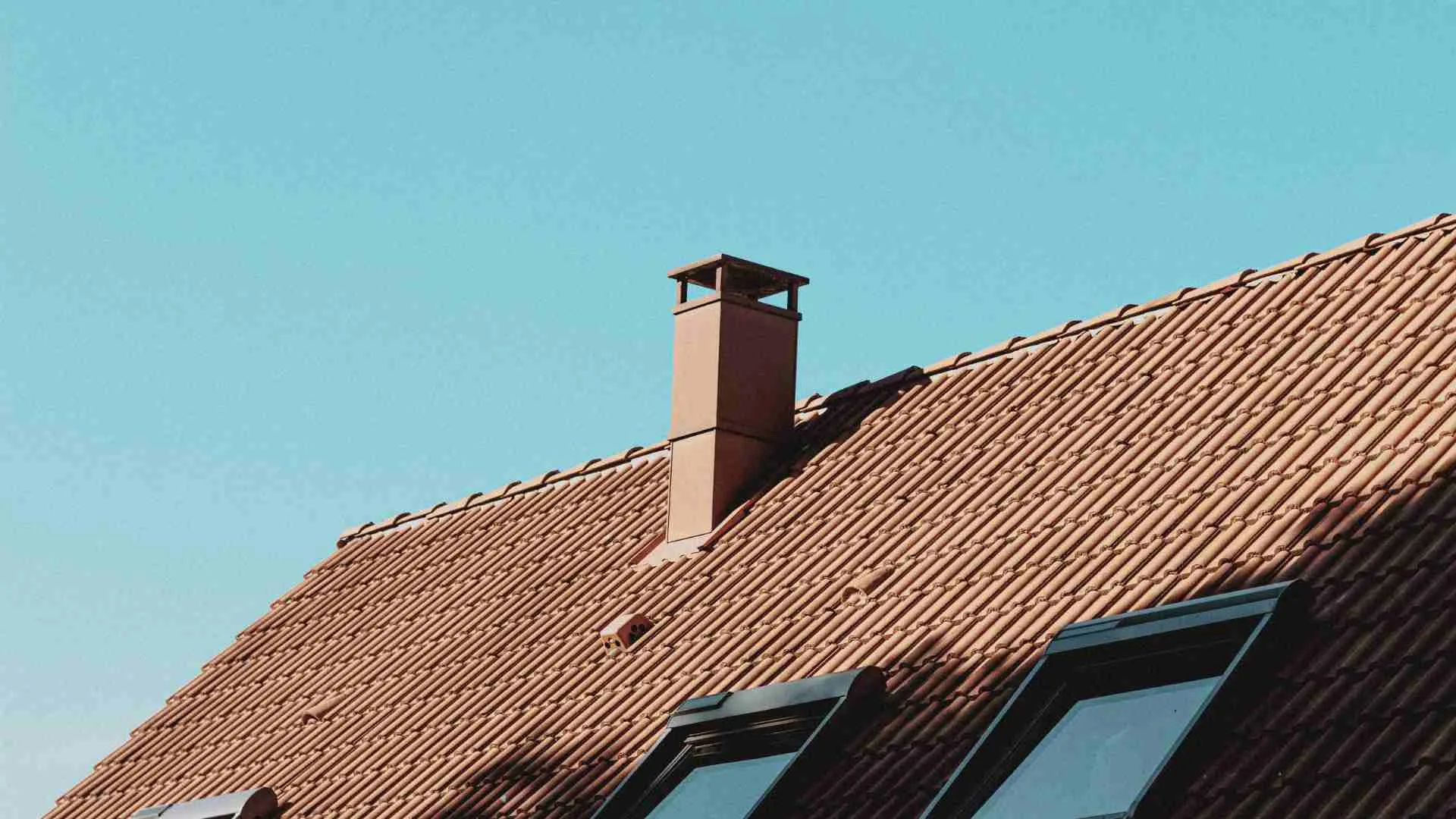
- Asphalt shingles. Cheap, fast to install, easy to repair. They go flat and grainy in the sun, and no amount of architectural styling hides that after a decade.
- Standing seam metal. Expensive, but it has clean vertical lines that make a plain facade look sharper. Loud in rain unless there is solid decking underneath.
- Clay and concrete tile. Heavy. You may need structural work before the roofer starts, and that surprise line item ruins budgets.
- Slate. The one people photograph for magazines. Also the one that makes contractors disappear when you call for a repair quote.
- Flat membrane systems. Standard on low-slope commercial buildings, and increasingly common on modern residential additions with flat sections.
If you own a small commercial building rather than a house, the calculus shifts. Sloped curb appeal matters far less than membrane lifespan and how quickly a leak gets fixed, which is why building owners searching for commercial roof installation are usually comparing warranties and drainage details rather than color palettes.
Facade Materials and Their Honest Tradeoffs
Facade choices get romanticized in a way roofing never does. Everyone has a friend who loves their brick. Fewer people mention the pointing work brick needs every few decades, or what a single cracked board does to a fiber cement panel.
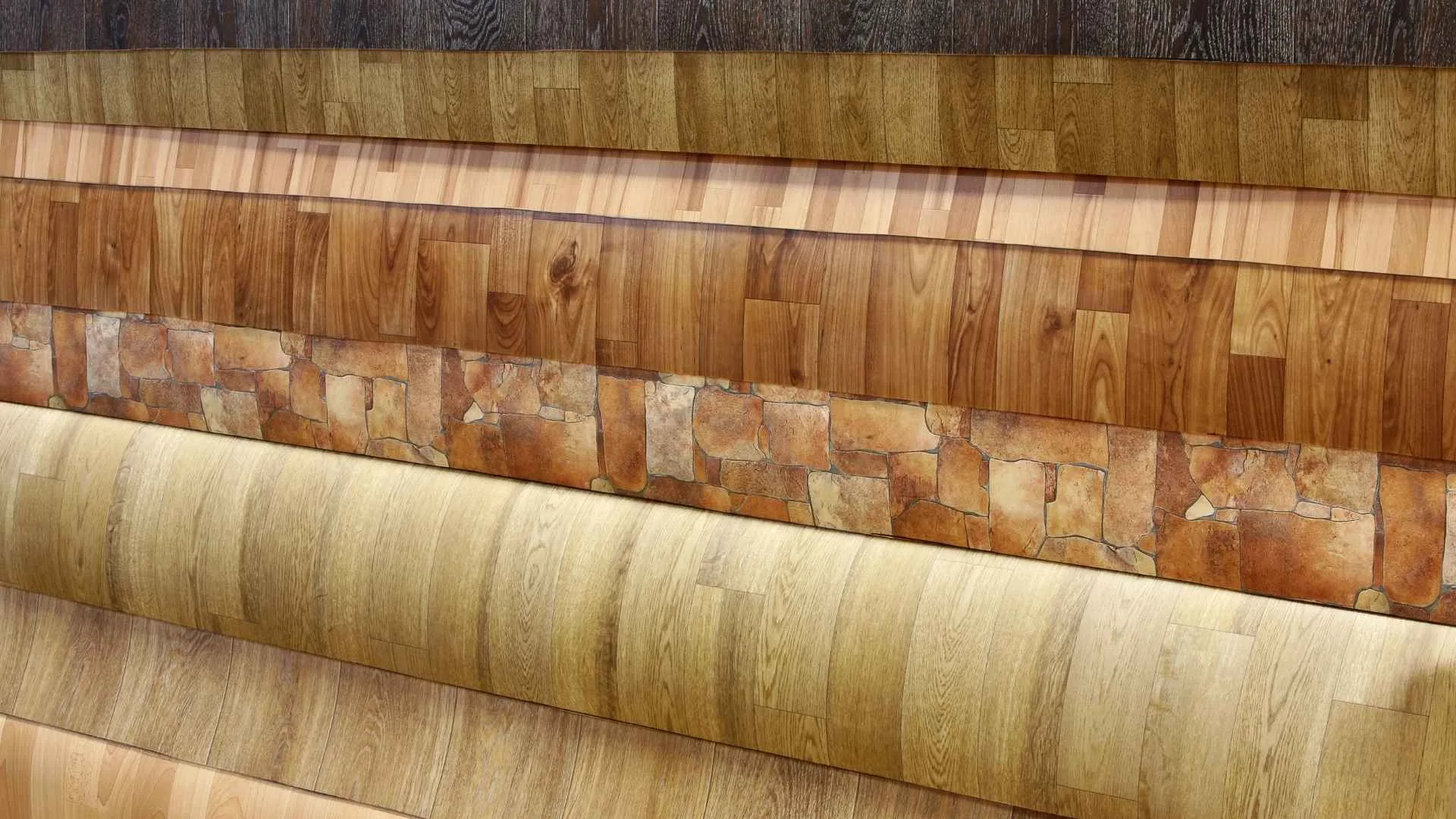
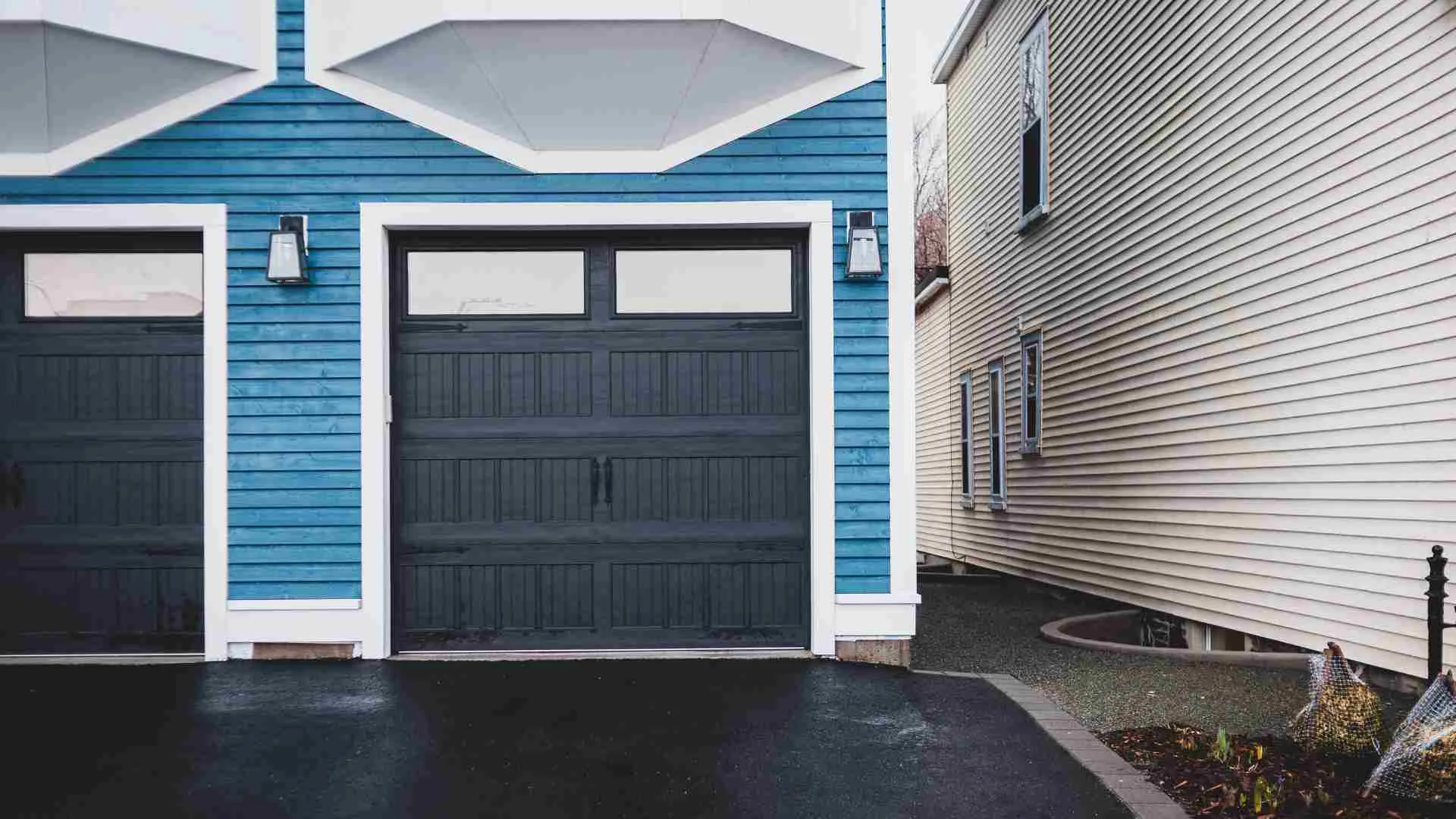
Brick and stone are permanent in a way almost nothing else is, and they age by weathering rather than failing. Fiber cement holds paint longer than wood and fake wood grain has gotten genuinely convincing. Vinyl is cheap and easy and looks it up close within about five years. Wood is beautiful, high maintenance, and honest about both. Stucco performs brilliantly in dry climates and badly in wet ones, and no amount of clever detailing fixes that.
For a sense of how much of the housing stock carries these materials, the Department of Housing and Urban Development publishes housing data covering construction and renovation across the country. It is dry reading, but it confirms what you already suspect: the most common exterior materials are common because they are cheap and repairable, not because they are beautiful.
The Pairing Rules I Actually Use
Three rules, learned the slow way, and I have not found a better set yet.
- Match texture, not color. A smooth facade and a heavily textured roof fight each other. A rough brick wall and a smooth standing seam roof cooperate.
- Keep the same color temperature. Warm browns and terracottas belong together. Cool grays and blacks belong together. Mixing the two is the most common mistake I see, and it reads as an accident from the street even when nobody can say why.
- Let the roof sit one shade darker or lighter than the facade, not a full step away. Small separation reads as design. Large separation reads as a panel swap.
If you want the safest pair that survives trending cycles, it is a mid-tone facade with a dark neutral roof in the same temperature family. Boring, and it works in twenty years. That is my pick, and I will take boring over fashionable every time.
A Quick Checklist Before You Sign Anything
Run through this before a crew touches your house, and you will avoid most of the expensive regrets.
- Look at the roof and facade from the street, at noon and again at dusk. Material relationships change with light, and dusk exposes undertones you cannot see at midday.
- Ask for the full system, not the top layer. Underlayment, flashing, and ventilation get skipped in budgets more often than the shingles do.
- Get three quotes and compare what is excluded, not just what is included.
- Confirm how the new roof drains where it meets the facade. That junction is where water damage starts.
- Check whether the contractor’s certifying body publishes installation standards. The General Services Administration maintains facility standards for federal buildings, and those documents are the closest thing to a neutral reference for how long different exterior systems are expected to perform.
- Photograph the house from three angles before work begins. You will want those photos during the walkthrough.
What Actually Goes Wrong
A reader named Dana sent me photos of a renovation that had gone sideways. She had chosen a beautiful warm gray standing seam roof and a limestone facade with cool blue undertones. Both products were excellent. Together, in afternoon light, the house looked slightly ill. We fixed it with paint on the trim and a warmer stain on the front door, a cheap correction to an expensive mismatch.
I call that the temperature drift problem, mostly because it keeps me from feeling like an idiot for missing it the first time. Roof and facade are chosen months apart, often from different showrooms under different lighting, and warm and cool drift apart without anybody noticing until the house is finished.
So here is your move. Pick one material first, photograph it in daylight, and carry that photo to every other selection. Sounds fussy. Takes an afternoon. Saves a remodel.