
Embarking on a major home renovation can be both exciting and a little daunting. Whether you’re making updates to add value, increase comfort, or refresh your home’s look, it’s crucial to take smart steps before the first day of demolition. Effective preparation helps protect your space, ensures safety, and keeps your project on schedule. Thorough planning, from organizing your belongings to securing permits and coordinating logistics like dumpster rental, can make all the difference.
Carefully preparing your home not only helps avoid stress and unexpected costs but also protects valuable items and allows your contractor to work more efficiently. By understanding each stage of preparation, you’ll make the renovation process as smooth as possible for you, your family, and your renovation team. This comprehensive guide outlines the essential steps to get your home ready for a renovation.
Develop a Comprehensive Plan
The foundation of every successful renovation project is a solid plan. Begin by outlining the full scope of your renovation, including which spaces will be affected and what specific changes will be made. Break the project into phases to make it more manageable, and create a detailed timeline for each stage. Calculate a realistic budget and include a contingency fund, typically 10% to 20%, to cover any unforeseen expenses that may arise.
Project planning helps align your vision and expectations with your contractor’s approach and timeline. Communicating your goals clearly can reduce unnecessary delays and surprises. HGTV points out that the better you understand your goals and limitations, the more satisfied you’ll be with the process and the final result.
Declutter and Organize
Before any demolition or construction begins, clear out the areas scheduled for renovation. Removing clutter and non-essential items not only protects your belongings but also helps contractors access parts of your home more easily. Take the opportunity to sort through items and donate or sell anything you no longer use. As Kiplinger recommends, approach decluttering in manageable sections to avoid feeling overwhelmed.
Secure Necessary Permits
Permits are essential for any renovations that alter the structure or utility systems in your home, such as electrical, plumbing, or major structural changes. Skipping this step can result in costly fines or problems during future home sales. Consult with your contractor and check with your local building authority to determine which permits are required for your project and to ensure all work meets code standards. The permitting process can take several weeks, so starting early is critical.
Protect Your Belongings
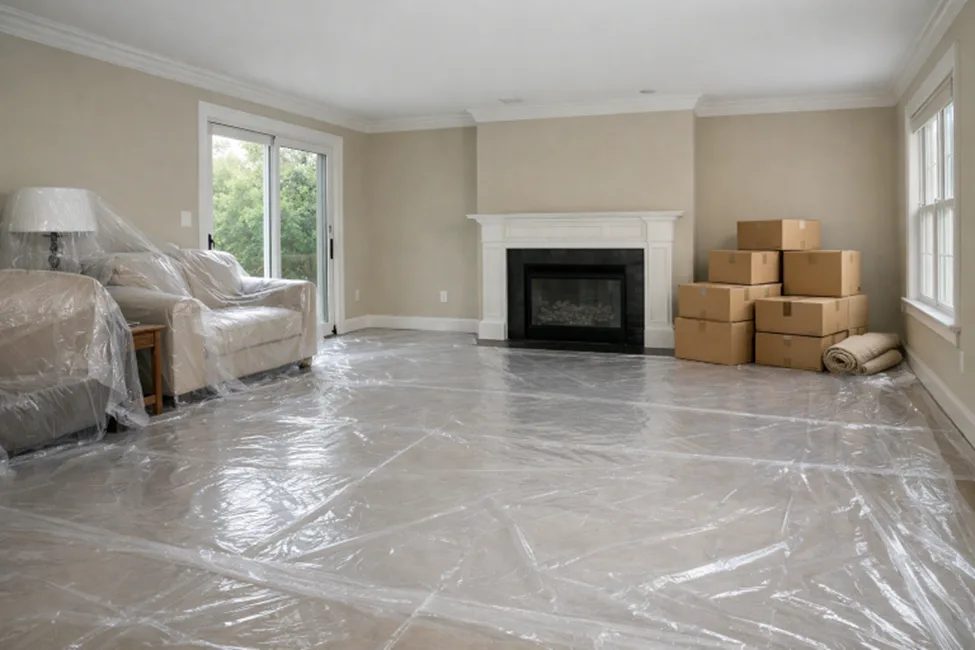
Dust, debris, and potential damage are part of nearly any renovation. Move smaller valuables and furniture away from work zones, and use heavy-duty plastic sheeting or drop cloths to cover pieces that cannot be relocated. For larger-scale projects, consider short-term storage or renting a shipping container for secure on-site storage outside your home. Architectural Digest suggests taking inventory of your belongings first and securely storing irreplaceable or fragile items.
Establish Temporary Living Arrangements
Depending on the extent of your remodel, you may need to relocate or adapt your daily routines temporarily. For instance, if your kitchen will be inaccessible, set up a temporary food prep area with a microwave, mini fridge, and small appliances in another room. If major work is being done in bathrooms or bedrooms, consider whether family or friends can accommodate you or if you need to book a short-term rental. Planning limits stress and helps everyone remain comfortable during construction.
Ensure Home Security
With numerous workers, deliveries, and lock changes happening throughout a renovation, your home’s security protocols should be reviewed and strengthened. Store jewelry, prescription medications, and important documents in a safe or off-site location. Evaluate whether temporary security cameras or smart locks are warranted. Discuss and coordinate entry procedures with your contractor so you can track who is coming and going at all times. For security tips tailored to home renovations, consider This Old House’s advice: always keep valuables locked away, and more on keeping your home secure during renovations.
Communicate with Your Contractor
Consistent and open communication is essential throughout the renovation process. Set expectations for regular check-ins and ask questions about the timeline, daily work hours, and any construction-related concerns as they come up. Addressing issues promptly prevents miscommunication and helps keep your project on track. Document important discussions and decisions for reference later.
Prepare for the Unexpected
Renovations rarely proceed exactly as planned. Surprises such as hidden water damage, supply chain delays, or changes in the renovation scope are common. Remain flexible by budgeting extra funds and building in time buffers within your project plan. Being prepared for unexpected setbacks helps reduce stress and increases the likelihood of a successful renovation experience.
Proper planning and organization are the keys to a successful home renovation. Taking thoughtful steps to prepare your home will not only protect your investment but also ensure a smoother, less stressful process from beginning to end.