Starting over in a new home is one of those experiences that feels exciting and exhausting at the same time. There is the promise of a fresh space, new routines, and a chance to set things up the way you have always wanted them. There is also the reality of packing up an entire life, keeping track of a hundred small details, and arriving somewhere unfamiliar with boxes stacked in every room. Most of the stress people feel during a relocation does not come from the move itself. It comes from trying to handle everything at once without a clear plan. With a little structure and a realistic sense of what the process demands, the whole thing becomes far easier to manage.
Making the Change Feel Manageable
Every fresh start comes with a long list of tasks that have to be finished in a short window of time, and most people underestimate how much energy that list quietly takes. Arranging a moving crew is often the part that causes the most worry, because a poor choice can turn a tiring week into a genuinely difficult one. Working with trained professionals who handle relocations every day removes the heaviest part of the job from your shoulders. Many families find that experienced movers bring the planning, equipment, and steady pace that keep the day running the way it should.
Sorting Through What You Own Before You Go
The single most useful thing you can do before a relocation is reduce the amount of stuff you are taking with you. Every item you keep has to be wrapped, carried, transported, unloaded, and then found a place in the new house. Go room by room and be honest about what you actually use. Clothes that no longer fit, appliances that have sat unused for years, and furniture that never suited the space are all easier to part with now than they will be later. Donate what is still in good condition, sell what has value, and throw out what is simply taking up room. Arriving with less means unpacking faster and settling in sooner.
Building a Simple Plan for the Weeks Ahead
A relocation goes much more smoothly when it is spread out rather than crammed into the final few days. Give yourself a rough timeline that starts several weeks before the date and breaks the work into small, specific jobs. One week can be for sorting and donating. Another can be for handling paperwork, transferring utilities, and updating your address with banks, employers, schools, and anyone else who needs to know.
Packing in a Way That Helps You Later
Good packing is not just about protecting your belongings. It is about making the first days in your new place easier. Keep items from the same room together instead of mixing them, and label every box on more than one side so you can read it no matter how the boxes are stacked. A short note about what is inside saves far more time than a single word like “kitchen.” Pack heavy things in small boxes and light things in larger ones so nothing becomes awkward to lift. Set aside a separate bag with the things you will want immediately, such as toiletries, a change of clothes, phone chargers, medication, and basic tools. That one bag can spare you from tearing through a dozen boxes on the first night.
Setting Up the Essentials on the First Day
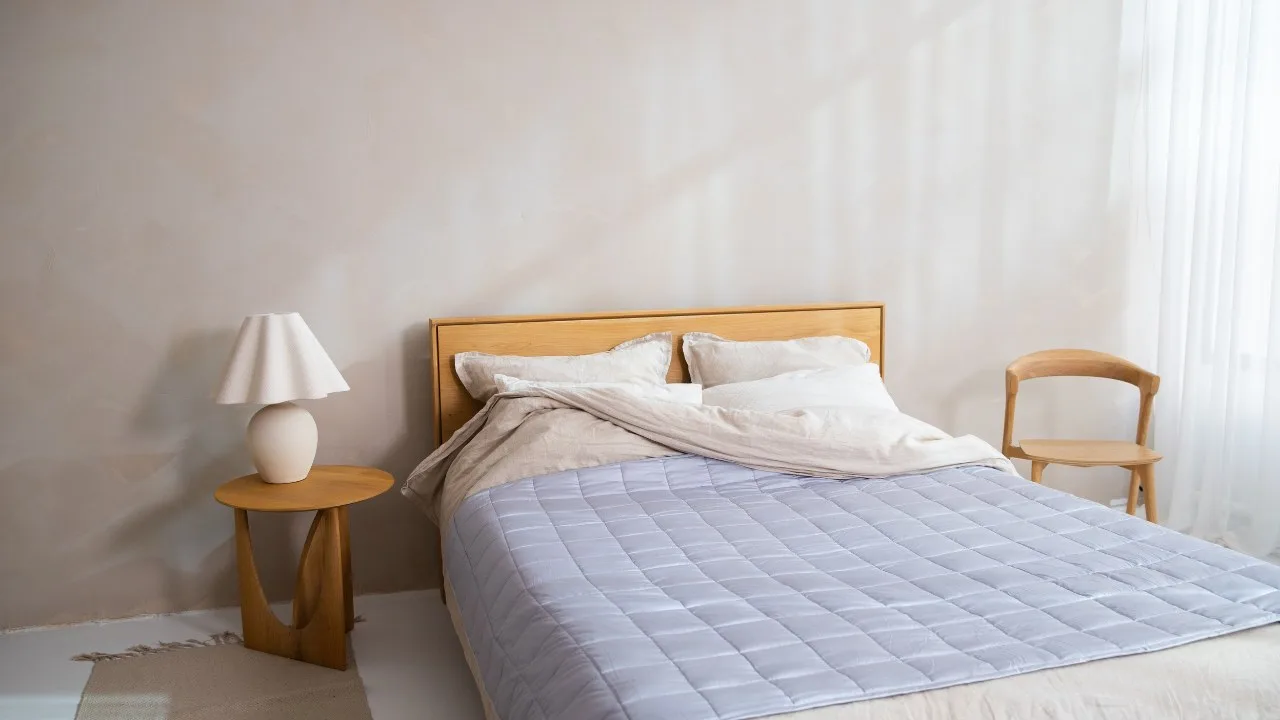
Once you arrive, resist the urge to unpack everything at once. Focus instead on the handful of things that make a house livable. Get the beds assembled and made, because a comfortable place to sleep matters more than a tidy living room. Set up the bathroom with towels and basic supplies. Put together enough of the kitchen that you can make coffee in the morning and a simple meal at night. Check that the internet, heating, and hot water are all working before the day ends. When those basics are in place, the rest of the unpacking can happen at whatever pace suits you.
Giving Yourself Time to Adjust Emotionally
A relocation is a practical task, but it is also a personal one. Leaving a familiar place often brings a surprising amount of sadness, even when the change is a positive one. You may find yourself missing a neighbor, a favorite route, or the way light came through a certain window. That feeling is normal, and it usually fades as the new place begins to feel like yours. Be patient with yourself and with anyone else in the household. Children in particular tend to need time and reassurance, and letting them arrange their own rooms early on can help them feel some ownership of the change.
Learning Your Way Around a New Neighborhood
Familiarity is what turns an unfamiliar address into a home, and it builds faster than most people think. Walk the surrounding streets in the first week rather than driving everywhere. Find the closest grocery store, pharmacy, gas station, and park, and note how long each takes to reach. Try a local restaurant instead of ordering from a chain you already know. If there is a community group, gym, or library nearby, stopping in once early on makes returning much easier. Small discoveries like these accumulate quickly, and within a month the area stops feeling foreign.
Looking Ahead to Your New Chapter
Relocating is demanding, but it is also one of the few moments when you get to reset how you live. You choose what comes with you and what stays behind, how each room is arranged, and which habits you carry into the next stage. Approached with a plan and a reasonable amount of patience, the process stops being something to survive and becomes something to look forward to. Give it a few weeks, keep the essentials in order, and the new place will feel like yours before you expect it to.