Ensuring proper airflow in your home is crucial for maintaining a healthy living environment. Passive ventilation offers a natural and energy-efficient way to enhance indoor air quality, reduce moisture buildup, and promote overall well-being. To discover practical steps that homeowners can take to improve their home’s natural airflow and harness these benefits, learn how to maximize natural airflow early in your planning process.
Passive ventilation uses natural wind and temperature differences to exchange stale indoor air for fresh outdoor air, requiring no electricity or mechanical systems. This eco-friendly approach not only enhances health but also reduces energy costs and prolongs a home’s lifespan by tackling moisture and indoor pollutants, driving increased adoption of passive design principles by homeowners and architects.
Understanding Passive Ventilation
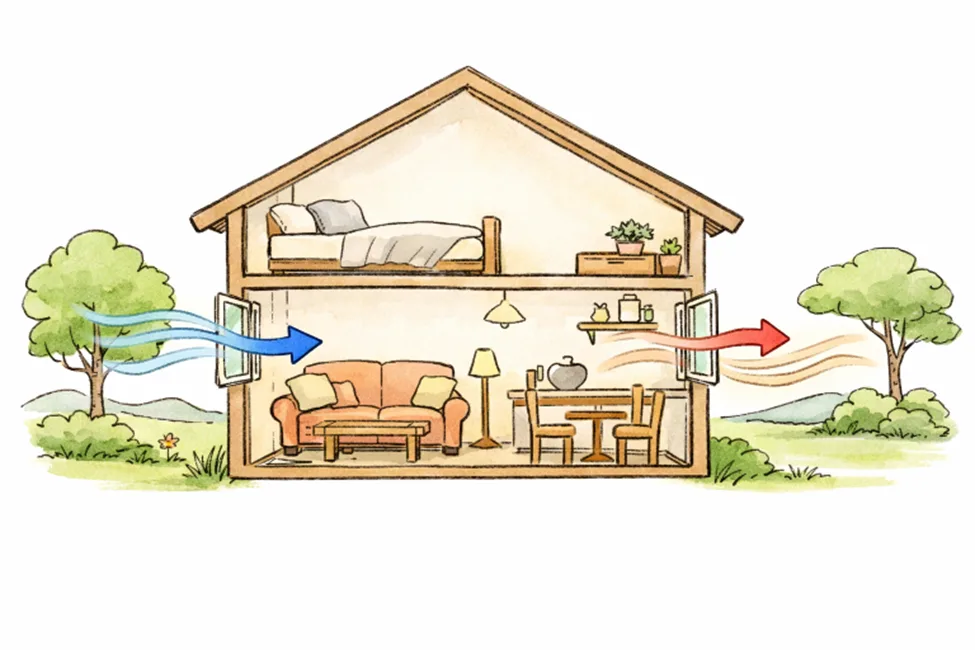
Passive ventilation operates through two central principles: wind-driven ventilation and stack effect. Wind-driven ventilation occurs as breezes push fresh air through the house, while the stack effect relies on the natural upward movement of warm air to draw air through the structure. By strategically opening windows, vents, and ducts, you foster a continuous exchange of indoor and outdoor air.
This approach plays a fundamental role in meeting building codes for air exchange and is a well-established green building strategy. As highlighted by the U.S. Department of Energy, passive design strategies reduce the demand on heating and cooling systems and help maintain ideal living conditions year-round.
Benefits of Passive Ventilation
- Improved Air Quality: Passive systems keep air circulating, reducing allergens, pollutants, and unpleasant odors. The continuous influx of fresh air results in a noticeably cleaner indoor environment.
- Moisture Control: Stagnant air and high humidity create a breeding ground for mold and mildew. Passive ventilation helps remove excess moisture, reducing the risk of these problems.
- Energy Efficiency: Because passive ventilation relies on natural airflow rather than fans or HVAC units, homes that use these techniques consume less energy, resulting in lower utility costs for residents.
Long-Term Value and Sustainability
Investing in passive ventilation significantly enhances a home’s long-term value by attracting environmentally conscious buyers and by complying with sustainability standards such as LEED or Passive House certifications. A well-designed ventilation system serves as a selling point, reflecting a commitment to both sustainability and occupant health. As energy prices fluctuate, properties that use passive ventilation are more resilient and cost-effective over time because they rely less on mechanical systems. Furthermore, adopting passive ventilation at the community level fosters sustainability, yielding cumulative benefits such as reduced strain on municipal power grids and improved indoor air quality, both crucial as cities aim to lower carbon footprints and encourage green development.
Designing for Effective Passive Ventilation
- Strategic Placement of Openings: Doors, windows, and vents should be positioned to maximize cross-ventilation. Place them on opposite or adjacent walls to create clear airflow paths.
- Use of Architectural Features: Features like clerestory windows, transom windows, skylights, and vented soffits can amplify passive airflow by providing higher or lower exhaust points for moving air.
- Orientation and Layout: The building layout, including the placement of living spaces and the overall orientation to prevailing winds, will determine how effectively natural forces can drive air through the property.
- Consideration of Interior Barriers: Interior partitions, heavy furniture, and closed doors can disrupt natural air pathways. Open layouts and thoughtfully placed openings between rooms help foster a more complete ventilation strategy.
- Blending with Landscaping: Landscape elements such as hedges, fences, and trees can affect airflow around your home. With strategic planting and pruning, you can encourage breezes to direct more fresh air toward window openings, boosting passive ventilation efficiency.
Challenges and Considerations
- Climate Variability: Effectiveness can change dramatically depending on the regional climate. In areas with extreme seasonal changes, a supplemental mechanical system may sometimes be necessary.
- Air Quality Concerns: If outside air is polluted by nearby traffic or industry, filtration should be integrated to protect indoor quality while still allowing fresh airflow.
- Building Airtightness: Excessive sealing can stifle airflow. It is important to strike a balance between insulation for energy efficiency and adequate ventilation for indoor air quality.
- Maintenance Needs: Screens, vents, and other components in passive ventilation systems should be kept clean and clear of obstructions such as dust, debris, or insect nests. Regular inspection helps ensure optimal function and helps prevent issues from developing unnoticed over time.
Integrating Passive Ventilation in Existing Homes
- Installing Vented Soffits: Adding vented soffits at the eaves allows air to circulate in the attic, reducing heat and moisture buildup and protecting the roof and attic contents.
- Adding Operable Windows: Retrofitting with new or improved windows that are easy to operate lets homeowners control airflow based on weather and seasonal needs.
- Utilizing Ventilation Grilles: Placing grilles on interior doors or walls encourages air to move freely between rooms, helping to prevent the buildup of stuffy, stale air in interior spaces.
- Leveraging Window Coverings: Curtains, blinds, and shades can be strategically used to direct cross-ventilation or prevent unwanted heat gain during the hottest parts of the day, further optimizing the efficiency of passive systems.
Conclusion
Adopting passive ventilation is one of the smartest steps toward a healthier, more comfortable, and energy-efficient living space. Through careful design, strategic upgrades, and an understanding of natural airflow strategies, homeowners can transform their environments to enjoy cleaner air and lasting peace of mind.