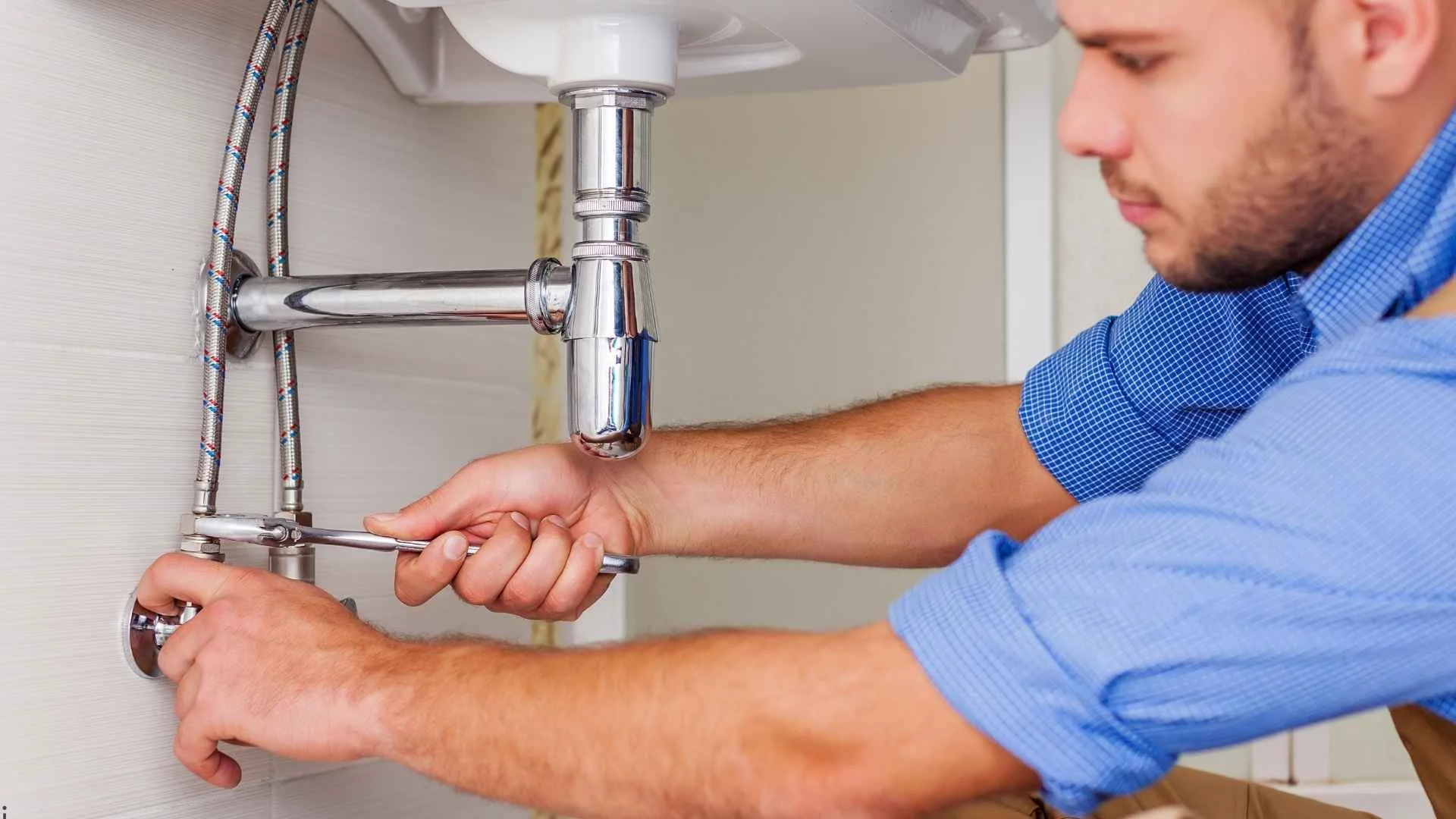
Nobody frames a beautifully tiled bathroom wall and then captions it “also, the drain runs perfectly.” But here’s the truth: flawless decor and invisible plumbing are the same goal wearing different clothes. The moment a slow drain or a mystery drip shows up, your styled space stops being a backdrop and starts being a problem you’re too embarrassed to photograph.
Good plumbing maintenance is really just good home design thinking applied below the surface. Keep the pipes quiet, and the candles, the textiles, and the custom millwork get to do their job undisturbed.
What “Invisible Plumbing” Actually Means
The Invisible Plumbing Rule is straightforward: your plumbing should only come to mind during a renovation, never during daily life. The moment you hear a gurgle, smell something sour from the kitchen sink, or watch water pool around your feet in the shower, the system has broken its agreement with you. It’s no longer invisible.
For anyone who spends real time and money building a home that feels considered and calm, that’s a painful contradiction. A slow drain in a spa-inspired bathroom doesn’t just inconvenience you. It changes how you experience the whole room. The scent, the visual calm, the sense that everything is working together, all of it gets disrupted by a clog you could have prevented.
The good news is that most plumbing problems announce themselves slowly. A gurgle is a warning, not a crisis. Acting at the gurgle stage keeps the problem small, cheap, and entirely off your radar within 24 hours.
The Real Cost of Ignoring a Slow Drain
Most homeowners don’t call anyone until a drain is fully blocked. That’s a shame, because the gap between “slightly slow” and “standing water” is also the gap between a routine fix and a much bigger bill.
Consider a real scenario: you’ve just finished a primary bathroom renovation. New walk-in shower, floor-to-ceiling marble tile, a freestanding tub with brushed bronze hardware. The drain was installed correctly. But grease from hair products, soap scum, and mineral buildup start accumulating quietly inside the line over the first six months. You notice the shower is slow to drain. You ignore it for another two months. By the time you call someone, the blockage is deep enough in the line to require hydro jetting rather than a basic snake, and the water that sat too long has crept under a grout joint and started working on your subfloor. Now your $12,000 renovation has a problem that costs more than the tile to fix.
That scenario plays out in thousands of homes every year. According to the U.S. Environmental Protection Agency’s WaterSense program, the average family can waste 9,400 gallons of water annually from household leaks alone , and most of those leaks start as subtle drips and slow-running fixtures that homeowners learn to live with. The EPA’s Fix a Leak Week data makes clear that fixing easily corrected household water leaks can save homeowners about 10 percent on their water bills. The savings from acting early are real.
What Professional Plumbers Actually Do (and When You Need One)
There’s a divide between what a drain strainer and a monthly hot-water flush can handle and what genuinely requires a licensed technician with proper equipment. Knowing the difference saves you money on both sides: you won’t buy a chemical drain cleaner that damages your pipes, and you won’t let a structural problem fester because you assumed it would resolve itself.
Here’s a practical breakdown of when to call versus when to handle it yourself:
| Symptom | Likely Cause | DIY or Pro? |
| Single drain slightly slow | Surface-level soap or hair buildup | DIY: strainer + hot water flush |
| Single drain fully blocked | Deep clog in branch line | Pro: mechanical snake or auger |
| Multiple drains slow at once | Main line blockage or partial obstruction | Pro: camera inspection + cleaning |
| Gurgling sounds from toilet after sink drains | Venting problem or main line issue | Pro: diagnostic required |
| Recurring clog in same drain | Structural issue (root intrusion, pipe sag) | Pro: camera inspection to identify cause |
For professional drain cleaning service, make sure whoever you hire is licensed in your state. The U.S. Bureau of Labor Statistics reports that the plumbing trade is growing steadily, with the median annual wage for plumbers reaching $62,970 in May 2024 , which reflects genuine skill and training requirements. The BLS Occupational Outlook Handbook notes that most states and localities require plumbers to be licensed, and most require workers to pass an exam demonstrating knowledge of the trade and local plumbing codes before working independently. That licensing matters when someone is working inside the walls of a home you’ve spent real money on.
For homeowners in northern New Jersey, having a reliable local company on speed dial is smarter than hunting for someone during an emergency. Professionals who specialize in drain cleaning can diagnose blockages quickly, often with a camera inspection, so you know exactly what you’re dealing with before any work starts.
A Seasonal Maintenance Checklist That Actually Works
Most plumbing problems follow a seasonal rhythm. Grease clogs peak in late fall when cooking ramps up. Hair clogs in bathroom drains worsen in winter, when longer hot showers are the norm. Root intrusion into exterior lines tends to surface in spring, when tree roots are actively growing toward moisture. Building a maintenance habit around that rhythm is the simplest thing you can do to protect your home.
Run through this checklist four times a year:
- Check every drain in the house for sluggishness. A drain that’s slightly slow in March is fully blocked by June.
- Pull the stopper from your bathroom sinks and tub drains and clear any visible buildup. Hair and soap form a plug faster than most people realize.
- Pour boiling water slowly down your kitchen sink drain once a month. It dissolves grease before it hardens against the pipe wall.
- Look under every sink cabinet for moisture, soft spots on the cabinet floor, or rust rings on the drain collar. Those are early signs of a slow leak.
- Check the caulk around your tub, shower pan, and toilet base. Cracked caulk lets water into the subfloor long before you see any surface damage.
None of these steps take more than 20 minutes combined. They’re unglamorous, but they’re the reason some homeowners never deal with water damage and others lose a weekend to emergency calls every other year.
The Design Argument for Good Drain Habits
Here’s the framing that makes this feel less like chore maintenance and more like a design decision: every hour you don’t spend dealing with a plumbing problem is an hour you can spend making your home better. Water damage is the single most disruptive thing that can happen to an interior. It doesn’t care about your wallpaper. It doesn’t spare the floor you had custom-stained. It moves sideways and down, following whatever path gravity and capillary action allow, until something solid stops it.
“The best time to fix a leak is before you know you have one. By the time most homeowners notice water damage, the moisture has been traveling through the structure for weeks.” — A widely shared consensus among licensed home inspectors and restoration professionals, reflected consistently in industry training materials.
Treating your drains and plumbing fixtures as part of your home maintenance routine, the same way you’d touch up paint or reseal a grout line, keeps that threat at a level you can manage. A styled, beautiful home isn’t just about what you put in. It’s about protecting what’s already there.
So the next time a drain runs slow, don’t wait. Address it early, call a licensed professional if the DIY options don’t clear it, and get back to the part of homeownership that actually energizes you.