Summer in August 2026 brings warm weather, and we all want our homes to be cool and comfortable. But keeping the AC running can also mean surprisingly high energy bills. Finding the perfect balance between staying comfortable and saving money is a common challenge for homeowners. We know you want to reduce those costs without sacrificing a cool indoor environment. Luckily, smart upgrades to your home’s essential systems can help.
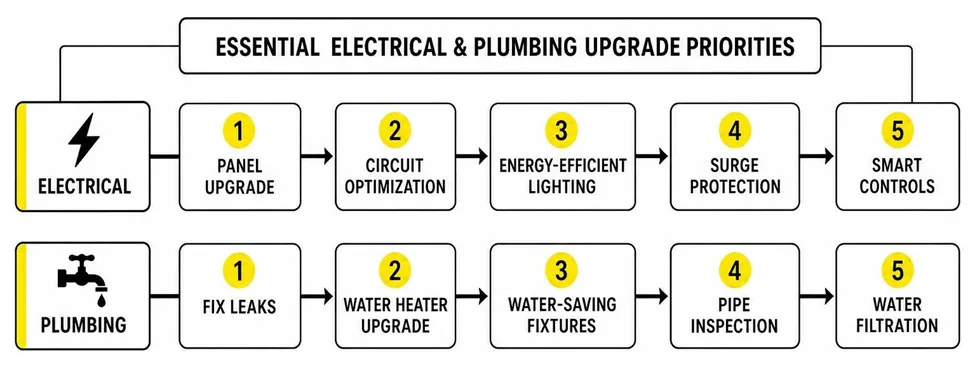
This guide will show you how vital electrical and plumbing upgrades can make your home more energy-efficient. We will explore how modern solutions improve comfort, lower utility bills, and boost your home’s overall value. From optimizing your thermostat settings for summer AC savings to ensuring your water systems are efficient, we’ll cover the key steps to a smarter, more economical home.
Our homes today rely more heavily on electricity than ever before. From charging devices to powering smart appliances and, of course, running our air conditioning systems, the demand on our electrical infrastructure is constant. Ensuring your home’s electrical system is up to par isn’t just about convenience; it’s crucial for safety, efficiency, and supporting modern energy management. Professional assessments and upgrades to your home’s electrical services are foundational steps toward achieving significant energy savings, especially during the peak cooling demands of summer. A robust and well-maintained electrical system is the backbone of any energy-efficient home, allowing advanced technologies like smart thermostats to function optimally and deliver their full potential.
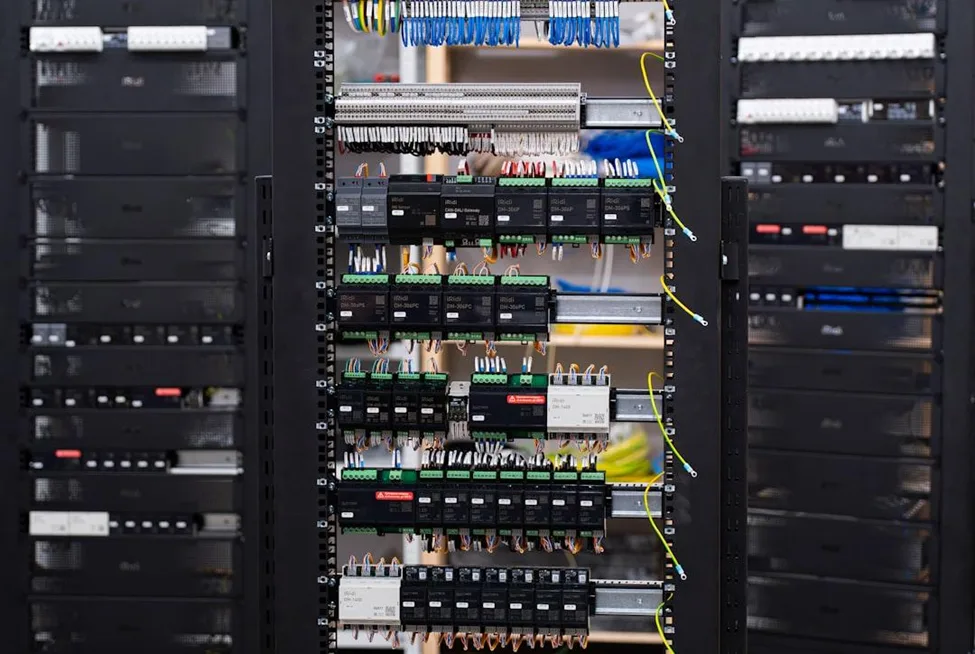
Upgrading Electrical Panels and Circuit Breakers with Home Electrical Services
The electrical panel, often referred to as the breaker box, is the heart of your home’s electrical system. It distributes power to all circuits and acts as a safety mechanism, tripping breakers when a circuit is overloaded to prevent damage or fire. In older homes, panels may not have the capacity to handle the demands of modern appliances, multiple AC units, or electric vehicle chargers. Signs like frequently tripped breakers, flickering lights, or outlets that don’t work can indicate an outdated or overloaded panel.
Upgrading your electrical panel increases its load capacity, ensuring a stable and reliable power supply for all your home’s needs. This is particularly important for energy-intensive systems like central air conditioning. Modern circuit breakers offer enhanced safety features, providing better protection against electrical hazards. Additionally, dedicated circuits can be installed for major appliances, preventing overloads and ensuring they operate at peak efficiency. This foundational upgrade ensures your home’s electrical infrastructure can safely and efficiently support all your current and future energy-saving technologies. For comprehensive electrical services that address these critical upgrades, it’s wise to consult with experienced professionals who can assess your specific needs and ensure safety and compliance.
Installing Smart Thermostats and Controls Through Professional Home Electrical Services
Once your electrical foundation is solid, integrating smart home technology becomes seamless. Smart thermostats are a cornerstone of summer AC savings, offering unparalleled control and optimization capabilities. Unlike traditional programmable thermostats that require manual setup for schedules, smart thermostats learn your habits, sense occupancy, and can be controlled remotely via smartphone apps.
The U.S. Department of Energy (DOE) emphasizes that programmable thermostats can significantly reduce energy consumption by allowing you to adjust temperatures based on occupancy and time of day. For summer, this means setting your thermostat higher when you’re away and lowering it only when you’re home and need comfort. Smart thermostats take this a step further by offering features like geofencing (adjusting temperature based on your proximity to home), energy usage reports, and integration with other smart home devices.
These devices allow for sophisticated setback strategies. For instance, you can program your thermostat to automatically raise the temperature to 80-85°F when you’re at work or on vacation, then gradually cool your home to a comfortable 76-78°F just before you arrive. This strategic adjustment prevents your AC from running unnecessarily while you’re out, yet ensures your home is comfortable upon your return. The ability to monitor and adjust settings from anywhere provides peace of mind and empowers you to make real-time decisions that impact your energy bill. The integration of these intelligent controls through professional electrical services ensures they are installed correctly and optimized for your home’s specific HVAC system.
Upgrading HVAC Systems and Temperature Controls for Summer Efficiency
Optimizing your HVAC system, particularly your air conditioner, is paramount for summer savings. The thermostat acts as the brain of this system, dictating when and how much your AC works. Strategic thermostat settings, combined with proper system maintenance and smart technology, can lead to substantial reductions in your cooling costs without sacrificing comfort.
Thermostat Optimization and Cooling Management
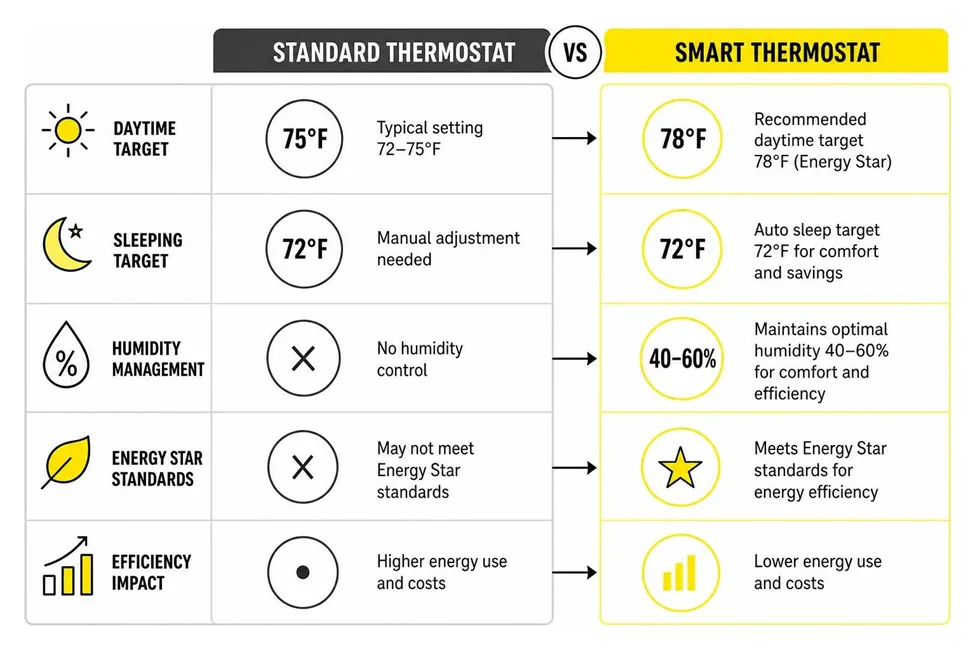
The key to summer AC savings lies in understanding and implementing optimal thermostat settings. According to Energy Star and the U.S. Department of Energy, a recommended thermostat temperature for summer when you are home is 78°F. While this might initially feel a bit warm for some, it’s considered a balanced setting that significantly reduces energy consumption. Studies show that each degree you set your thermostat above 72°F can save up to 3% on cooling costs.
When you’re away from home for several hours, raising your thermostat setting by 7-10°F can yield even greater savings. For example, setting it to 80-85°F while you’re at work can save as much as 10% a year on cooling and heating bills, assuming this adjustment is maintained for at least 8 hours a day. Raising your air conditioner by 5°F for 8 hours can specifically save 5-10% in energy consumption during that period. The principle is simple: the smaller the temperature difference between inside and outside, the less your AC has to work, and the lower your energy bill will be.
For nighttime or sleeping, comfort often takes precedence, but there are still opportunities for savings. While the DOE suggests 82°F for sleeping, many find this too warm for restful sleep. The National Sleep Foundation recommends a cooler range, typically between 66°F and 72°F, for optimal sleep. We recommend finding a comfortable balance, perhaps aiming for the higher end of the comfortable spectrum (70-72°F) and using other strategies to enhance comfort.
Beyond thermostat settings, several practical tips can help you stay comfortable at slightly higher temperatures:
- Ceiling Fans: These are incredibly effective. A ceiling fan can make a room feel up to 4 degrees cooler, allowing you to raise your thermostat setting without feeling warmer. Remember to turn them off when you leave the room, as they cool people, not spaces.
- Close Blinds and Curtains: Blocking direct sunlight, especially on south and west-facing windows, can significantly reduce heat gain in your home.
- Proper Clothing: Dressing in light, breathable fabrics can make a big difference in how comfortable you feel at higher temperatures.
- AC Maintenance: Regularly changing your air filter (monthly during peak use) and ensuring your outdoor unit is clear of debris can improve efficiency by 5-15%. Dirty filters and coils force your AC to work harder, consuming more energy.
Managing Indoor Humidity and HVAC Compressor Load
Temperature is only one component of comfort; humidity plays an equally critical role. High indoor humidity can make a room feel much warmer and muggier than the thermostat reading suggests, often prompting homeowners to unnecessarily lower the temperature. Your AC system not only cools the air but also removes moisture.
When an AC system “short cycles”—meaning it turns on and off too frequently—it doesn’t run long enough to effectively dehumidify the air. This can leave your home feeling damp and uncomfortable, even if the temperature is relatively low. Maintaining a consistent schedule with your thermostat, rather than constantly adjusting it manually, helps ensure your AC runs for longer, more efficient cycles that effectively remove humidity.
Raising your thermostat setting when you’re away, rather than turning the AC off completely, is also beneficial for humidity control. While turning it off might seem like it saves more, it allows humidity to build up significantly. When you return and turn the AC back on, the system has to work much harder and for a longer duration to both cool and dehumidify the space, leading to a higher initial energy spike and potentially longer recovery times. A higher interior temperature slows heat flow into the house, saving AC energy, and allows the system to run in longer, more effective cycles when it is on, aiding in moisture removal.
For homes in hot and humid climates, managing humidity is particularly crucial. If 78°F still feels too warm due to humidity, consider a whole-home dehumidifier integrated with your HVAC system. This allows you to manage humidity levels independently of temperature, enhancing comfort without overworking your AC. Ensuring your AC unit is properly sized for your home is also vital; an undersized unit will struggle to cool, while an oversized unit may short cycle and fail to remove humidity effectively.
Key Plumbing Upgrades for Water Conservation and Efficiency
While electrical and HVAC systems are central to summer comfort, plumbing upgrades also play a significant role in overall home efficiency and savings. Water heating, in particular, is a major energy consumer, and inefficient fixtures can lead to unnecessary water waste and higher utility bills. Modern plumbing solutions offer ways to conserve water, reduce energy usage, and protect your home from potential damage.
High-Efficiency Water Heating Solutions
Water heaters are often the second-largest energy consumer in a home, after HVAC systems. Traditional tank-style water heaters continuously heat and store water, leading to standby energy losses. Upgrading to a high-efficiency model can dramatically reduce these costs.
- Tankless Water Heaters: These systems, also known as on-demand water heaters, only heat water when you need it. By eliminating standby losses, they can be 24-34% more energy efficient than conventional storage tank water heaters for homes that use 41 gallons or less of hot water daily. They provide an endless supply of hot water, which is a significant convenience for larger families or homes with multiple simultaneous hot water demands.
- Heat Pump Water Heaters (HPWHs): These systems work by transferring heat from the surrounding air to the water, rather than generating heat directly. They are incredibly efficient, using significantly less electricity than conventional electric resistance water heaters. In August 2026, HPWH technology continues to advance, offering substantial long-term savings.
- Pipe Insulation: Insulating your hot water pipes reduces heat loss as water travels from the heater to your faucets. This simple upgrade means less energy is wasted, and hot water arrives faster, further contributing to water and energy savings.
Smart Leak Detection and Plumbing Automation
Water leaks, even small ones, can lead to significant water waste and costly damage over time. Smart leak detection systems offer an advanced solution to this common problem. These systems use sensors placed near potential leak sources (e.g., under sinks, near water heaters, in basements) to detect moisture.
Upon detecting a leak, many smart systems can send immediate alerts to your smartphone, allowing you to address the issue quickly. More advanced systems can even automatically shut off the main water supply to your home, preventing extensive water damage. This feature is invaluable, especially when you’re away from home for extended periods, like on vacation.
Investing in these technologies not only conserves water but also protects your home’s structure and belongings from the devastating effects of water damage. By integrating these smart plumbing solutions, you gain peace of mind and contribute to a more sustainable and efficient household.
Frequently Asked Questions About Home Electrical and Plumbing Upgrades
What are the signs that a home needs electrical services or panel upgrades?
Several indicators suggest it might be time to consider professional electrical services or a panel upgrade. If your circuit breakers frequently trip, especially when using multiple appliances, it’s a clear sign your panel might be overloaded. Flickering lights, outlets that don’t work consistently, or a burning smell coming from your electrical panel are also serious warnings that require immediate attention. Older homes with outdated wiring (like knob-and-tube or aluminum wiring) or panels that are more than 20-30 years old are often candidates for upgrades to meet modern safety standards and power demands. An assessment by a qualified electrician can determine if your current panel capacity is sufficient for your household’s needs and future additions.
How do smart thermostats integrated via home electrical services lower summer cooling bills?
Smart thermostats are highly effective at lowering summer cooling bills primarily through automated, strategic temperature adjustments. They allow you to set precise schedules that align with your daily routine, ensuring your AC isn’t overworking when no one is home. For instance, you can program the thermostat to automatically raise the temperature to 80-85°F when you leave for work and then gradually lower it to a comfortable 76-78°F an hour before you typically return. This avoids the energy waste of cooling an empty house.
Many smart thermostats also offer features like geofencing, which uses your phone’s location to automatically adjust temperatures as you come and go, and learning capabilities that adapt to your preferences over time. By maintaining a higher temperature when you’re away, you can save as much as 10% a year on cooling costs. They also prevent the common misconception of setting the thermostat to a colder-than-normal temperature to “cool faster,” which only leads to excessive cooling and unnecessary expense. These automated setbacks and intelligent climate control strategies are key to optimizing your AC usage and realizing significant savings.
Which plumbing upgrades provide the highest return on investment?
Several plumbing upgrades offer excellent returns on investment, both in terms of energy savings and home value. High-efficiency water heating solutions, such as tankless water heaters or heat pump water heaters, are top contenders. They drastically reduce energy consumption for hot water, leading to noticeable monthly savings. Low-flow fixtures, including showerheads, faucets, and toilets, conserve significant amounts of water, especially in homes with multiple occupants, directly impacting your water bill.
Smart leak detection systems, while perhaps not offering direct energy savings, provide immense value by preventing costly water damage, which can be far more expensive than any utility bill. Finally, simple upgrades like insulating hot water pipes reduce heat loss, ensuring hot water arrives faster and less energy is wasted. These upgrades not only save you money on utilities but also enhance your home’s efficiency, comfort, and overall appeal.
Conclusion
As we navigate the summer months of August 2026 and beyond, the pursuit of a comfortable home doesn’t have to come at the expense of exorbitant energy bills. By strategically upgrading and optimizing your home’s essential electrical and plumbing systems, you can achieve significant summer AC savings and improve overall efficiency. From ensuring your electrical panel can handle modern demands to harnessing the power of smart thermostats for precise climate control, every upgrade contributes to a smarter, more sustainable living environment.
The recommended thermostat setting of 78°F when home, coupled with strategic setbacks to 80-85°F when away, can lead to substantial reductions in cooling costs—up to 10% annually. Incorporating practical tips like using ceiling fans and maintaining your AC system further enhances your comfort and savings. Beyond cooling, investing in high-efficiency water heaters and smart leak detection systems ensures your plumbing also contributes to a more economical and protected home.
These upgrades are more than just about saving money; they’re about enhancing your home’s comfort, safety, and long-term value. By taking proactive steps to modernize your home’s infrastructure, you’re investing in a future of reduced utility bills, increased peace of mind, and a more efficient living experience for years to come.