Energy costs keep rising. Homeowners want ways to cut bills without cutting comfort. The good news is that modern technology makes this easier than ever. From solar panels to smart HVAC systems, there are many paths to a more efficient home. Companies like Baker Home Energy make this process simple. They offer expert solar panel and battery installation, HVAC services, roofing, water filtration, and electrical work. This integrated approach helps both homeowners and businesses save money while improving comfort and reliability.
This article breaks down the key areas of home energy efficiency. You will learn what works, why it matters, and how to get started.
Why Home Energy Efficiency Matters
Energy efficiency is not just a trend. It is a smart financial decision. An efficient home uses less power to heat, cool, and run daily operations. This means lower monthly bills.
There are other benefits too:
- Reduced strain on the power grid
- Lower carbon footprint
- Increased home value
- Better comfort year-round
- Protection against rising energy prices
Many homeowners do not realize how much energy their home wastes. Old wiring, leaky ducts, and outdated appliances all add up. Small changes can lead to big savings over time.
Solar Power: The Foundation of Energy Independence
Solar panels remain one of the best investments for homeowners. They convert sunlight into electricity, cutting your reliance on the grid. Over time, this can pay for itself many times over.
Benefits of Solar Panels
Solar energy offers clear advantages. First, it reduces your monthly electric bill. Second, it protects you from rate hikes. Third, it adds value to your property. Many buyers now look for homes with solar already installed.
Battery storage takes this a step further. A battery stores extra solar power for later use. This means you can use solar energy even at night or during outages. This combination of panels and batteries creates true energy independence.
Keeping Your Solar System Running Well
Solar panels need care to perform at their best. Dust, debris, and weather damage can reduce output. Regular checkups catch problems early. If your system is underperforming, professional Solar Service and Repair can restore it to full efficiency. Skilled technicians look for damaged panels, wiring issues, and inverter problems. Fixing these issues quickly protects your investment and keeps energy production steady.
HVAC Systems: Comfort Meets Efficiency
Heating and cooling account for a large share of home energy use. An inefficient HVAC system wastes energy and money. Upgrading to a modern system can lower bills right away.
The Rise of Heat Pumps
Heat pumps have become a popular choice for homeowners. Unlike traditional furnaces, they move heat instead of generating it. This makes them far more efficient. They also work for both heating and cooling, so you only need one system.
Choosing the right heat pump installation is important. A properly sized unit performs better and lasts longer. An expert can assess your home and recommend the right fit. This ensures maximum comfort with minimal energy waste.
Signs You Need an HVAC Upgrade
Watch for these warning signs:
- Rising energy bills with no clear cause
- Uneven temperatures across rooms
- Frequent repairs
- A system older than 15 years
- Strange noises or smells
If you notice any of these, it may be time for a replacement. A new, efficient system often pays for itself through energy savings alone.
Roofing: The First Line of Defense
Your roof plays a bigger role in energy efficiency than most people think. A well-insulated, properly sealed roof keeps warm air in during winter and heat out during summer. This reduces the workload on your HVAC system.
Roofing also matters for solar installation. Panels need a stable, well-maintained roof to sit on. If your roof is old or damaged, it should be repaired or replaced before solar panels go up. This protects your investment and avoids costly rework later.
Good roofing materials also improve insulation. Reflective coatings and proper ventilation reduce heat buildup in attics. This small change can noticeably lower cooling costs in summer months.
Water Filtration: Efficiency Beyond Energy
Energy efficiency is not only about electricity. Water use matters too. Hard water and contaminants can damage appliances, reduce their lifespan, and increase energy use.
A whole-home water filtration system removes minerals and impurities. This protects water heaters, dishwashers, and plumbing systems. Appliances run more efficiently when they are not fighting mineral buildup. Clean water also means less soap and detergent use, which adds up to more savings.
Filtration systems improve daily life too. Better-tasting water, softer skin, and longer-lasting fixtures are all added benefits.
Electrical Services: The Backbone of a Modern Home
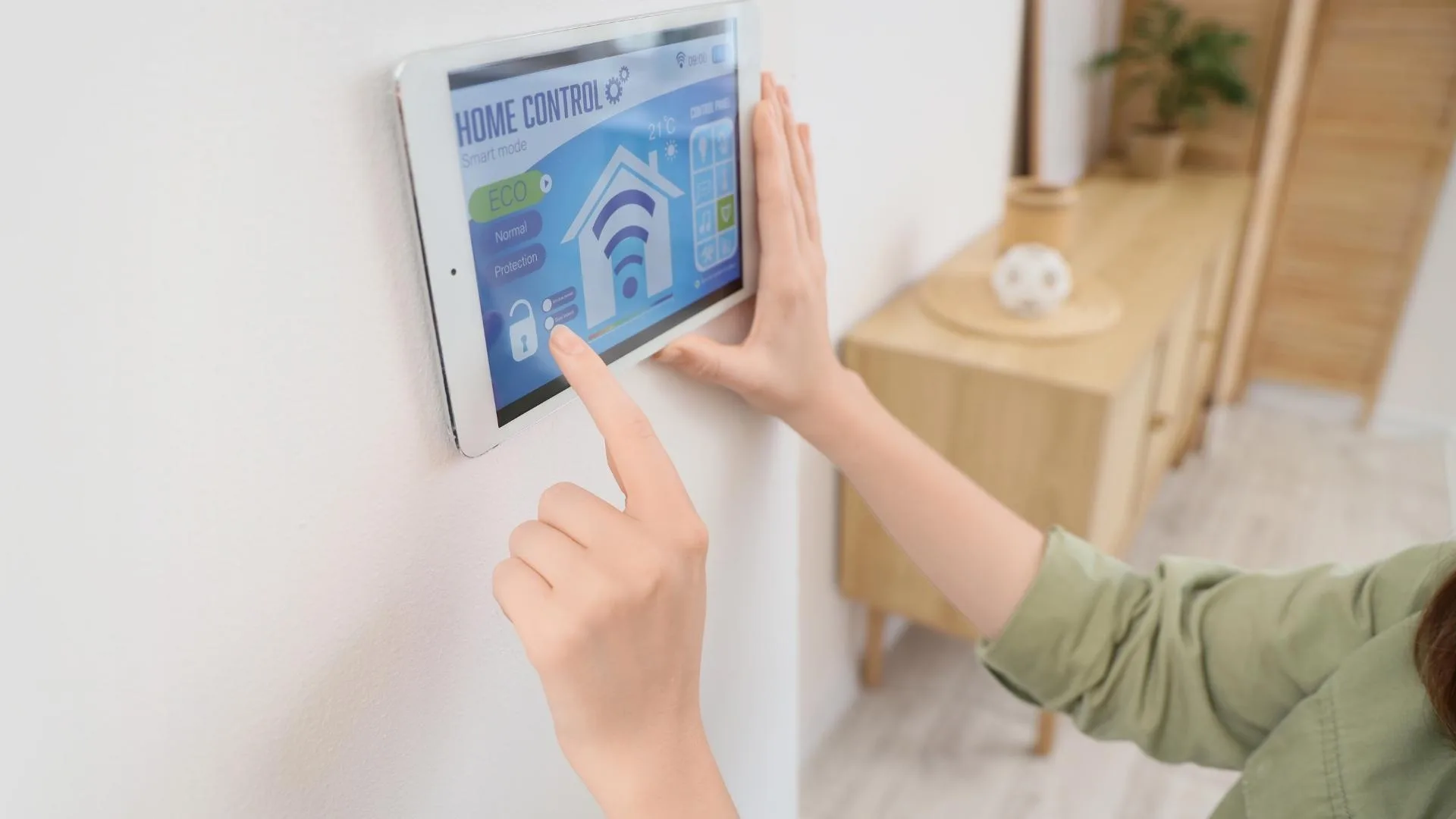
As homes add more technology, electrical systems need to keep up. Solar panels, battery storage, EV chargers, and smart devices all require safe, updated wiring. Older homes often were not built for this level of demand.
Professional electrical services ensure your system can handle modern needs. This includes panel upgrades, rewiring, and safety inspections. A properly wired home reduces fire risk and supports future upgrades. This is especially important when integrating solar and battery systems, which need to work seamlessly with your home’s electrical panel.
How Integrated Solutions Save More Money
Many homeowners tackle these projects one at a time. But there is real value in taking an integrated approach. When solar, HVAC, roofing, water filtration, and electrical work are planned together, they work better as a system.
For example, a new roof supports solar panels. Solar panels power an efficient heat pump. A modern electrical panel supports both systems safely. Clean water protects the appliances tied to your energy system. Each piece supports the others.
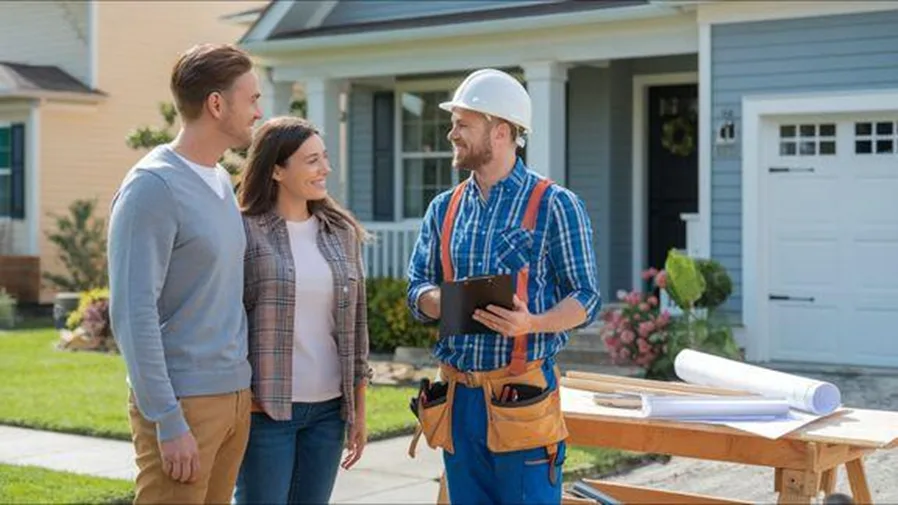
This is where a company like Baker Home Energy stands out. They offer all these services under one roof, so homeowners do not need to coordinate multiple contractors. This saves time, reduces errors, and often lowers overall costs. A single team that understands how these systems connect can design a solution that maximizes efficiency across your entire home.
Tips for Getting Started
If you want to improve your home’s energy efficiency, start with these steps:
- Get an energy audit. This identifies where you are losing energy and money.
- Check your roof condition. Repair any damage before adding solar panels.
- Evaluate your HVAC system. Consider a heat pump if your system is aging.
- Look at your electrical panel. Make sure it can support future upgrades.
- Test your water quality. Filtration may protect your appliances and health.
- Work with a trusted provider. An integrated approach saves time and money.
Small steps add up. You do not need to do everything at once. Start with the area that offers the biggest impact for your budget.
Final Thoughts
Home energy efficiency is not just about saving money. It is about comfort, safety, and long-term value. Solar power, efficient HVAC systems, solid roofing, clean water, and safe electrical systems all work together to create a better home.
Homeowners and businesses alike benefit from working with experienced professionals who understand how these systems connect. Whether you need new solar panels, a heat pump installation, roof repair, or electrical upgrades, choosing the right partner makes all the difference. With the right plan in place, you can enjoy a more efficient, comfortable, and cost-effective home for years to come.