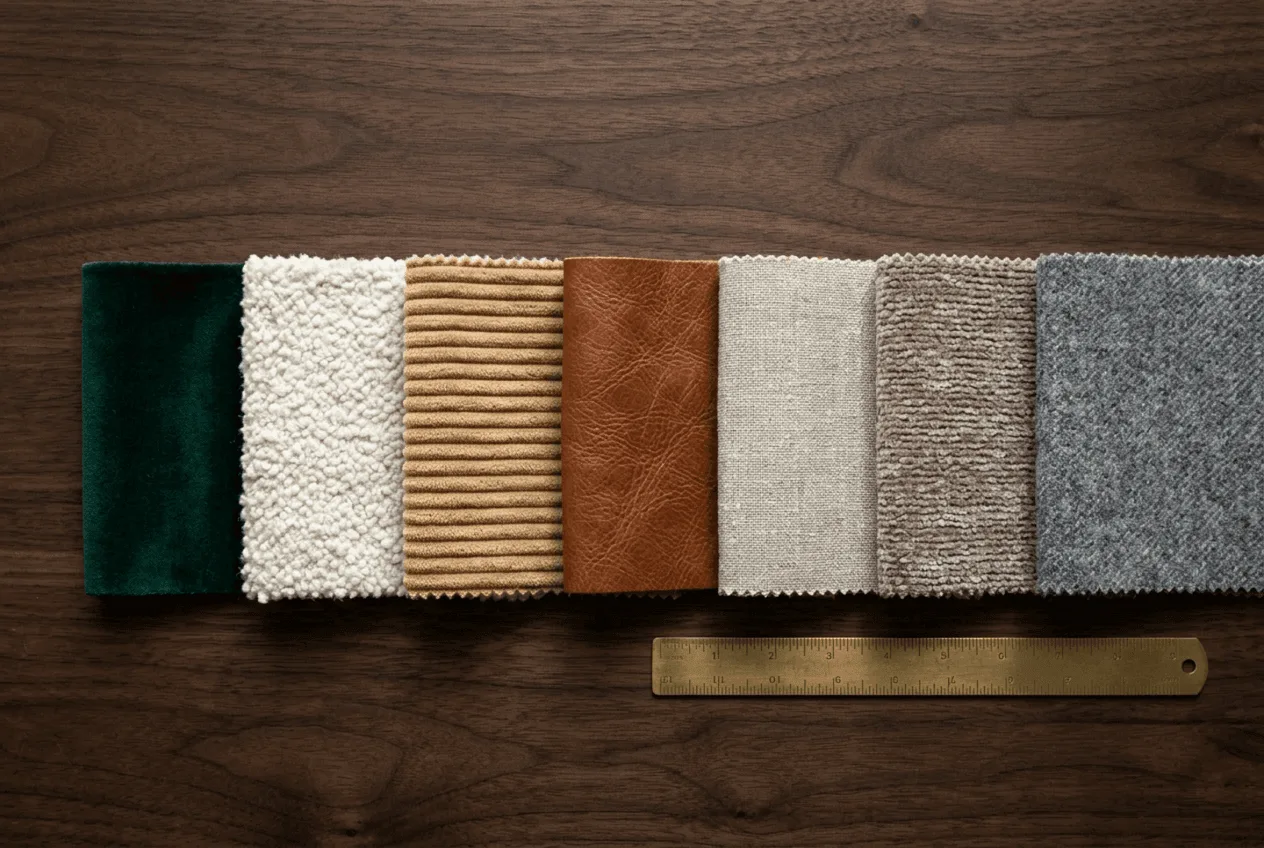
There is something about a celebrity living room that feels expensive long before you can explain why. The shape of the sofa is rarely the reason. Sofa shapes have not changed a great deal in thirty years. What tends to separate a costly-looking room from an ordinary one is the surface, and that usually comes down to the fabric.
Fabric is often the first thing noticed across a room, and it is often the last thing considered when a sofa is being chosen. A simple frame in a beautiful fabric will lift the whole space. The same frame in a cheaper cloth tends to be let down, however carefully everything around it has been styled.
This is felt more keenly in a British home. Rooms here are generally smaller, the light is weaker for much of the year, and winters are damp. A fabric that looks wonderful under showroom lighting can seem rather flat by February.
Why Fabric Matters Most?
Three things are happening when a material looks expensive.
The first is how it handles light. A flat weave absorbs light evenly and reads quiet. A pile or a loop breaks the light up, so the colour shifts as you move across the room. That movement is what your eye reads as depth, and it counts double in a country where the sun sets at four o’clock from November.
The second is texture you can see from across the room. If a fabric looks identical from two metres away and from two centimetres, it has nothing to hold your attention.
The third is how it ages. Cheap materials look their best on delivery day. Good ones look better in year five. That is the whole difference, and it is the part nobody photographs.
7 Best Sofa Fabrics for a Luxury Living Rooms
Each one below has been chosen for a different reason, and each carries a drawback worth knowing before you commit. It is usually more helpful to read the entry that matches your own room than to look for an overall winner.
1. Plush Velvet
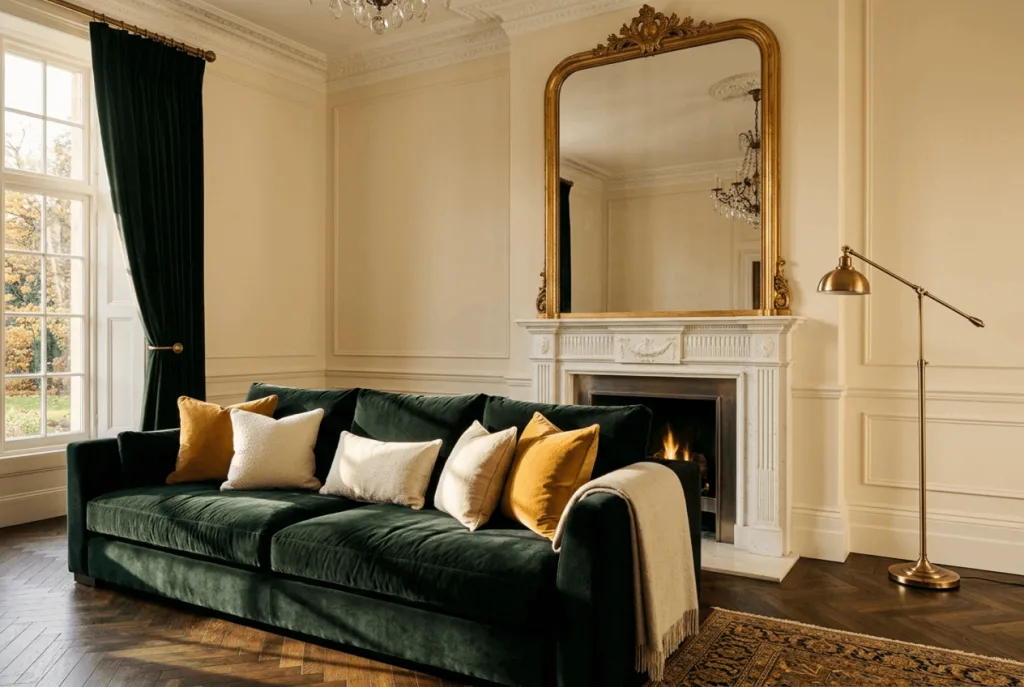
Velvet is the fastest way to change how a room feels, and it has held its position through several trend cycles now.
The reason is the pile. Brush it one way, and it reads dark Deep jewel tones look rich. Pale velvets look chalky and cheap surprisingly easily.
Pile length is the detail that separates a convincing velvet from a cheap one, and it rarely appears on a product page. A short pile keeps dirt out but flattens the colour. A longer, denser pile holds depth and reads far richer from across a room. Ask about it before you commit.
The honest drawback. Velvet records everything. Sit in the same spot for an hour, and you will see it. Some people call that character. Others find it maddening.
2. Bouclé
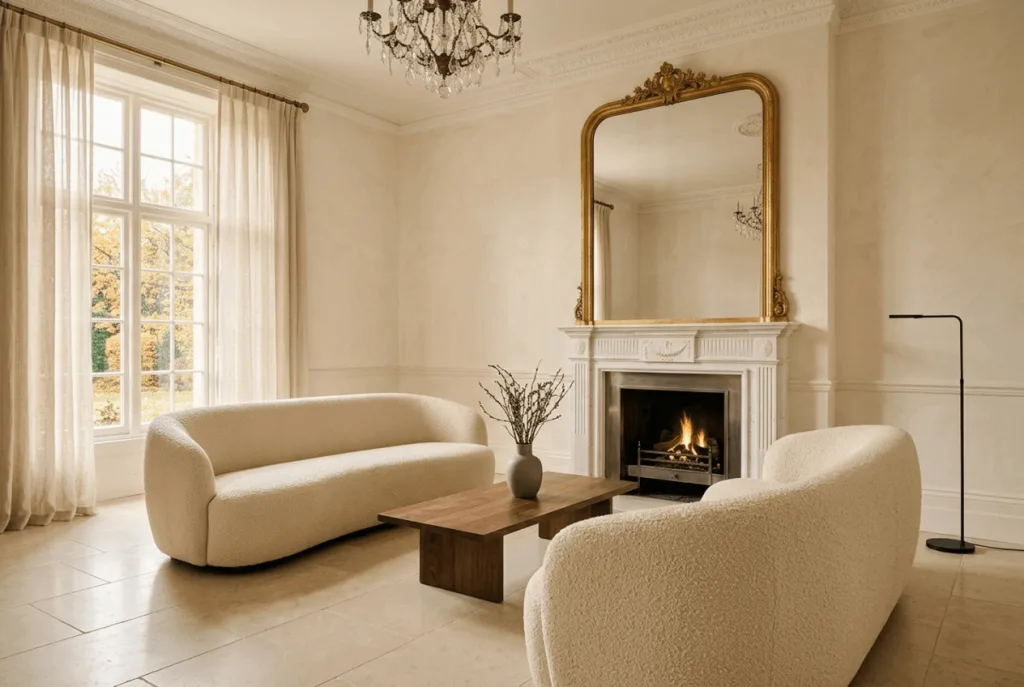
Bouclé is French for looped, and that is exactly what it is. Yarn looped back on itself to make a nubby, sculptural surface.
It is having a long moment, and it earned it. The texture does the decorating for you, which suits pale and minimal rooms where there is not much else going on. It also softens hard architecture, which is why you see it in so many concrete and glass interiors.
It works best on curved frames, where the fabric follows the shape rather than fighting it. On a hard rectangular sofa, the texture can look applied rather than built in.
Worth knowing that this is not a new fabric. Eero Saarinen was upholstering the Womb chair in it in 1948. The current wave is a revival, not an invention.
The honest drawback. Loops catch. A cat will destroy a bouclé sofa in one afternoon, and so will a zip on a pair of jeans if you are unlucky.
3. Corduroy and Jumbo Cord
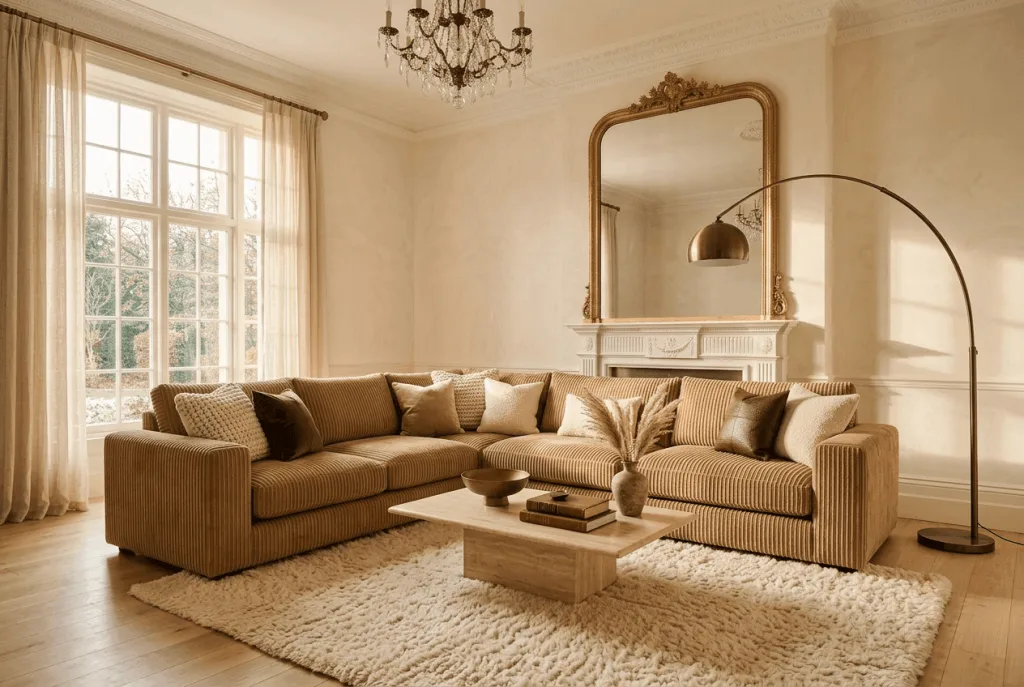
That’s the one designers are already slowly getting to; everyone else is still buying bouclé.
Corduroy on furniture works because of the wales the raised ribs which go down the fabric. They cast very light shadows, so there is no need for a pattern or strong colour to create depth. On a large piece, the effect is striking, and it is warm to touch in a way velvet is not.
It also solves a problem in modern British rooms. Hard floors, big windows and knocked-through walls leave a space feeling cold from October onwards. Cord puts warmth back without adding clutter, and it feels warm to sit on rather than just looking at it.
Jumbo cord specifically, with the wider ribs, has become the version most people want. Corner and L-shape pieces suit it best, since the ribs run uninterrupted across a long expanse rather than breaking at every seam. That configuration has become one of the more requested finishes over the past two years.
The honest drawback. Dust and crumbs settle into the channels between the ribs. You will need a brush head on the vacuum rather than a quick once over.
4. Full Grain Leather
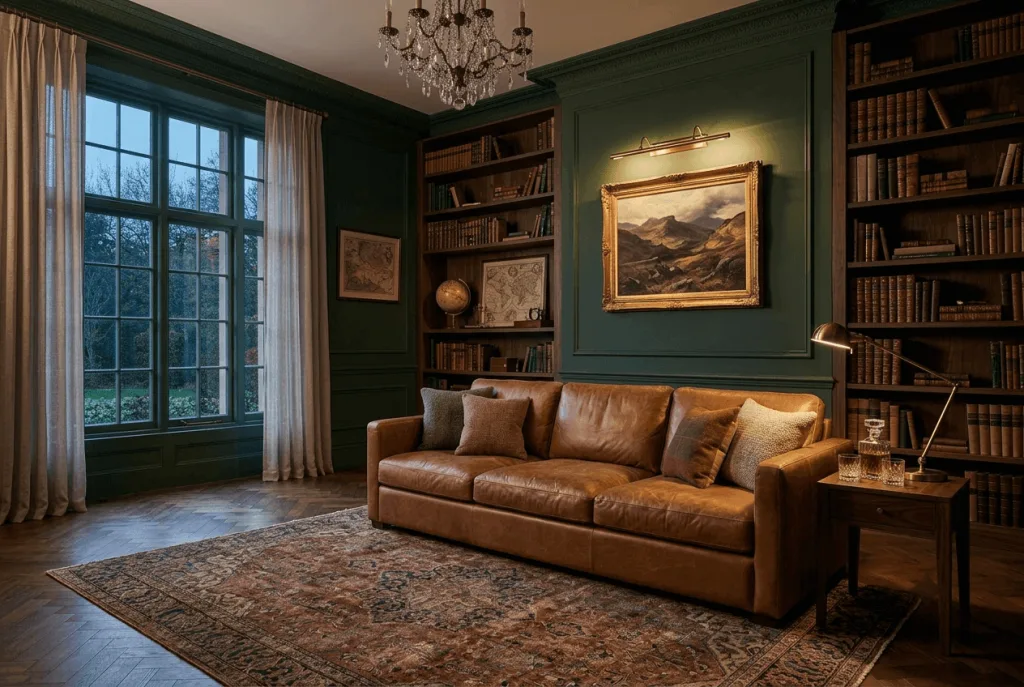
Only one material made of leather truly gets better with age. All else is dealing with the slow fade.
Full grain leather preserves the outer grain, which is the strongest part of the leather. Naturally develops patina, softens when sitting, and darkens gradually over time. A leather sofa after five years shows more life than when it was first fitted than any other upholstery.
Ideal for studies, classic rooms, and spaces containing a significant amount of wood or stone. It also handles pets better than any fabric here, because hair sits on the surface instead of working into the fibres.
The honest drawback. It is cold to sit on in January, and it costs the most of anything on this list. Corrected grain and bonded leather are cheaper, and they crack.
5. Linen
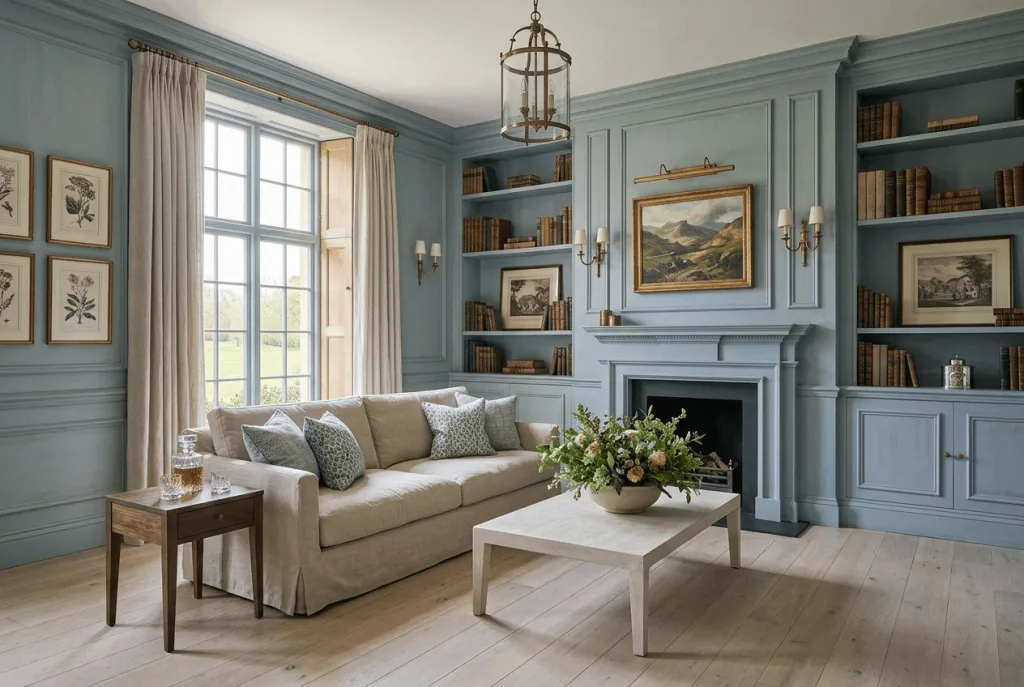
Linen is casual elegance and unless you’re interested in casual, then it doesn’t work for you.
The fibres are matte, as opposed to velvet. It doesn’t reflect light, rather it absorbs it, and a linen sofa has casual and subdued edges. It is ideal for coastal interiors, country homes and rooms constructed of natural materials.
The creasing is the whole point. A linen sofa that looks pressed looks wrong. This is a fabric that is supposed to look lived in, which is either exactly what you want or exactly what you cannot tolerate.
The honest drawback. It creases within minutes, and it stains readily. Unless the covers come off and go in the machine, linen is a difficult choice for a family room.
6. Chenille
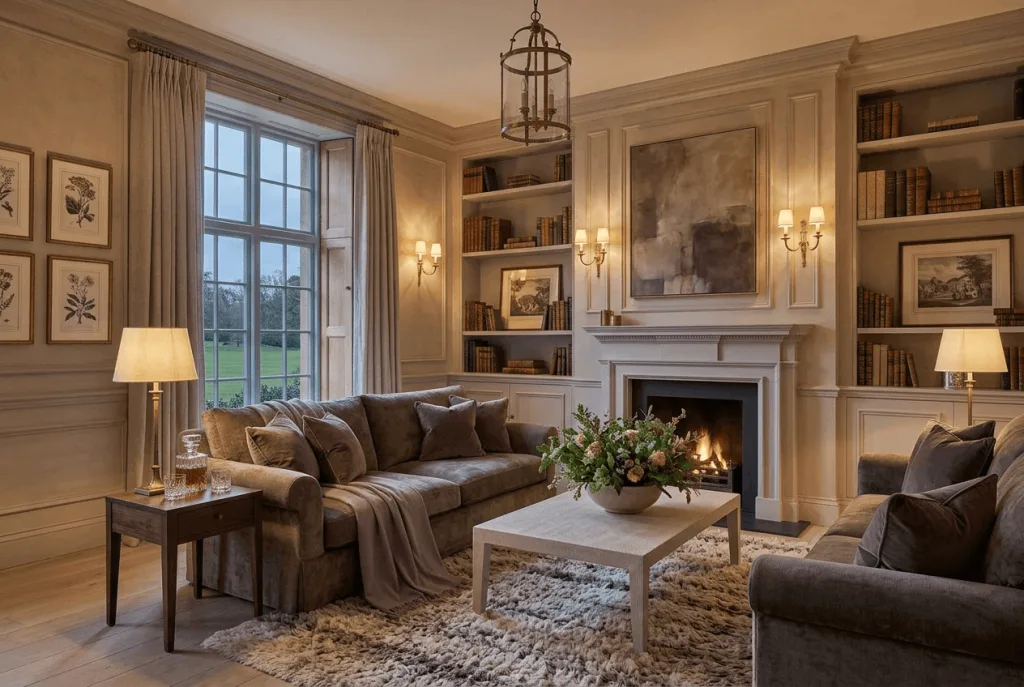
Chenille comes from the French for caterpillar, which tells you what it feels like before you touch it.
It is the quiet performer of this list. Softer than it looks and considerably tougher than it looks, chenille handles daily family use better than velvet, bouclé or linen. The short fuzzy pile hides marks between cleans, which matters more than people expect.
It also takes colour beautifully. Deep greys, mustards and blues all sit well in chenille, and the texture stops a strong colour looking flat.
The honest drawback. It holds pet hair. Not as badly as velvet, but a shedding dog will make itself known.
7. Wool and Tweed
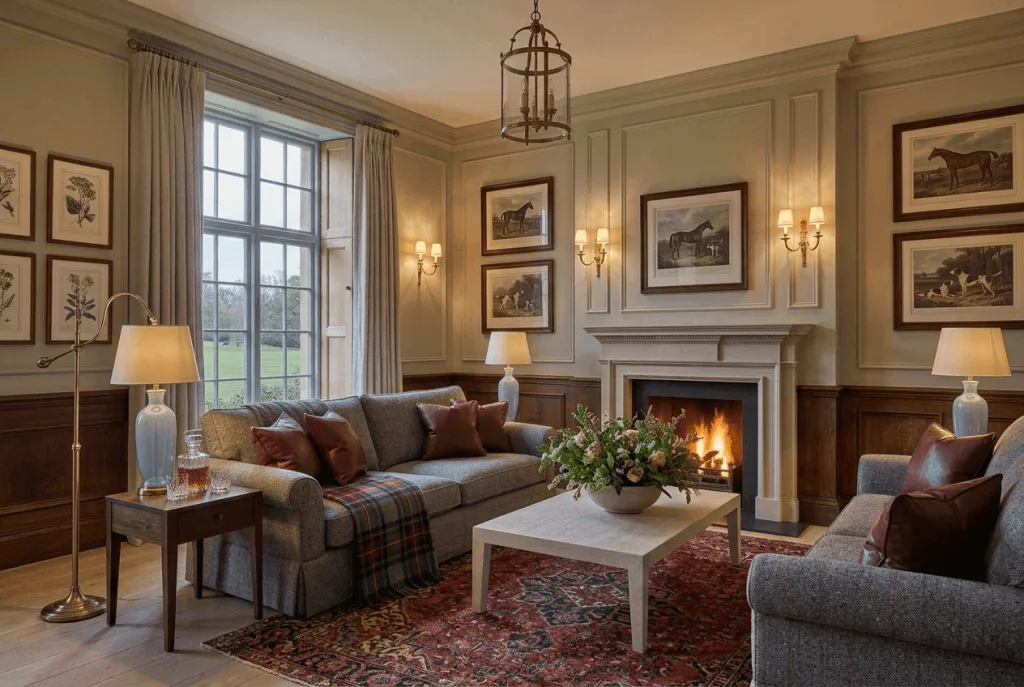
Wool is the heritage answer, and it is having a slow return in rooms that have grown tired of synthetic texture.
The density is what you notice. A wool upholstery has weight and body that polyester blends cannot copy. It resists wear, recovers its shape, and handles the damp British climate better than almost anything else here. Tweed adds flecks of colour into the weave, so the fabric has interest built in.
It suits panelled rooms, libraries, and anywhere trying to look like it has been there a while.
The honest drawback. The colour range is narrower and it can feel coarse against bare skin. Not the fabric for a room where people sprawl in shorts.
A Quick Comparison
| Fabric | Feel | Best in | Watch out for |
| Plush velvet | Soft, light catching | Formal and evening rooms | Shows sit marks |
| Bouclé | Sculptural, nubby | Pale minimal rooms | Loops snag easily |
| Jumbo cord | Warm, ribbed | Family and open plan rooms | Traps dust in the ribs |
| Full grain leather | Cool, structured | Studies and classic rooms | Cold in winter, costs most |
| Linen | Matte, relaxed | Coastal and country interiors | Creases constantly |
| Chenille | Soft, forgiving | Everyday family rooms | Holds pet hair |
| Wool and tweed | Dense, tactile | Panelled and heritage rooms | Fewer colours, can feel coarse |
Where These Fabrics Come From
It helps to understand who is actually making the sofa, because that decides what the same fabric costs. Here are three UK options, ordered by how close each sits to the factory floor.
Gamzo Outlet manufactures in Britain and sells direct from its own factory. That is the shortest route between a workshop and a living room, and it is why the same velvet or cord tends to cost less there than through a retail chain. Strongest on velvet, cord and larger corner configurations.
IKEA manufactures at enormous scale through its own supply chain. The trade off is a shorter pile and simpler construction, but it remains the easiest place to test whether you can live with a fabric before committing properly.
John Lewis sits in the trusted middle of the British market. Over 70 fabrics and 14 leathers across its own ranges, and it will send you free samples before you commit, which is worth doing with any fabric on this list.
None of these is the right answer for everyone. They are three different distances from the factory, and that is mostly what you are paying for.
Choosing the Right One for Your Room
Work from your room rather than from a trend.
If the space feels cold and hard, reach for cord or chenille. If it feels flat and needs lifting, velvet does that faster than anything else. If it is already busy, bouclé or linen will calm it down.
And whatever you land on, look at the fabric in your own light before deciding. Every material here behaves differently on a grey British afternoon than it does under a showroom spotlight.
Frequently Asked Questions
Which sofa fabric looks the most expensive?
Velvet and full-grain leather read as the most expensive from across a room. Velvet does it through light, and leather does it through depth of colour and patina.
Is velvet or bouclé better for a modern UK living room?
Bouclé suits pale, minimal and architectural rooms. Velvet suits rooms with colour, evening use and lower natural light. Bouclé is softer visually; velvet is richer.
Which sofa fabric lasts the longest in a UK home?
Full-grain leather, followed by wool. Both improve with age rather than degrading, provided they are looked after.
Is corduroy back in style in the UK?
Yes, and It is one of the most prominent trends among upholstery now. Over the past two years, jumbo cord has gone from its “niche” status to a “mainstream” option.
What fabric do interior designers use most?
Wool and linen for longevity, velvet when a room needs lifting, and bouclé for texture in minimal schemes. Most designers choose by room rather than by preference.