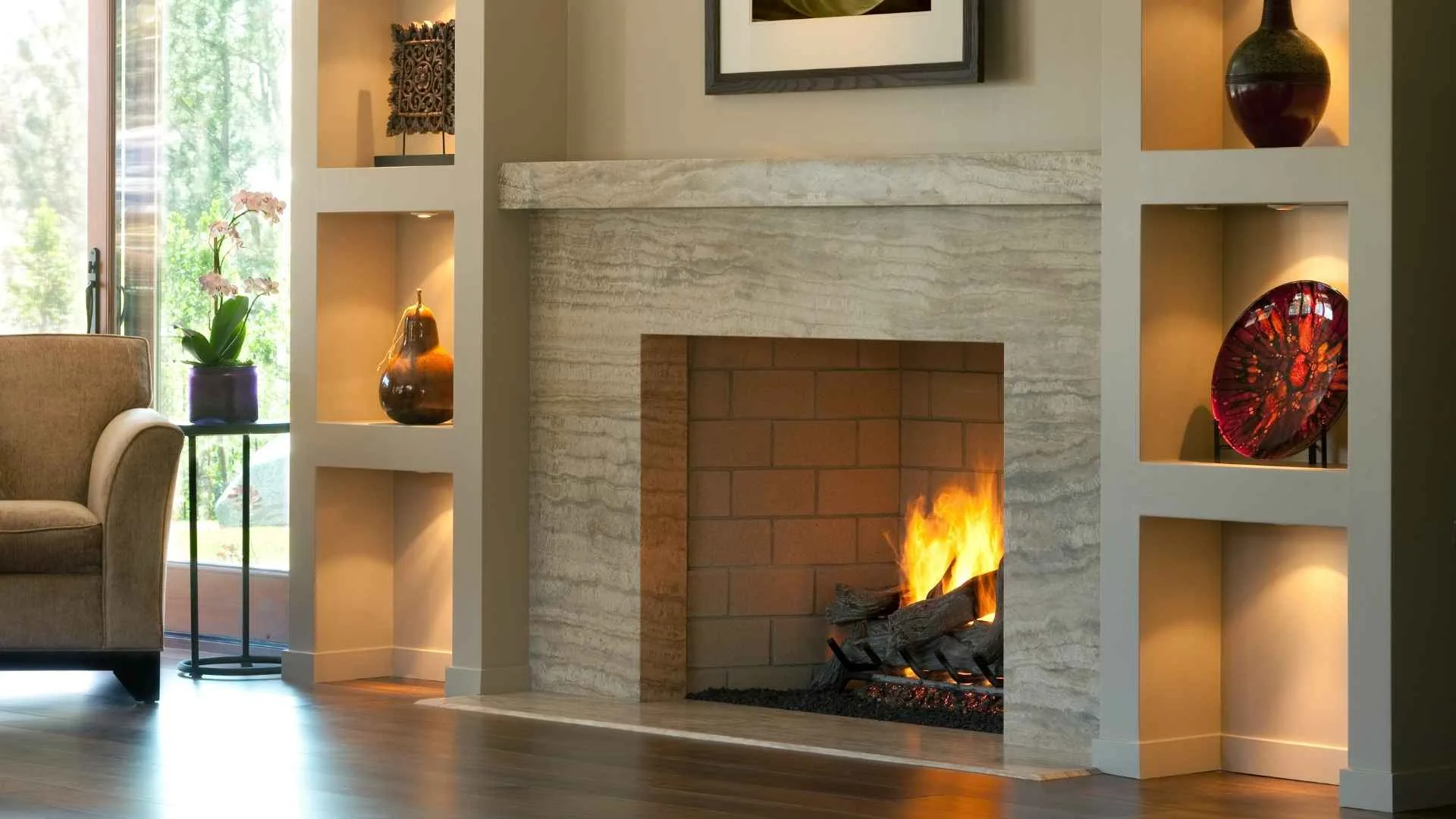
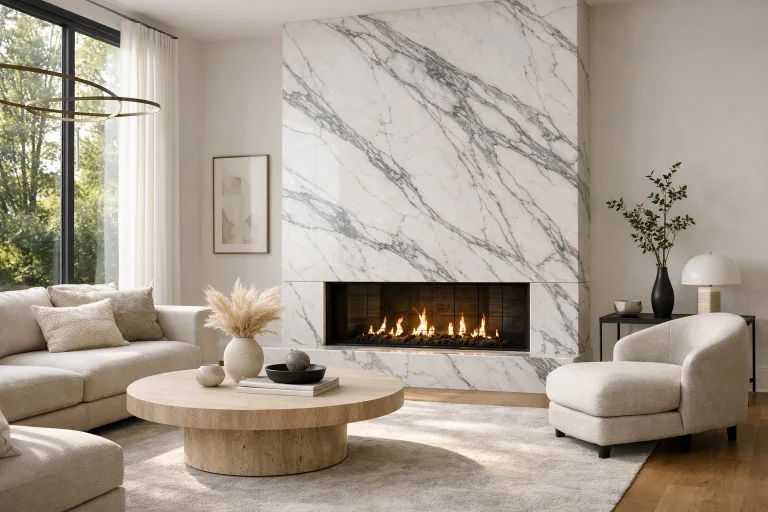
Marble fireplaces have long been cherished for their elegance and ability to enhance any living space. From the classic grandeur of heritage homes to the sophisticated touch they bring to contemporary interiors, a marble fireplace surround can become a stunning statement piece. The unique veining patterns and natural luminosity of marble turn fireplaces into architectural works of art, effortlessly catching the eye while complementing a wide array of décor styles, whether ornate or minimalist. Integrating a marble fireplace surround brings more than just visual impact. With their legendary strength and timeless character, marble fireplaces offer unmatched durability and style. If you value a home that exudes refined comfort and lasting beauty, few investments compare to the impact of a thoughtfully chosen marble centerpiece.
A Brief History of Marble Fireplaces
Marble has been an architectural favorite for centuries. Renowned for its association with luxury, marble-adorned grand European estates and stately manors during the Renaissance. Its resurgence in contemporary design is a testament to its ability to blend with an ever-evolving array of decor styles, imparting both history and innovation to interiors. The use of marble for fireplaces is more than a trend; it reflects a continued appreciation for natural materials that offer both sophisticated form and lasting function.
Benefits of Choosing Marble for Your Fireplace
The primary reasons homeowners choose marble fireplaces include exceptional durability and natural heat resistance. Unlike wood or even some manufactured materials, marble maintains its integrity for decades under intense temperatures. This makes it the optimal choice for high-use areas where both safety and aesthetics are priorities. Moreover, marble’s unique veining ensures that no two fireplaces look exactly alike, adding individual character to any living space. These are just a few of the qualities that cement marble’s place among the most desirable fireplace materials available today.
Design Considerations for Marble Fireplaces
When selecting a marble fireplace, assess your overarching design goals. Marble’s versatility means it can work well in settings that favor minimal, crisp lines as well as those steeped in traditional ornamentation and detail. Some homeowners opt for dramatic, high-contrast veining while others prefer the subtle, muted tones of Carrara or Calacatta marble. The mantel and surround design should enhance the room’s atmosphere, serving as an inviting focal point that is beautiful both when the fireplace is in use and out of season. You might also consider the broader context of your décor and the balance between contemporary trends and timeless elements. If you desire a fireplace that sits comfortably in both modern and classic schemes, marble fireplaces offer a bridge between the two.
Maintenance Tips for Marble Fireplaces
Keeping your marble fireplace immaculate does not require excessive effort; it just requires the right approach. Regular dusting with a soft, damp cloth removes surface grime, while acidic or abrasive cleaners should be avoided as they can etch the finish. A good rule is to always blot spills quickly, especially from substances like wine or juice. Sealing your marble every 6 to 12 months creates a barrier against stains and helps maintain its luminous surface. Using a high-grade stone sealant and following manufacturer guidelines will ensure your fireplace remains a striking focal point for years to come.
Cost Considerations and Budgeting
The price of a marble fireplace can vary widely, depending on the type of marble, custom design elements, and professional installation fees. While this can represent a high upfront cost, marble’s longevity and minimal maintenance requirements often offset the initial spend over the years. For those on tighter budgets, less rare marble types or prefabricated surrounds offer cost-effective alternatives that still provide a high-end look. Factoring in professional installation and any supplementary treatments ensures you stay within budget and achieve your desired outcome.
Installation Process and What to Expect
Installing a marble fireplace is best left to experienced professionals due to the material’s weight and fragility. The process includes site preparation, precise measurement, and careful cutting of each marble piece to ensure a seamless fit. Once the components are in place, edges are polished and the surface sealed. Expect some construction noise and dust, but dedicated installers will minimize disruption and leave you with a secure, beautifully finished centerpiece.
Alternatives to Marble Fireplaces
If marble exceeds your design or budget requirements, alternatives like granite, limestone, or travertine are worth considering. Granite, in particular, is celebrated for its resilience and distinctive appearance. Each natural stone offers its own aesthetic and practical advantages, allowing you to customize your fireplace to suit your unique taste and lifestyle.
Conclusion
A marble fireplace stands as a testament to both craftsmanship and timeless design. Its aesthetic versatility and robust construction ensure it will remain a beloved feature for decades. With thoughtful selection, installation, and care, a marble fireplace not only elevates your living space today but will continue to inspire and impress for generations to come.