Home upgrades can feel exciting at first. New paint, better lighting, maybe a stylish backsplash. Those changes look great, no doubt. But the real value in a home doesn’t always show up right away. It builds slowly through smart decisions that hold up year after year.
Think about what actually affects daily living. Temperature that stays steady without constant thermostat changes. A house that stays quiet even when the street gets busy. Lower utility bills that don’t spike every season.
Long-term improvements focus on structure, efficiency, and durability. They cost more at the start, but they reduce repairs, cut energy use, and keep things running smoothly. Instead of fixing the same issues again and again, you handle them once and move on.
If the goal is a home that works better year after year, these upgrades are worth a closer look.
Investing in High-Quality Insulation
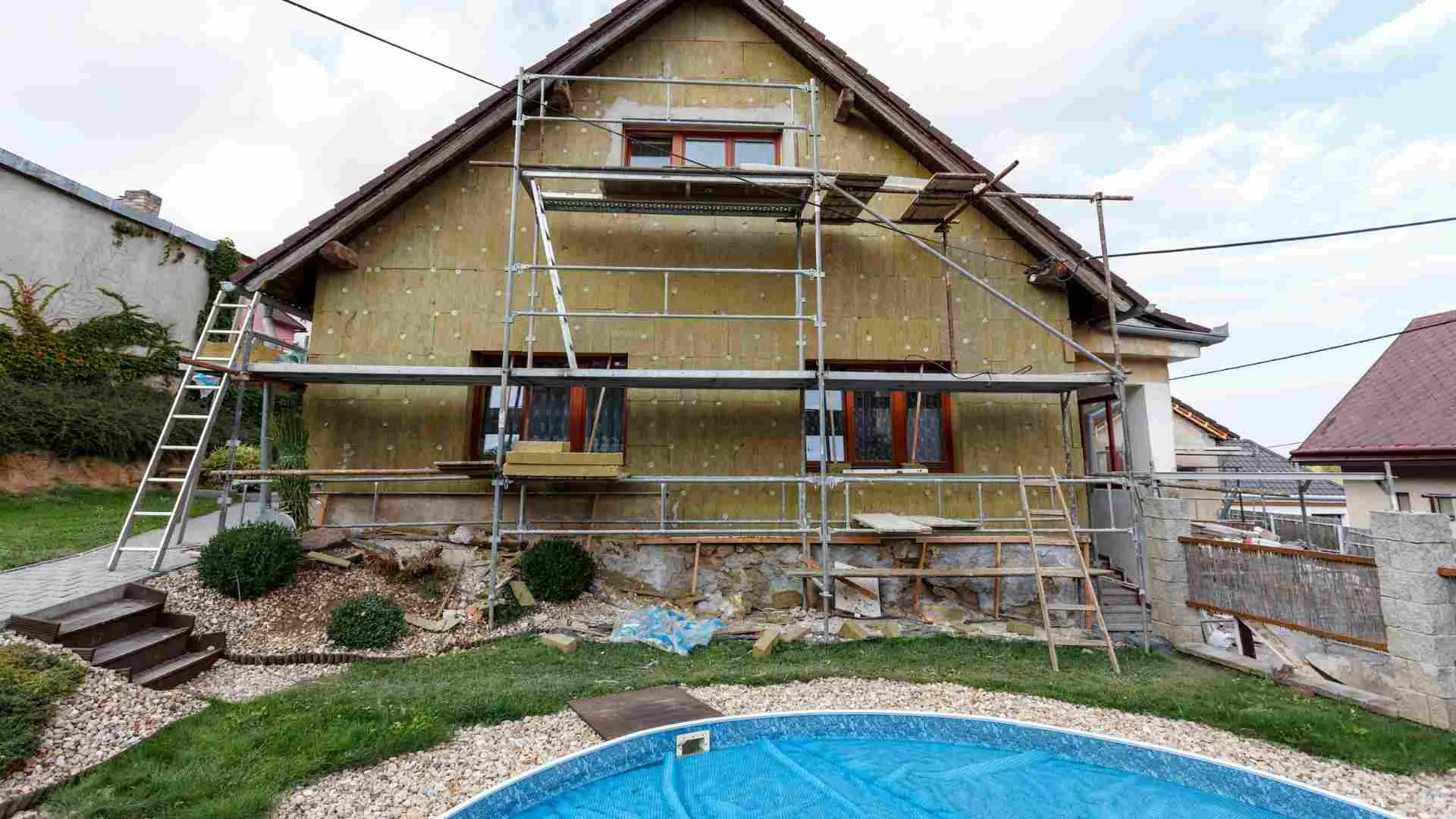
Insulation doesn’t get much attention, but it quietly does a lot of heavy lifting. Without it, heat escapes in winter and sneaks in during summer. That means your HVAC system keeps running longer just to keep up.
Upgrade the insulation, and the house starts holding temperature properly. Warm air stays inside when it’s cold outside. Cool air doesn’t leak out during hot months. The system doesn’t need to cycle as often, which cuts energy use and reduces wear on equipment.
Focus on key areas like the attic and walls. That’s where most heat transfer happens.
Roofing Upgrades That Extend Lifespan
Roofs take a beating, especially in areas with strong sun, heavy rain, or snow. A common question comes up for many homeowners: how long do roofs last? The answer depends on the material, the climate, and how well it’s maintained.
Basic asphalt shingles might last around 20 years, while metal or tile options can stretch much longer. But lifespan isn’t fixed. It can be extended with the right steps.
Regular inspections catch small issues before they grow. Proper ventilation prevents heat and moisture from building up underneath. That buildup can weaken materials and shorten the roof’s life. Fixing minor damage early also avoids larger repairs later.
Upgrading to stronger materials makes a big difference too. Impact-resistant shingles or metal roofing can handle harsh weather better. Instead of dealing with frequent repairs or early replacement, you get a roof that holds up and stays reliable for years.
Energy-Efficient Windows and Doors
Windows and doors are easy to ignore until problems show up. Drafts, outside noise, and uneven temperatures can all trace back to them. Older models often lack proper sealing, so air moves in and out more than it should.
Switch to energy-efficient options, and the change becomes clear. Double or triple-pane glass adds insulation. Tight seals stop air leaks, so indoor temperatures stay steady. Rooms feel more comfortable without constant adjustments to the thermostat.
There’s also a noise factor. Better windows reduce outside sounds, which makes indoor spaces quieter and easier to relax in.
Lower energy use follows naturally. Heating and cooling systems don’t have to work as hard, which leads to smaller utility bills and less strain on equipment.
Modern HVAC Systems
An outdated HVAC system can drain energy without delivering consistent results. It runs longer, struggles to keep temperatures even, and often needs repairs.
Newer systems are built for efficiency. They adjust output based on actual needs instead of running at full capacity all the time. That keeps rooms at a steady temperature without sudden swings.
Smart thermostats add another layer of control. You can set schedules or adjust settings remotely, so the system isn’t running when it doesn’t need to. That alone can cut energy use in a noticeable way.
Durable Flooring Choices
Flooring takes constant use, so quality matters more than style trends. Cheap materials wear out faster, show damage easily, and often need replacement sooner than expected.
Invest in durable options like hardwood, tile, or high-quality vinyl, and the difference shows in how well they hold up. Scratches, dents, and stains become less of a concern. Cleaning stays simple, and the surface keeps its look for years.
Hardwood can be refinished instead of replaced, which extends its life. Tile handles moisture well, making it ideal for kitchens and bathrooms. Vinyl offers durability with less maintenance, which works well for busy households.
Instead of replacing flooring every few years, you get a surface that stays in good shape with basic care.
Kitchen Upgrades with Lasting Value
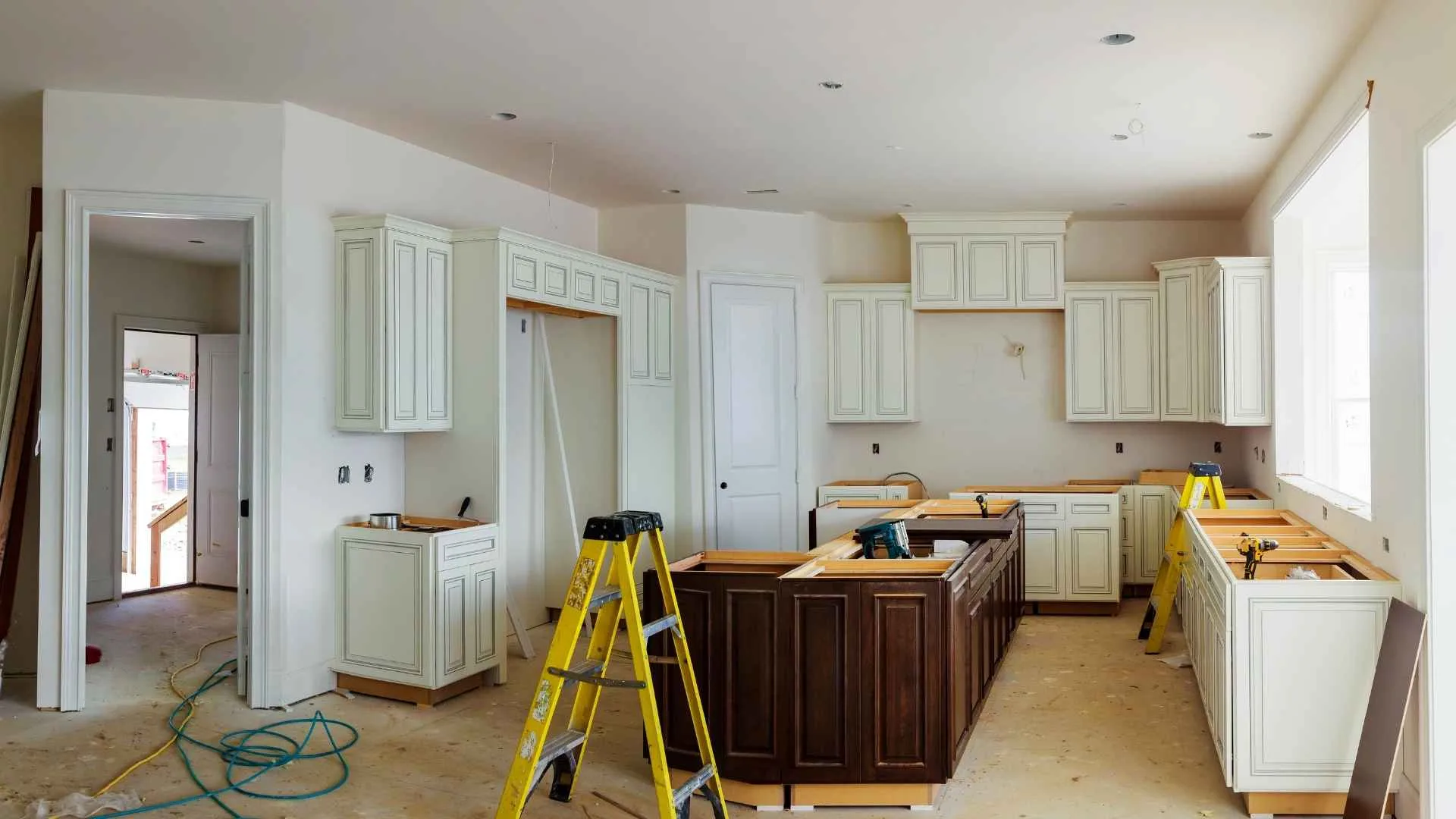
Kitchens see constant use, so quick fixes don’t hold up for long. Cheap cabinets start to warp, low-grade countertops stain easily, and outdated appliances drive up energy bills. It adds frustration fast.
Go for solid materials. Stone countertops handle heat and spills without damage. Well-built cabinets stay aligned and don’t loosen with daily use. These choices keep the space functional without needing frequent repairs.
When it comes to appliances, opt for energy-efficient models that use less power and water. A modern refrigerator or dishwasher doesn’t just look good; it runs more efficiently and lowers utility costs.
A home works best when its core systems and materials are built to last. Instead of dealing with repeated issues, the home runs more smoothly with fewer interruptions. Costs become more predictable, and the space stays comfortable without extra effort.
When upgrades are chosen with durability and efficiency in mind, the house stops feeling like a series of projects. It becomes a place that holds up, performs well, and supports everyday living without needing constant attention.