Most homeowners are used to looking for mold indoors: in the bathroom, under the sink, or near the washing machine. However, around modern homes, fungus very often spreads right outside. It stays unnoticed out there for years until materials start to deteriorate.
Best conditions for germination of spores are warm environment, high humidity, and absence of direct sunlight. This is especially true for coastal regions like Port St Lucie, FL, where high humidity accelerates mold growth almost year-round. When dealing with such stubborn buildup, hiring a professional pressure cleaning company in Port St Lucie is often the most effective way to locate and eliminate these hidden hotspots before they cause real damage.
Shaded Areas Under Rain Gutters
People usually look at the roof or the siding as a whole, but few actually look directly underneath the gutters. Over time, leaves, small debris, and moisture build up there.
When a gutter overflows, water quietly trickles down the fascia board, creating a damp area where fungus can easily grow. Because these spots are high up and always in the shade, mold can grow there for years. It gradually ruins the wood and siding panels. Eventually, this leads to rotting boards, and roof repairs are never cheap.
The Space Beneath Wooden and Composite Decks
A backyard deck seems like an ideal spot for relaxation. However, the space beneath it is a true paradise for fungus and bacteria. Direct sunlight practically never reaches underneath. After every rain, the ground below the decking stays wet for a long time.
What’s more, leaves and food scraps from backyard cookouts often fall through the gaps. All this creates a perfect nutrient base for black and green patches.
You can regularly wash the top surface of your deck, but active microscopic life will continue underneath. Eventually, a musty odor will start wafting upward.
The Inner Surfaces of Fences and Enclosures
Fences surround the property and keep it private. Yet, the inner side of an enclosure often gets overlooked by the owner. This is especially true for fences built close to bushes or trees. Branches block sunlight, and dense foliage stops air circulation.
Whether the fence is made of wood or vinyl, moisture lingers on the surface. Mold appears as a dark or greenish film. It doesn’t just ruin the appearance; it makes the material brittle over time. Eventually, such a fence will need to be completely replaced.
The Lower Edge of Siding Panels and Foundations
House siding rarely goes all the way down to the bare earth; there is usually a small gap left. This joint between the foundation and the siding is extremely vulnerable. During heavy rain, raindrops hit the ground and bounce upward along with dirt.
Moisture gets trapped in these gaps. Dirt, leaves, and mold spores gradually start accumulating, and finally they cause a dark discoloration on the surface between the gaps. When such areas are left uncleansed, microorganisms start entering underneath the wall finish. Getting rid of them later will be much harder. A professional team from Great White Pressure Cleaning uses soft washing and low-pressure techniques. This safely removes buildup and spores without damaging delicate siding materials.
Window Frames and Exterior Sills
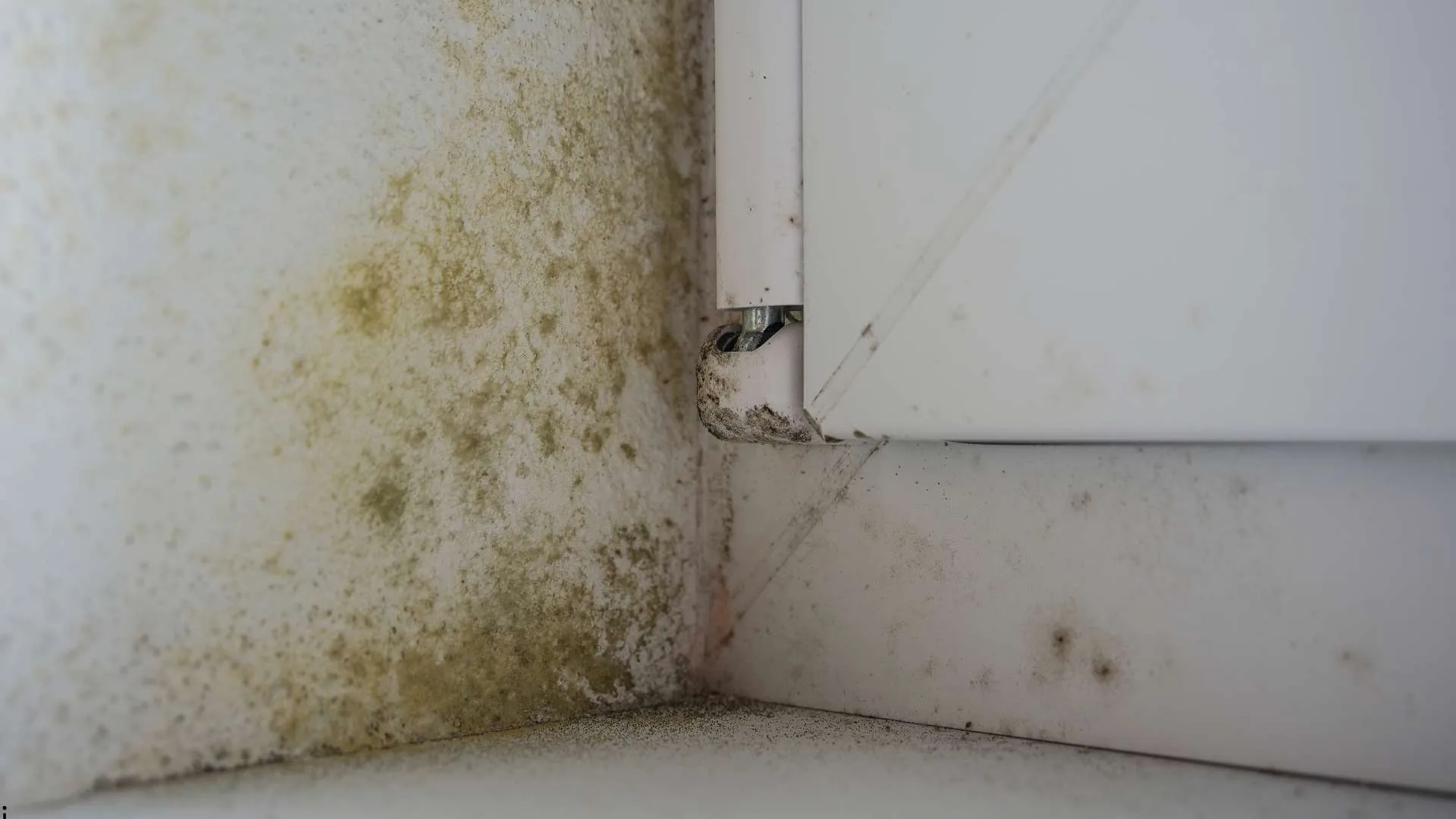
We regularly wash the glass so it sparkles in the sun. However, frame corners and lower sills often get forgotten. Dust accumulates in tiny rubber seals and window drainage holes. Once water gets trapped inside, a damp haven is born. Black spots in the corners look bad and can eventually break down the sealant, causing windows to lose their weatherproofing.
Just wiping them down isn’t enough; they need a deep clean.
Concrete Walkways and Driveways
Concrete has a tough look, but it is quite different from metal or stone materials. It’s a very porous kind of building material where moisture tends to be absorbed. Various kinds of debris such as dirt, motor oil residue, and pollen from plants enter through the very small pores and find a nice home where mold and fungi can develop very well.
In shaded spots, walkways can quickly become covered in a slippery green layer. This is not only unsightly, but it also becomes a hazard. It is easy to slip and fall on slick concrete. That is why cleaning these surfaces is a matter of family safety.
Playgrounds and Outdoor Furniture
Patio swings, plastic or wooden tables, and children’s slides often stay outside year-round. They face constant exposure to weather. Condensation collects in fabric canopy folds, under seats, and around joint hardware. Microorganisms feel right at home there.
Children touch these surfaces constantly during playtime. That is why keeping outdoor furniture and play areas clean is critical. Regular pressure washing clears away grime quickly and keeps outdoor leisure time safe.
Signs You Should Pay Immediate Attention to Your Yard
There are clear indicators that unwanted processes are already active around your home. Regular property checks help catch issues early.
Typical situations that point to hidden fungus:
- Green or black buildup appears on walls or fences and doesn’t wash off with plain water.
- A damp, earthy smell around the house even after the rain has stopped.
- Slippery wooden decks, even when it’s dry.
- Dark spots on concrete walkways or foundations that are getting bigger.
- Paint on exterior trim begins to peel or bubble up.
If you spot even two items from this list, it is time to take action. The longer spores stay on a surface, the deeper they dig into the material.
After a thorough cleanup, make sure water doesn’t pool near the house. Timely care is always cheaper than a major renovation.
How to Prevent Buildup Around the Property
The best way to handle outdoor issues is preventive maintenance. Following a few simple steps can dramatically reduce your risks.
First, regularly trim bushes and tree branches that grow close to your house walls. This lets sunlight and air reach the structure. Second, keep your gutters clean so they can channel water away properly and don’t overflow. Third, check shaded areas of your yard regularly. Don’t wait for a small spot to become a big issue.
Simple, consistent outdoor care preserves your home’s curb appeal and extends the life of your building materials for years to come.