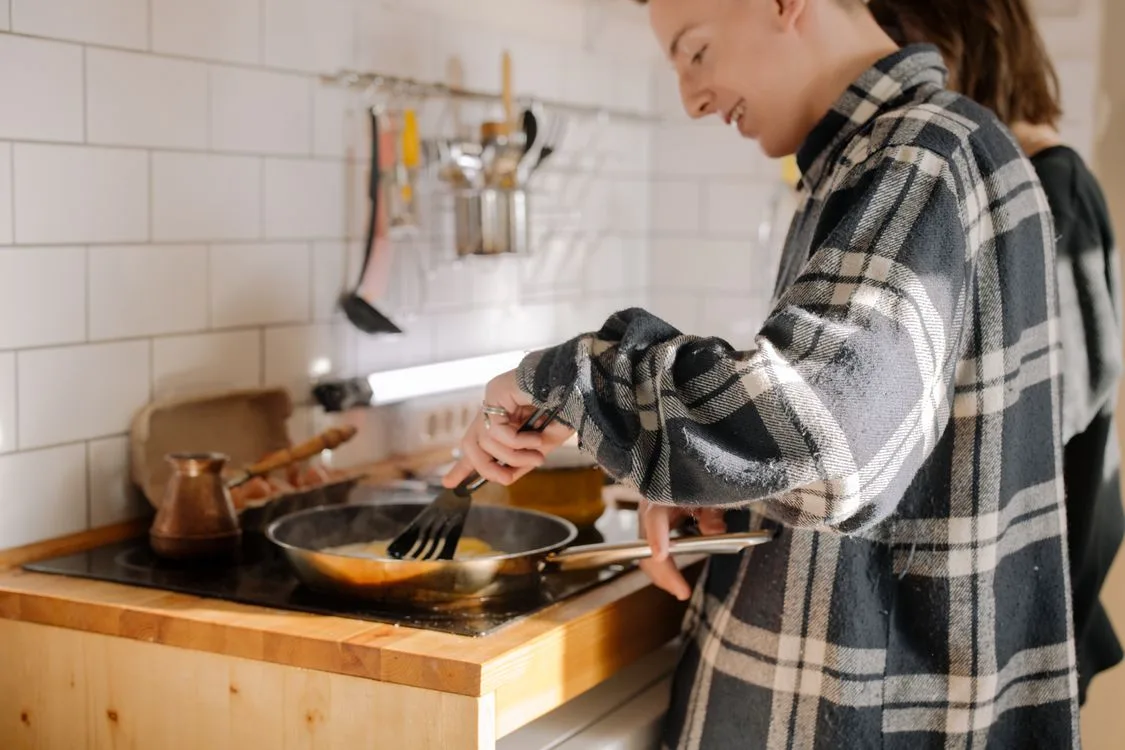
A kitchen for students and young renters has to survive real life.
Late dinners. Shared groceries. Someone reheating noodles at midnight. A roommate who owns three mugs and somehow uses all of them before lunch. This isn’t the place for delicate finishes or a layout that only works when nobody is actually cooking.
The best rental kitchens don’t try too hard. They work hard. There’s a difference.
A young renter might not care about a designer tap on day one, but they’ll notice if there’s nowhere to chop vegetables, no shelf for cereal, and a sink so small it turns one frying pan into a plumbing event. Practical choices matter more than showroom drama.
Storage Stops the Benchtop Pile-Up
Storage is the quiet hero of a rental kitchen. When there isn’t enough of it, everything lands on the counter. Bags of rice. Cereal boxes. Protein powder. Cleaning spray. One lonely avocado that nobody wants to claim.
Not ideal.
Closed cupboards usually make more sense than open shelves in a shared home. Open shelves look sweet in styled photos, but in a busy student rental, they can become a display wall for mismatched mugs, instant coffee, and dusty spice jars. Deep drawers are even better because renters can see what’s inside without crouching like they’re investigating a crime scene.
A proper pantry helps too. Students and young renters often buy basics in bulk because it saves money. Pasta, rice, canned tomatoes, noodles, snacks, tea, coffee. Give those things a real home and the whole kitchen feels calmer.
Durable Finishes Win Every Time
Here’s a firm opinion: high-use rental kitchens should prioritize durability over delicate beauty.
That doesn’t mean boring. It means sensible. Benchtops need to handle coffee spills, hot plates, crumbs, water, and the occasional “oops” with a knife. Cabinet fronts should wipe clean without fuss. Floors should cope with dropped pans, wet shoes, and traffic from people coming and going all day.
This is why many property owners think carefully about material choices during kitchen renovations Brisbane projects, especially in inner-city suburbs and areas near universities where rental homes often need to handle students, young professionals, and busy shared households.
A good laminate benchtop can be a smart choice. So can engineered stone, tiled splashbacks, vinyl plank flooring, and simple cabinet profiles. The goal isn’t to impress someone for five minutes. It’s to make the kitchen easy to live with for years.
Layout Matters More Than Size
A small kitchen can still work beautifully. A big kitchen can still be annoying.
It all comes down to movement.
Can one person open the fridge while another uses the sink? Is there bench space near the stove? Can someone unload groceries without blocking the whole room? These sound like tiny details, but they shape the daily mood of a shared house.
Bottlenecks cause friction. If the fridge door blocks the walkway, people will complain. If the bin sits too far from the prep area, scraps end up on the bench. If the cutlery drawer opens into someone’s knees, breakfast gets weirdly tense.
A good student-friendly kitchen gives people room to move, even when the room itself is compact. Clear prep space, easy access to the fridge, and a sensible sink-to-stove flow can make a modest kitchen feel far more generous.
Appliances Should Match How People Actually Eat
Not every young renter is cooking slow-braised lamb on a Tuesday. Some are, and good for them. Most need a kitchen that supports fast, affordable, everyday meals.
That means a reliable cooktop, a decent oven, space for a microwave, and room for a full-size fridge where possible. A dishwasher is lovely, but it’s not always essential. If there’s no dishwasher, the sink must be big enough to wash a pan without splashing water everywhere. Simple.
Ventilation deserves more attention than it usually gets. Shared kitchens hold onto cooking smells, especially in apartments or older homes. A good rangehood can save the whole house from smelling like last night’s fried onions. No one wants that in their bedroom.
Power points matter too. Air fryers, kettles, rice cookers, coffee machines, blenders, phones, laptops. Young renters plug in a lot. Two outlets tucked behind the toaster won’t cut it.
Make Cleaning Almost Too Easy
Shared homes run better when the kitchen is easy to clean. Not perfect. Easy.
Smooth splashbacks help. So do flat cabinet fronts, durable benchtops, good lighting, and flooring that doesn’t trap every crumb. Grout-heavy surfaces may look charming at first, but after a few months of shared cooking, they can become a tiny punishment.
Bins should sit where people actually need them. Cleaning products should have an obvious spot. The broom shouldn’t live in a mystery cupboard at the far end of the house.
Good design can’t force people to clean. Sadly. But it can remove excuses, and that’s half the battle.
The Kitchen Is Also a Social Space
For students and young renters, the kitchen isn’t just where food happens. It’s where people talk after class, split takeaway, make coffee before work, and stand around pretending they’re “just grabbing water” when they actually want a chat.
In neighborhoods shaped by student living Brisbane, especially near campuses, transport links, and inner-city rental pockets, kitchens often need to support study schedules, part-time work, housemate routines, and casual social time all at once.
A small eating spot can make a huge difference. A breakfast bar, a compact table, or even two stools at the bench can give people somewhere to land. Not every rental has room for a full dining setup, and that’s fine. A small pause point still matters.
Lighting can shift the mood as well. Harsh overhead light makes a kitchen feel like a waiting room. Warmer task lighting near the bench or eating area feels more relaxed, especially at night.
Shared Kitchens Need Personal Zones
Food causes arguments. Not always big ones. Sometimes just the quiet kind, where someone stares into the fridge and wonders who finished the milk.
Design can help.
Separate pantry shelves, enough fridge space, extra drawers, and clear storage zones reduce daily tension. A larger fridge is often worth more than a trendy feature wall. A double sink can help when several people cook at different times. More prep space means fewer awkward elbow battles.
Even a small wall organizer can be useful for bills, cleaning rosters, or reminders. Not glamorous. Very useful.
Good shared-home design doesn’t try to control people. It simply makes considerate behavior easier.
Flexibility Gives the Kitchen a Longer Life
Young renters move. Students graduate. A share house becomes a couple’s home. A couple’s home becomes an investment property. Life changes, and kitchens should be ready for that.
Neutral cabinets, hardwearing finishes, practical storage, and simple layouts age better than trend-heavy choices. Personality can come through handles, stools, lighting, plants, artwork, and small décor pieces. Those are easy to change. Ripping out bright cabinets after three years? Less fun.
A flexible kitchen suits more people. That’s good for renters, owners, and future resale value.
Comfort Is Not a Luxury
A kitchen doesn’t need marble, a wine fridge, or a dramatic pendant light to feel good. It needs to support the day.
Enough storage. Space to cook. Finishes that don’t panic at the first spill. A layout that lets people move. A place to sit, even briefly.
That’s what students and young renters really need from a kitchen. Not perfection. Function, comfort, and a bit of breathing room.