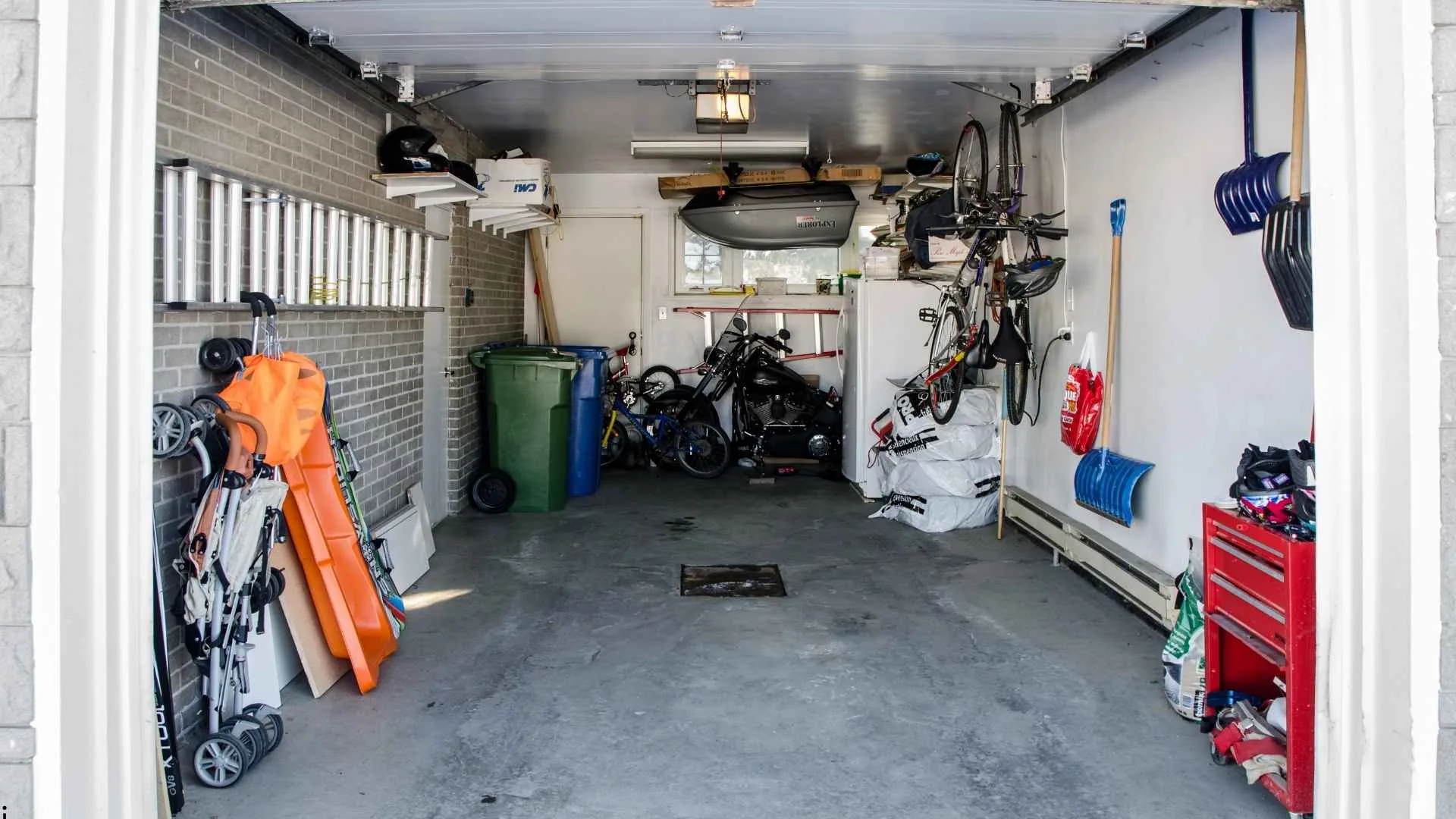
Most homeowners think about pest prevention in terms of kitchens, bathrooms, or attics, the spaces where food, water, and warmth are obvious draws. The garage, meanwhile, gets treated as an afterthought: a place for tools, holiday decorations, and the car. That oversight is exactly why garages so often become the first foothold pests establish before spreading into the rest of a home.
Unlike living spaces, garages are rarely climate-controlled, infrequently cleaned, and visited far less often than kitchens or bedrooms. That combination of low disturbance and easy outdoor access makes them uniquely attractive to a wide range of pests, from rodents to spiders to insects that feed on stored goods.
The Physical Features That Make Garages Vulnerable
Garages differ from the rest of a house in several structural ways that matter a great deal to pests.
First, garage doors rarely form a complete seal against the ground. Even new doors typically leave a gap of a quarter inch or more once weatherstripping compresses or the concrete floor settles unevenly. A gap that small may look insignificant to a person, but it’s more than enough clearance for mice, which can squeeze through openings roughly the diameter of a pencil, according to guidance from the National Pest Management Association.
Second, garages tend to have more entry points overall, vents, utility penetrations for pipes or wiring, and gaps around windows or side doors, many of which are never inspected because nobody spends much time looking at garage walls closely.
Third, temperature and moisture conditions in garages are less regulated. Concrete floors hold humidity, and poor drainage after rain or snowmelt can leave standing water in corners for days. That moisture, combined with limited airflow, creates conditions that many insects rely on for survival.
Why Specific Pests Are Drawn to This Environment
Different pests are attracted to garages for different reasons, but the underlying pattern is consistent: shelter, food, and low disruption.
Rodents seek out garages because they offer nesting material (cardboard, insulation, stored fabric), proximity to outdoor food sources, and a quiet environment to build nests undisturbed. Once inside, mice and rats often use garages as a staging area before finding their way into wall voids that connect to the main house.
Spiders are less interested in the garage itself and more interested in the insects it attracts. Garages with exterior lighting, clutter, and undisturbed corners tend to accumulate flying insects, which in turn draw spiders looking for a reliable food source.
Cockroaches, particularly species adapted to cooler outdoor environments, often enter garages seeking shelter from temperature extremes. Cardboard boxes are especially appealing to them, since the material both provides hiding spots and can absorb moisture, creating a favorable microclimate.
Ants are drawn to garages for a mix of reasons: spilled pet food, sugary residue from stored beverages, and structural gaps that lead directly outdoors. Because ant colonies operate on scent trails, even a small, consistent food source can result in a steady stream of foraging ants over time.
Stored-product pests — a category that includes pantry moths, beetles, and weevils, are less commonly discussed but genuinely significant. These insects infest items like birdseed, pet food, flour, or grains that homeowners often store in garages rather than kitchens. Once established, they can persist for months in sealed bags that aren’t actually pest-proof, since many insects can chew through thin plastic or paper packaging.
Common Risk Factors Worth Taking Seriously
Several everyday habits and conditions make garages more susceptible to infestation than they need to be:
- Gaps beneath garage doors that go unsealed for years, often because homeowners assume the door itself is a sufficient barrier.
- Cardboard storage boxes, which absorb moisture, are easy for insects to chew through, and are rarely opened or inspected.
- Open or loosely sealed pet food containers, which are one of the most common attractants for both rodents and ants.
- Standing moisture from leaks, condensation, or poor exterior drainage, which supports insect breeding and can attract rodents seeking water.
- General clutter, which creates hiding spots and makes early signs of infestation harder to notice.
- Limited foot traffic, meaning pest activity can go undetected for weeks or months before it becomes obvious.
None of these factors is unusual, as most garages have at least a few of them. The issue isn’t that any single condition guarantees a pest problem; it’s that these factors compound. A gap beneath the door, several cardboard boxes, and an unsealed bag of pet food can create suitable conditions for sustained pest activity. When pests repeatedly return despite removing these attractants, Carlsbad pest control services can help identify hidden entry points, nesting areas, and other conditions allowing the infestation to persist.
Practical Steps for Reducing Garage Vulnerability
Addressing these risk factors doesn’t require major renovations. Most improvements are procedural and low-cost.
Switch to sealed plastic storage bins. Replacing cardboard boxes with clear, lidded plastic containers removes both a nesting material and a food source for cockroaches and stored-product pests. Clear bins also make it easier to spot activity without opening every container.
Store pet food and bulk dry goods in airtight containers. Metal or heavy-duty plastic containers with tight-fitting lids are far more effective than the bags these products are originally sold in.
Inspect and seal gaps regularly. Door sweeps, weatherstripping, and expanding foam or caulk around utility penetrations should be checked at least once a year, ideally before the seasonal shift when rodents seek indoor shelter.
Address moisture sources promptly. This includes fixing leaks, improving drainage away from the garage foundation, and using a dehumidifier in especially damp climates.
Reduce clutter and create inspection routines. Even a basic quarterly walkthrough — moving stored items, checking corners, and looking behind long-term storage — can catch early signs of activity before they spread.
Check rarely moved items specifically. Holiday decorations, seasonal equipment, and boxes that haven’t been opened in over a year are disproportionately likely to harbor pests simply because they go unexamined the longest.
Homeowners in coastal and semi-arid climates, often see specific seasonal patterns, rodents seeking shelter as outdoor temperatures shift, and ants becoming more active during drier stretches when they search for moisture. Recognizing these local patterns helps explain why the same garage conditions can produce different pest issues depending on the time of year.
When Garage Activity Signals a Larger Problem
In many cases, homeowners only notice a pest issue once it has moved beyond the garage — droppings near a laundry room door, ants appearing in a kitchen, or webbing showing up in interior corners. By that point, the garage was likely the entry point weeks or months earlier.
If pest activity appears to be spreading from the garage into living spaces, or if an infestation is already established in wall voids or insulation, professional inspection becomes more useful than continued DIY effort. A licensed provider of pest control services can identify entry points that aren’t obvious to homeowners, assess the extent of an infestation, and recommend treatment appropriate to the specific pest involved, since rodents, ants, and stored-product insects each require different approaches.
Final Analysis
Garages sit at the intersection of nearly every condition pests look for: outdoor access, low disturbance, inconsistent temperature and moisture, and abundant hiding spots. These aren’t flaws in how people use their garages — they’re simply structural and behavioral realities that most homes share. Understanding why garages are vulnerable, and addressing the specific risk factors involved, is one of the more effective ways to prevent small pest issues from becoming larger ones inside the home.