A replacement window is supposed to solve problems. That’s the deal. You spend the money, the old drafty window disappears, everybody shakes hands, and life moves on. Simple. Except sometimes it doesn’t.
A few months later there’s condensation where there shouldn’t be condensation. A faint whistle appears whenever the wind gets ambitious. One sash sticks. Another rattles. Rain shows up in places rain was definitely not invited to visit.
At that point, most homeowners blame the window. That makes sense. It’s the part they can see, so it’s the part they assume is causing the problem. But even the highest-quality window depends on proper installation to perform the way it should. The same thing happens with every window installation San Francisco locals order sooner or later. The product matters, sure. The installation matters just as much. Maybe more.
Sometimes the problem begins before the window even arrives at the house. Sometimes before anyone picks up a tool, which is slightly terrifying if you think about it long enough.
Accurate Measurements Come First
Nobody gets excited about measurements. Let’s be honest—nobody has ever called a friend and said, “You have to hear about these incredible window measurements.”
Yet this is where things quietly go sideways.
A quarter inch doesn’t sound like much. Neither does an eighth. But houses have been turning tiny mistakes into expensive lessons for centuries. Especially older houses. Older houses are basically architectural storytellers. Floors settle. Walls shift. Openings drift out of square. Sometimes one side of a window opening seems to belong to an entirely different universe than the other side.
You measure. Then measure again. Then again because the numbers are behaving suspiciously.
A window that’s even slightly off can create gaps. Not dramatic movie-style gaps. Tiny ones. The annoying kind. The kind that allow air to sneak through during winter while you’re sitting on the couch wondering why one corner of the room feels colder than the rest.
Tiny problems are sneaky. That’s their whole thing.
Flashing Protects More Than the Window
Let’s talk about something homeowners almost never talk about.
Flashing.
Flashing may be one of the least appreciated heroes in the entire construction industry. Water is relentless. Not aggressive—relentless. Aggressive things smash through barriers. Water just keeps looking for opportunities. A crack here. A seam there. A tiny opening no wider than a credit card. Then it waits. And waits. Water has tremendous patience—far more patience than homeowners.
Flashing exists to redirect that water before it starts exploring places it shouldn’t explore. Behind trim. Into framing. Around insulation. Inside wall cavities where unpleasant surprises like to grow.
Homeowners often don’t notice flashing problems immediately. Months pass, sometimes longer—then one day there’s discoloration. A stain. Maybe a smell. And suddenly everyone is having a much more expensive conversation than they planned.
Air Sealing Matters as Much as Insulation
People hear “energy efficiency” and immediately picture insulation. Fair enough. Insulation gets all the publicity. Air leakage quietly does its damage backstage.
Imagine wearing a thick winter jacket while leaving the zipper halfway open. Technically you’re wearing a jacket. Technically. It doesn’t protect you from the cold the way it was designed to, though
Around every window frame sits a small gap between the window and the surrounding structure. Not huge. Barely noticeable. But air doesn’t need much space to get in. Proper foam insulation, sealants, and air sealing create a barrier that stops outside air from treating your home like a public walkway.
Without that protection, conditioned air escapes. Outside air enters. Utility bills start behaving badly. Not dramatically at first. Just enough to make you suspicious. You know that feeling when something seems wrong but you can’t quite prove it? That’s often how air leaks begin.
Installation Doesn’t End When the Window Is In
People assume the hard part ends when the window slides into place. Done. Finished. Take a picture. Go home.
Not even close.
A newly installed window still needs attention. Adjustments. Testing. Tiny corrections that seem insignificant until they’re ignored. A sash might not glide smoothly. A lock may feel slightly stubborn. Weatherstripping could sit just a little out of position. Nothing catastrophic. Yet.
That’s the problem with details. They don’t look important while they’re still details.
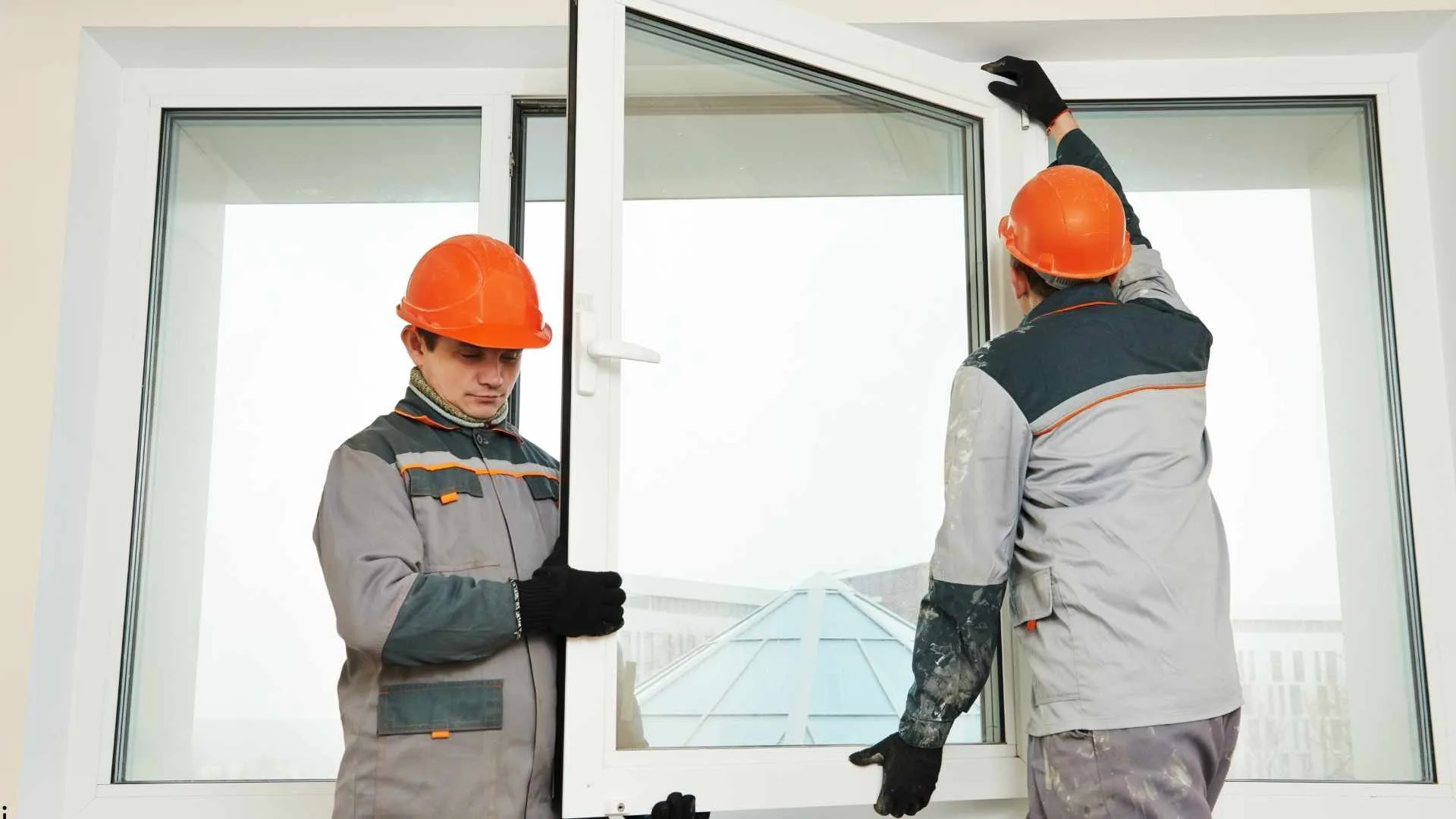
A skilled installer spends time checking things most homeowners will never notice directly. Opening, closing, locking, unlocking. Looking for resistance. Looking for alignment issues.
The boring stuff. Construction is filled with boring stuff that turns out to be incredibly important.
Questions to Ask Before Hiring an Installer
Nobody wants to feel difficult. Nobody wants to sound like they’re interrogating a contractor. But asking questions before signing a contract is infinitely easier than asking questions after discovering water damage:
- Ask how measurements are verified
- Ask how flashing will be installed
- Ask what products are used for sealing and insulation
- Ask who performs quality-control inspections
- Ask what happens if something doesn’t work correctly after installation
Then pay attention to the responses. Not just the words—the attitude.
Experienced professionals usually answer these questions without hesitation. They’ve heard them before. Probably hundreds of times. Vague answers aren’t always a red flag, but they’re rarely a green one.
Let’s put it that way.
Conclusion
People spend weeks comparing frame materials. Glass coatings. Energy ratings. Brand names. Then they spend maybe fifteen minutes thinking about installation. Which is a bit like obsessing over the quality of a parachute while completely ignoring who packs it and how.
The reality is less colorful than marketing brochures suggest. Windows fail early for surprisingly ordinary reasons. A measurement that’s slightly off. Flashing that wasn’t handled correctly. Air sealing that got rushed. Final adjustments that never happened.
The best window installation projects usually disappear from memory. Homeowners stop thinking about them entirely. No drafts. No leaks. No strange noises during storms. Just years of opening, closing, and looking through the glass without ever wondering whether something behind the trim is plotting against them.
That’s the goal. In the window world, it’s practically perfection.
FAQ
Why do new replacement windows leak?
Leaks often originate from installation issues rather than manufacturing defects. Improper flashing, poor sealing, drainage problems, or measurement errors are common causes.
Can poor installation void the manufacturer’s warranty?
Yes. Many manufacturers require specific installation methods, and failure to follow those guidelines may affect warranty protection.
How can I tell if my windows were installed correctly?
Properly installed windows should operate smoothly, lock securely, resist drafts, and show no signs of water intrusion or condensation issues around the frame.
Are drafts normal after window replacement?
No. New replacement windows should create a tight seal. Persistent drafts often indicate installation or sealing problems.
How long should replacement windows last?
Quality replacement windows can last for decades when installed correctly and maintained properly.