Largest House in Indiana – Big Tree Farm 50,762 House Tour 2026

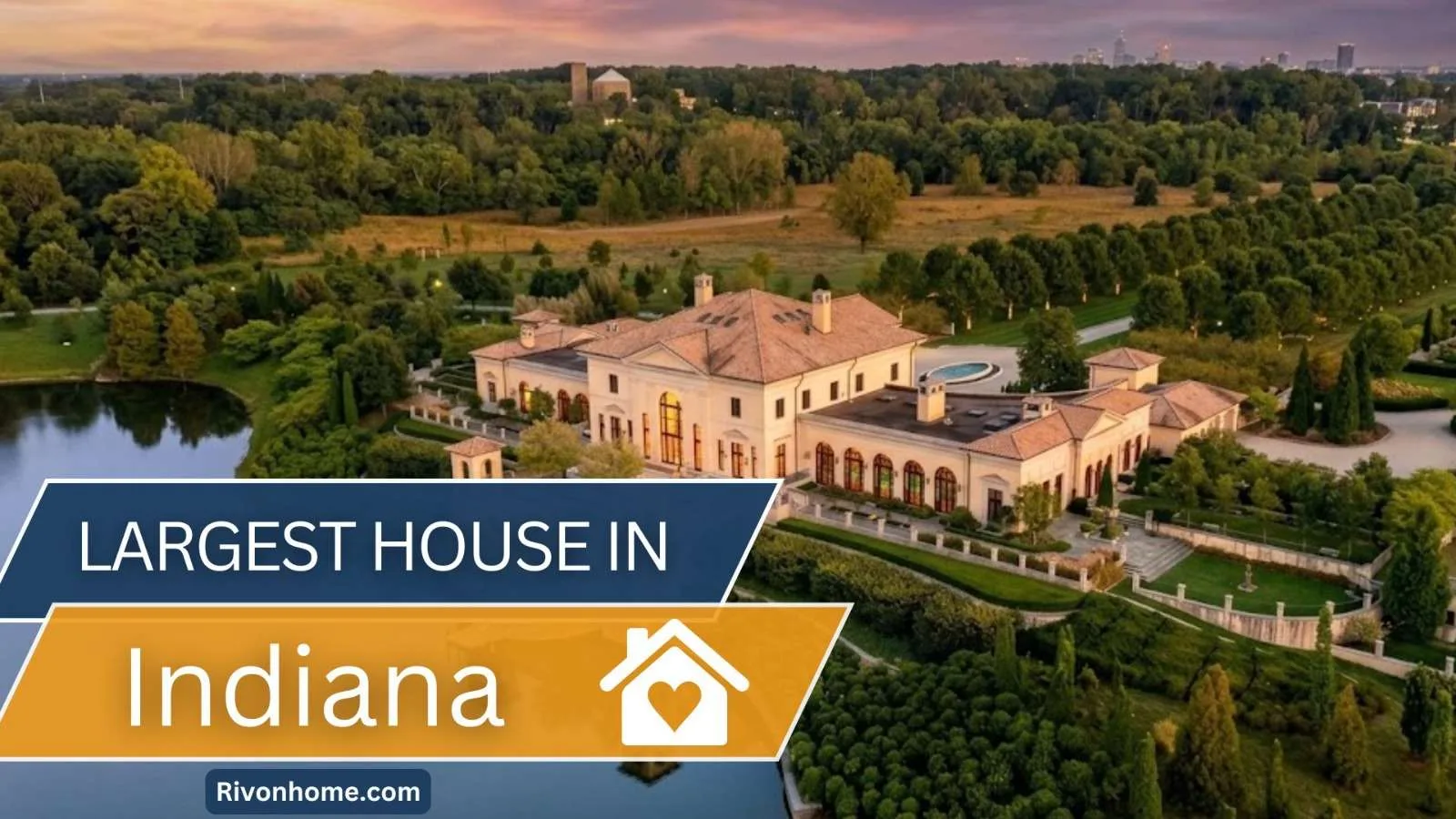
As Stefano Schiavon from RivonHome, visiting Largest House in Indiana gave me a new appreciation for the scale of luxury living in the Midwest. Set on 550 peaceful acres in Santa Claus, Indiana, this remarkable estate feels more like a private resort than a residence.
What impressed me most was learning that owner Ed Ewing spent nearly 30 years bringing his vision to life, creating one of the largest and most extraordinary homes in Indiana. 🏡✨
Quick Facts About Big Tree Farm
Largest House in Indiana is a massive 50,762 square foot property spanning 550 acres in Santa Claus, Indiana. Built in 2003, it took 30 years to complete. The estate features a main lodge, guest houses, diner, car museum, and amphitheater.
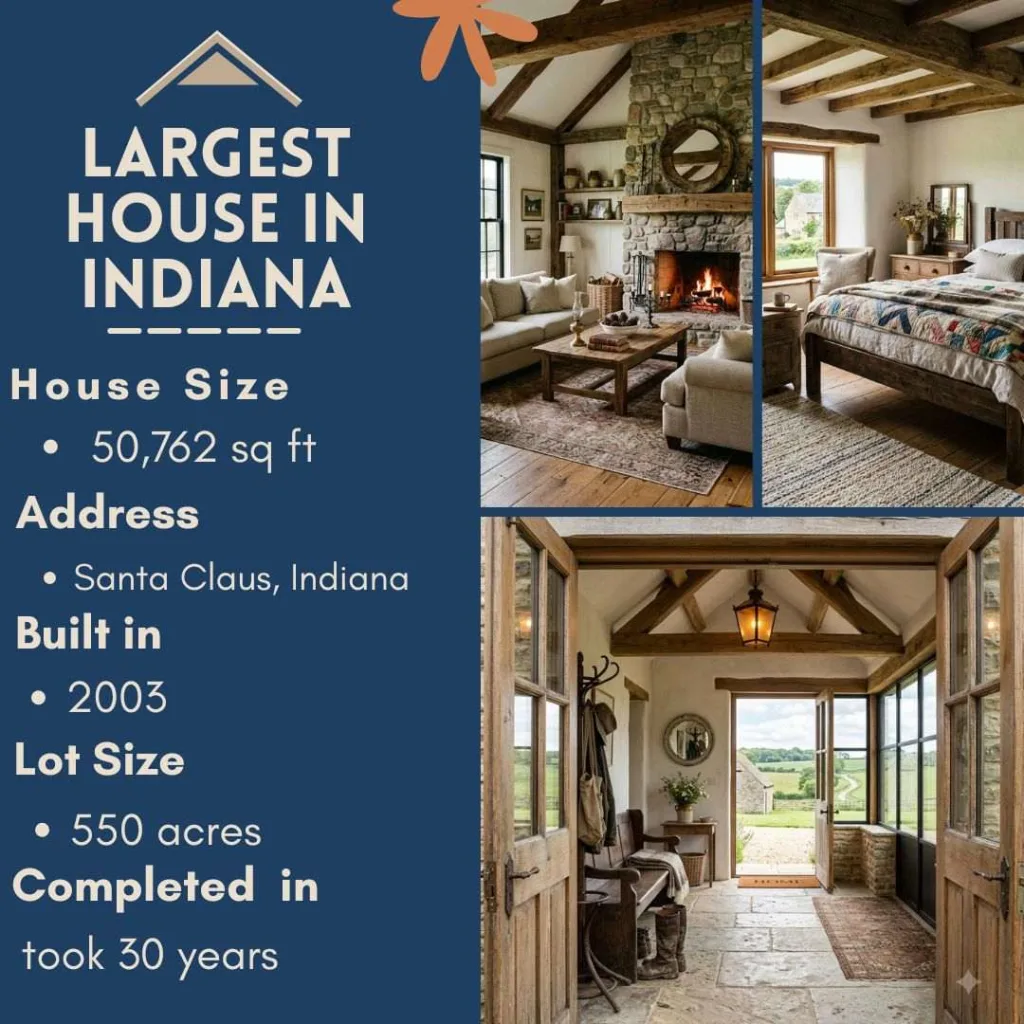
Listed by Kara Hinshaw at Key Associates Realty for $48 million. While comparable to the Largest House in Alabama in scale and luxury amenities, this Indiana estate stands as the region’s most expansive residential complex.
Largest House in Indiana Location
Full Address : Santa Claus, Indiana
Largest House in Indiana sits in Santa Claus, Indiana, a charming Christmas town attracting over one million visitors annually. Holiday World & Splashin’ Safari is nearby. Lincoln Boyhood National Memorial Park also draws many visitors. Huntingburg International Airport sits just ten minutes away. Like the Largest House in Georgia, this Indiana estate masterfully balances complete privacy with convenient access to regional attractions and transportation hubs.
Inside Largest House in Indiana : Interior and other features
Discover the opulent interior design, luxurious amenities, stunning architectural features, and sophisticated spaces that define Luxury at Largest House in Indiana.
Enterance
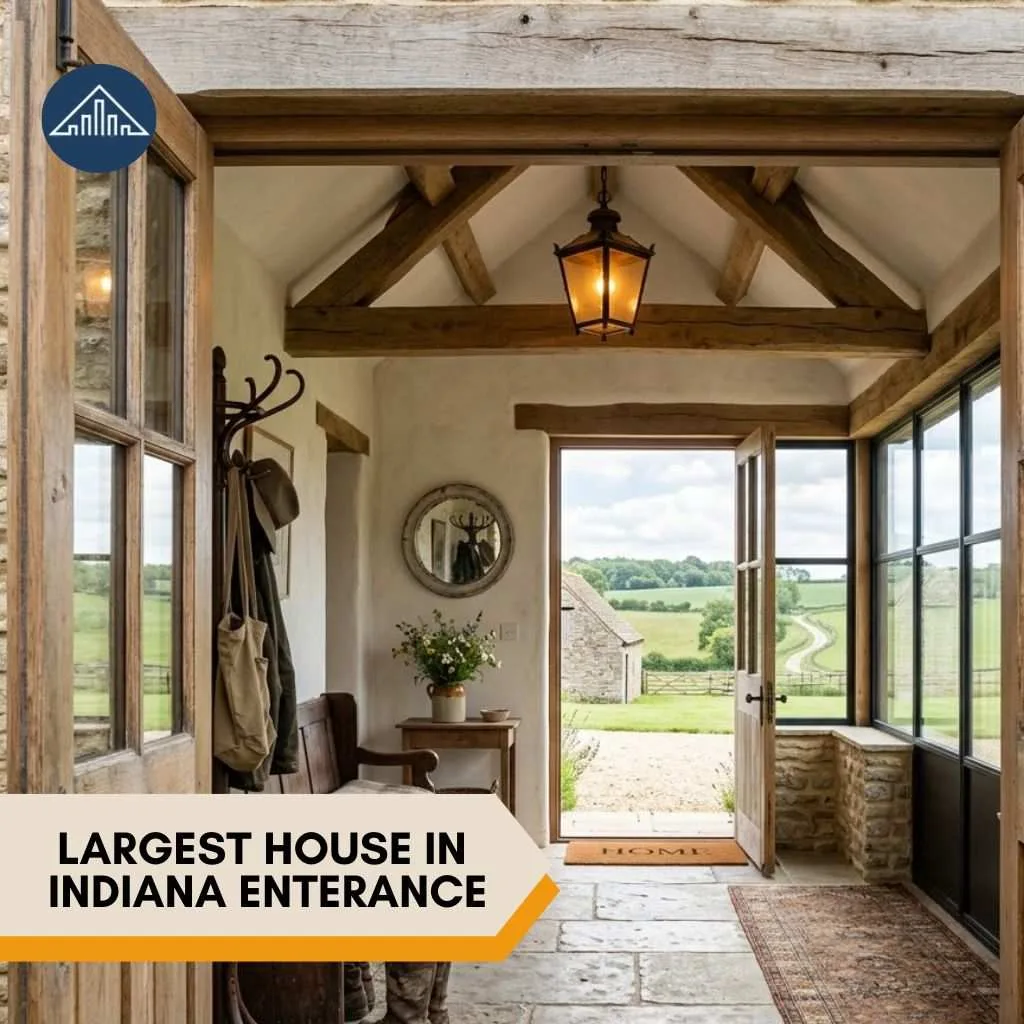
The farmhouse entrance greets visitors with rustic charm—wide wooden doors, exposed beams overhead, and weathered stone flooring. A spacious vestibule features vintage coat racks and benches for removing boots. Large windows frame views of sprawling grounds. Period lighting fixtures cast warm amber tones. The entry sets the farmhouse’s welcoming, grounded aesthetic from the moment guests arrive.
Bedroom
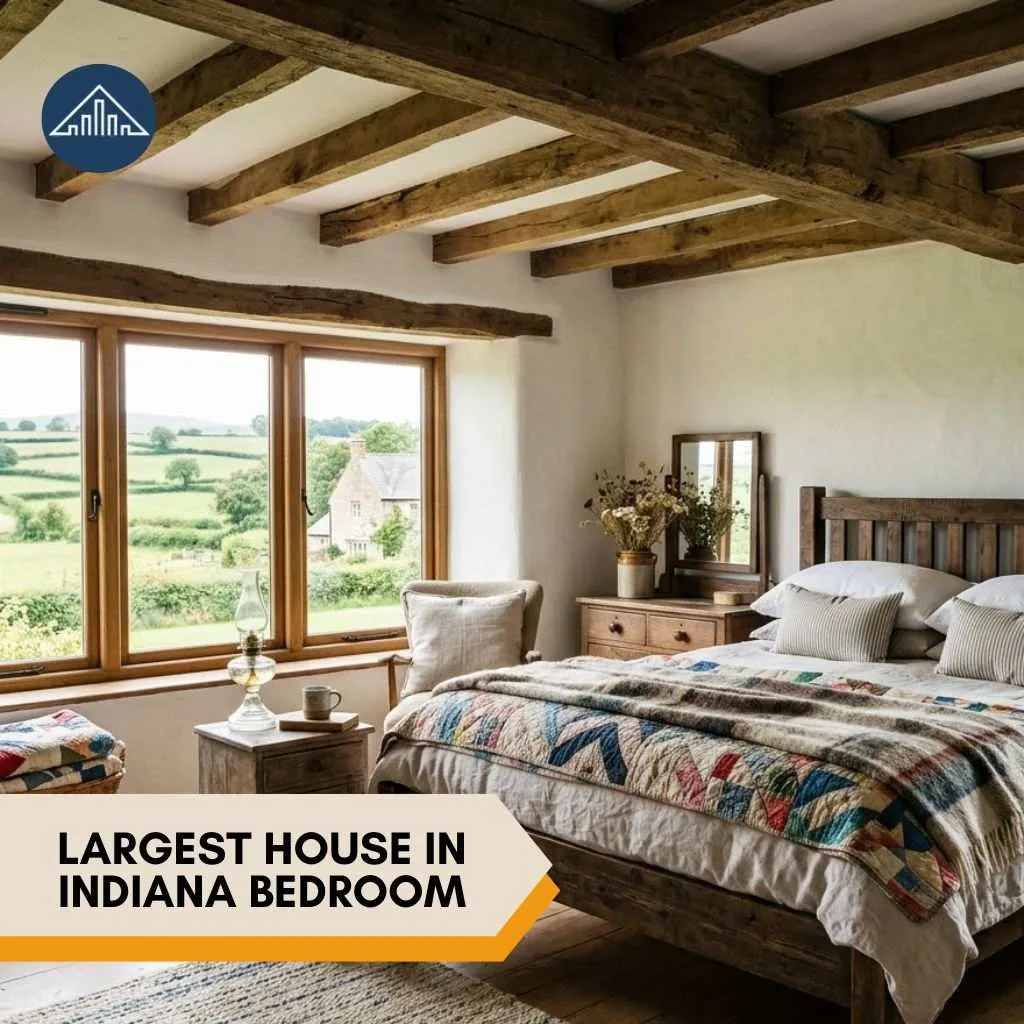
Farmhouse bedrooms feature sturdy wooden bed frames, soft linens, and vintage quilts layered for warmth and texture. Exposed wooden beams run across ceilings, while whitewashed walls reflect natural light from large windows overlooking fields. Antique nightstands hold oil lamps. Wood flooring is covered with woven rugs. The space prioritizes comfort, simplicity, and connection to rural landscapes outside.
Bathroom
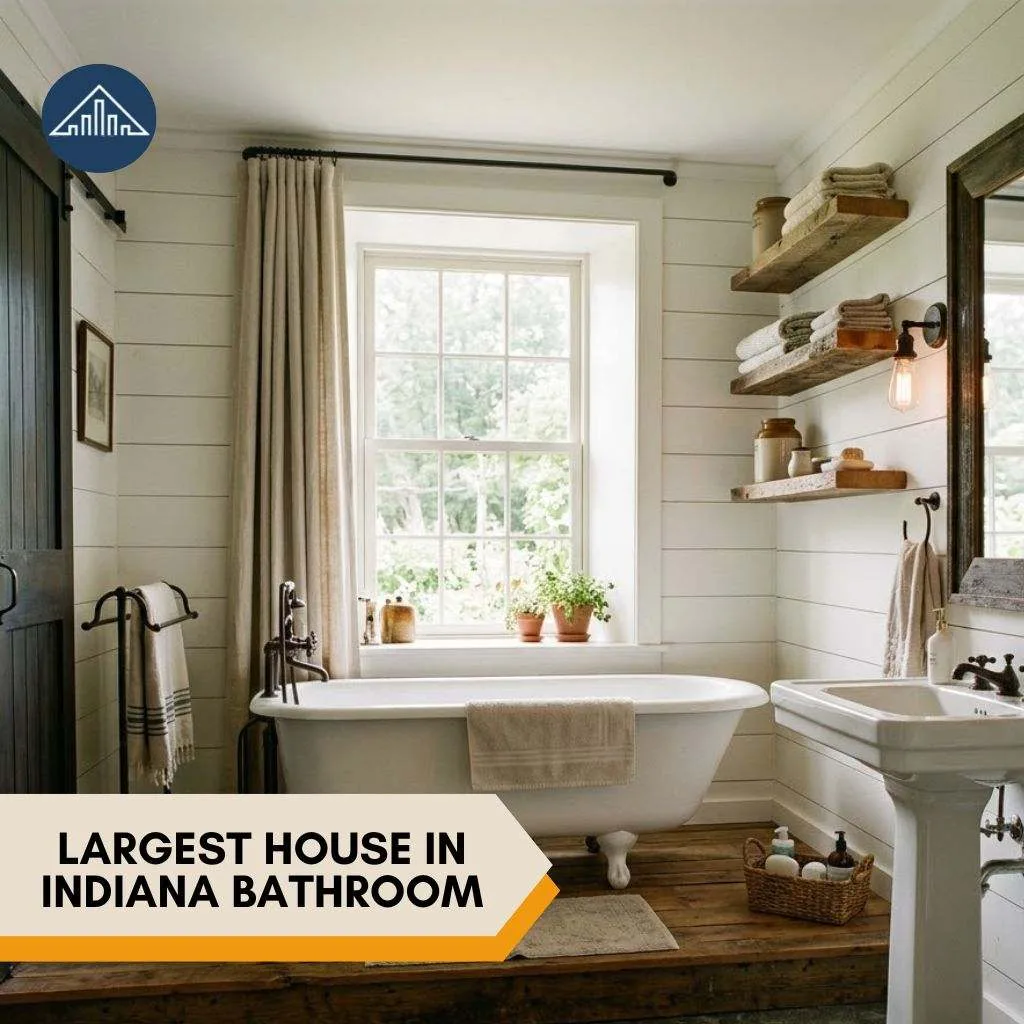
Farmhouse bathrooms combine vintage fixtures with practical design—clawfoot tubs sit on wooden platforms, pedestal sinks display classic porcelain, and deep-set windows provide natural light. Shiplap walls, reclaimed wood shelving, and wrought iron accents add character. Weathered mirrors and Edison bulb sconces enhance rustic warmth. Stone tile flooring supports durability. The overall aesthetic balances historical charm with functional comfort and easy maintenance.
Kitchen
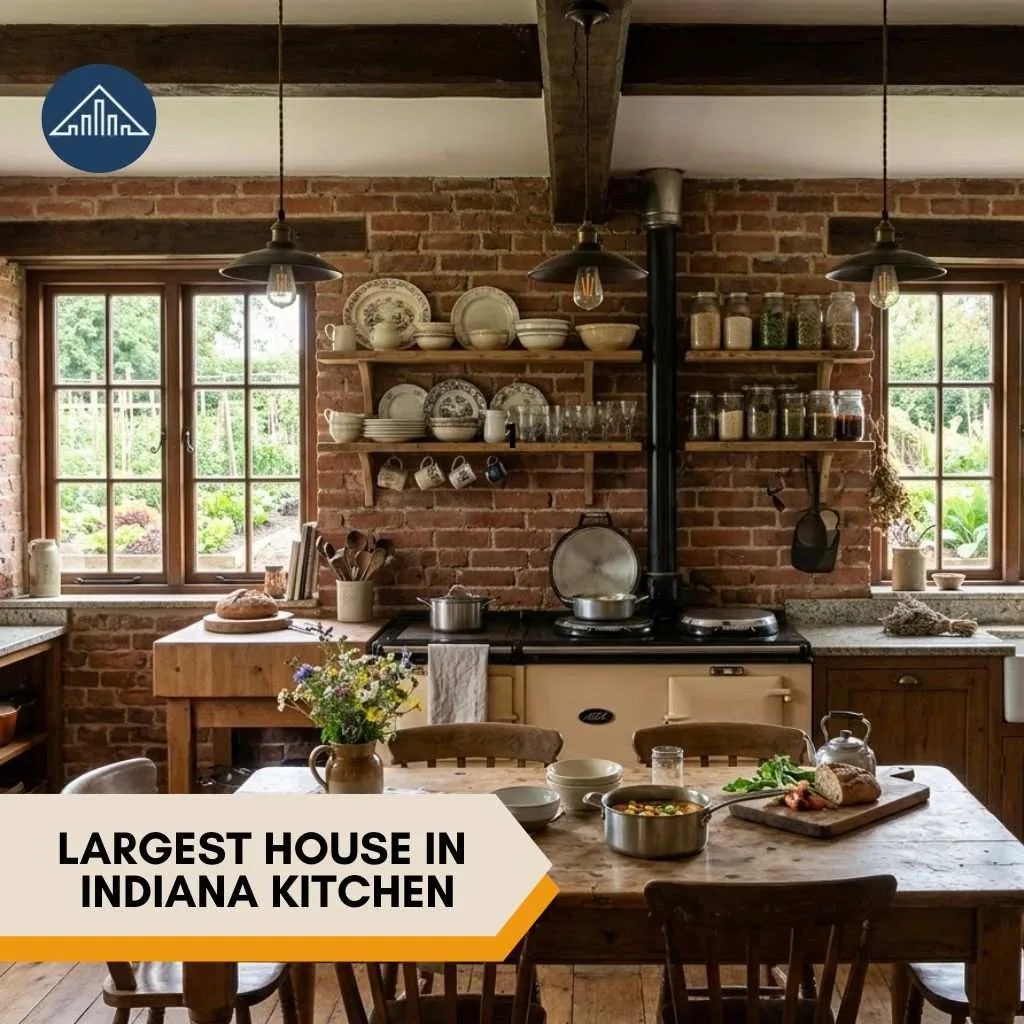
The farmhouse kitchen centers on a substantial wooden table for gathering and cooking. Open shelving displays vintage dishes and mason jars. A large farmstead stove dominates one wall, complemented by granite countertops and butcher block surfaces. Pendant lights hang low over work areas. Windows overlook vegetable gardens. Brick or stone accents, exposed beams, and worn wood flooring reinforce the heart-of-home warmth and functionality.
Living Space
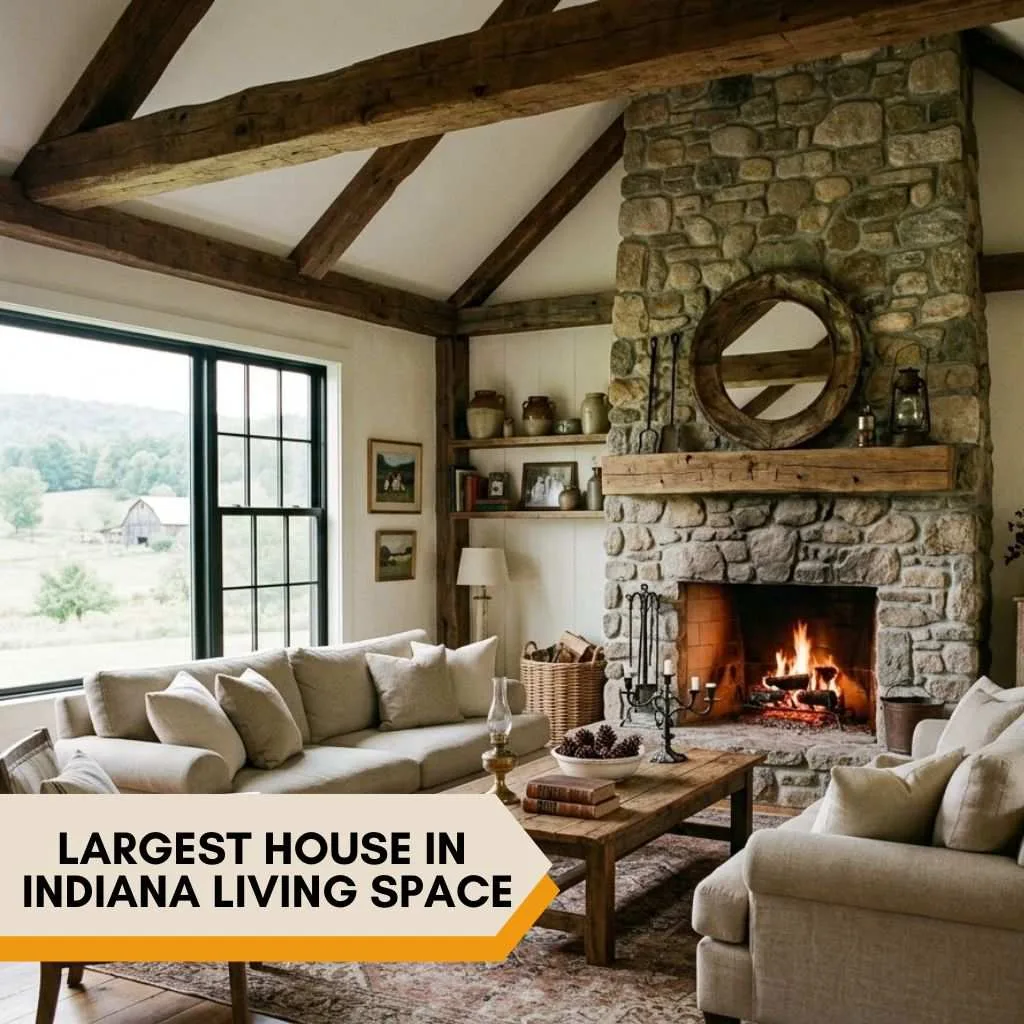
Farmhouse living rooms emphasize gathering and relaxation with deep sofas arranged around fireplaces with exposed stone or brick. Wooden beams frame ceilings; neutral upholstery encourages comfort. Vintage rugs layer over hardwood floors. Coffee tables showcase antique books and farm artifacts. Windows provide views of surrounding land. Simple, sturdy furniture encourages conversation. The space feels lived-in, welcoming, and authentically connected to rural heritage and natural surroundings.
Largest House in Indiana Timeline
Explore Largest House in Indiana construction journey, significant milestones, historical development phases, and evolution from conception to becoming Indiana’s largest estate.
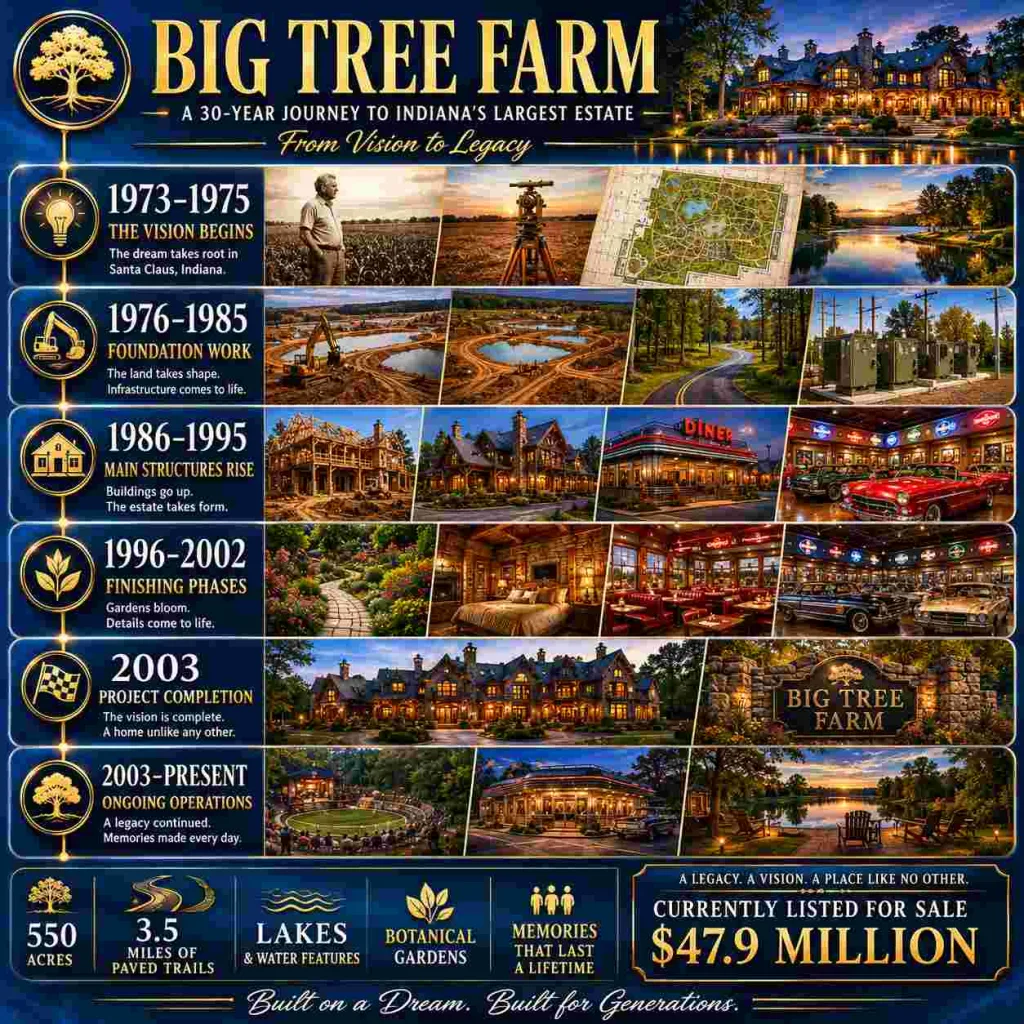
1973-1975: The Vision Begins
Ed Ewing purchases the cornfield land in Santa Claus, Indiana. He develops his vision for a private entertainment complex. Initial planning and design work starts. The property is surveyed and mapped out. Infrastructure planning begins for water, electricity, and roads.
1976-1985: Foundation Work
Major construction begins on the main lodge. Lakes are dug and engineered. The 3.5 miles of paved trails are laid out. Utilities are installed across 550 acres. Electrical lines are run to all areas. Water systems are built for the lakes and grounds.
1986-1995: Main Structures Rise
The main lodge structure is completed. Guest houses are built on the property. The diner building is constructed. The car museum structure is erected. The garden amphitheater takes shape. Multiple outbuildings go up. Interior work begins on main areas.
1996-2002: Finishing Phases
Botanical gardens are planted and established. Interior finishes are completed throughout. The guest quarters “Stables” are finished. Each guest suite is decorated. The diner is fully equipped. The car museum is prepared for display. Final landscaping and garden work happens.
2003: Project Completion
The main house is completed and finished. Ed Ewing moves into Big Tree Farm. All major construction ends. The property becomes fully operational. The 30-year journey reaches completion. The estate is ready for entertaining and events.
2003-Present: Ongoing Operations
Ed Ewing uses the property for charity events. The diner operates for visitors and guests. The car museum displays the collection. The amphitheater hosts gatherings. Maintenance and updates continue. The property remains a private entertainment complex. Currently listed for sale at $48 million.
Other Largest House in Indiana
Discover the other largest houses in Indiana beyond Big Tree Farm, including luxurious mansions featuring world-class amenities, stunning architecture, and remarkable features.
The Carmel Mansion
Carmel’s 30,000-square-foot mansion on a 30-acre lake has eight bedrooms and twelve bathrooms. Built by Paul Shoopman, it features indoor and outdoor pools, bowling alley, basketball court, spa, theater, fireplaces, five-car garage, and separate office and in-laws’ quarters with independent kitchens.
The Evansville Mansion
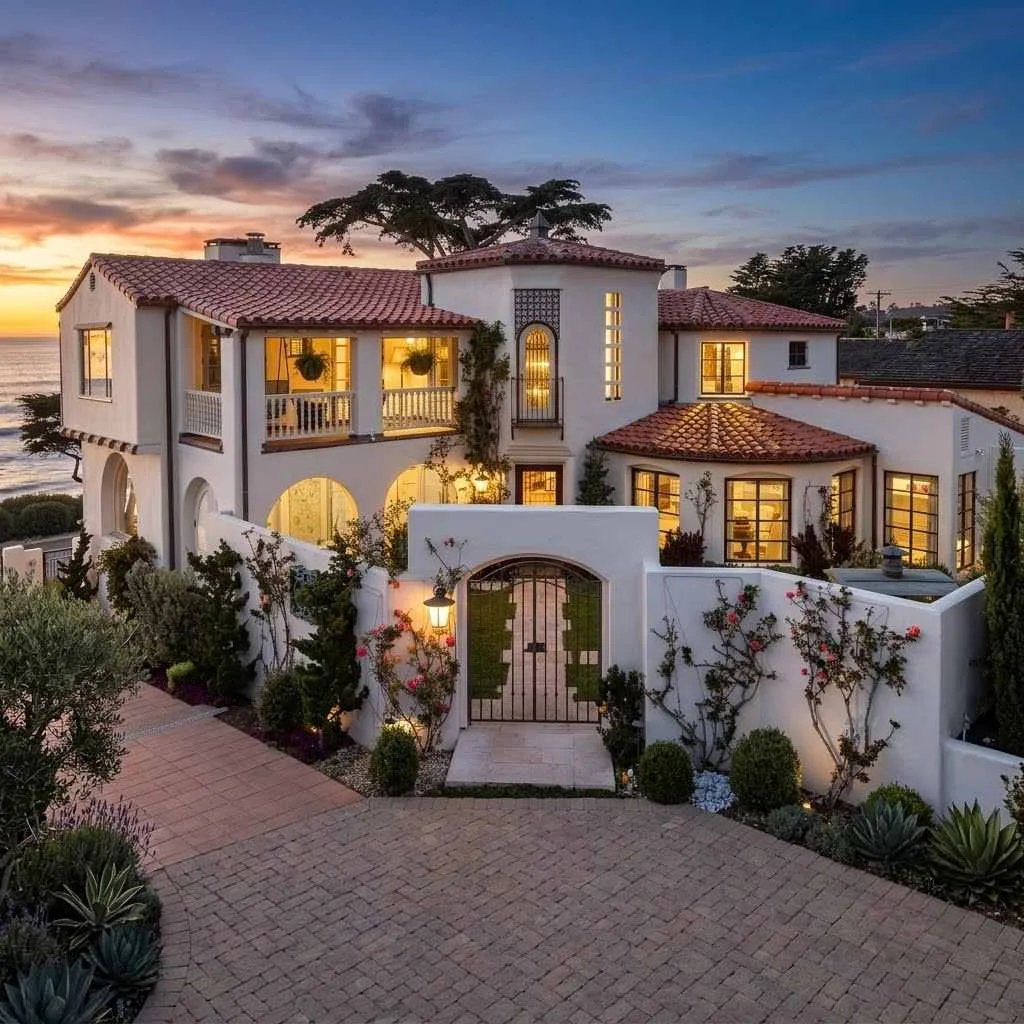
Evansville’s 23-room mansion at 7700 Henze Rd has five bedrooms and 6.5 bathrooms, listed at $4.9 million. After abandonment, it’s Indiana’s second-largest home. The lower price makes luxury accessible to different buyers seeking substantial properties and investment opportunities available nationwide.
The Power of Space: What Makes Largest House in Indiana Unforgettable
Explore how expansive room dimensions, bold architectural innovation, and thoughtfully designed spaces truly transform these luxury homes into unforgettable estates.
Big Tree Farm: The Entertainment Complex
Largest House in Indiana 550 acres host a full diner, car museum, and garden amphitheater. Guest suites named after Derby winners occupy “The Stables.” The grounds feature 3.5 miles of trails, botanical gardens, waterfalls, and multiple lakes throughout, connecting everything seamlessly.
Carmel Mansion: The Leisure Spaces
The Carmel mansion features indoor and outdoor pools, bowling alley, basketball and racquetball courts, spa, and home theater. The 30-acre private lake and boathouse add leisure appeal. A five-car garage and separate guest quarters create resort-like amenities for luxurious living.
Evansville Mansion: The Historic Spaces
This mansion is famous for its 23 rooms. Each room serves a different purpose. The size allows for formal entertaining. Historic architecture defines the property. The abandoned history adds mystery and intrigue. The spaces tell stories of past owners and events.
Why 30 Years?
Building took three decades for good reasons. The scale is enormous at 50,762 square feet. The 550 acres required extensive infrastructure. Lakes needed proper engineering and permits. Botanical gardens need years to mature. The vision was complex and detailed. Ed Ewing wanted perfection, not speed.
Each phase was completed before the next started. The foundation had to be right. Infrastructure came before buildings. Landscaping came after structures. This sequencing took time. Quality mattered more than speed. The result proves the 30-year investment was worth it.
The Cornfield to Mansion Story
The property started as a cornfield. Ed Ewing had a vision for something special. He wanted to create something beyond a typical house. The idea grew into a full entertainment complex. The cornfield transformation tells a story. It shows what’s possible with vision and resources.
This narrative appeals to buyers. Everyone loves an underdog story. The property represents ambition and achievement. It shows what determination can build. The cornfield origin makes it more interesting than inherited wealth. The transformation story adds emotional value.
Why This House Is Different from Other houses?
Most big houses are just larger versions of normal homes. Big Tree Farm is completely different. It’s designed as a resort on private land. It has commercial spaces mixed with residential areas. The diner serves both residents and visitors. The car museum functions as a business attraction.
This hybrid purpose makes it unique. You rarely see this combination. Most estates are purely residential. Some are purely commercial. Big Tree Farm does both successfully. This flexibility appeals to different buyer types. It’s why the price is so high.
Frequently Asked Questions about (Largest House in Indiana)
Find answers to common questions about Largest House in Indiana, its remarkable features, amenities, history, and what makes it extraordinary.
Q: Is Big Tree Farm Actually the Largest House in Indiana?
A: Yes. Big Tree Farm has 50,762 square feet and 550 acres. It’s Indiana’s largest by both measures.
Q: Why Does Big Tree Farm Cost $48 Million?
A: The 550 acres, 50,762 square feet, commercial spaces, infrastructure, and location justify the price. It’s one-of-a-kind.
Q: Can I Rent Big Tree Farm for Events?
A: The listing doesn’t mention event rental. However, the amphitheater and diner suggest event potential. A new owner could monetize these spaces.
Q: How Long Would It Take to Build Big Tree Farm Today?
A: It took 30 years from 1973 to 2003. Today it would take longer. Stricter environmental regulations and land restrictions now exist.
Q: Are There Any Other 50,000+ Square Foot Homes in Indiana?
A: No. Big Tree Farm is the only one. The Carmel mansion at 30,000 square feet is second. Big Tree Farm is truly unique.
Q: Who Would Want to Buy Largest House in Indiana?
A: Philanthropists, business owners, celebrities, families, hotel operators, investors, and collectors. Anyone with Ed Ewing’s vision for a large estate.
Q: What Are the Monthly Costs to Own Largest House in Indiana?
A: Property taxes, utilities, trail maintenance, gardens, pool care, and staff are expensive. Estimates suggest $50,000+ monthly minimum.
Q: Is Largest House in Indiana Still for Sale?
A: The listing came on market, dropped off, then returned. Current status requires checking with Kara Hinshaw at Key Associates Signature Realty.
Q: How Does Big Tree Farm Compare to Mega Mansions in Other States?
A: Smaller than national mega mansions. Biltmore Estate has 250,000 square feet. But Big Tree Farm uniquely combines size with commercial functionality.
Q: Can First-Time Home Buyers Buy Something in Indiana?
A: Yes. Indiana offers first-time buyer programs. FHA loans, USDA loans, and IHCDA assistance are available. Pre-approval is the first step.
Q: What Makes Indiana Real Estate Different?
A: Indiana offers affordable housing with reasonable taxes. The market is diverse and stable. It attracts families and investors with diverse options.
Final Thoughts
Largest House in Indiana is Indiana’s biggest house. No other property matches it in size or scope. The 50,762 square feet and 550 acres are unmatched. The $48 million price reflects its uniqueness. The commercial spaces add investment value. The location near tourist attractions helps.
Other Indiana homes like Carmel’s 30,000-square-foot mansion and Evansville’s historic house exist, but Big Tree Farm stands alone. For those seeking Largest House in Indiana, Big Tree Farm is the definitive answer, surpassing all other properties in scale and luxury amenities.
