
Best Lemon Chicken Marinade Recipe for Juicy, Flavorful Chicken

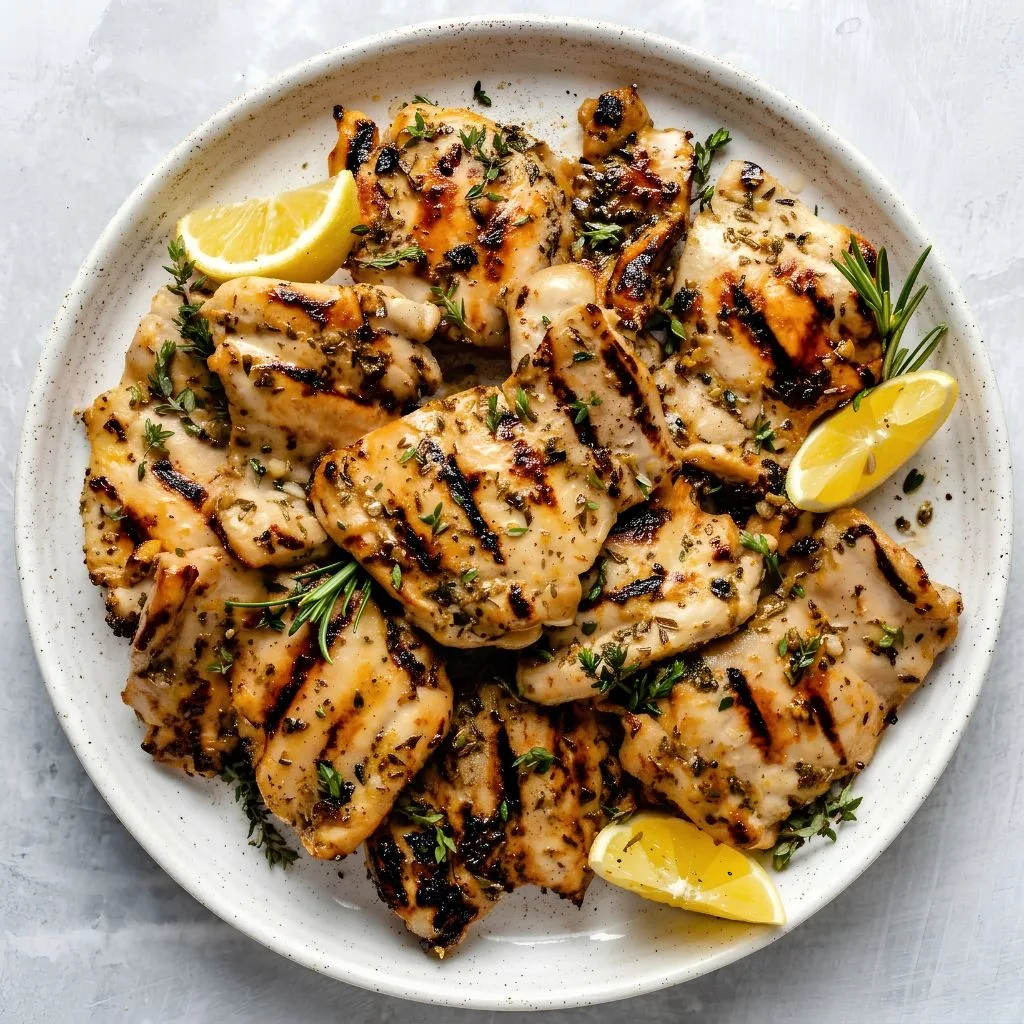
I love making this Lemon Chicken Marinade Recipe whenever I want chicken that tastes fresh, juicy, and full of flavor without spending hours in the kitchen. After trying different combinations, I find that fresh lemon juice, garlic, olive oil, and a few simple seasonings create a wonderfully balanced marinade.
What I enjoy most is how easily this recipe works with chicken breasts, thighs, drumsticks, or even skewers for a summer barbecue. The citrus adds brightness, while the garlic and herbs give every bite a delicious savory flavor.
Whether I am preparing a quick weeknight dinner or planning a family cookout, this simple lemon chicken marinade is one of my favorite ways to make chicken more exciting.
Cooking Time
This lemon chicken marinade recipe takes only a few minutes to prepare, making it perfect for busy days when I want maximum flavor with minimal effort.
- Prep Time: 10 minutes
- Cooking Time: 15–25 minutes, depending on the chicken cut and cooking method
- Marinating Time: 30 minutes to 2 hours for the best balance of flavor and texture
- Total Time: 55 minutes to 2 hours 35 minutes, including marinating and cooking
The total time varies depending on how long you marinate the chicken. Always cook chicken until its internal temperature reaches 165°F (74°C).
Ingredients for Lemon Chicken Marinade
I use everyday ingredients to create a simple lemon garlic marinade for chicken that tastes fresh, savory, and slightly tangy. The following quantities are suitable for approximately 1½ pounds of boneless chicken.
- ¼ cup fresh lemon juice – Provides a bright citrus flavor; freshly squeezed juice tastes best.
- 2 tablespoons olive oil – Helps distribute the seasonings and keeps the chicken moist during cooking.
- 4 garlic cloves, minced – Adds a rich, savory aroma; freshly minced garlic gives the strongest flavor.
- 1 tablespoon Dijon mustard – Adds a gentle tang and helps the oil and lemon juice combine.
- 1 tablespoon honey – Balances the lemon’s sharpness with a subtle sweetness.
- 1 teaspoon dried oregano – Brings an earthy, Mediterranean-style herbal flavor.
- 1 teaspoon paprika – Adds warmth, color, and a mild peppery note.
- ½ teaspoon salt – Enhances the natural flavor of the chicken.
- ½ teaspoon freshly ground black pepper – Gives the marinade a mild, spicy finish.
- 1 teaspoon lemon zest – Boosts the citrus aroma without adding too much extra acidity.
Note: Serves several, approximately 4 people, depending on portion size.
Equipment You Need
- Mixing bowl – Provides enough space to whisk the marinade ingredients together.
- Measuring cups and spoons – Help maintain the right balance of lemon juice, oil, and seasonings.
- Garlic press or chef’s knife – Makes it easy to crush or finely mince the garlic.
- Citrus juicer or hand squeezer – Extracts fresh lemon juice while keeping seeds out.
- Whisk or fork – Combines the oil, mustard, lemon juice, and seasonings evenly.
- Resealable food-safe bag or covered container – Keeps the chicken coated in the marinade while it chills.
- Meat thermometer – Checks that the chicken has reached a safe internal temperature.
- Grill pan, skillet, or outdoor grill – Cooks the marinated chicken according to your preferred method.
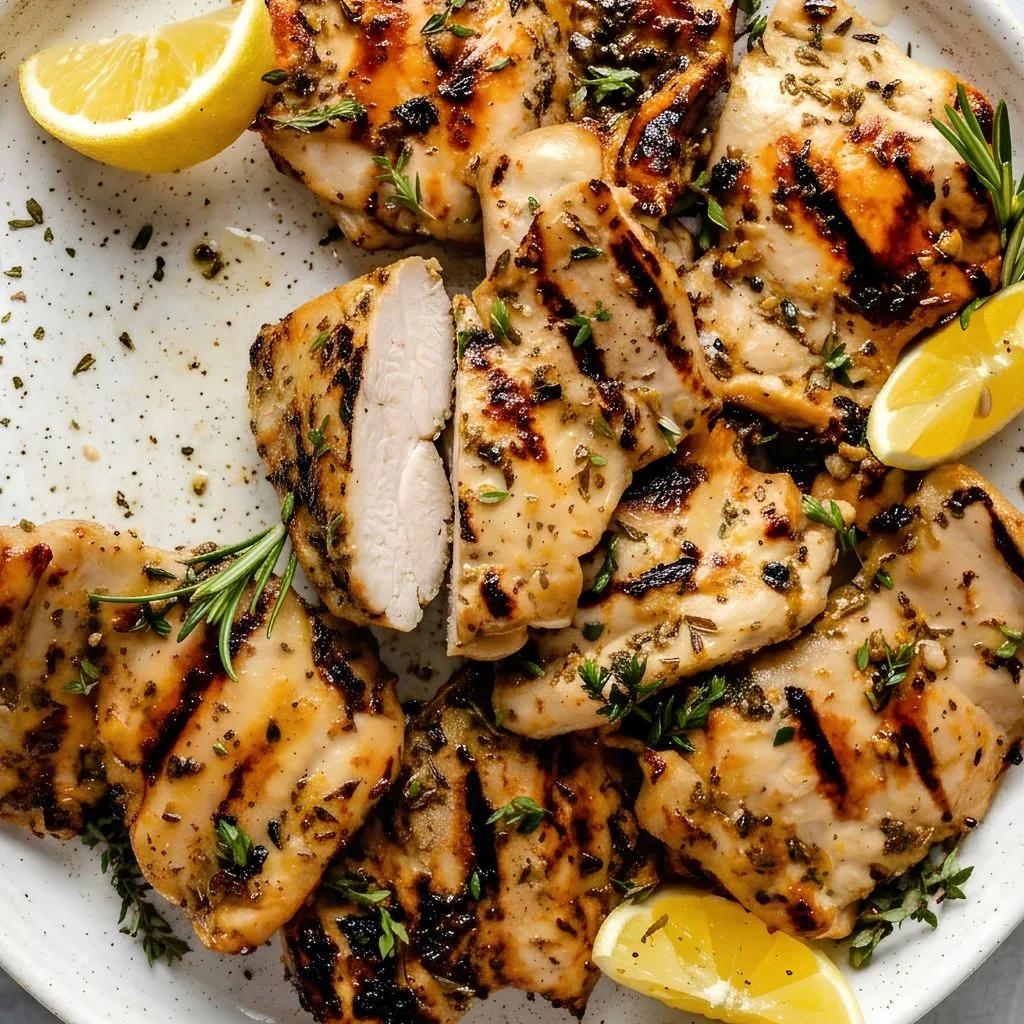
How to Make Lemon Chicken Marinade Recipe?
Making this simple lemon chicken marinade is easy, even if you have little cooking experience. I start by mixing the fresh ingredients, then coat the chicken thoroughly so every piece absorbs the citrus, garlic, and herbs. After marinating, I cook the chicken until tender, juicy, and beautifully golden.
Step 1: Prepare the Fresh Ingredients
I begin by washing the lemons, zesting one, and squeezing enough fresh juice to measure ¼ cup. I mince the garlic finely so it distributes evenly throughout the marinade.
I also measure the olive oil, mustard, honey, oregano, paprika, salt, and black pepper before mixing everything together.
Step 2: Mix the Lemon Garlic Marinade
In a medium bowl, I whisk the lemon juice, olive oil, Dijon mustard, honey, garlic, lemon zest, and seasonings until thoroughly combined. The mixture should smell fresh, citrusy, and pleasantly garlicky.
I taste a tiny amount of the marinade before adding the raw chicken and adjust the seasoning if needed. I never taste it again after raw chicken has been added.
Step 3: Prepare the Chicken
I pat the chicken dry with paper towels if necessary and trim away any excess fat. If I am using thick chicken breasts, I sometimes slice them horizontally or gently pound them to an even thickness.
This small step helps the chicken cook evenly and allows the marinade to coat each piece more effectively.
Step 4: Marinate the Chicken
I place the chicken in a resealable food-safe bag or shallow covered container and pour the marinade over it. I turn the pieces several times to make sure every surface is coated.
I refrigerate the chicken for at least 30 minutes, although about 1–2 hours often provides a good balance of flavor and texture. I avoid leaving small boneless pieces in an acidic marinade for too long because the texture can become soft.
Step 5: Preheat the Cooking Surface
When I am ready to cook, I preheat my grill, grill pan, or skillet over medium-high heat. I lightly oil the cooking surface if needed to reduce sticking.
I remove the chicken from the marinade and let the excess drip off. I discard the used marinade rather than serving it as a sauce unless it is thoroughly cooked separately.
Step 6: Cook the Chicken Until Juicy
For boneless chicken breasts, I usually grill or pan-cook them for approximately 5–8 minutes per side, depending on their thickness. Thighs and bone-in pieces may require additional time, so I check the thickest part with a meat thermometer.
The chicken is ready when it reaches 165°F (74°C). I look for lightly browned edges and a juicy interior rather than relying on color alone.
Step 7: Rest and Serve
Once the chicken is cooked, I transfer it to a clean plate and let it rest for about 5 minutes. This gives the juices time to settle before slicing.
I finish with a little fresh lemon juice, chopped parsley, or lemon wedges for extra freshness. The result is flavorful chicken that works beautifully for dinner, salads, sandwiches, and meal preparation.
Additional Tips for Making This Recipe Better
After making lemon chicken marinade in different ways, I have found that a few small details make a noticeable difference.
- I always choose fresh lemons instead of bottled juice when possible because fresh juice and zest provide a brighter aroma.
- I mince the garlic finely so its flavor spreads throughout the marinade instead of remaining in large pieces.
- I keep the chicken refrigerated while marinating rather than leaving it on the counter.
- I avoid excessive marinating time because lemon juice can change the chicken’s texture.
- I use a thermometer instead of guessing when the chicken is done, especially when grilling thicker pieces.
- I let the chicken rest before slicing so it stays moist and tender.
- I reserve a small portion of unused marinade before adding the raw chicken if I want extra dressing for serving.
- I wipe away excess marinade before grilling to encourage browning and reduce flare-ups.
Common Mistakes to Avoid
I have learned that avoiding a few common errors makes this lemon chicken recipe much more reliable.
- Using bottled lemon juice unnecessarily: I prefer fresh lemon juice and zest for a cleaner, more fragrant citrus flavor.
- Marinating for too long: I generally stick to 30 minutes to 2 hours for boneless cuts rather than leaving them in lemon juice overnight.
- Cooking cold, unevenly sized pieces: I try to make the chicken a similar thickness so everything cooks at roughly the same rate.
- Using excessive heat: I avoid flames that are too intense because honey and garlic can burn before the chicken is cooked through.
- Reusing raw marinade: I discard marinade that has touched raw chicken, unless I cook it thoroughly before using it as a sauce.
How to Serve Lemon Chicken Marinade Recipe?
I like serving lemon-marinated chicken with colorful sides that complement its bright, garlicky flavor. For an appealing presentation, I slice the chicken against the grain and arrange it on a warm platter.
- Serve with roasted potatoes, steamed rice, or fluffy couscous for a satisfying dinner.
- Pair it with Greek salad, cucumber, tomatoes, and feta for a Mediterranean-inspired meal.
- Add grilled zucchini, bell peppers, asparagus, or green beans for a colorful vegetable side.
- Slice leftover cooked chicken over Caesar salad, grain bowls, or fresh wraps.
- Garnish with lemon wedges, chopped parsley, and a light drizzle of olive oil just before serving.
For a barbecue, I serve the chicken straight from the grill with lemon wedges on the side. The bright garnish adds color and lets everyone adjust the citrus flavor to their liking.
Variations
One reason I love this chicken marinade is how easily I can adapt it to different tastes and dietary preferences.
- Greek lemon chicken marinade: I add extra oregano, a little thyme, and a pinch of dried rosemary for a Mediterranean flavor.
- Dairy-free option: This recipe is naturally dairy-free when prepared with the listed ingredients; I simply check the mustard and other packaged ingredients.
- Sugar-free option: I leave out the honey or replace it with a small amount of an appropriate sugar-free alternative.
- Spicy lemon chicken: I add red pepper flakes or a little cayenne pepper for gentle heat.
- Herb-packed marinade: I use fresh parsley, thyme, or rosemary alongside the oregano for extra fragrance.
- Lemon pepper version: I increase the freshly ground black pepper and add a little more lemon zest.
- Smoky variation: I use smoked paprika instead of regular paprika for a deeper, barbecue-style flavor.
- Lemon chicken marinade for grilling: I keep the marinade slightly less sweet if cooking over high heat to help prevent burning.
- Boneless thigh variation: I use chicken thighs when I want a richer flavor and a little more forgiveness during cooking.
- Jamie Oliver-inspired flavor direction: For a fresh, rustic Mediterranean-style variation, I focus on lemon, garlic, olive oil, and fresh herbs. This is a general flavor idea, not a claim that the recipe is Jamie Oliver’s.
Nutritional Information
The following values are estimates for one serving when the marinade is divided among four portions and paired with approximately 6 ounces of raw boneless, skinless chicken breast. Actual values vary with the chicken cut and how much marinade remains on the meat.
- Calories: Approximately 280
- Protein: Approximately 40 g
- Carbohydrates: Approximately 4 g
- Fat: Approximately 11 g
These estimates do not include additional cooking oil, side dishes, or extra sauce. The marinade itself contributes only part of the nutrition; chicken provides most of the protein.
Make Ahead and Storage
Preparing the marinade ahead of time makes dinner easier, especially when I know I will have a busy evening. I always separate storage instructions for unused marinade and chicken that has already been marinated or cooked.
Make Ahead
I mix the lemon, oil, garlic, mustard, honey, and seasonings ahead of time and keep the unused marinade in a clean, airtight container in the refrigerator. For the freshest flavor, I prefer using it within 2–3 days.
For the best texture, I usually marinate the chicken shortly before cooking instead of preparing it several days in advance.
Refrigeration
I store raw chicken in its marinade in a sealed container in the refrigerator at 40°F (4°C) or below. I generally cook it within 1–2 days, following standard refrigerated raw-chicken storage guidance, and avoid exceeding the recommended marinating time for quality.
Cooked lemon chicken keeps well in an airtight container in the refrigerator for 3–4 days. I cool and refrigerate leftovers promptly rather than leaving them at room temperature for extended periods.
Reheating
I reheat cooked chicken in a covered skillet over low to medium heat with a small splash of water or broth to help prevent it from drying out. I can also use a microwave, covering the chicken and heating it in short intervals.
I reheat leftovers until they reach 165°F (74°C). Slicing the chicken before reheating can help it warm more evenly.
Freezing
I can freeze raw chicken in the marinade in a freezer-safe bag, removing excess air before sealing. I label the bag with the date and freeze it promptly; the chicken can thaw in the refrigerator before cooking.
Cooked chicken can also be frozen in an airtight, freezer-safe container. For the best quality, I aim to use frozen cooked chicken within about 2–3 months, although food kept continuously frozen at 0°F (-18°C) remains safe for longer.
Why You’ll Love This Recipe
This lemon chicken marinade is one of those useful kitchen basics that can make an ordinary meal taste special without requiring complicated techniques.
- Easy preparation: I only need a handful of familiar ingredients and about 10 minutes to prepare the marinade. Once the chicken is coated, the refrigerator does the rest of the flavor-building work.
- Bright, balanced flavor: I love the combination of tangy lemon, savory garlic, fragrant herbs, and mild sweetness. Each ingredient supports the others without making the marinade overly complicated.
- Multiple cooking options: I can grill, pan-sear, or bake the marinated chicken depending on the weather and the equipment available. This flexibility makes the recipe useful throughout the year.
- Meal-prep friendly: I can cook several portions at once and use them in salads, sandwiches, wraps, and grain bowls. The leftovers make weekday lunches much easier.
- Easy to customize: I can adjust the herbs, sweetness, spice, and citrus intensity to suit my preferences. It is simple to adapt the recipe for different menus and dietary needs.
FAQs
1. How long should I marinate chicken in lemon juice?
I recommend about 30 minutes to 2 hours for most boneless chicken pieces. Longer marinating is not always better because the acid can affect the texture; keep the chicken refrigerated throughout.
2. Can I marinate chicken in lemon juice overnight?
You can refrigerate chicken in a lemon-based marinade overnight, but I do not recommend it for every cut or recipe because prolonged acid exposure can make the surface soft or mealy. For this marinade, a shorter 1–2-hour period is my preferred starting point.
3. Is this the best lemon chicken marinade for grilling?
It is a great option for grilling because lemon, garlic, olive oil, and herbs add plenty of flavor. I wipe off excess marinade before cooking and watch the heat carefully because the honey and garlic can brown quickly.
4. Can I use this simple lemon garlic marinade for chicken thighs?
Yes. I use it for boneless or bone-in thighs, drumsticks, and chicken breasts. The cooking time will vary by size and whether the meat contains bones, so I check that every piece reaches 165°F (74°C).
5. Can I prepare lemon chicken marinade without honey or mustard?
Absolutely. You can omit the honey for a less sweet marinade and leave out the Dijon mustard if you prefer a simpler combination of lemon juice, olive oil, garlic, and herbs. The flavor will be slightly different, but the marinade will still work well.
Final Thoughts
I keep coming back to this lemon chicken marinade because it turns basic ingredients into a flavorful, versatile meal with very little effort. Fresh lemon juice, garlic, olive oil, and herbs provide a dependable foundation, while small adjustments let me make the recipe my own.
Whether I am preparing a quick skillet dinner, planning lemon chicken marinade for grilling, or cooking extra chicken for the week, this recipe is easy to fit into my routine. With a sensible marinating time, even cooking, and a little fresh lemon at the end, I can serve juicy, delicious chicken that pairs well with almost any side dish.
