North Carolina homeowners ask a lot of their heating and cooling systems. Humid summers, heavy spring pollen, sudden thunderstorms, and chilly winter nights can all affect airflow, drainage, and overall comfort. A simple seasonal maintenance routine helps you spot small concerns before the system is under its greatest strain.
Whether your home uses a furnace, central air conditioner, or heat pump, consistent care is more useful than waiting for a breakdown. Working with a qualified HVAC contractor North Carolina homeowners trust can also help ensure that safety checks, electrical testing, and performance measurements are handled correctly.
Why Seasonal Care Matters
HVAC equipment performs best when air can move freely, parts are clean, and controls work as intended. In North Carolina, pollen and outdoor debris can collect around equipment in spring, while long stretches of summer heat may expose airflow or condensate-drain problems. Seasonal attention can support efficiency, comfort, safety, and equipment life, although it cannot guarantee that a system will never need repairs.
The ENERGY STAR maintenance checklist recommends professional cooling service in spring and heating service in fall. That timing allows homeowners to address concerns before technicians become busiest during periods of severe weather.
Spring Checks Before Cooling Season
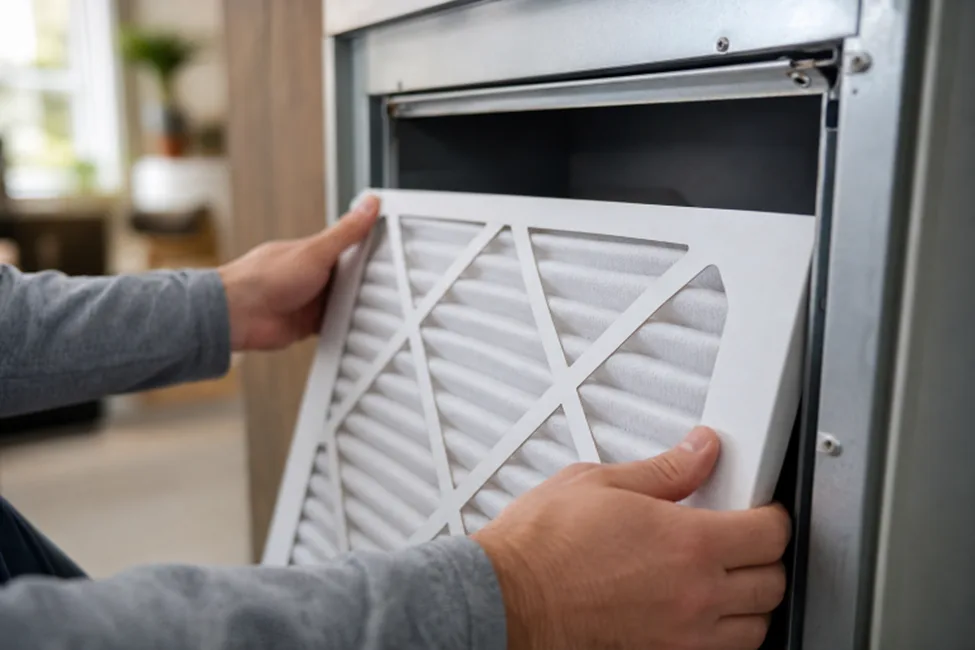
Spring is an ideal time to prepare an air conditioner or heat pump for North Carolina’s warm, humid months. Start with the basics: inspect or replace the filter, make sure supply vents and return grilles are open, and remove leaves, mulch, grass clippings, and branches from around the outdoor unit.
Test the thermostat in cooling mode before the first hot spell arrives. Listen for normal startup, feel for steady airflow, and look for water near the indoor air handler or drain line. A professional cooling visit can include coil cleaning, electrical testing, refrigerant evaluation, airflow measurements, and a condensate-drain inspection.
Summer Checks During Heavy Use
During a North Carolina summer, check the filter about once a month, especially in homes with pets, allergies, frequent open windows, or nearby construction. A loaded filter restricts airflow and can make rooms feel warmer even when the equipment is running.
Keep furniture, rugs, and curtains away from vents. Use ceiling fans to improve comfort, but avoid lowering the thermostat dramatically to compensate for a warm room. Pay attention to weak airflow, unusually long cooling cycles, ice on refrigerant lines, musty odors, unusual noises, or water leaks. Those signs deserve a professional diagnosis rather than a guess.
Fall Checks Before Heating Season
Fall maintenance helps North Carolina households prepare for cold snaps that can arrive quickly after mild autumn weather. Replace a dirty filter, test the thermostat in heating mode, and clear items away from registers and returns. Homes with heat pumps should also have clear space around the outdoor unit for proper airflow.
Schedule heating service before the first major cold night when possible. A trained technician can inspect ignition components, burners, safety controls, electrical connections, heat exchangers, and, when applicable, combustion performance. Recent consumer guidance on pre-season HVAC service also emphasizes planning maintenance before peak heating and cooling demand.
Winter Checks for Reliable Heating
Once heating season begins, keep filters clean and verify that supply registers and return grilles remain unobstructed. Take note of rooms that feel consistently colder than the rest of the home, frequent cycling, repeated startup attempts, or a system that seems to run without reaching the thermostat setting.
For outdoor heat pumps, gently keep snow, ice, and plant debris away from the unit while preserving safe clearance around it. Do not open combustion compartments, alter gas connections, or attempt internal repairs. Carbon monoxide alarms should be installed and tested according to their manufacturer’s instructions, particularly in homes with fuel-burning equipment.
Tasks Homeowners Can Handle
Safe Basic Tasks
- Inspecting and replacing filters with the correct size and airflow direction.
- Keeping vents, returns, and outdoor units clear of household items and debris.
- Checking thermostat schedules, batteries, and operating mode.
- Looking for water near indoor equipment or drain lines.
- Recording new sounds, odors, temperature changes, and changes in run time.
Tasks to Leave to a Professional
- Refrigerant testing, leak diagnosis, or charging.
- Electrical testing and component replacement.
- Gas pressure, burner, combustion, and heat-exchanger inspections.
- Deep coil cleaning when equipment access is limited.
- Duct leakage testing, airflow balancing, and major drainage repairs.
When Professional Service Makes Sense
A useful service visit should involve more than a quick visual inspection. Ask what will be cleaned, inspected, tested, and measured. A clear written summary can help you understand which findings need prompt attention, which items should be monitored, and why a repair is being recommended.
Keep a simple home record of service dates, filter changes, repairs, warranty information, and the equipment’s approximate age. This history can make recurring issues easier to identify and give future technicians helpful context.
Warning Signs That Should Not Be Ignored
- Uneven temperatures between rooms or floors.
- Weak airflow from vents that were previously performing well.
- Higher energy bills without a meaningful change in household use.
- Short cycling, repeated restarts, or unusually long run times.
- Grinding, rattling, buzzing, or squealing sounds.
- Musty, burning, or fuel-like odors.
- Water near the indoor unit or ice on lines or outdoor equipment.
- Recurring thermostat errors or circuit-breaker trips.
A Simple 2026 Maintenance Calendar
Because August 2026 is already underway, use the remaining months as an immediate checklist and keep the full cycle for future planning.
- January and February: Check filters, vents, thermostat settings, and carbon monoxide alarms. Note heating concerns.
- March and April: Clear outdoor debris, schedule cooling service, and test cooling before warmer weather arrives.
- May through August: Check filters monthly and monitor airflow, drainage, and humidity.
- September and October: Prepare for heating season and schedule a professional heating check.
- November and December: Monitor comfort, cycling, unusual sounds, and filter condition.
Final Takeaway
HVAC maintenance works best as a regular household habit, not a last-minute response to a loss of heating or cooling. A few minutes of attention each month, paired with seasonal professional service, can help North Carolina homeowners maintain steadier comfort through humid summers, pollen-heavy springs, and unpredictable winter weather.