Heavy rainfall, particularly during intense weather events like monsoon seasons, presents a unique set of challenges for homeowners. While the immediate concern might be surface flooding, the unseen stress on your home’s vital systems, including both plumbing and HVAC, can be substantial. These systems, often taken for granted until they fail, are intricately linked to the integrity of your home and its ability to withstand environmental pressures. Understanding how heavy rain impacts these systems is crucial for maintaining a comfortable and safe living environment. It also underscores the importance of obtaining thorough and honest estimates for any necessary repairs or preventative measures.
When rain saturates the ground, it can exert immense pressure on underground pipes, leading to potential shifts or even cracks in sewer lines. Simultaneously, the increased humidity and fluctuating temperatures strain your HVAC system, forcing it to work harder to maintain indoor comfort. This dual impact means that a single heavy rain event can trigger a cascade of issues, from unexpected plumbing backups to inefficient air conditioning. Recognizing these vulnerabilities and planning for them is a cornerstone of responsible homeownership in areas prone to significant rainfall.
Understanding System Stress During Weather Changes
The arrival of heavy rain brings with it a dramatic shift in environmental conditions, placing considerable stress on your home’s infrastructure. For plumbing and drainage systems, the primary concern is the sheer volume of water. Residential drainage systems are generally not designed to handle extreme, sudden inflows of rainwater on top of daily household waste. This can overwhelm municipal stormwater and combined sewer systems, leading to backups that push water back into homes.
Ground saturation is another critical factor. As the soil around your home becomes waterlogged, it expands and shifts. This movement can exert immense hydrostatic pressure on underground pipes, including your main sewer line and water supply lines. Older pipes, especially those made of clay or cast iron, are particularly vulnerable to this external pressure, which can cause them to crack, collapse, or become misaligned. This structural damage can lead to persistent leaks, blockages, and costly repairs.
For HVAC systems, heavy rain often coincides with humidity spikes. Your air conditioning unit, designed to cool and dehumidify, must work overtime to combat the increased moisture in the air. This prolonged operation can lead to reduced cooling efficiency, higher energy consumption, and accelerated wear and tear on components like compressors and fan motors. Additionally, excessive moisture can encourage mold and mildew growth within ductwork if not properly managed, impacting indoor air quality. Air filtration systems also face a greater challenge as outdoor air carries more particulate matter and moisture, potentially clogging filters faster. The cumulative effect of these stresses can shorten the lifespan of your systems and lead to unexpected breakdowns.
Key Factors Included in Honest HVAC Estimates
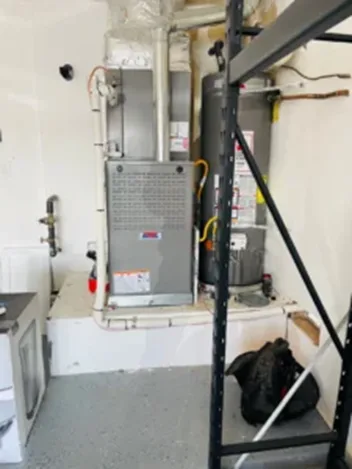
When faced with potential repairs or upgrades due to weather-related stress on your home systems, securing an honest estimate is paramount. While this section specifically addresses HVAC estimates, the principles apply equally to plumbing and drainage solutions. An honest estimate provides a clear, transparent breakdown of the proposed work, ensuring you understand exactly what you’re paying for and why.
First, the scope of work should be meticulously detailed. This means outlining every task, from diagnostics and repairs to replacements and installations. For an HVAC system, this might include refrigerant checks, coil cleaning, or compressor replacement. For plumbing, it could involve sewer line camera inspections, hydro-jetting, pipe repair, or backflow valve installation. A vague description like “fix the problem” is a red flag.
Second, an honest estimate will clearly specify the system sizing and equipment integrity. If a replacement is recommended, the estimate should include information about the recommended unit’s capacity, efficiency ratings, and brand. For plumbing, this translates to the type and quality of materials used for pipe replacements or repairs. Ensuring the proposed solution is appropriately sized and uses durable, high-quality components is vital for long-term reliability, especially when battling the effects of heavy rain.
Finally, a transparent estimate will detail all associated costs, including labor, parts, and any permits required. It should also clearly state any warranties on parts and labor. This level of detail empowers you to make informed decisions and avoid unexpected charges down the line. For more insights into how to protect your home from weather-related issues and what to look for when seeking professional help, whether for HVAC or plumbing, you might find valuable storm-proof plumbing tips that discuss honest HVAC estimates and comprehensive home maintenance strategies.
Essential Criteria for Evaluating Local Service Providers
Whether you’re dealing with a plumbing emergency caused by heavy rain or planning a preventative HVAC tune-up, selecting the right service provider is crucial. The quality of workmanship and the integrity of the company can significantly impact the longevity and efficiency of your home systems. We believe that evaluating local service providers based on a few essential criteria can help homeowners make informed decisions and ensure peace of mind.
Red Flags to Avoid When Reviewing Estimates
When you receive an estimate for any home service, whether it’s for a plumbing repair after a heavy downpour or an HVAC system upgrade, scrutinize the details carefully. We’ve identified several red flags that should prompt further questions or even lead you to seek a second opinion.
Firstly, be wary of vague scopes of work. An estimate that lacks specific details about the tasks to be performed, the materials to be used, or the timeline for completion is problematic. For instance, an estimate for a sewer line repair that simply states “fix pipe” without specifying the method (e.g., trenchless repair, traditional excavation), the length of pipe, or the type of replacement material, leaves too much open to interpretation and potential upselling. Similarly, an HVAC estimate that doesn’t detail which components will be serviced or replaced is equally concerning.
Secondly, watch out for missing details regarding costs. An honest estimate will break down labor, parts, and any additional fees (like disposal or travel charges). If an estimate provides only a single, lump sum figure without any itemization, it’s difficult to assess its fairness or compare it with other bids. This lack of transparency can hide inflated costs or unexpected add-ons later.
Thirdly, be cautious of pressure tactics. High-pressure sales techniques, such as insisting on an immediate decision due to a “limited-time offer” or claiming that a problem is far more severe than it appears without clear evidence, are often used to rush homeowners into agreements before they can properly evaluate their options. A reputable company will provide a clear estimate and allow you sufficient time to review it and ask questions.
Finally, look out for hidden clauses or ambiguous language in the fine print. Sometimes, estimates may contain clauses that allow for significant price increases under certain conditions, or they may exclude certain parts of the job that you assumed were included. Always read the entire document thoroughly and ask for clarification on anything you don’t understand. A trustworthy provider will be happy to explain every detail.
Questions to Ask Before Signing a Service Agreement
Before committing to any home service, especially those as critical as plumbing and HVAC repairs or installations, asking the right questions can save you from future headaches and unexpected expenses. We encourage homeowners to be proactive and thorough in their inquiries.
Firstly, inquire about warranty terms. What kind of warranty does the company offer on their labor? What are the manufacturer’s warranties on any parts or equipment being installed? Understanding these terms is crucial, especially for components susceptible to damage from heavy rain, like sump pumps or outdoor AC units. A strong warranty indicates confidence in their work and products.
Secondly, ask about maintenance plans. Does the company offer ongoing maintenance services? While this might seem like an extra cost, regular maintenance can significantly extend the lifespan of your systems and prevent costly emergency repairs, particularly for issues exacerbated by heavy rain, such as clogged drains or inefficient HVAC units. A good maintenance plan can help identify minor issues before they escalate.
Thirdly, clarify the service timeline. When can they start the work, and what is the estimated completion date? While unforeseen circumstances can arise, a professional company should provide a realistic timeline. This is especially important for urgent issues like sewage backups or a malfunctioning AC during a heatwave.
Lastly, discuss component quality. What brands or types of materials do they typically use? Are they recommending standard, mid-range, or premium components? Understanding the quality of the parts being installed can help you gauge the long-term reliability and value of the service. For instance, if replacing underground pipes, ask about the durability of the chosen material against soil shifting and root intrusion.
Protecting Your Home’s Cooling and Drainage Systems During Storms
Heavy rainfall, often a characteristic of monsoon seasons, can be particularly harsh on a home’s exterior and subterranean infrastructure. Proactive measures are essential to safeguard both your cooling and drainage systems from the potential damage caused by intense precipitation. We’ve seen how a little preparation can prevent significant and costly repairs.
Managing Condensate Line Clogs and High Humidity
While often associated with HVAC, the management of condensate lines and high humidity has broader implications for your home’s overall moisture control, which indirectly affects plumbing and drainage. During periods of heavy rain and high humidity, your air conditioning system works harder, producing more condensate. This increased volume of water, combined with potential debris, can lead to drain line backups.
A clogged condensate line can cause water to back up into your HVAC unit’s drain pan, potentially overflowing and leading to water damage in ceilings, walls, or even electrical components. The standing water in the pan also creates an ideal breeding ground for mold and mildew, which can then be circulated throughout your home via the air ducts, compromising indoor air quality.
To prevent these issues, we recommend several steps. Regularly check your condensate pan for standing water or signs of overflow. Flushing the condensate drain line periodically with a mixture of water and a small amount of bleach or specialized algaecide tablets can prevent algae and sludge buildup. Ensuring proper airflow balance within your HVAC system also helps manage humidity levels more effectively, reducing the strain on the condensate drain. Effective moisture control throughout your home, including proper ventilation in bathrooms and kitchens, can mitigate the overall humidity burden on your HVAC system and reduce the risk of mold formation.
Safeguarding Outdoor Components from Severe Weather
The outdoor components of your home, including your HVAC condenser unit and various drainage elements, are directly exposed to the brunt of heavy rain and wind. Protecting these assets is vital for their continued functionality and longevity.
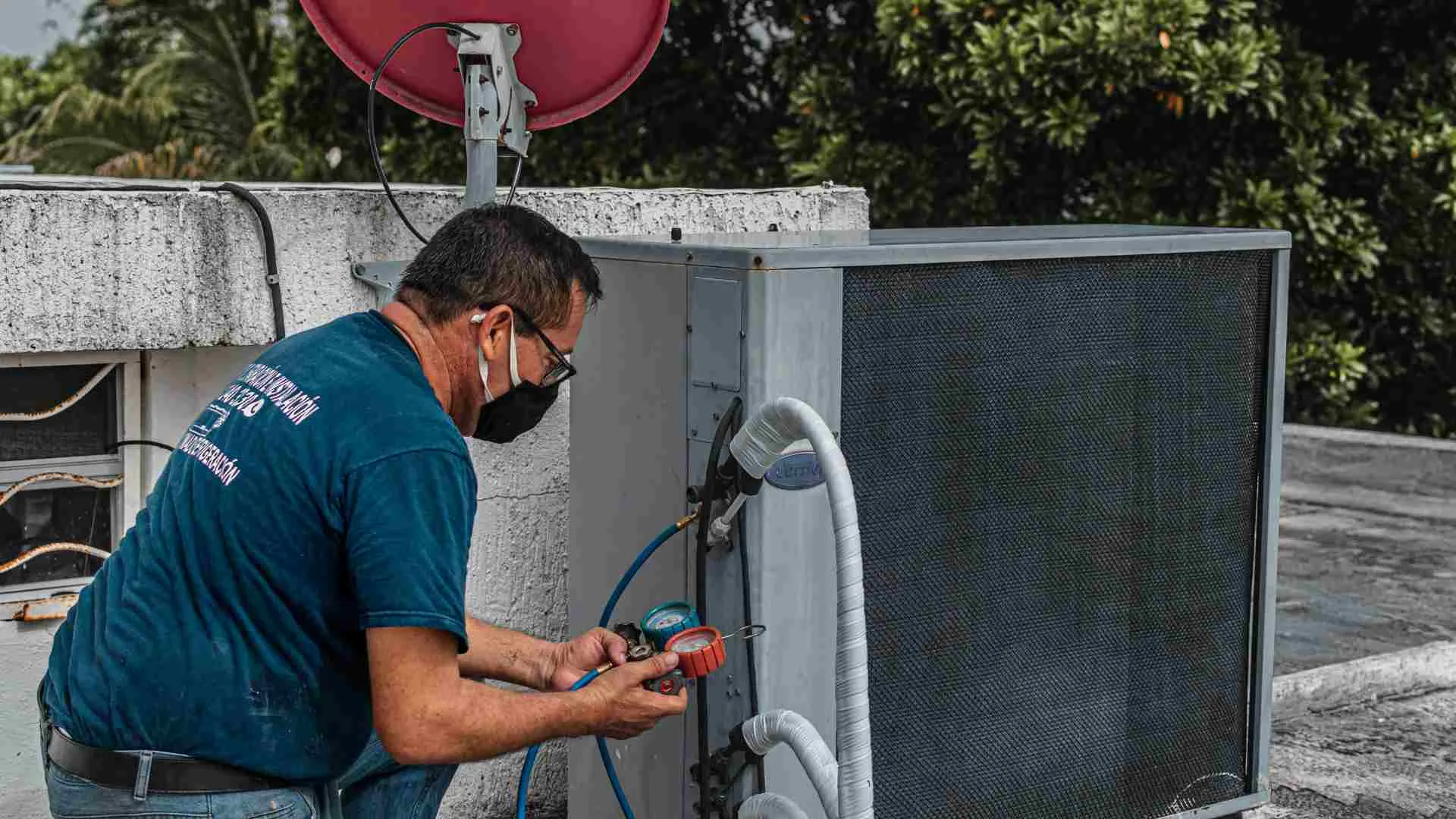
For your outdoor AC condenser unit, debris clearance is a primary concern. Heavy rains often bring strong winds that can scatter leaves, twigs, and other debris, which can accumulate around and inside the unit. This debris can block airflow, reduce efficiency, and even damage the fan blades or coils. Regularly clearing the area around your condenser, especially before and after a storm, is a simple yet effective preventative measure.
Secure mounting is also important. Ensure your outdoor unit is securely placed on a level pad, ideally slightly elevated to prevent standing water from pooling around its base. While modern units are designed to be rain-resistant, prolonged submersion or constant splashing can lead to corrosion and electrical issues. In areas prone to significant flooding, considering an elevated base for your AC unit can provide an extra layer of protection.
Surge protection for your HVAC system’s electrical components is another critical consideration. Lightning strikes or power fluctuations during storms can cause power surges that damage sensitive electronics within your AC unit. Installing a whole-home surge protector or a dedicated surge protector for your HVAC system can safeguard against such damage.
Beyond HVAC, consider your overall yard drainage. Clogged storm drains, gutters, and downspouts can lead to water pooling near your foundation, which can then seep into basements or crawl spaces, causing hydrostatic pressure on underground pipes and foundations. Ensuring these are clear and directing water away from your home is crucial.
Here’s a comparison of routine maintenance versus emergency storm repairs:
Feature Routine Maintenance Emergency Storm Repairs Timing Proactive, scheduled regularly (e.g., seasonally) Reactive, immediate response to damage Cost Generally lower, predictable Often higher, unpredictable, may include surge pricing Scope Prevention, optimization, minor adjustments Damage assessment, urgent fixes, component replacement System Impact Extends lifespan, improves efficiency, prevents breakdowns Restores functionality after failure, mitigates further damage Homeowner Stress Low, planned High, unexpected, often inconvenient Long-term Benefits Enhanced reliability, lower utility bills, peace of mind Avoids catastrophic failure, restores essential services Frequently Asked Questions About HVAC and Storm Preparation
Preparing your home for heavy rain and monsoon season involves understanding how various systems, including your HVAC and plumbing, react to these conditions. We often encounter similar questions from homeowners seeking to ensure their properties are resilient against the elements. Here, we address some of the most common concerns regarding storm readiness and system longevity.
How does heavy monsoon rain affect an outdoor air conditioning unit?
Heavy monsoon rain can impact an outdoor air conditioning unit in several ways, despite these units being designed for outdoor exposure. Firstly, while the casing is rain-resistant, prolonged exposure to standing water can lead to corrosion of the base and internal components, especially if the unit is not properly elevated or if yard drainage is poor. Standing water can also affect the electrical connections, increasing the risk of short circuits or system failure.
Secondly, strong winds accompanying heavy rain can drive debris (leaves, twigs, dirt) into the condenser coils. This accumulation can block airflow, reducing the unit’s efficiency and forcing it to work harder. Over time, this can lead to increased energy consumption and premature wear on the compressor.
Thirdly, the fan motor, while typically sealed, can be vulnerable to water intrusion if seals degrade or if water pools excessively around the unit. A damaged fan motor can cause the unit to overheat or stop working altogether. Lastly, power surges during thunderstorms can damage the unit’s sensitive electrical components. Installing a whole-home surge protector or a dedicated HVAC surge protector can mitigate this risk. Regular inspections can help identify and address these vulnerabilities before they lead to costly repairs.
What steps prevent HVAC drain line backups during high humidity?
Preventing HVAC drain line backups, especially during periods of high humidity and heavy rain, is crucial for maintaining indoor air quality and preventing water damage. The condensate drain line is responsible for carrying away the moisture extracted from your home’s air by the AC system.
Our primary recommendation is a condensate pan check. Regularly inspect the drain pan beneath your indoor HVAC unit for any standing water. If you see water, it indicates a blockage in the drain line.
Drain flushing is another effective preventative measure. Periodically, pour a cup of distilled white vinegar or a diluted bleach solution (one part bleach to 16 parts water) down the condensate drain line access point. This helps to kill algae and bacteria that commonly form clogs. Follow this with a flush of plain water.
Using algaecide tablets in the condensate pan can provide continuous protection against organic growth. These tablets slowly dissolve, releasing chemicals that inhibit the growth of slime and algae, which are common culprits for blockages.
Finally, regular inspection by a professional HVAC technician during routine maintenance visits will ensure the drain line is clear and functioning correctly. They can identify and clear any nascent blockages before they become serious issues, ensuring efficient operation and preventing potential water damage.
What should be included in a comprehensive system evaluation?
A comprehensive system evaluation, whether for your HVAC or plumbing and drainage systems, is a detailed inspection designed to assess the overall health, efficiency, and safety of your home’s critical infrastructure. This is particularly important in anticipation of or after periods of heavy rain.
For HVAC systems, a thorough evaluation should include:
- Refrigerant levels: Checking for proper refrigerant charge is essential for efficient cooling and dehumidification. Low levels can indicate a leak and reduce performance.
- Electrical wiring and connections: Inspecting all electrical components for wear, corrosion, or loose connections ensures safe and reliable operation.
- Airflow assessment: Evaluating airflow through ducts and vents identifies restrictions that can impact efficiency and comfort.
- Component inspection: This includes checking the compressor, condenser and evaporator coils (for cleanliness and damage), fan motors, belts, and bearings for proper function and wear.
- Thermostat calibration: Ensuring the thermostat is accurately reading and controlling temperatures.
- Condensate drain check: As discussed, verifying that the drain line is clear and free-flowing.
For plumbing and drainage systems, a comprehensive evaluation should focus on areas vulnerable to heavy rain:
- Sewer line camera inspection: This allows professionals to visually inspect the condition of underground pipes for cracks, root intrusion, blockages, or misalignments caused by soil shifting.
- Drainage flow assessment: Checking gutters, downspouts, and yard grading to ensure water is directed away from the foundation.
- Sump pump functionality: Testing the sump pump to ensure it activates correctly and discharges water effectively.
- Backflow prevention devices: Inspecting backflow valves to ensure they are properly installed and functioning to prevent sewage backups.
- Pipe integrity: Visual inspection of exposed pipes for leaks, corrosion, or signs of stress.
- Water pressure check: Identifying any unusual fluctuations that could indicate underlying issues.
This holistic approach helps identify potential problems early, allowing for proactive repairs that can prevent more significant, costly damage during or after heavy rainfall.
Conclusion
Heavy rain, while a natural and often welcome phenomenon, poses significant threats to the unseen yet vital systems of our homes: plumbing, drainage, and HVAC. As we’ve explored, from hydrostatic pressure on underground pipes to overwhelmed municipal sewers, and from strained AC units battling humidity to clogged condensate lines, the impacts are diverse and potentially costly. Understanding these specific risks is the first line of defense in protecting your property.
Proactive care emerges as the most effective strategy. Regular maintenance, thorough inspections, and timely repairs are not merely suggestions but essential practices for system longevity and home readiness. Ensuring your gutters are clear, your yard is properly graded, your sump pump is functional, and your HVAC system is performing optimally are all critical steps in mitigating the effects of heavy rainfall.
Moreover, when issues do arise, or when planning preventative upgrades, seeking local expertise and obtaining honest estimates for any service is paramount. A transparent, detailed estimate from a reputable professional ensures that you receive the necessary work without hidden costs or unnecessary interventions. By taking these steps, homeowners can navigate even the heaviest downpours with confidence, safeguarding their comfort, their investment, and their peace of mind.