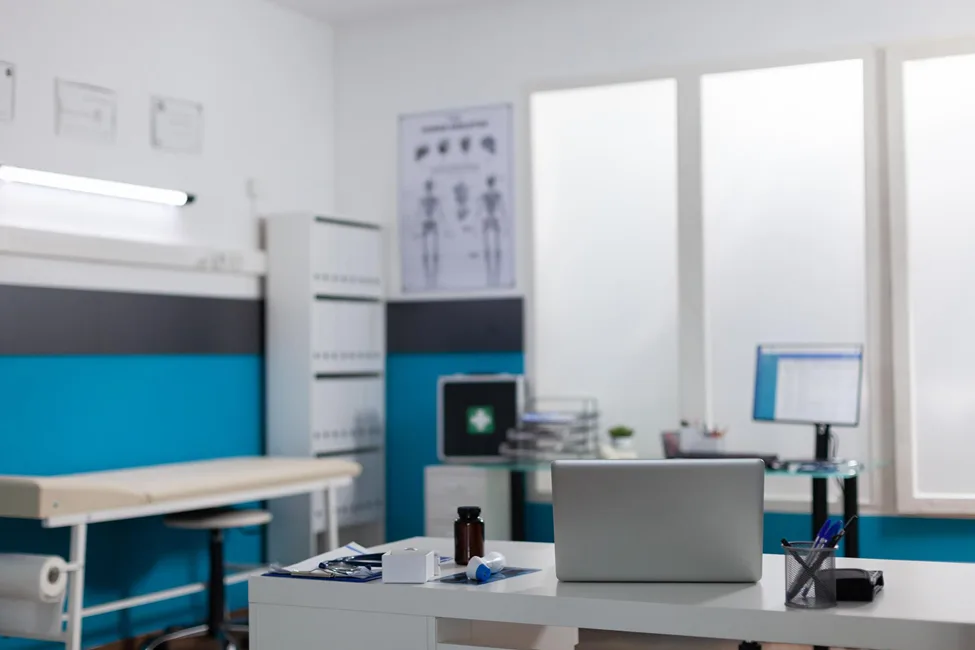
More professionals than ever are running client-facing practices from home. Therapists, counselors, health and wellness practitioners, coaches and consultants have all discovered that a well-designed home setup can rival any rented office, with none of the commute or overhead. The challenge is making that space feel like a genuine practice rather than a spare room with a couple of chairs in it.
When clients visit your home, the environment shapes their impression before you say a word. A calm, professional and comfortable space builds trust and puts people at ease, while a makeshift one can quietly undermine even excellent work. Here is how to set up a home practice that looks the part and makes every visitor feel welcome.
Start With a Dedicated, Separate Space
The single most important step is to give your practice its own defined area, ideally a room with a door that closes. Clients should not have to walk through your living room or past a sink full of dishes to reach you, and you should not have to tidy your personal life away before every appointment.
A separate space protects privacy on both sides, which matters enormously for sensitive conversations, and it helps you mentally switch between work and home. If a whole room is not possible, use dividers, a separate entrance or careful furniture placement to carve out a clear, self-contained zone.
The goal is for a client to step in and feel they have arrived somewhere purposeful and confidential. Even a well-chosen corner, clearly set apart, reads as far more professional than a large but shared and cluttered room.
Furnish It Like a Professional Practice
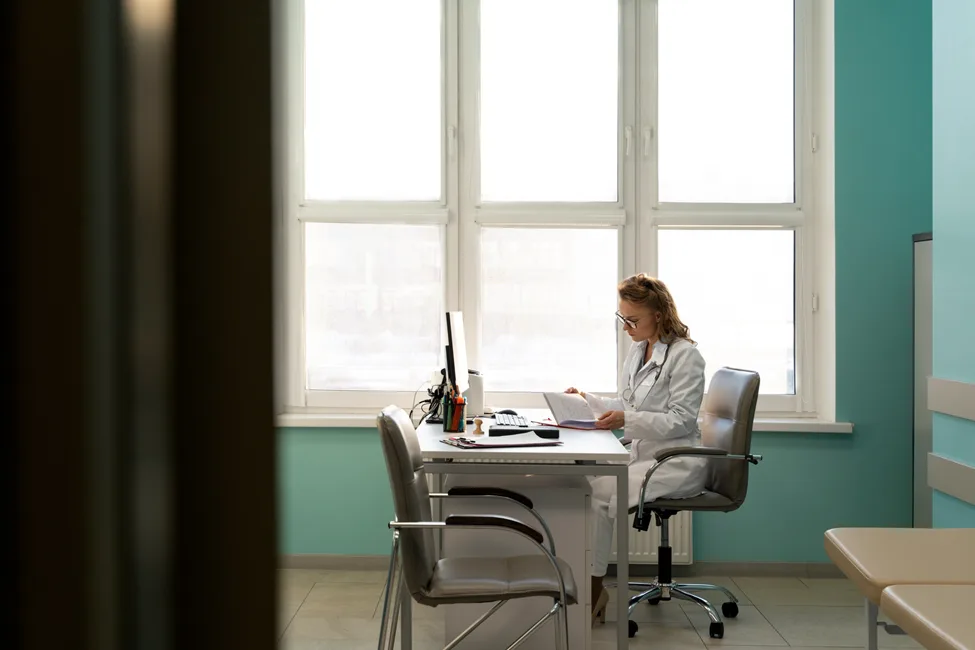
Once you have the space, the furnishings are what elevate it from a home room to a credible practice, and this is where thoughtful choices pay off most. The right pieces signal professionalism, hold up to daily use and keep everyone comfortable through longer sessions.
Investing in proper medical office furniture, from supportive client seating to a tidy reception or waiting setup, instantly tells visitors this is a real practice rather than an afterthought. Providers like Freeform Spaces offer ideas for refreshing these spaces with pieces built for comfort, durability and easy cleaning, all of which matter when the same chair is used by client after client.
Choose an ergonomic chair for yourself too, since you will spend hours in it, and keep the layout uncluttered so the room feels calm and spacious rather than cramped. A small, considered set of quality pieces almost always beats a room crammed with mismatched furniture picked up over the years.
Prioritize Comfort and Accessibility
A professional space is also an inclusive one, and comfort should extend to every client who walks in. People arrive in all shapes, ages and states of health, and furniture that accommodates them shows real care.
Choose seating that is supportive and easy to get in and out of, which matters for older clients, anyone with limited mobility and people who may be in discomfort. Leave clear pathways so a walker, wheelchair or stroller can move through without awkwardness, and make sure there is somewhere comfortable to wait if a client arrives early. These small considerations turn a functional room into one that feels genuinely welcoming, and clients notice the difference.
Get the Atmosphere Right
Beyond the furniture, the overall atmosphere does a lot of quiet work. A home practice should feel calm, clean and neutral, so clients can relax and focus rather than feel distracted or on edge.
Lean toward soft, warm lighting instead of harsh overhead glare, and choose a simple, soothing color palette with a few calming touches like plants or artwork. Pay attention to sound, since privacy is undermined if conversations carry through thin walls, so consider a rug, soft furnishings or a white-noise machine to keep sessions confidential. The aim is a space that feels like a sanctuary, separate from the busyness of both your household and the outside world. Little touches, a place to hang a coat, a glass of water within reach, a clock that is easy to see, quietly tell clients you have thought about their comfort.
Keep It Clean and Practical
Finally, a professional practice has to be easy to keep spotless. Clients are reassured by a space that looks and feels clean, and in any health or wellness setting, hygiene is part of the service itself.
Favor surfaces and furnishings that wipe down easily, and build in enough storage to keep paperwork, supplies and personal clutter out of sight. A tidy, well-maintained room communicates competence and respect, while a cluttered one has the opposite effect no matter how skilled you are.
It is a small daily habit that protects the professional impression you have worked hard to build. Keeping things practical also makes your own working day smoother, so the space supports you as much as it reassures your clients.
Final Thoughts
Setting up a home practice that clients trust is less about spending a fortune and more about being intentional. Give your work a dedicated, private space, furnish it like the professional practice it is, prioritize comfort and accessibility and get the atmosphere and cleanliness right, and you create an environment that quietly builds confidence from the moment someone walks in.
Done well, a home-based practice can feel every bit as polished and welcoming as a traditional office, often more so. Put the thought in upfront, and you will have a space that serves your clients beautifully and makes your working life at home a genuine pleasure.