Skip to content

Recent Posts

  • How Much Should You Spend on a Quality Fire Table?
  • How Does an Online Business Simplify Finding Home Décor Professionals?
  • Boost Your Home’s Curb Appeal With These Smart Upgrades
  • 6 Reliable Duct and Vent Cleaning Companies in Las Vegas
  • What Are the Best Aluminum Framed Cabinet Doors for Commercial Projects?

Most Used Categories

  • Home Improvement (66)
  • DIY Tools (6)
  • Construction (6)
  • Business (5)
  • Real Estate (3)
  • Gardening (1)
Skip to content

Rivon Home

Your Home improvement, Design & Construction Guide

Subscribe
  • DIY Tools
  • Real Estate
  • Gardening
  • Home Improvement
  • Construction
  • Home
  • Real Estate
  • A Homeowner’s Guide to Selling and Moving Away from Tampa
A Homeowner's Guide to Selling and Moving Away from Tampa

A Homeowner’s Guide to Selling and Moving Away from Tampa

blogMay 9, 2026May 9, 2026

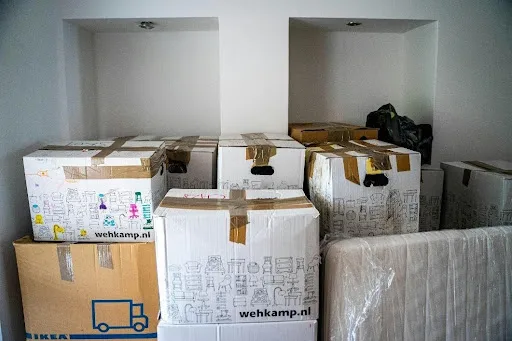
Leaving a city you have called home for years carries a weight that goes beyond packing boxes and signing paperwork. Tampa has a rhythm of its own, shaped by warm coastal breezes, lively neighborhoods, and a housing market that has shifted considerably over the past few years. For homeowners preparing to sell and start fresh somewhere new, the process involves more than listing the property and waiting for offers. It requires careful planning, honest pricing, and a clear understanding of what comes next once the keys change hands. Whether the next chapter takes you to a quieter suburb or a different state entirely, the steps you take while still in the area will shape how smoothly the rest unfolds.

Choosing the Right Long Distance Moving Partner

Once the sale is moving forward, the focus shifts to the logistics of physically relocating your belongings. A long-distance relocation is nothing like a local move across town, and the company you hire needs to be equipped for interstate routes, multi-day transit, and the responsibility of handling everything you own from one coast or region to another. Hiring experienced Tampa cross country movers gives homeowners the assurance that licensed professionals will manage the heavy lifting, the long drive, and the careful unloading at the destination. Take time to compare credentials, read through customer feedback, and confirm that the company holds the proper federal authority to operate across state lines. Ask about their packing services, their timeline guarantees, and how they handle delicate or high-value items. The right team will walk you through every step rather than leaving you to guess what happens next.

Preparing Your Home for the Local Market

Before any moving truck arrives, the property itself needs attention. Buyers in Tampa tend to look closely at how a home has been maintained, especially given the humidity and the wear that comes with coastal living. Walk through each room with a critical eye, as if you were seeing it for the first time. Address peeling paint, lingering odors, worn fixtures, and any small repairs you have been postponing. Curb appeal matters just as much, so trim the landscaping, pressure wash the driveway, and refresh the front entry. A clean, neutral, and well-kept home photographs better, shows better, and draws stronger offers. Staging does not have to be elaborate, but rooms should feel open and inviting rather than crowded with personal items.

Understanding Current Market Conditions

Pricing a home correctly is one of the most important decisions a seller makes. Neighborhoods across Tampa can vary widely in demand, with some areas drawing multiple offers while others sit on the market longer than expected. Speak with a local real estate professional who understands the recent trends in your specific zip code. They can help you set a realistic asking price, identify the right time to list, and advise on whether minor upgrades would yield a meaningful return. Avoid the temptation to overprice based on what a neighbor sold for last year, since conditions shift and buyers compare carefully. A well-priced home moves faster, and a faster sale gives you more control over your moving timeline.

Coordinating the Sale with Your Moving Timeline

One of the trickier parts of relocating is aligning the closing date with your actual departure. Sellers often underestimate how much paperwork, inspection scheduling, and back-and-forth negotiation can stretch the process. Build a buffer into your plans rather than assuming everything will close on the originally targeted date.

If possible, secure temporary housing arrangements at your destination so you are not pressured to rush. Coordinate with your moving company well in advance, since long-distance schedules fill up quickly during peak seasons. Keep essential documents, medications, and a few days of clothing separate from the items being shipped, in case there are any delays in transit.

Sorting, Downsizing, and Packing with Purpose

Moving across state lines is an opportunity to reassess what truly belongs in your next home. Years of accumulated furniture, kitchen items, and storage room clutter rarely make sense to transport long distances. Sort each room into clear categories of keep, donate, sell, and discard. Hold a yard sale, list valuable pieces online, and donate what still has life left in it.

The less you move, the smoother the relocation becomes. When packing, label every box clearly with both contents and the destination room. Group fragile items together and use sturdy materials rather than scavenging whatever boxes you can find. A thoughtful packing approach saves hours of frustration on the other end.

Handling Utilities, Records, and Final Details

Homeowners across Tampa often forget how many small accounts and services need to be closed or transferred before leaving. Schedule the disconnection of electricity, water, internet, and trash collection for the day after closing rather than the day of, so the home remains comfortable for any final walkthroughs.

Forward your mail through the postal service, update your address with banks and insurance providers, and gather medical and school records if you have children or ongoing care needs. Notify your homeowners association, if applicable, and settle any outstanding dues. These tasks may feel tedious, but skipping them creates problems that follow you long after the move is complete.

Settling into Your New Chapter

Once the truck pulls away and the house is officially behind you, the emotional weight of the move can hit unexpectedly. Your years in Tampa likely held memories tied to people, places, and routines that will not transfer with the boxes. Allow yourself time to adjust to the new destination rather than rushing to recreate everything immediately.

Unpack the essentials first, explore the surrounding area at a relaxed pace, and gradually build new routines. Stay in touch with friends and neighbors you left behind, since those relationships can ease the transition. Selling a home and moving away is one of the largest life changes a person undertakes, and giving yourself grace through the adjustment makes the entire experience far more manageable.


Post navigation

Previous: Summer-Ready Outdoors: Upgrades That Keep Your Space Cool and Functional
Next: How to Make Blank Walls Feel Intentional (Without Hiring an Interior Designer)

Related Posts

How Access Control Systems Are Transforming Modern Real Estate Security

How Access Control Systems Are Transforming Modern Real Estate Security

May 1, 2026May 8, 2026 blog
What You Should Know Before Buying Undeveloped Land Buying undeveloped land can feel like one of the purest forms of real estate investment. There are no structures, no tenants, and no complications, just a piece of land with potential. But that simplicity is often misleading. Beneath the surface, buying undeveloped land requires a different level of due diligence compared to purchasing a home or rental property. Many first-time land buyers assume that if the price is low and the location looks promising, it is automatically a good deal. In reality, undeveloped land comes with unique risks and considerations that can significantly impact your investment outcome. Understanding What You Are Actually Buying Before anything else, it is critical to understand what kind of land you are purchasing. Many people confuse different land types, especially when they come across terms like “raw land,” “vacant land,” or “unimproved land.” If you are not clear on the definition, this guide on what is unimproved land explains the distinctions and why they matter for investors and buyers. In simple terms, undeveloped or unimproved land typically lacks utilities such as water, electricity, sewage, and road access. This directly impacts both usability and cost. Location Still Matters—But Differently With traditional real estate, location often revolves around schools, neighborhoods, and amenities. With undeveloped land, location is more about future potential. You need to ask: - Is the area growing? - Are there infrastructure projects planned? - Is there demand for development? Land that seems remote today may become highly valuable if a new road, commercial development, or residential expansion is planned nearby. However, the opposite is also true. Some areas remain stagnant for decades. Access and Infrastructure Are Critical One of the most overlooked factors in land buying is access. Just because you can see a plot on a map does not mean you can easily reach it. You should verify: - Legal road access - Physical accessibility - Proximity to utilities Connecting utilities can be extremely expensive. Running electricity, drilling a well, or installing septic systems can quickly turn a “cheap” property into a costly project. Zoning and Land Use Restrictions Zoning laws dictate what you can and cannot do with a property. This is where many buyers run into trouble. For example, you might plan to build a residential home, only to discover that the land is zoned for agricultural or commercial use. Always check: - Zoning classification - Building restrictions - Environmental regulations Understanding these factors upfront can save you from costly surprises. Why Visual Analysis Is a Must Photos and listings only tell part of the story. To truly understand a property, you need to see it from above. Using a satellite map that shows property lines free allows you to evaluate: - Terrain and elevation - Nearby developments - Road access - Natural features This perspective helps you identify potential issues such as flood zones, steep slopes, or proximity to undesirable areas. Financing Can Be More Difficult Unlike traditional home purchases, financing undeveloped land can be more challenging. Banks often consider land a higher-risk investment, which means: - Higher interest rates - Larger down payments - Shorter loan terms Many buyers end up purchasing land with cash or using alternative financing options. Holding Costs and Timeline Even though land has low maintenance costs, it is not entirely free to hold. You still need to account for: - Property taxes - Insurance (in some cases) - Opportunity cost of tied-up capital Additionally, land investments often require patience. It may take years before you see significant appreciation. Exit Strategy Matters Before buying, you should already have a clear idea of your exit strategy. Are you planning to: - Hold long-term? - Develop the land? - Flip it for profit? Your strategy will influence what type of land you should buy and how much risk you can take. Common Mistakes to Avoid Many buyers make the same mistakes: - Buying based on price alone - Ignoring zoning restrictions - Underestimating development costs - Skipping proper research Avoiding these mistakes can significantly improve your chances of success. Final Thoughts Buying undeveloped land can be a smart investment, but it requires a different mindset compared to traditional real estate. It is not just about finding a cheap plot, it is about understanding the land, its limitations, and its potential. With proper research, the right tools, and a clear strategy, undeveloped land can become a valuable long-term asset. Author Details - Wayber.ai is a proptech platform redefining real estate with flat-fee services, smart tools, and data-driven insights for buyers and sellers. This article draws on insights from the Wayber team, bringing together industry expertise and real-world experience to simplify modern property transactions.

What You Should Know Before Buying Undeveloped Land

April 18, 2026April 18, 2026 blog

Leave a Reply Cancel reply

Your email address will not be published. Required fields are marked *

Recent Posts

  • How Much Should You Spend on a Quality Fire Table?
  • How Does an Online Business Simplify Finding Home Décor Professionals?
  • Boost Your Home’s Curb Appeal With These Smart Upgrades
  • 6 Reliable Duct and Vent Cleaning Companies in Las Vegas
  • What Are the Best Aluminum Framed Cabinet Doors for Commercial Projects?
Copyright All Rights Reserved | Theme: BlockWP by Candid Themes.