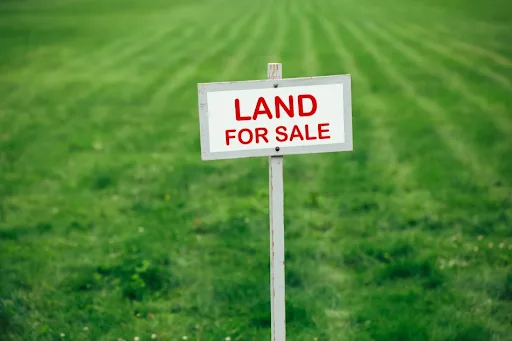
Buying undeveloped land can feel like one of the purest forms of real estate investment. There are no structures, no tenants, and no complications, just a piece of land with potential. But that simplicity is often misleading. Beneath the surface, buying undeveloped land requires a different level of due diligence compared to purchasing a home or rental property.
Many first-time land buyers assume that if the price is low and the location looks promising, it is automatically a good deal. In reality, undeveloped land comes with unique risks and considerations that can significantly impact your investment outcome.
Understanding What You Are Actually Buying
Before anything else, it is critical to understand what kind of land you are purchasing. Many people confuse different land types, especially when they come across terms like “raw land,” “vacant land,” or “unimproved land.”
If you are not clear on the definition, this guide on what is unimproved land explains the distinctions and why they matter for investors and buyers.
In simple terms, undeveloped or unimproved land typically lacks utilities such as water, electricity, sewage, and road access. This directly impacts both usability and cost.
Location Still Matters—But Differently
With traditional real estate, location often revolves around schools, neighborhoods, and amenities. With undeveloped land, location is more about future potential.
You need to ask:
– Is the area growing?
– Are there infrastructure projects planned?
– Is there demand for development?
Land that seems remote today may become highly valuable if a new road, commercial development, or residential expansion is planned nearby.
However, the opposite is also true. Some areas remain stagnant for decades.
Access and Infrastructure Are Critical
One of the most overlooked factors in land buying is access. Just because you can see a plot on a map does not mean you can easily reach it.
You should verify:
– Legal road access
– Physical accessibility
– Proximity to utilities
Connecting utilities can be extremely expensive. Running electricity, drilling a well, or installing septic systems can quickly turn a “cheap” property into a costly project.
Zoning and Land Use Restrictions
Zoning laws dictate what you can and cannot do with a property. This is where many buyers run into trouble.
For example, you might plan to build a residential home, only to discover that the land is zoned for agricultural or commercial use.
Always check:
– Zoning classification
– Building restrictions
– Environmental regulations
Understanding these factors upfront can save you from costly surprises.
Why Visual Analysis Is a Must
Photos and listings only tell part of the story. To truly understand a property, you need to see it from above.
Using a satellite map that shows property lines free allows you to evaluate:
– Terrain and elevation
– Nearby developments
– Road access
– Natural features
This perspective helps you identify potential issues such as flood zones, steep slopes, or proximity to undesirable areas.
Financing Can Be More Difficult
Unlike traditional home purchases, financing undeveloped land can be more challenging.
Banks often consider land a higher-risk investment, which means:
– Higher interest rates
– Larger down payments
– Shorter loan terms
Many buyers end up purchasing land with cash or using alternative financing options.
Holding Costs and Timeline
Even though land has low maintenance costs, it is not entirely free to hold.
You still need to account for:
– Property taxes
– Insurance (in some cases)
– Opportunity cost of tied-up capital
Additionally, land investments often require patience. It may take years before you see significant appreciation.
Exit Strategy Matters
Before buying, you should already have a clear idea of your exit strategy.
Are you planning to:
– Hold long-term?
– Develop the land?
– Flip it for profit?
Your strategy will influence what type of land you should buy and how much risk you can take.
Common Mistakes to Avoid
Many buyers make the same mistakes:
– Buying based on price alone
– Ignoring zoning restrictions
– Underestimating development costs
– Skipping proper research
Avoiding these mistakes can significantly improve your chances of success.
Final Thoughts
Buying undeveloped land can be a smart investment, but it requires a different mindset compared to traditional real estate.
It is not just about finding a cheap plot, it is about understanding the land, its limitations, and its potential.
With proper research, the right tools, and a clear strategy, undeveloped land can become a valuable long-term asset.
Author Details – Wayber.ai is a proptech platform redefining real estate with flat-fee services, smart tools, and data-driven insights for buyers and sellers. This article draws on insights from the Wayber team, bringing together industry expertise and real-world experience to simplify modern property transactions.