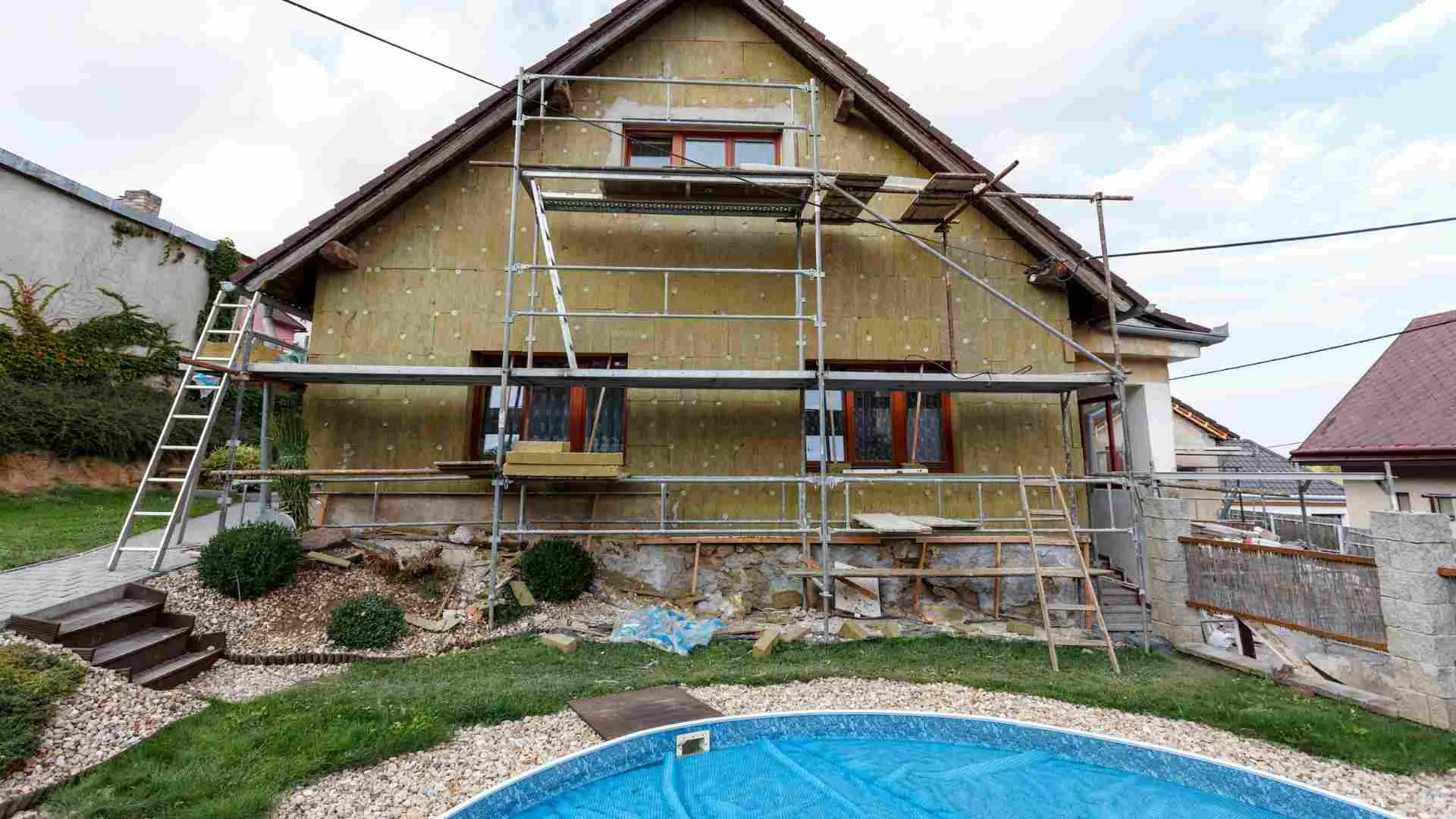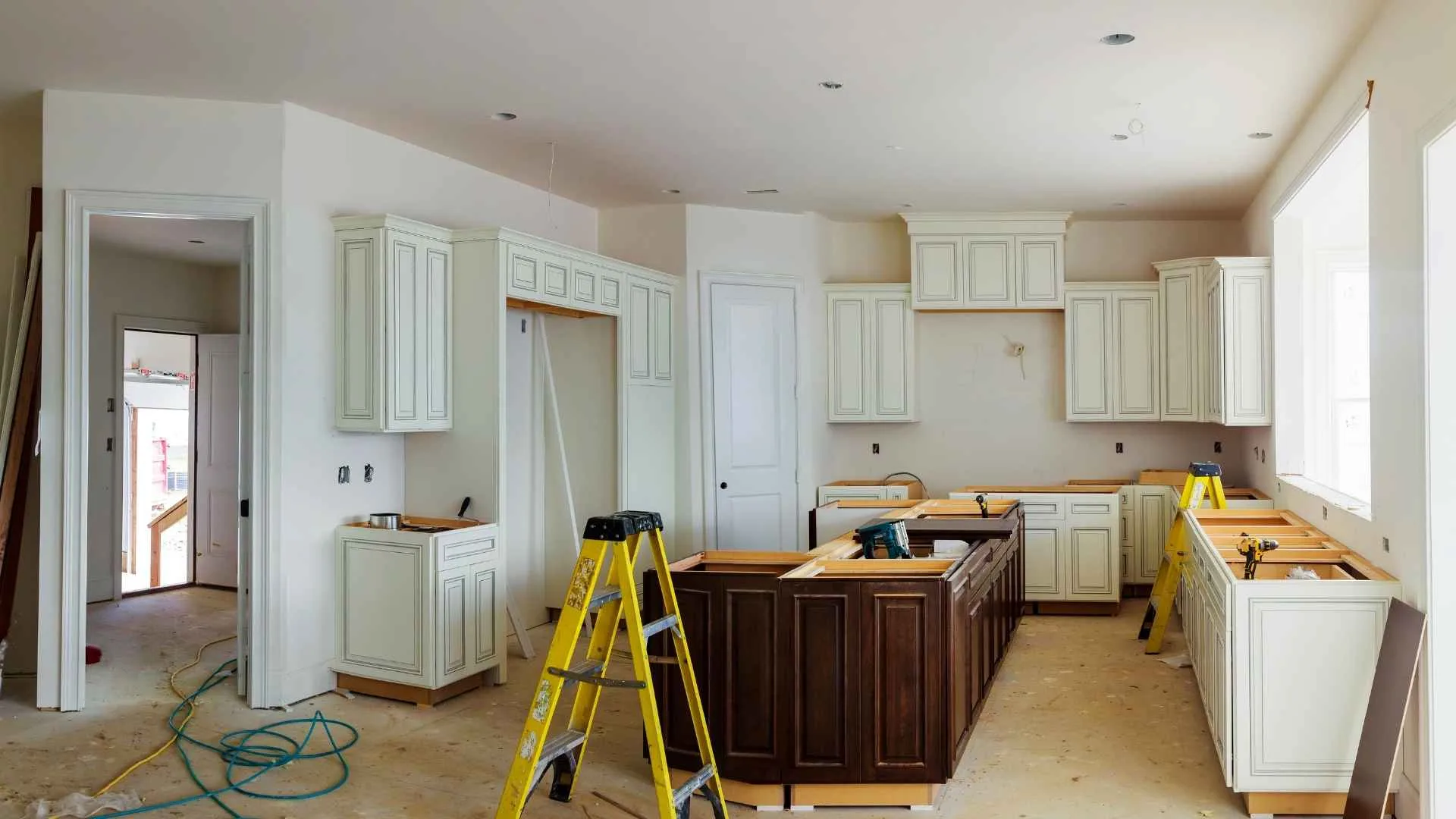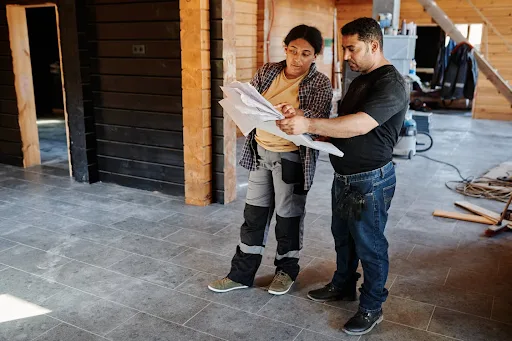
A home rarely gives you a clean, isolated problem. It stacks them. One issue pulls at another, and before you know it, you are not dealing with damage, but with a system that has started to slip out of alignment. No one really prepares for this part. You expect to fix something visible. What you get is a situation that asks for decisions, sequencing, and a level of professionalism that is hard to create on your own, while everything feels urgent.
This tension hits differently in a place like Burleson, TX. Living in Burleson means your home has already been responding to shifting ground, weather swings, and everyday use long before anything becomes obvious. So, when something finally surfaces, it is rarely alone. It connects to conditions that have been building quietly. The role of professional support in stabilizing and rebuilding living spaces becomes critical here, taking you from reactive mode into something far more controlled, where each move actually leads somewhere.
Structural Restoration
Once structural concerns show up, everything else becomes secondary. Paint, finishes, aesthetics, layout changes, none of it matters if the base is not stable. This stage is less about improvement and more about regaining control of the space itself. You are not adding value yet. You are restoring function at its core.
Given this, the right kind of support makes a real difference. Reconstruction services in Burleson are not merely a convenient option, but more so a strategic one, as homes here often respond to local conditions in very specific ways. The focus shifts from isolated fixes to coordinated restoration. The structure gets treated as a system, not a checklist.
Bringing Order to Chaos
The hardest part is not always the damage. It is the feeling that everything needs attention at once. Without structure, it is easy to move in circles, addressing one issue while another quietly gets worse. Here, professional teams step in and reset the pace.
They do not just start working. They organize the situation. What needs to happen first becomes clear. What can wait gets pushed back without risk. This sense of order changes how the entire process feels. You stop reacting and start following a path.
Planning the Process
A solid plan builds momentum. Each step connects to the next in a way that keeps the project moving without unnecessary stops or setbacks. Without that structure, even well-done work can feel scattered.
When planning is handled properly, you can see how everything fits together before it even begins. Timing starts to make sense. Decisions feel less rushed. The process gains a pace that keeps things steady instead of unpredictable.
Safety Oversight
Safety does not always show up in obvious ways, though it sits underneath every stage of the process. Structural work introduces risks that are easy to underestimate if you are not used to dealing with them. Materials shift, spaces open up, and conditions change quickly once work begins.
Professional oversight keeps those risks contained. It brings awareness to each step, making sure nothing gets overlooked in the rush to move forward. That attention does not slow things down. It keeps the process stable and allows the work to move forward without creating new problems along the way.
Tools and Techniques
There’s a clear difference between getting something done and getting it done properly. This difference often comes down to the tools being used and the way the work is approached. Structural repairs are not forgiving. They require precision, and that precision does not come from guesswork.
Professionals bring methods that match the demands of the job. The right tools, used the right way, create results that hold up under pressure. You can feel the difference in the outcome.
Handling the Unexpected
No renovation or reconstruction project moves in a straight line. Something always shows up once the work begins. A section that looked stable turns out to be compromised. A repair exposes another issue sitting right behind it. This unpredictability is where most projects start to lose momentum if there is no experience guiding the process.
Professional teams do not get thrown off by that. They expect it. When something unexpected appears, they adjust without losing control of the bigger picture. Decisions get made quickly, though not carelessly. The plan shifts, not collapses.
Setting Priorities That Actually Matter
Not every problem carries the same weight, though in the middle of a damaged space, everything can feel equally urgent. That is where prioritization becomes critical. Addressing the wrong issue first can waste time, resources, and energy while more serious concerns continue to sit underneath.
Professionals step in with a clear sense of order. Structural stability comes first. Then systems. Then finishes. That hierarchy is not random. It is built from experience. You start seeing why certain things cannot wait and why others should.
Material Choices That Hold Up
Materials are not just about appearance. They carry the responsibility of holding the repair together long after the work is finished. Choosing the wrong material might not show immediate consequences, though over time, it reveals itself through wear, failure, or repeated issues.
Here, professional knowledge becomes quiet but powerful. Knowing how materials respond to local conditions, how they interact with existing structures, and how they perform under stress changes the outcome entirely.
Balancing Now and Later
There’s always pressure to fix what is visible first. It is the part you see, the part that feels urgent, the part that makes the living space look incomplete. Though focusing only on immediate fixes can create a cycle where the same problems return in different forms.
Professionals approach this differently. Immediate concerns get handled, though they are tied into a longer view. Each repair connects to the next stage. The goal is not just to make the space usable again. It is to make it stable enough that you are not revisiting the same issues months later.
Confirming the Work Holds
Finishing the repair is not the final step. Confirming that everything actually holds is what closes the loop. Without that check, there is always a level of uncertainty sitting in the background. Did everything get addressed? Is something still sitting underneath?
Professional inspections remove that doubt. They bring a second layer of verification that the structure is sound, the systems are working, the repairs meet the necessary standards, and the upgrades are leading to a refined house. It is not just a formality. It is a way to make sure the work stands on its own without hidden weaknesses waiting to resurface.
Keeping Life Moving During the Process
Rebuilding a home does not pause life. People still need to move through the space, manage their routines, and deal with the disruption that comes with ongoing work. Without organization, that disruption can quickly become overwhelming.
Structured workflows make a noticeable difference here. Clear schedules, defined work zones, and coordinated timing reduce the chaos that usually comes with large projects.
Stabilizing and rebuilding a home demands restoring control, creating structure, and making sure every step leads somewhere solid. Professional support brings flow to a situation that can easily spiral, turning scattered problems into a defined process.