Key Takeaways
- A home inspection helps identify visible safety concerns, maintenance needs, and potential problems with major systems.
- Roofing, drainage, structure, electrical equipment, plumbing, heating, cooling, and moisture conditions deserve close attention.
- Radon, sewer lines, wells, septic systems, pests, and mold may require separate specialty evaluations.
- An inspection report is a planning document, not a pass-or-fail grade for the property.
- Buyers should understand contingency deadlines, ask questions, and verify agreed work before closing.
From historic homes near Leesburg to newer communities in Ashburn and rural properties west of Route 15, Loudoun County buyers face a wide range of property conditions. Working with a qualified home inspector in Loudoun County, VA can help buyers, sellers, and owners identify visible concerns before they become rushed decisions near closing.
Why Home Inspections Matter In Loudoun County
A polished kitchen or fresh coat of paint does not reveal everything about a property. A standard inspection provides a visual, noninvasive assessment of accessible components and can bring attention to drainage patterns, aging equipment, water stains, damaged materials, or electrical safety concerns. It is different from an appraisal, which is generally intended to support an opinion of value rather than provide a detailed condition review.
Buyers should also understand their contract terms. A buyer may choose to include an inspection contingency, which is a condition that can affect how the transaction proceeds, and inspection contingencies can help buyers review the home’s condition before moving forward. An inspection cannot predict every future repair or uncover defects hidden behind walls, flooring, or stored belongings, but it can improve decision-making while contractual deadlines are still open.
What Inspectors Usually Check
Inspection scopes vary, but most standard inspections review accessible and visible portions of the home. In Loudoun County, attention to site conditions can be especially useful because homes may sit on sloped lots, have finished basements, or rely on private systems outside more densely developed areas.
- Site and drainage: Grading, standing water, walkways, retaining walls, gutters, and downspout discharge.
- Exterior and roof: Siding, trim, windows, doors, flashing, shingles, penetrations, decks, porches, and railings.
- Structure: Visible foundation walls, framing, crawl spaces, attics, basements, and signs of movement or moisture.
- Electrical and plumbing: Service panels, accessible wiring, outlets, fixtures, supply lines, drains, water heaters, and visible leaks.
- Heating, cooling, and interior: Equipment operation, accessible ductwork, filters, ventilation, stairs, ceilings, floors, doors, and built-in appliances.
High-Priority Issues To Watch
Not every report item carries the same weight. Cosmetic wear and routine maintenance may be expected in an older home, while the following conditions can justify prompt follow-up:
- Active water entry: Damp materials, musty odors, water stains, or visible leakage can point to a problem that needs its source identified.
- Drainage near the foundation: Water should be directed away from the house rather than allowed to collect beside it.
- Electrical hazards: Exposed conductors, damaged equipment, missing covers, or outlets that do not function properly should be evaluated.
- Possible structural movement: Significant cracking, sagging, noticeably sloped floors, or repeated door binding may warrant a specialist’s opinion.
- Unsafe exterior features: Loose railings, weak deck connections, damaged stairs, and missing guards can create immediate fall hazards.
- Major mechanical concerns: Equipment that is leaking, inoperable, improperly vented, or near the end of its service life can affect budgeting after closing.
When Specialty Testing Makes Sense
A general inspection is not designed to test every environmental or concealed condition. Additional services may be sensible based on the home’s age, location, visible evidence, and utilities. A sewer scope can be valuable for older properties or homes with mature trees. Homes served by a well or septic system need separate testing and evaluation. Evidence of wood damage or pest activity may justify a pest inspection, while moisture concerns can call for further investigation before relying on mold sampling alone.
Radon testing is also worth considering, particularly for homes with basements or other ground-contact levels. The Virginia Department of Health notes that the only way to know whether a particular home has a radon problem is to test it, and recommends testing homes, especially those being purchased.
How Buyers And Sellers Can Prepare
Buyers: Read the inspection contingency, confirm the deadline, and ask what is included or excluded. Attend when possible, bring questions from prior showings, and make sure the attic, basement, crawl space, garage, electrical panel, and utility equipment can be accessed. Focus questions on safety, active leaks, major systems, and recommended specialist reviews.
Sellers: Clear access to key areas, replace burned-out bulbs, repair active leaks, replace a dirty HVAC filter, and secure loose handrails or deck boards. Clean gutters and direct downspouts away from the foundation. Keep records for permits, roof work, system servicing, and repairs, then disclose known material conditions honestly as required by the transaction process.
How To Read The Report And Handle Repairs
Start with safety issues, active moisture, structural concerns, and defects affecting major systems. Then separate routine upkeep from items that may require immediate repair. Review the report photos and locations carefully, and ask for clarification when wording is unclear. When a concern exceeds the inspection scope, obtain an opinion from an appropriately qualified contractor or specialist.
After review, buyers and sellers may negotiate a repair, a credit, a price adjustment, or acceptance of the property’s condition. A repair request is often most practical for a safety or basic-function issue. A credit can give the buyer control over post-closing work. Any decision should follow the purchase agreement and advice from the parties’ real estate or legal professionals.
New Construction And Final Walkthroughs
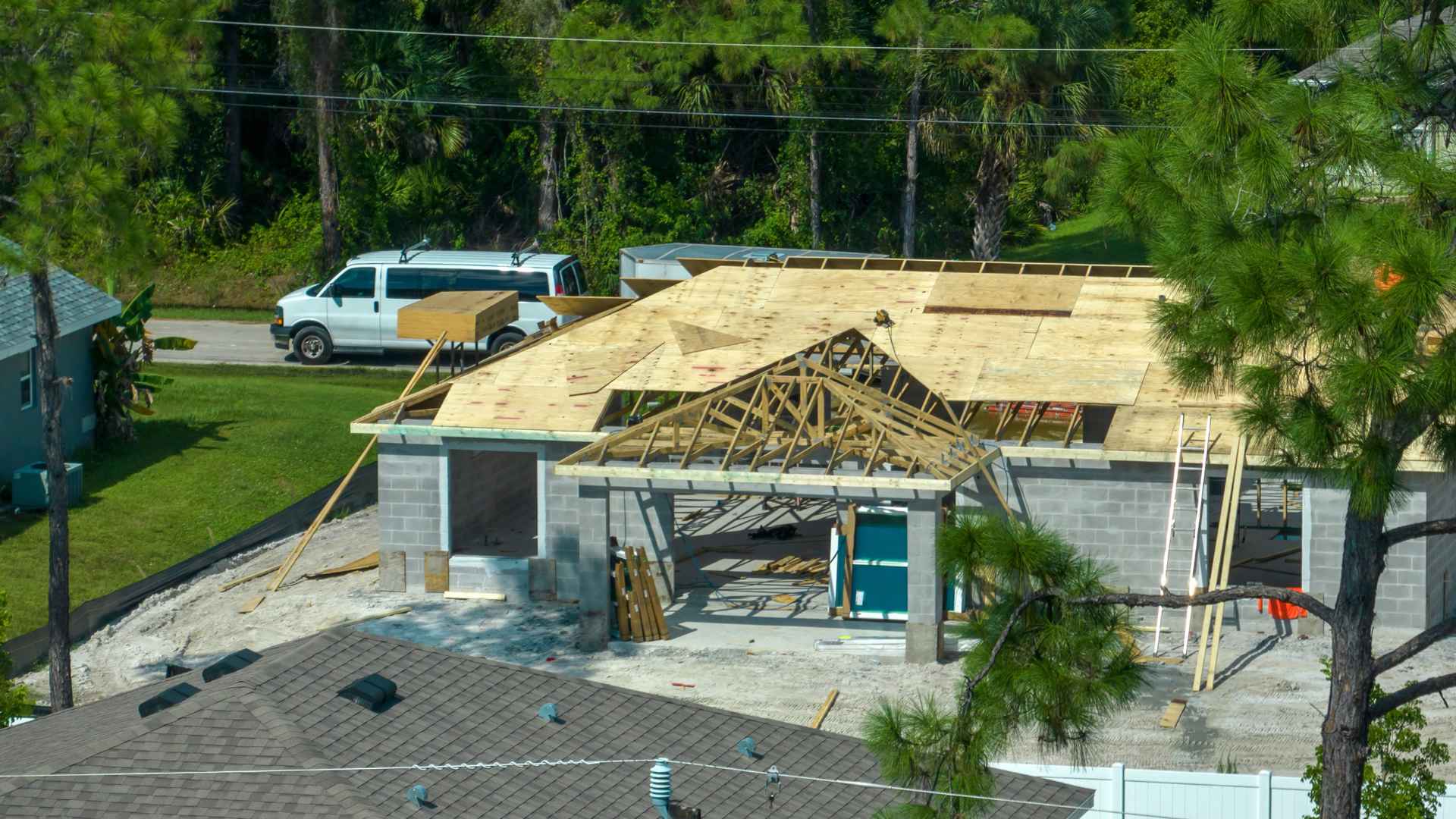
New construction can still have incomplete work, installation defects, or drainage concerns. When possible, buyers can arrange an inspection before drywall conceals accessible systems and another review before closing. Save reports, photos, warranties, change orders, and repair records for the builder warranty period.
At the final walkthrough, test lights, switches, faucets, toilets, appliances, and accessible doors and windows. Confirm agreed repairs are complete, look for new damage or water stains, and verify that included items, keys, remotes, manuals, and access codes are present before signing.
Common Questions About Home Inspections
Is a home inspection required?
Requirements vary by lender, contract, and location. Buyers should review the purchase agreement and seek guidance from their real estate and legal professionals when needed.
Can a home fail an inspection?
Inspections generally describe observed conditions. They do not usually assign a simple pass-or-fail result.
What if the report identifies a major problem?
Stay focused on the facts, obtain specialist input when appropriate, review the contract deadline, and make a decision based on the scope, cost, and risk of the concern.
Conclusion
A careful home inspection process helps Loudoun County buyers look beyond finishes, gives sellers a chance to reduce preventable surprises, and helps owners prioritize maintenance. The most useful approach is straightforward: inspect accessible major systems, document concerns, ask specific questions, and act before important deadlines pass.