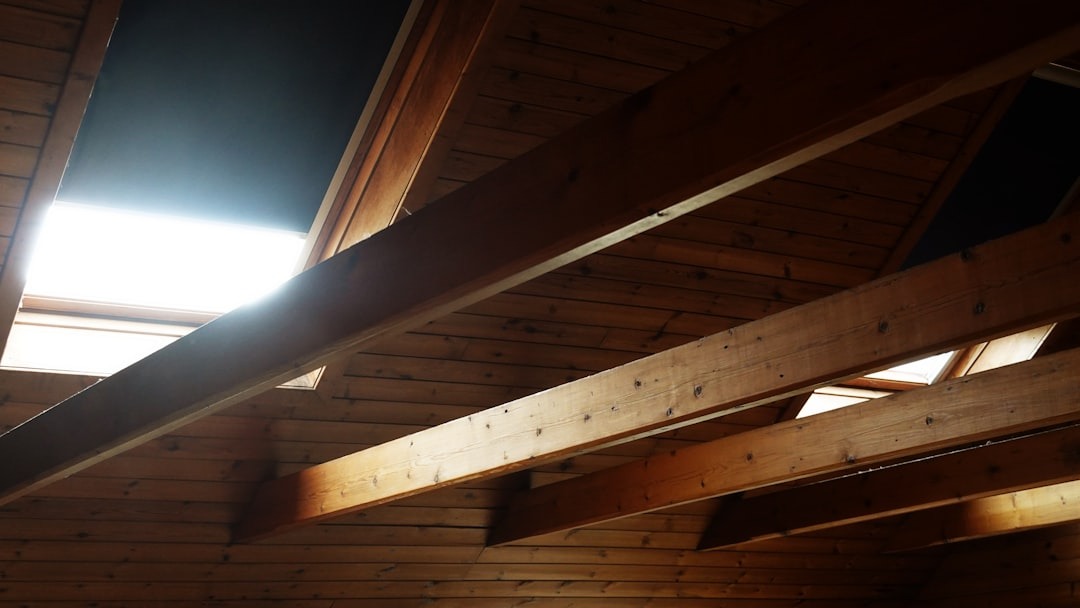
The journey to a truly comfortable home begins at the very top: your roof and its underlying insulation. These elements form your home’s primary thermal barrier, playing a critical role in regulating indoor temperatures and preventing significant energy loss. In regions like Southwest Florida, where solar heat gain is a constant challenge, a well-designed and maintained roofing system is indispensable. It acts as the first line of defense against the relentless sun, preventing heat from penetrating your living spaces.
Effective attic ventilation works hand-in-hand with your roof and insulation. Proper ventilation helps dissipate heat that accumulates in the attic, reducing the load on your cooling system. Without it, your attic can become an oven, radiating heat downwards and making your air conditioner work harder than necessary. This not only drives up energy bills but also shortens the lifespan of your HVAC equipment.
Maintaining the integrity of your roof is paramount. Regular inspections can identify issues like damaged shingles, leaks, or compromised flashing before they escalate into major problems. For those seeking reliable and experienced professionals in roofing, exploring companies with Decades of roofing experience can provide peace of mind, ensuring your home’s top layer offers optimal protection and insulation. Beyond basic maintenance, homeowners might consider upgrades such as reflective materials or radiant barriers. These technologies are designed to reflect solar radiation away from your home, significantly reducing heat transfer through the attic. Adhering to Energy Star standards for roofing materials can also contribute to substantial energy savings and enhance your home’s overall thermal performance. Moisture control is another crucial aspect; a well-sealed and ventilated attic prevents condensation and mold growth, safeguarding both your home’s structure and your indoor air quality.
Optimizing the Perimeter with High-Performance Windows
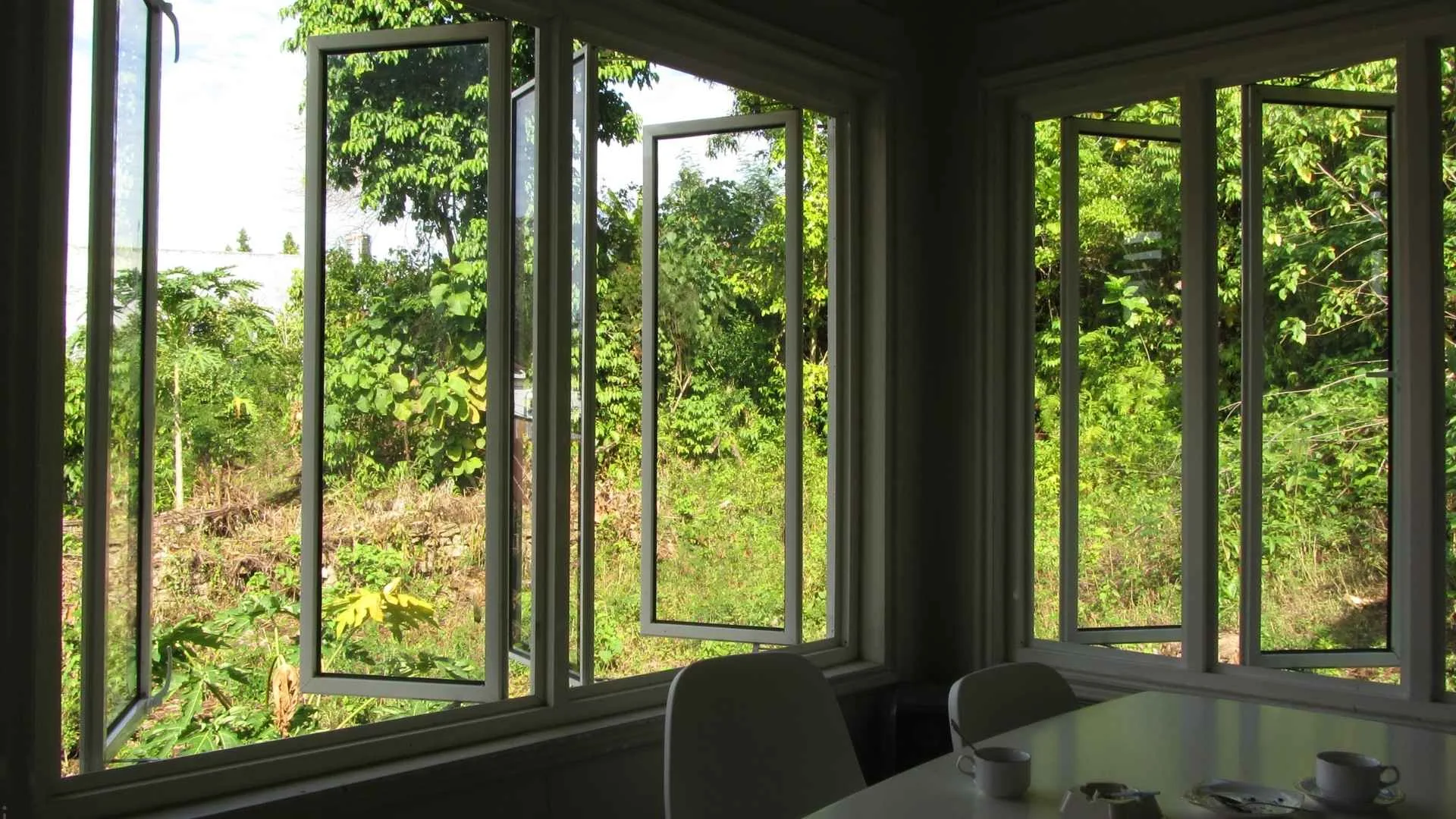
Moving from the top down, the windows and doors of your home are another critical component of its thermal envelope. Traditional or poorly installed windows are notorious for air leakage, allowing conditioned air to escape and unconditioned air to infiltrate. This constant exchange of air undermines your HVAC system’s efforts, leading to uneven temperatures and inflated energy bills.
Upgrading to high-performance windows can dramatically improve your home’s comfort and energy efficiency. Features like double-pane or even triple-pane glass create an insulating barrier, while Low-E (low-emissivity) coatings reflect radiant heat, keeping your home cooler in the summer and warmer in the winter. Eliminating drafts around windows and doors is a simple yet effective step to enhance comfort and reduce energy waste. Addressing issues like thermal bridging, where heat can transfer through window frames, is also crucial. Many modern windows incorporate argon gas fills between panes, further improving their insulating properties. If you’re experiencing issues with existing windows, or looking to upgrade, professional Window and door repair services can ensure proper sealing and installation, maximizing their energy-saving potential.
To illustrate the impact of high-performance windows, consider this comparison:
Feature Single-Pane Window Performance High-Efficiency Window Performance Insulation Poor, high heat transfer Excellent, significantly reduced heat transfer Air Leakage Common, leads to drafts and energy loss Minimal, tight seals prevent air infiltration UV Protection Little to none, allows harmful UV rays to enter High, Low-E coatings block significant UV radiation Noise Reduction Minimal, allows outside noise to permeate Substantial, multi-pane construction dampens sound Comfort Often results in cold spots near windows in winter, hot spots in summer Consistent indoor temperatures, enhanced comfort year-round Energy Savings Low, contributes to higher utility bills High, reduces heating and cooling costs Defining Comprehensive Home Comfort Systems
Once your home’s structural envelope is optimized, the next step is to integrate advanced systems that actively manage your indoor environment. This is the essence of a comprehensive home comfort system. It goes far beyond a basic heating and cooling unit, encompassing a suite of technologies that work together to provide superior comfort, exceptional indoor air quality, and remarkable energy efficiency.
At its core, it’s about HVAC integration, ensuring that your heating, ventilation, and air conditioning systems operate seamlessly. But it also includes sophisticated indoor air quality (IAQ) solutions, mechanical ventilation to bring in fresh air, and precise humidity control—all managed by intelligent systems. This whole-home performance approach aims to reduce environmental emissions by minimizing energy consumption while maximizing your family’s well-being. By considering your home as an interconnected ecosystem, we can create an environment that is consistently comfortable, healthy, and cost-effective.
Components of Comprehensive Home Comfort Systems
A truly comprehensive system is built upon several key components that interact dynamically:
- Heat Pumps: These versatile systems provide both heating and cooling, efficiently transferring heat rather than generating it. Modern heat pumps are incredibly efficient and can be a primary component for year-round comfort, especially in moderate climates.
- Variable-Speed Air Handlers: Unlike single-speed units that are either on or off, variable-speed air handlers can adjust their fan speed to precisely match your home’s comfort needs. This leads to more consistent temperatures, better humidity control, and quieter operation.
- High-Efficiency Filtration: Beyond standard filters, comprehensive systems often include advanced filtration like MERV 13+ filters or HEPA filtration to capture microscopic particles, allergens, and pollutants, significantly improving indoor air quality.
- Whole-Home Dehumidifiers: Essential in humid climates, these dedicated systems remove excess moisture from the air independently of your cooling system, preventing mold growth, improving comfort, and making your home feel cooler at higher temperatures.
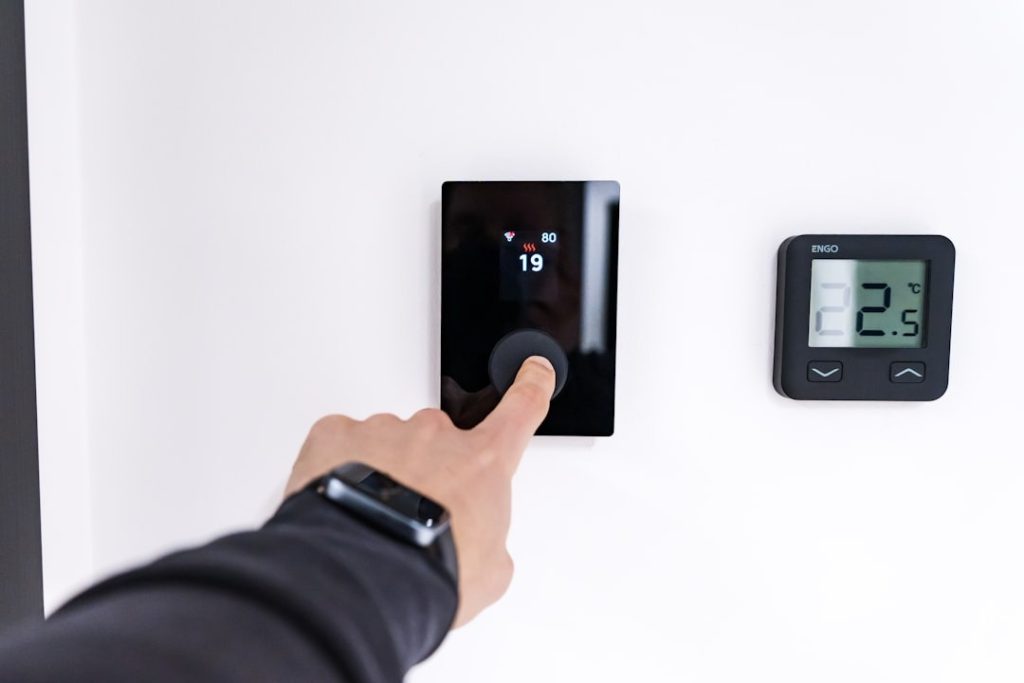
- Smart Thermostats: These intelligent devices learn your preferences, optimize energy usage, and can be controlled remotely. They are the “brain” of your comfort system, orchestrating various components for peak performance and convenience.
- Carbon Monoxide Monitoring: Integrated CO detectors provide crucial safety, alerting you to the presence of this odorless, colorless gas, often produced by combustion appliances.
Integrating HVAC into Comprehensive Home Comfort Systems
The HVAC system is the heart of any home comfort solution, and modern options offer unparalleled flexibility and efficiency:
- Ductless Mini-Splits: Ideal for homes without existing ductwork, additions, or for creating zoned comfort, mini-splits offer highly efficient heating and cooling to individual rooms or areas. They eliminate the energy losses associated with ducts.
- Split Systems: The most common setup, consisting of an outdoor unit (condenser/heat pump) and an indoor unit (furnace/air handler) connected by refrigerant lines. High-efficiency split systems are foundational to comprehensive comfort.
- Zoning Technology: This allows you to divide your home into different comfort zones, each with its own thermostat. Instead of heating or cooling the entire house, you can direct conditioned air only where it’s needed, saving energy and providing personalized comfort.
- Energy Efficiency Ratings: When evaluating systems, understanding ratings like SEER2 (Seasonal Energy Efficiency Ratio), HSPF2 (Heating Seasonal Performance Factor), and AFUE (Annual Fuel Utilization Efficiency) is crucial. The ‘2’ in SEER2 and HSPF2 indicates updated testing standards as of January 2023, providing a more accurate reflection of real-world performance. Higher numbers generally mean greater efficiency and lower operating costs. For example, a 97% AFUE rating means 97% of the fuel burned goes directly to heating your home.
- Load Calculations: A professional HVAC contractor will perform detailed load calculations to determine the precise heating and cooling needs of your home. This prevents oversizing or undersizing equipment, which can lead to inefficiency, discomfort, and premature system wear.
- Florida-Specific Climate Adaptations: In Southwest Florida, systems must be robust enough to handle high humidity, salt air corrosion, and intense heat. This might include specialized coils, protective coatings, and dehumidification capabilities built into the system design.
Advanced Indoor Air Quality and System Maintenance
Even the most advanced comfort system requires diligent care to perform optimally. Maintaining excellent indoor air quality (IAQ) and ensuring your system is well-maintained are two sides of the same coin when it comes to comprehensive home comfort.
Duct cleaning is a vital service, especially in homes where dust, allergens, and pet dander can accumulate within the ductwork. Over time, these contaminants are recirculated throughout your home, impacting air quality and potentially exacerbating allergies or respiratory issues. Regular duct cleaning removes this buildup, promoting healthier air and improving system efficiency. Beyond cleaning, technologies like HEPA filtration can be integrated into your HVAC system to capture ultra-fine particles, while UV air purifiers use ultraviolet light to neutralize airborne bacteria, viruses, and mold spores.
Proactive maintenance is non-negotiable for system longevity and efficiency. Regular seasonal tune-ups—typically once in the spring for cooling and once in the fall for heating—are essential. These professional checks ensure all components are functioning correctly and can catch minor issues before they become costly repairs.
Here’s a list of essential monthly and annual maintenance tasks:
- Monthly:Change or clean air filters (more frequently with pets or allergies).
- Ensure all vents and returns are clear of obstructions.
- Annually (Professional Service Recommended):Check and clean condenser coils.
- Inspect and clean evaporator coils.
- Verify refrigerant levels and check for leaks.
- Tighten electrical connections and check voltage/current.
- Lubricate moving parts.
- Inspect and clear condensate drain lines.
- Test thermostat calibration.
- Inspect heating elements and heat exchangers.
- Check safety controls.
- Measure airflow.
By adhering to these maintenance practices, you not only extend the life of your comprehensive home comfort system but also ensure it continues to deliver the clean, comfortable air you expect.
Frequently Asked Questions about Home Comfort
Homeowners often have questions about how to maximize their comfort and efficiency. Here, we address some common inquiries related to comprehensive home comfort systems.
How does a whole-house approach save on energy bills?
A whole-house approach to energy efficiency considers all interconnected elements of your home, rather than focusing on individual components in isolation. This synergy is key to significant savings. For instance, simply upgrading your HVAC system without addressing poor insulation or leaky windows will limit its efficiency potential. By combining proper equipment maintenance and upgrades with recommended insulation, air sealing, and strategic thermostat settings, homeowners can realistically save about 30% on their energy bill. This holistic strategy ensures that every dollar spent on heating or cooling is used as efficiently as possible, reducing waste and environmental emissions.
What are the benefits of zoning in larger homes?
In larger homes, particularly multi-level properties, uneven temperatures and hot and cold spots are common comfort issues. Zoning technology directly addresses this by dividing your home into distinct areas, each controlled by its own thermostat. This offers several benefits:
- Personalized Comfort: Family members can set preferred temperatures for their specific zones, eliminating arguments over the thermostat.
- Energy Conservation: You no longer need to heat or cool unoccupied rooms. For example, you can keep bedrooms cooler at night while maintaining a comfortable temperature in living areas, or vice versa.
- Targeted Cooling/Heating: Conditioned air is directed precisely where it’s needed, reducing the workload on your HVAC system and cutting down on wasted energy.
- Multi-Level Climate Control: Effectively manages temperature differences between floors, ensuring consistent comfort throughout the entire home.
Why is humidity control vital in humid climates like Southwest Florida?
In humid climates like Southwest Florida, humidity control is not just about comfort; it’s also about protecting your home and health. High indoor humidity can lead to a host of problems:
- Moisture Removal: Excess moisture makes the air feel much warmer than it actually is, forcing your air conditioner to work harder to achieve a comfortable temperature. Dedicated whole-home dehumidifiers remove this moisture, allowing your AC to cool more efficiently and your home to feel comfortable even at slightly higher thermostat settings.
- Mold Prevention: High humidity creates an ideal breeding ground for mold and mildew, which can damage your home’s structure, trigger allergies, and negatively impact indoor air quality.
- Indoor Air Quality: By controlling humidity, you reduce the presence of dust mites and other allergens that thrive in moist environments.
- Evaporator Coil Efficiency: When humidity is high, your AC’s evaporator coil can become overworked trying to condense moisture, reducing its ability to cool the air effectively. Proper humidity control helps the AC focus on cooling.
- Comfort Levels: A home with controlled humidity simply feels more pleasant and less sticky, enhancing overall comfort.
Conclusion
Achieving optimal home comfort is a multifaceted endeavor that extends beyond a single appliance. It involves understanding the system synergy between your home’s structural elements—like roofing and high-performance windows—and its advanced mechanical systems, including comprehensive HVAC, indoor air quality solutions, and smart controls. By adopting a proactive approach to maintenance and considering your home as an integrated system, you can ensure long-term reliability and efficiency.
Investing in proactive care for every aspect, from the structural integrity of your roof to the efficiency of your heating and cooling units, is an investment in sustainable living and unparalleled year-round comfort optimization. The goal is not just to react to discomfort but to create an environment that consistently supports your family’s well-being and reduces your environmental footprint.