As technology continues to reshape our homes, the way we approach heating and cooling is undergoing revolutionary change. Homeowners seeking improved comfort, lower utility bills, and smarter integrations are turning to emerging HVAC solutions to keep up with rising expectations. With smart technologies and self-install options available, staying informed about the newest developments means you can confidently select the most effective approach for your property. Exploring features, costs, and evolving solutions is crucial for those seeking a future-proof home comfort system. For a hands-on exploration of one of the industry’s most popular systems, read more about innovative approaches available today.
The HVAC landscape is now driven not only by new gadgets but also by enhanced efficiency and an increased focus on sustainability. From smart thermostats that adapt to your lifestyle to heat pumps that work year-round, today’s systems offer choices for every home and budget. Understanding these options helps you choose the option that maximizes comfort, value, and peace of mind now and for years to come.
Smart HVAC Systems: The New Standard
Connected home technology is here to stay, and the HVAC industry is at the forefront of this shift. Modern systems let homeowners control indoor climate from virtually anywhere through a smartphone or connected device. Features like learning thermostats, room-by-room zoning, and intelligent scheduling adapt over time to your preferences, delivering optimized comfort and cutting excessive energy usage. According to Consumer Reports, these innovations have contributed to savings of up to 10 percent on annual heating and cooling costs for many users.
Artificial intelligence is also being harnessed in HVAC controls, predicting when maintenance may be needed or automatically fine-tuning humidity and temperature to enhance air quality. Systems now alert you when filters require replacement, reducing breakdowns and extending the lifespan of your devices. Upgrades such as these solidify smart HVAC systems as essential technology for the modern home.
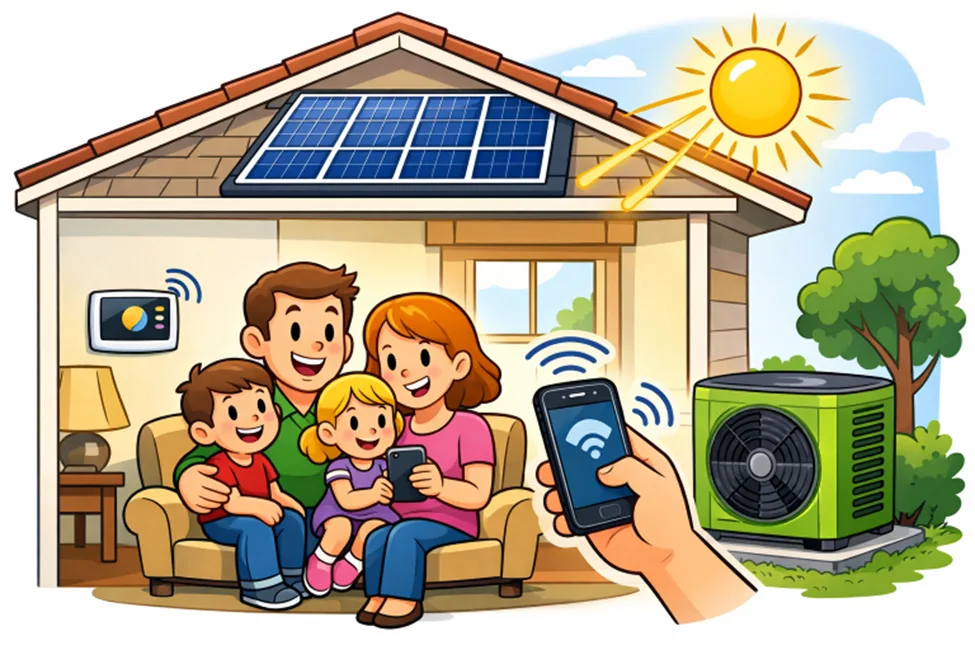
In addition to intuitive controls and automation, newer systems are integrating seamlessly with other smart home devices, such as lights, security cameras, and voice assistants. This interconnected network creates a unified living experience, allowing users to automate routines, such as reducing HVAC activity when the house is unoccupied, or adjusting settings based on real-time weather forecasts. The result is not only tangible energy savings but also a more comfortable, adaptable home environment. With interoperability improving across brands, upgrading to a smart HVAC system has never been easier or more practical for a wider range of homeowners.
DIY HVAC Solutions: Empowering Homeowners
DIY HVAC systems are gaining popularity due to rising installation costs and the demand for accessible solutions. Manufacturers provide components like heat pumps and mini splits with pre-charged line sets and easy-to-follow installation guides, enabling homeowners with basic technical skills to handle installations themselves. This reduces labor costs, enabling lower overall costs and greater flexibility for upgrades and repairs.
Key factors in purchase decisions now include warranty transparency and comprehensive post-sale support, ensuring consumers make informed choices and protect their investments. This trend empowers homeowners to confidently enhance their living environments at their own pace.
The DIY approach appeals to both cost-conscious individuals and tech enthusiasts who enjoy home improvement projects. Customized HVAC installations can meet specific architectural needs, retrofit older properties, or enhance comfort in areas such as garages and sunrooms. Resources such as online forums and support videos foster collaborative knowledge sharing, shifting the notion of HVAC service from a domain reserved for licensed professionals to a more accessible, rewarding experience for homeowners.
Energy Efficiency and Sustainability
As environmental awareness rises, the HVAC industry has responded by creating systems that minimize energy consumption and lower greenhouse gas emissions. Upgrades such as inverter compressors, new refrigerant types, and more precise controls are quickly becoming standard. Leading organizations, such as the U.S. Department of Energy, have highlighted the shift from older refrigerants (such as R-410A) to those with lower global warming potential, helping address long-term climate impacts.
Sustainable choices now go beyond the equipment itself. Homeowners are encouraged to improve insulation, upgrade to energy-saving windows, and combine HVAC upgrades with renewable energy installations such as solar panels for maximum impact. These collective improvements not only support climate goals but also deliver measurable decreases in monthly energy bills, making every investment go further.
Monitoring and benchmarking energy use is another emerging trend, with advanced HVAC systems offering usage reports and actionable suggestions. These features educate homeowners and drive continuous improvement, encouraging behaviors and upgrades that support both efficiency and environmental stewardship. By setting goals, tracking savings, and earning incentives from utilities or government programs, households can make their efforts even more rewarding. The result is a comprehensive approach to sustainability, one that makes responsible choices second nature while ensuring homes are healthy, comfortable, and future-ready.
Future Trends in HVAC Technology
Looking to the future, HVAC solutions are expected to become more interconnected, responsive, and environmentally friendly. Key developments include:
- Electrification and Advanced Heat Pumps: Electric HVAC options, particularly next-generation heat pumps, are increasingly effective in both hot and cold regions. This offers a path away from fossil fuel dependence while boosting efficiency.
- Smarter Diagnostics and Maintenance: Enhanced sensors and machine learning are set to predict failures and maintenance needs with greater accuracy, reducing costly repairs and surprise breakdowns.
- Integration with Renewables: Many new systems are designed to sync with solar, wind, or geothermal energy, further minimizing carbon footprints and creating homes that are both comfortable and resilient in changing climates.
Beyond these developments, the industry is also exploring innovations such as phase-change materials and building envelope technologies that work synergistically with HVAC systems. More adaptable, smaller-footprint units are on the horizon, designed to meet the needs of urban dwellers and retrofit applications. As regulatory standards continue to tighten and global awareness grows, manufacturers are responding with bolder initiatives in product design, recyclability, and lifecycle impacts. These trends signify that the role of HVAC in sustainable living will only deepen in the coming years, setting new standards for efficiency, intelligence, and environmental responsibility.
Conclusion
Today’s HVAC innovations are significantly transforming home comfort, offering solutions that include self-installation, eco-friendly operation, and improved year-round temperature management. Homeowners can now easily access technologies that align with their lifestyles and contribute to a sustainable future. It is essential for both homeowners and industry professionals to stay informed about changes in HVAC developments, undertake regular assessments, and be aware of new codes and incentives. By seeking expert advice when necessary, homes can improve comfort, energy efficiency, and preparedness for the future. The evolution of HVAC emphasizes not only technological advancements but also a commitment to enhancing comfort, health, and environmental stewardship in residential settings.