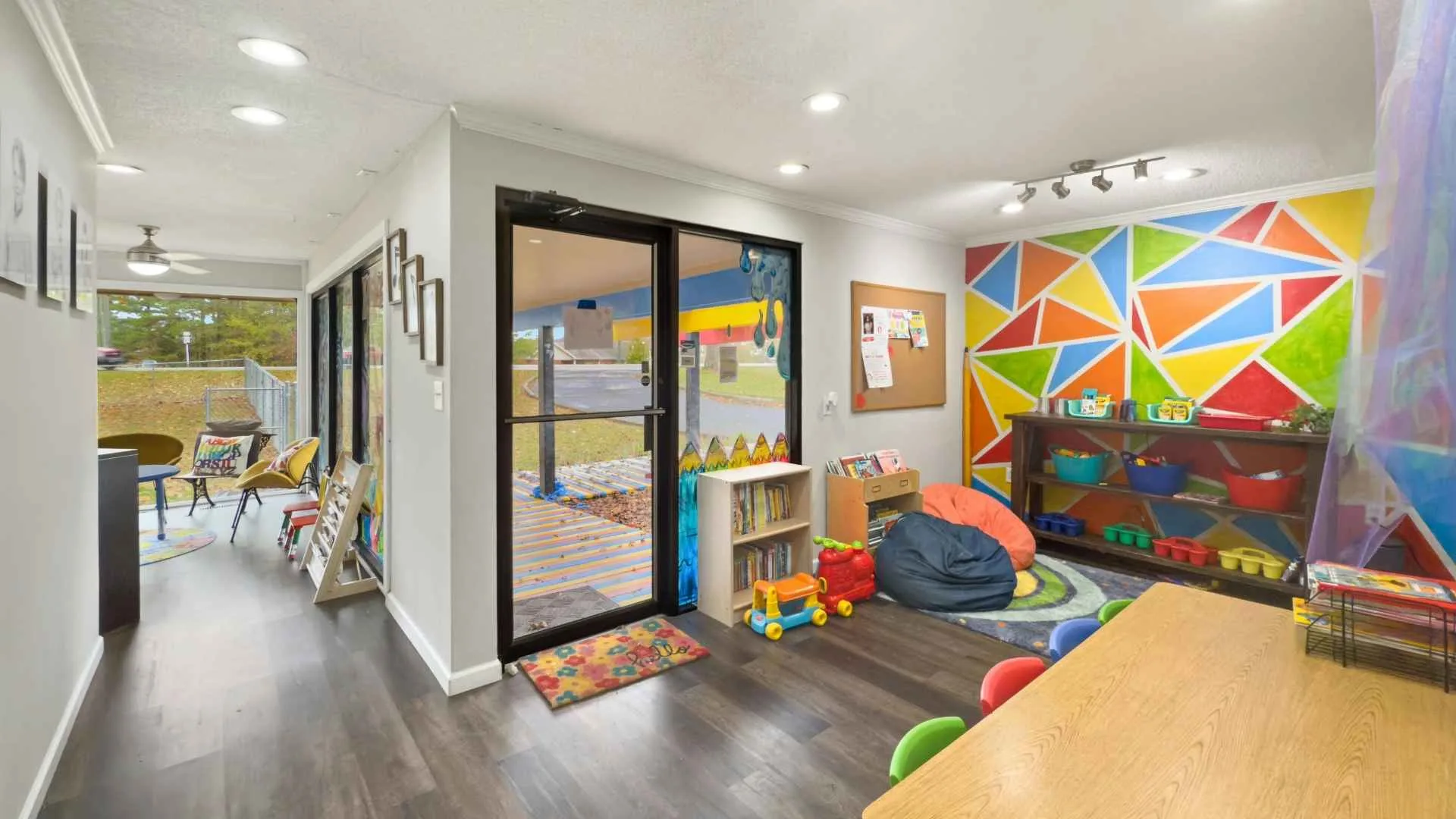
A child sneezes on a shared table. Six kids grab the same door handle before lunch. Someone leaves the restroom without washing their hands. These moments happen hundreds of times a day inside any school or childcare center. That is why healthy learning environments do not happen by accident. They are built through consistent routines, smart cleaning practices, and a shared commitment from everyone in the building.
Austin schools and childcare centers face real challenges. Texas allergy seasons hit hard, flu spreads quickly through close-contact spaces, and the heat keeps kids active and sweaty most of the year. Staying ahead of all that takes more than a mop and a spray bottle — it takes reliable school cleaning services in Austin, TX.
Why Healthy Learning Environments Matter
Most parents focus on curriculum and teachers when choosing a school or daycare. But research consistently shows that a facility’s cleanliness directly affects how well children learn and how often they actually show up. Here is why it matters across the board:
- Attendance: A 2024 study in the American Journal of Infection Control found that improved hygiene and sanitation in schools led to a 46% reduction in student absences caused by illness. Fewer sick days mean more time in class and more consistent learning.
- Focus and performance: Clean spaces reduce mental clutter and help children stay alert. Poor air quality from dust and inadequate ventilation raises CO2 levels, causing drowsiness and making it harder to absorb information.
- Teacher stability: When illnesses spread through a poorly maintained school, staff call out more often. Substitute teachers break lesson continuity, creating learning gaps that are hard to recover from.
- School funding: In Texas, school funding is tied to average daily attendance. Higher illness-related absences translate directly into lost resources.
- Parent trust: When parents walk into a daycare and see sanitized surfaces, fresh-smelling restrooms, and clean floors, they feel confident their child is in the right place.
Key Cleaning Practices Used by Austin Schools and Childcare Centers
High-Touch Surface Disinfection
Door handles, light switches, faucets, shared tablets, and tabletops collect bacteria and viruses throughout the day. These areas must be disinfected regularly, not just wiped down. Many Austin facilities now disinfect these surfaces multiple times per day during cold and flu season.
Classroom Hygiene Standards
Tables where children eat snacks or do art projects need food-safe sanitizing before and after use. Toys in daycare centers cleaning programs, especially those used by toddlers who mouth everything, must be cleaned daily or pulled from use immediately after contact.
Restroom Protocols
Restrooms are among the highest-risk areas in any educational facility. Strong programs clean restrooms multiple times throughout the school day rather than only after hours. Soap, paper towels, and hand sanitizer are kept consistently stocked because a child who reaches for soap and finds an empty dispenser simply will not wash their hands.
Indoor Air Quality
Austin Public Health recommends improving ventilation as a key strategy for reducing illness in childcare settings. Better airflow removes airborne particles and dilutes germ concentration in shared spaces. Schools that have upgraded HVAC systems or added air filtration report fewer respiratory illnesses among students and staff.
Avoiding aerosol sprays inside classrooms also matters. Products like air fresheners release fine particles that children inhale and that can trigger asthma or allergy symptoms.
Floor and Carpet Maintenance
Floors and carpets trap allergens, bacteria, and debris that foot traffic kicks back into the air all day. Regular vacuuming with HEPA-filter equipment removes what standard vacuums leave behind. Periodic deep cleaning of carpets in childcare centers, where children sit and play on the floor, removes built-up grime that surface cleaning misses entirely.
How Professional Cleaning Supports Educational Facilities in Austin
Teachers and facility staff already carry a heavy load. Expecting them to handle deep cleaning and disinfection alongside their primary responsibilities leads to gaps, and those gaps are exactly where illnesses take hold.
Professional cleaning services fill that role reliably. Local providers like NAE Cleaning Solutions work directly with Austin schools and daycare centers, building cleaning programs tailored around each facility’s schedule and needs. Their work covers daily janitorial services, floor and carpet care, restroom maintenance, and targeted disinfection for high-traffic classrooms. Using EPA-approved, child-safe cleaning products and commercial-grade equipment, they deliver a level of consistency that in-house staff rarely can manage alone.
Texas Health and Human Services requires licensed childcare centers to pass annual sanitation inspections. Facilities that maintain a professional cleaning program stay compliant year-round rather than scrambling before an inspection.
Proactive Cleaning vs. Reactive Cleaning
There is a clear difference between cleaning in response to a problem and cleaning to prevent one. Many schools fall into reactive patterns: scrubbing restrooms only after complaints, or deep cleaning classrooms only after a stomach bug has already spread.
Proactive programs build schedules around known risk windows. Before flu season, cleaning frequency increases. After a sick child goes home, high-touch surfaces in that classroom are disinfected before the others return. During allergy season, carpet and floor cleaning ramps up to reduce allergen buildup.
This approach costs less in the long run. Fewer sick students means fewer missed school days, fewer administrative disruptions, and more stable instruction throughout the year.
The Role of Staff and Students
Professional cleaning handles what happens after hours. During the school day, hygiene depends on teachers, staff, and students building consistent habits.
The CDC recommends handwashing with soap and water for at least 20 seconds before meals, after restroom use, and after sneezing or coughing. Austin Public Health hosts regular training for childcare directors and staff focused on preventing illness transmission.
Teaching children to cough into their elbow, toss used tissues immediately, and wash hands at key moments creates habits that follow them for life. Schools that reinforce these behaviors through classroom reminders and daily routines see lower illness transmission across the entire school year.
Frequently Asked Questions
How often should classrooms in Austin schools be cleaned?
Classrooms should be cleaned and sanitized daily, with high-touch surfaces disinfected multiple times per day during peak illness seasons.
What cleaning products are safe to use around children?
EPA-registered, non-toxic, and fragrance-free disinfectants are the safest choice. Products should be child-safe and free from aerosol chemicals that can irritate young airways.
Does cleanliness actually affect how well children learn?
Yes. Research links clean, well-ventilated classrooms to lower illness-related absences, better focus, and stronger academic performance.
How do Austin childcare centers stay compliant with Texas hygiene standards?
Texas Health and Human Services requires licensed childcare centers to pass annual sanitation inspections. Facilities stay compliant through documented cleaning schedules, approved disinfectants, and proper ventilation maintained year-round.
What is the difference between cleaning, sanitizing, and disinfecting?
Cleaning removes visible dirt. Sanitizing reduces bacteria to safe levels. Disinfecting kills a broader range of pathogens including viruses. A complete childcare hygiene program uses all three at the right times.