
In a region like Princeton, TX, where summer temperatures regularly soar above 95°F from June through September, the integrity of your home’s HVAC and plumbing systems isn’t just about comfort—it’s about health, safety, and financial stability. Advanced diagnostic testing plays an essential role in maintaining this integrity. It’s not merely about fixing a problem when it arises, but about proactively identifying potential issues before they escalate into costly emergencies.
Modern diagnostic techniques allow us to look beyond the surface, assessing the true condition and efficiency of your systems. This early detection is critical for several reasons. Firstly, it ensures your AC operates at its optimal SEER rating, maximizing energy efficiency and keeping your home cool without excessive utility costs. Secondly, it helps prevent unexpected system failures, which can be particularly disruptive and expensive during peak demand periods. By understanding the subtle signs of wear and tear, we can address minor issues, ensuring your systems are ready to face the intense Texas climate.
Why Modern HVAC and Plumbing Diagnostics Prevent Costly Failures
The goal of advanced diagnostics is simple: to save homeowners from the significant inconvenience and expense of major system breakdowns. When a component failure occurs in an HVAC unit or a plumbing system, it rarely happens without warning signs. Modern diagnostic tools and techniques allow skilled technicians to pinpoint these nascent issues, from subtle refrigerant leaks in your AC to hidden pipe corrosion in your plumbing.
Consider the lifespan of an air conditioning unit, typically ranging from 10 to 15 years. Regular, thorough diagnostics can significantly contribute to lifespan extension, helping your system reach or even exceed its projected operational years. This proactive approach helps avoid the sudden, unexpected repairs that often come with a hefty price tag. For instance, addressing a minor electrical issue or a clogged drain pan during a routine check is far less expensive than replacing a burnt-out compressor or repairing extensive water damage from an undetected leak.
Moreover, diagnostics inform critical decisions. For systems approaching the end of their life, understanding their true condition can help you apply rules of thumb, like the “$5,000 Rule” for AC units, which suggests considering replacement if the age of the unit multiplied by the cost of the repair exceeds a certain threshold. This kind of insight empowers homeowners to make economically sound choices. For those seeking comprehensive guidance on maintaining their home’s essential systems and understanding when it’s time for an upgrade, resources from an expert HVAC and plumbing provider can offer valuable perspectives on preventing costly failures and extending system life.
Key Tools Used in Advanced HVAC and Plumbing Diagnostics
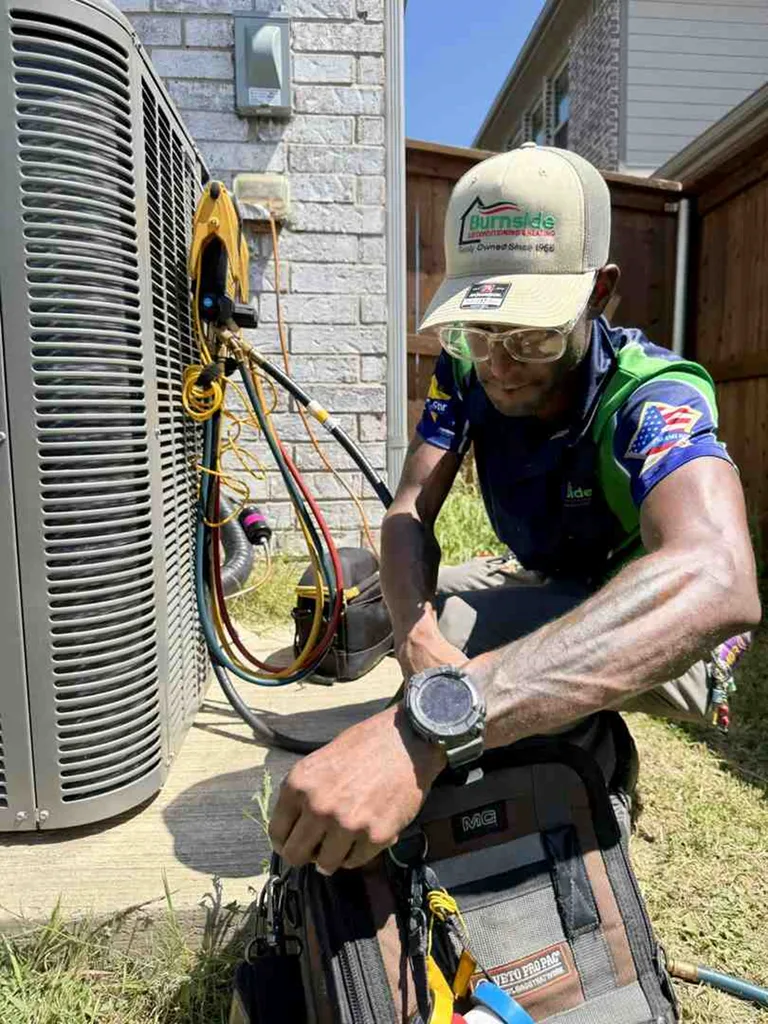
Professional diagnostic services rely on a suite of sophisticated tools that provide insights far beyond what a visual inspection can offer. These instruments allow technicians to accurately assess the performance and condition of your HVAC and plumbing systems.
- Thermal Imaging Cameras: These devices detect temperature differences, revealing issues like refrigerant leaks, electrical hotspots, insulation gaps in ductwork, or even hidden moisture behind walls that could indicate a plumbing leak.
- Acoustic Leak Detectors: For plumbing systems, these tools can “listen” for the sound of water leaks within pipes hidden behind walls or underground, even when there are no visible signs of damage.
- Digital Manometers: Used in HVAC, these precision instruments measure air pressure, helping to identify blockages in ductwork, issues with blower motors, or problems with refrigerant pressure that impact cooling efficiency.
- Video Pipe Inspection Cameras: For plumbing diagnostics, small, flexible cameras are inserted into drain lines and sewer pipes, providing a real-time view of blockages, cracks, root intrusion, or corrosion that could lead to future backups or leaks.
- Airflow Capture Hoods: These tools are placed over vents to accurately measure the volume of air flowing into a room, helping to balance airflow, identify ductwork issues, and ensure consistent cooling throughout the home.
Key Indicators That Your Home Systems Require Inspection
Your home’s HVAC and plumbing systems often provide subtle clues when they are struggling. Recognizing these indicators early can prevent minor issues from escalating into major, expensive problems. Being attuned to these signs is the first step in proactive home maintenance.
One of the most common indicators is unexpected spikes in utility bills. If your energy costs are suddenly much higher than usual, especially without a significant change in usage, it often points to an inefficiency in your AC or heating system. Similarly, uneven cooling or heating in different rooms suggests a problem with your HVAC system’s distribution or capacity.
Unusual noises emanating from your AC unit, furnace, or plumbing—such as banging, hissing, gurgling, or grinding—are clear signals that something is amiss. These sounds often indicate mechanical issues, blockages, or leaks. Water accumulation around your AC unit, water heater, or under sinks, even small puddles, is a direct sign of a leak that needs immediate attention. Lastly, high humidity levels indoors, despite your AC running, can indicate a problem with your unit’s ability to dehumidify the air, often a sign of reduced efficiency or an oversized system.
Identifying AC and Air Duct Performance Failures
Given Princeton’s hot climate, optimal AC performance is non-negotiable. Several specific signs can indicate your AC unit or ductwork is underperforming.
- Coil Contamination: If your AC coils (evaporator or condenser) are dirty, they can’t transfer heat efficiently. This might manifest as your unit running constantly but not cooling effectively, or blowing warm air.
- Refrigerant Leaks: A low refrigerant level, often due to a leak, can cause your AC to struggle. You might notice a hissing sound, ice buildup on the outdoor unit, or simply insufficient cooling.
- 30% Air Loss: Leaks and tears in ductwork are a significant culprit for inefficiency. Research indicates that up to 30% of conditioned air can escape through damaged ductwork, driving up energy bills and making it harder to cool your home. This loss of air means your AC works harder for less effect.
- Ductwork Tears and Disconnections: Beyond just leaks, visible tears or disconnected sections of ductwork in attics or crawl spaces allow conditioned air to escape into unconditioned areas, drastically reducing system efficiency.
- Short Cycling: If your AC unit turns on and off frequently without completing a full cooling cycle, it’s “short cycling.” This can be caused by an improperly sized unit, a dirty air filter, or an electrical issue, and it puts undue stress on the system, leading to premature wear.
Spotting Plumbing and Drainage Malfunctions
Plumbing issues can be insidious, often starting small before causing significant damage. Early detection is key to preventing costly repairs.
- Pressure Drops: A sudden or gradual decrease in water pressure throughout your home can indicate a significant leak in your main water line or within your plumbing system.
- Silent Leaks: These are particularly problematic as they can go unnoticed for long periods, leading to water damage, mold growth, and increased water bills. Signs might include unexplained damp spots, peeling paint, or a musty odor.
- Pipe Corrosion: Older homes, especially those with galvanized steel pipes, are susceptible to internal pipe corrosion. This can lead to discolored water, reduced water flow, and eventually, leaks.
- Drain Backup: Slow drains, gurgling noises from drains, or water backing up into sinks, showers, or toilets are clear signs of a blockage in your drainage system, which could be anything from hair buildup to tree root intrusion.
- Slab Leak Detection: For homes built on a concrete slab, leaks can occur in pipes running beneath the foundation. Signs include warm spots on the floor, the sound of running water when no fixtures are in use, or cracks in the foundation. Professional diagnostics are crucial for identifying and repairing these complex leaks.
How Professional Diagnostic Testing Saves Energy and Money
Investing in professional diagnostic testing for your HVAC and plumbing systems isn’t an expense; it’s a strategic investment that yields significant returns in energy savings and reduced repair costs over time. In the long run, this proactive approach makes AC maintenance affordable in Princeton, TX.
Regular AC maintenance, informed by comprehensive diagnostics, can reduce energy consumption by up to 20 percent. This is achieved through essential tasks like quarterly filter replacements and professional coil cleaning, which diagnostics help to prioritize. When your system is running optimally, it doesn’t have to work as hard to maintain your desired indoor temperature, directly translating to lower monthly utility bills.
The lifecycle ROI (Return on Investment) of diagnostics is clear. By extending the lifespan of your air conditioner, which typically lasts 10-15 years, you defer the substantial cost of a full system replacement, which can easily exceed $5,000. Diagnostics help ensure all components are functioning efficiently, preventing minor issues from escalating into major, system-threatening failures.
Routine calibration of thermostats and system controls, along with thorough inspections of electrical components, ensures your system operates precisely as intended. Filter maintenance, while seemingly simple, is crucial. Clogged filters restrict airflow, forcing your AC to work harder and consume more energy. Diagnostics ensure these and other critical maintenance tasks are performed correctly and on schedule.
System Aspect Before Diagnostics (Typical) After Diagnostics (Optimized) Potential Impact Energy Consumption Higher (e.g., 100%) Lower (e.g., 80%) Up to 20% reduction in energy bills System Lifespan Shorter (e.g., 10 years) Longer (e.g., 15+ years) Delays costly $5,000+ replacement Air Quality Reduced (dust, allergens) Improved (cleaner air) Better health, fewer allergens Comfort Consistency Uneven cooling/heating Consistent temperatures throughout Enhanced living comfort Repair Frequency Higher (unexpected breakdowns) Lower (preventative fixes) Fewer emergency calls, predictable maintenance Peak Performance Degraded (e.g., 80% efficiency) Optimized (e.g., 95%+ efficiency) Reliable cooling during extreme heat Frequently Asked Questions About Home Diagnostics
Homeowners often have questions about the necessity and benefits of professional diagnostic services. Here, we address some of the most common inquiries to help you understand how these services contribute to a well-maintained home.
How Often Should Homeowners Schedule HVAC and Plumbing Diagnostics?
Given the extreme climate conditions in Princeton, TX, we generally recommend bi-annual checkups for your HVAC system. Scheduling one in the spring for your AC and one in the fall for your heating system ensures seasonal preparation. This proactive approach ensures your systems are ready to handle the intense summer heat and the cooler winter months. For plumbing, an annual inspection is often sufficient, unless you notice specific issues. Regular preventative care is the most effective way to avoid unexpected breakdowns and ensure your home’s systems are resilient against the elements.
What Is Included in a Standard Diagnostic Inspection?
A standard diagnostic inspection is comprehensive, designed to assess the overall health and efficiency of your systems. For HVAC, this typically includes:
- Airflow Analysis: Measuring static pressure and airflow across coils and through ductwork to ensure proper circulation.
- Pressure Checks: Verifying refrigerant pressure levels in AC units and water pressure in plumbing systems.
- Electrical Calibration: Inspecting and calibrating electrical components, connections, and safety controls to prevent malfunctions.
- Component Inspection: Thoroughly checking all major components, such as compressors, coils, motors, fans, and thermostats for wear and tear.
- Drainage System Check: Ensuring condensate drains are clear and functional for AC units, and evaluating drain lines for plumbing.
- Leak Evaluation: Using specialized tools to detect refrigerant leaks in AC and water leaks in plumbing.
For plumbing, diagnostics might also involve video inspections of drain lines, checking water heater performance, and evaluating fixture integrity.
How Do Diagnostics Help Decide Between System Repair and Replacement?
Diagnostics provide the crucial data needed to make an informed decision between repairing an existing system and investing in a new one. When an AC unit is approaching its 10-15 year lifespan, the cost-effectiveness of repairs becomes a significant factor.
Professionals often use the $5,000 Rule as a guideline: if the age of your unit multiplied by the cost of the repair exceeds $5,000, it might be more financially prudent to replace the system. For example, if your 12-year-old AC needs a $500 repair, that’s $6,000 by the rule, suggesting replacement is a better long-term investment. Diagnostics provide an accurate repair cost estimate and assess the overall system efficiency, allowing for a precise comparison. A new, modern AC system with a higher SEER rating (from 14 to 25) can offer significant energy savings that quickly offset the replacement cost, especially in a climate like Princeton, TX.
Conclusion
Proactive diagnostic testing for your home’s HVAC and plumbing systems is an indispensable practice for any Princeton, TX homeowner. It’s the cornerstone of maintaining system integrity, ensuring consistent comfort, and protecting your financial well-being. By embracing regular diagnostics, you’re not just fixing problems; you’re investing in the longevity of your home’s essential infrastructure.
From identifying subtle refrigerant leaks to detecting hidden plumbing issues, these advanced assessments provide the insights needed to prevent costly breakdowns and optimize energy efficiency. The benefits are clear: reduced energy bills, extended equipment lifespan, improved indoor air quality, and the peace of mind that comes from knowing your home is prepared for anything the Texas climate throws its way. Make proactive testing a priority to safeguard your structural protection and enjoy significant cost savings for years to come.