People often feel more relaxed when they spend time in nature. Sunlight, fresh air, natural textures, and open views can create a strong sense of calm. Today, many homeowners want to bring those same feelings into their living spaces. Architecture and interior design now focus more on comfort, wellness, and connection to the outdoors. Firms like Vera Iconica help shape homes that feel connected to both people and place.
Why Natural Design Feels So Comfortable
Natural design supports the way people want to live. A bright room can improve mood and energy. Fresh air can make indoor spaces feel healthier. Warm materials such as wood and stone can create comfort that feels timeless.
These choices are not only visual. They shape how a home feels during everyday life. Morning light in the kitchen, soft textures in a bedroom, and open views from a living room all influence the experience of being at home.
Many people now want spaces that help them slow down and feel present. Design can support that goal by reducing visual clutter and creating a better flow between rooms. Homes that feel calm often rely on simple ideas done well.
The Role of Natural Light
Natural light remains one of the most important parts of home design. It changes how colors appear, improves the feeling of space, and helps rooms feel alive throughout the day.
Architects often study the movement of the sun before placing windows or outdoor areas. This approach helps bring light into the spaces where families spend the most time. Large windows, skylights, and open layouts can all improve how light moves through a home.
Light also creates emotional warmth. A sunlit breakfast area or a quiet reading corner near a window can become part of daily routines. These details may feel small, yet they often shape the strongest memories inside a home.
At the same time, good design balances openness with comfort. Proper shading, window placement, and thoughtful materials help homes feel bright without becoming harsh or uncomfortable.
Creating Strong Indoor And Outdoor Connections
Modern homes increasingly blur the line between indoor and outdoor living. This idea goes beyond adding a patio or large glass doors. It focuses on creating a full experience that connects the home to its surroundings.
Outdoor spaces now function as extensions of daily life. Covered terraces, outdoor dining areas, quiet gardens, and fire features all help people spend more time outside. These spaces encourage gathering, rest, and connection with nature.
Inside the home, materials and colors can support this relationship. Earth tones, natural fibers, and organic textures create continuity between interior and exterior spaces. When done thoughtfully, the transition feels smooth and welcoming.
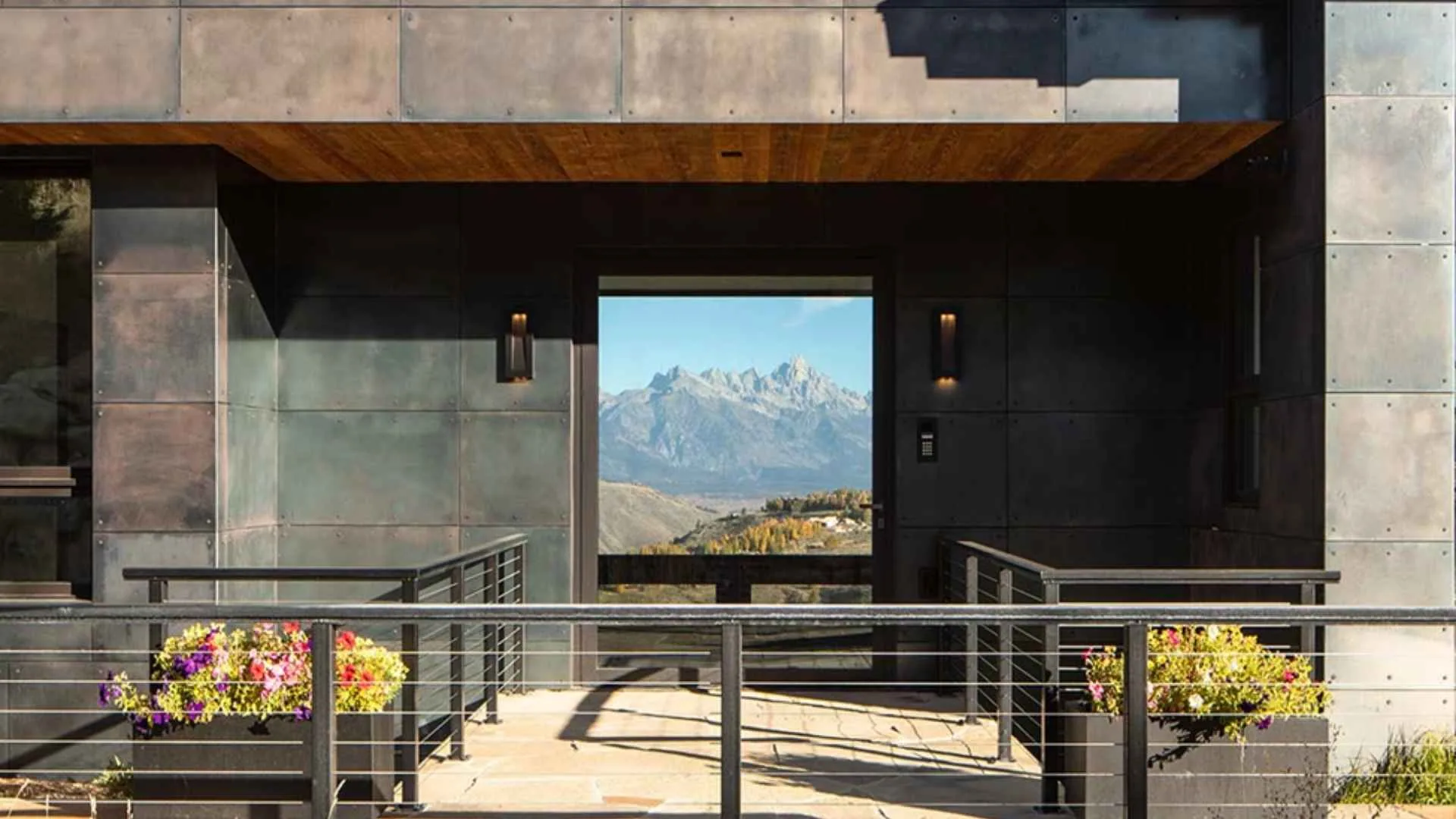
Views also matter. Framing trees, gardens, mountains, or water through windows can make nature feel present even while indoors. These connections help create homes that feel grounded and peaceful.
Materials That Add Warmth And Character
Natural materials continue to shape modern residential design because they age well and feel authentic. Wood, stone, clay, linen, and wool all bring texture and depth into a space.
These materials often create a stronger emotional connection than highly polished finishes alone. They carry variation, warmth, and a sense of craftsmanship that many homeowners value today.
Designers also use materials to support comfort. Soft fabrics can improve acoustics and create warmth in large rooms. Stone floors may help regulate temperature in certain climates. Wood ceilings can make open spaces feel more intimate.
Sustainability also plays a role in material choices. Many homeowners want durable materials that reduce waste and remain beautiful over time. Choosing long-lasting finishes often supports both environmental goals and practical living.
Wellness Has Become Part Of Home Design
Wellness now shapes many design decisions in modern homes. People want spaces that support physical comfort, mental clarity, and healthy routines.
This may include better air quality, improved natural ventilation, quiet workspaces, or areas designed for rest and movement. Even simple design choices can support wellness when they focus on comfort and balance.
A thoughtful layout can reduce stress by improving how people move through the home. Storage solutions can reduce clutter. Private spaces can support focus and recovery. Shared spaces can encourage connection among family and friends.
Homes today often serve many purposes at once. People work, relax, entertain, and recharge within the same environment. Design helps create balance between those needs without making spaces feel crowded or complicated.
Simplicity Creates Lasting Appeal
Many homeowners now prefer homes that feel timeless rather than overly styled. Simplicity often creates stronger long-term comfort because it allows the architecture, materials, and natural surroundings to stand out.
This does not mean homes should feel empty. Instead, thoughtful simplicity focuses attention on quality, proportion, texture, and light. A carefully designed room can feel rich without relying on excess decoration.
Timeless homes also adapt more easily as families grow and lifestyles change. Flexible layouts, durable materials, and practical spaces help homes remain useful for many years.
This shift reflects a broader change in how people define luxury. Comfort, wellness, privacy, and connection to nature now matter as much as appearance. Homes feel more personal when they support daily life in meaningful ways.
Designing Homes That Feel Human
At its core, natural home design focuses on people. It asks how spaces can improve daily routines, encourage rest, and create stronger connections with the environment.
Good design rarely depends on trends alone. It comes from understanding how people live and what makes them feel comfortable over time. A home should support both activity and quiet moments. It should feel welcoming in every season.
As more homeowners seek spaces that feel balanced and grounded, nature-inspired design will continue to shape the future of residential architecture. Homes that connect with light, landscape, and natural materials often create a deeper sense of comfort that lasts long after trends fade.