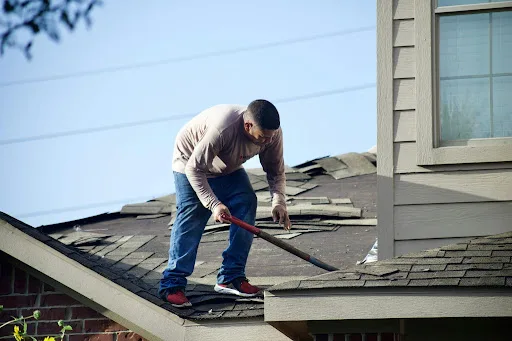
Home improvement scams cost homeowners thousands each year. Financial exploitation through contractor scams and home improvement fraud costs Americans over $36 billion annually.
Construction scams happen more often than you might think. Phony contractors demand large upfront payments. Deceptive home repair scams promise quick fixes. Fraudsters have perfected their tactics to target unsuspecting homeowners.
We can protect ourselves by learning to spot the warning signs. This piece will walk you through the most common home renovation scams and show you how to verify legitimate contractors. We’ll also explain what you should do if contract scams have targeted you. Let’s get started!
Common Contractor Scams and Warning Signs
Door-to-Door and Disaster-Related Scams
Door-to-door solicitations represent one of the most prevalent contractor scams we encounter. Not all uninvited contractors are fraudsters. Home improvement fraud often flourishes after disasters, especially hurricanes and tornados. These “storm chasers” appear in affected neighborhoods and claim they have leftover materials from nearby jobs or special deals for immediate sign-ups.
Payment and Contract Red Flags
Payment demands expose fraudulent intent quickly. Scammers ask for full payment upfront or insist on cash-only transactions. Legitimate contractors request reasonable deposits, no more than 10% to 30% of the contract total. Be wary of anyone who demands more than 50% before starting work or pressures you to pay outside standard invoicing systems.
Contract manipulation serves as a warning sign. Some contractors present agreements with blank spaces and fill them in with unfavorable terms later. Others refuse to provide written contracts altogether and rely on handshake deals that offer zero legal protection. Consumer advocates regularly recommend keeping signed paperwork, invoices, and ownership records organized during renovation projects, especially when disputes later involve payments, damaged property, or unfinished work.
Properly prepared state-compliant legal documents can help homeowners establish a clearer paper trail if conflicts escalate beyond informal communication. Watch for contractors who pressure immediate decisions without allowing time to read documentation.
Licensing and Permit Issues
Permit evasion signals serious trouble. Contractors who ask you to pull building permits yourself or claim permits aren’t necessary are likely unlicensed or avoiding inspections. Your name on the permit makes you liable for job-related injuries and code violations.
Missing credentials complete the red flag picture. Contractors without verifiable state licenses, proof of insurance, or willing references should raise immediate concerns.
Steps to Verify and Hire Legitimate Contractors
Verify Licenses and Insurance Coverage
Verifying contractor credentials protects you from home improvement scams before they start. Check their license status first through your state’s licensing board. Most states maintain free online databases where you can search by license number or business name. To name just one example, verify the license is active, not expired or suspended, and matches the contractor’s legal name.
Request proof of insurance from their insurance company or agent. Verbal assurances mean nothing. Ask for a certificate of insurance showing general liability coverage and workers’ compensation. Contact the insurance company listed on the certificate to confirm the policy remains active and covers your project timeline. You become liable for injuries on your property if the insurance isn’t valid.
Compare Estimates and Check References
Collect at least three written estimates for your project. This helps you understand fair market pricing and spot suspiciously low bids that signal cut corners or hidden fees. Compare each quote’s scope of work, materials specified, timeline and exclusions. Use a spreadsheet to assess estimates side by side.
Check references by calling past clients. Ask about timeline adherence and budget compliance. Ask whether issues arose after completion. Verify the contractor pulled necessary permits and provided proper documentation.
Review Contracts Carefully Before Signing
Review contracts really well before signing. Confirm the agreement has a physical address (not a P.O. box), detailed scope of work and payment schedule tied to milestones. Project duration and warranty terms should be there too.
What to Do If You’ve Been Targeted by Home Repair Scams
Create Documentation and a Paper Trail Immediately
Contact the contractor at the time problems arise. Send a written letter by certified mail that summarizes your concerns and requested resolution. Follow up any phone conversations in writing. This creates a paper trail that proves the contractor received your complaint. Many disputes resolve at this level through direct negotiation.
Report the Scam to Consumer Protection Organizations
File a complaint with the Better Business Bureau if direct communication fails. BBB provides free services to intervene and resolves more than 80% of complaints within 30 days. Submit your complaint online at BBB.org. Include dates, documentation like contracts and your desired resolution. The complaint becomes part of the business’s public record and helps other consumers make informed decisions.
Report home improvement fraud to your state Attorney General’s consumer protection division. These offices break down contractor scams and can initiate legal action to protect consumers. File complaints with your state’s contractor licensing board as well. This board has authority to suspend or revoke licenses for violations.
When Legal Assistance Becomes Necessary
Consult with a construction law attorney if informal resolution fails. Lawyers can pursue civil lawsuits for contract fraud and file claims against contractor bonds. They can challenge invalid mechanic’s liens and seek damages under consumer protection statutes. Call police if you feel threatened or uncomfortable during any interaction.
Why Written Records Matter During Renovation Projects
Many homeowners focus heavily on pricing and timelines but overlook the importance of keeping organized documentation throughout the project. Written contracts, payment receipts, permit copies, photos of completed work, and email communication can become critical if disputes arise later. Clear records help resolve misunderstandings faster and provide valuable evidence if complaints need to be filed with licensing boards, insurance providers, or legal authorities.