Older houses can make people forgive a lot. The floors slope a little? Character. The windows stick? Also character. There is some strange little door in the hallway that seems to lead nowhere? Somehow, even better. Then the inspection report arrives.
That is usually when charm meets numbers. A freshly painted exterior can hide quite a bit, and landscaping has a funny way of pulling your eye away from the parts of the house you should actually be studying. Buyers searching for a Cape Cod roofing company often do it after an inspector points out something on the roof they had not noticed at all.
That is the thing with older homes. The expensive problems are not always the obvious ones.
Start With the Roof
Do not ask only, “Does the roof look okay?”
Ask how old it is.
That one detail changes the whole conversation.
A roof that was installed five years ago and has one damaged shingle is a very different situation from a roof that is pushing twenty-five and has been repaired three times.
And sellers are not always precise about this.
“The roof is newer” is not a date.
Neither is “the previous owner did it.”
If there is paperwork, get it. If there is not, assume the age needs to be verified rather than guessed.
Then look at the roof itself.
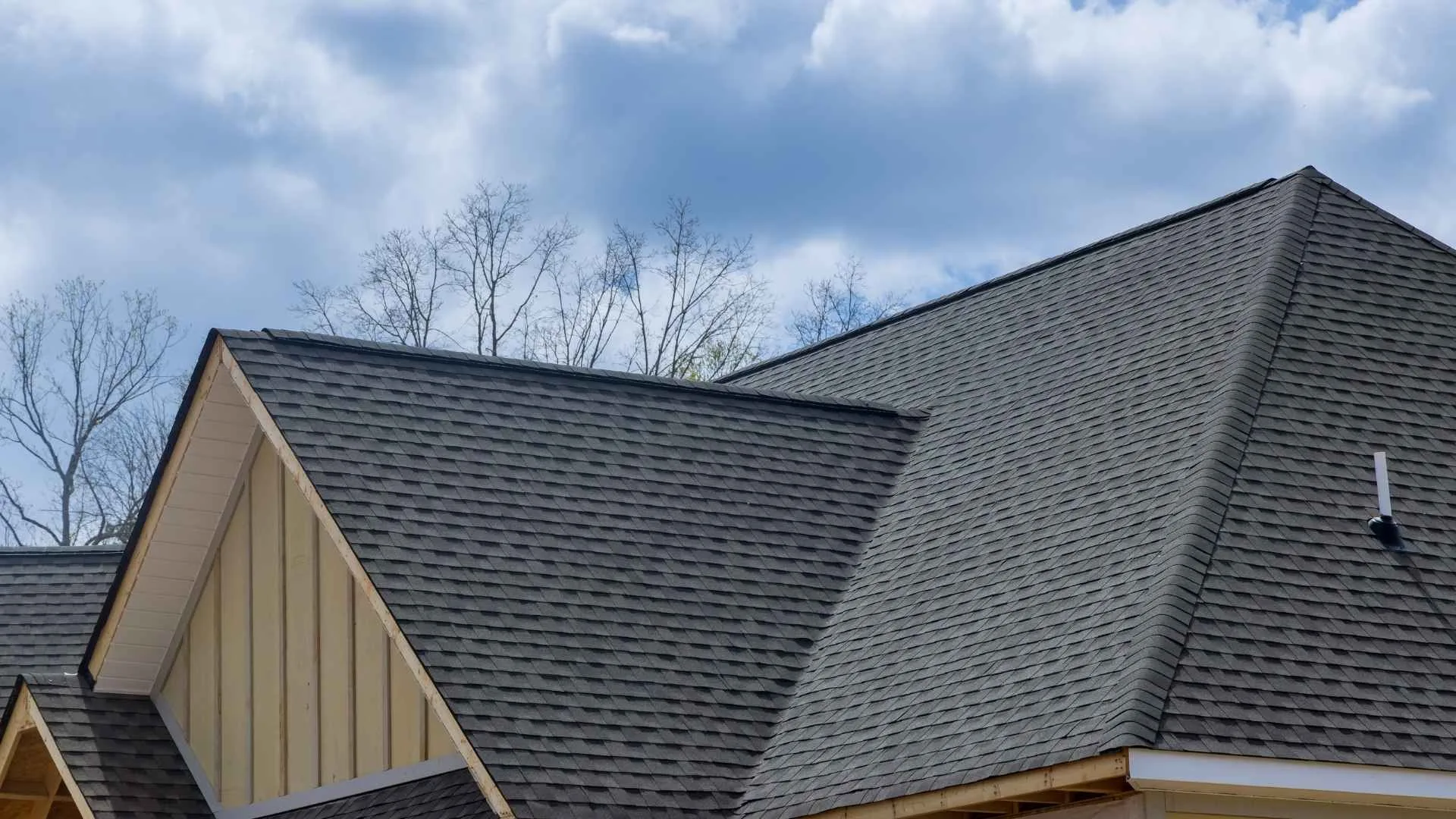
Missing shingles are easy enough to spot. Curling, cracking, bare patches, odd color changes, and sections that look newer than everything around them are more interesting.
Those mismatched areas sometimes mean repairs.
Repairs are not automatically bad. Houses need repairs.
But you want to know why they were made.
Flashing is another one buyers tend to skip because, frankly, most people are looking at shingles.
The metal around chimneys, vents, skylights, and roof intersections does a huge amount of work. If it has pulled away, corroded, or been sealed with what looks like half a tube of roofing cement, ask questions.
And if the roofline is sagging, do not talk yourself into ignoring it because the house is old.
Old is not an explanation.
It may be harmless movement. It may not be.
That is the point where somebody who deals with roofs every day should take a closer look.
Look Beyond Fresh Paint
Fresh paint is nice.
It is also very good camouflage.
Walk right up to the siding and look at it from a few feet away. A house can look spotless from the street and completely different once you are standing next to the wall.
Check the bottom edges first.
That is where water damage often shows up.
Look around windows, doors, corners, and anywhere two materials meet. These areas tend to fail before the big flat section in the middle of the wall.
Caulk is worth checking too, although nobody ever gets excited about caulk.
Cracked, missing, or peeling sealant can leave a route for water to get behind siding and trim.
Then there is soft wood.
If trim looks suspicious, especially around windows or roof edges, that deserves attention. Rot can sit underneath perfectly decent-looking paint for longer than people realize.
Vinyl siding has its own clues. Cracks, buckling, loose panels, pieces pulling apart at seams.
Fiber cement can crack around fasteners or edges.
Wood siding may show peeling paint, splitting, or areas that feel softer than they should.
None of these automatically means “walk away.”
They mean “find out what you are buying.”
That is a much better mindset.
Gutters and Drainage Matter
A lot of buyers barely look at gutters.
That is a mistake.
Water management is one of the least exciting parts of a house and one of the most important.
Start with the gutters themselves.
Are they pulling away from the fascia?
Do they sag in the middle?
Are there obvious streaks on the siding underneath them, suggesting water has been spilling over for a while?
Then follow the downspouts.
Actually follow them.
You would be surprised how often a downspout ends in a terrible place.
If it dumps water right next to the foundation, that water still has to go somewhere. Same problem if the ground slopes toward the house instead of away from it.
Look for damp soil, staining, eroded patches, mossy areas, or sections where the landscaping seems permanently wet.
A dry day can hide drainage problems pretty well.
If you happen to see the house during or just after heavy rain, even better.
That is when the property starts telling the truth.
Don’t Forget the Attic
The attic is not glamorous.
Go up there anyway.
A lot of useful information is sitting above the ceiling where nobody thinks to look.
Start with the roof decking.
Water stains, dark spots, white residue, rusty nails, or sections that look recently repaired are all worth asking about.
Do not panic over every old stain.
An old leak that was properly repaired may be just that: old.
What matters is whether there is still moisture there.
Check around chimneys and vents especially.
Leaks often show up near penetrations rather than in the middle of an uninterrupted roof.
Ventilation is another thing older homes can struggle with.
Sometimes there are vents, but they do very little.
Sometimes insulation has been stuffed into soffit areas and blocked airflow completely.
Sometimes bathroom fans vent straight into the attic, which is exactly as bad an idea as it sounds.
Then look at the insulation itself.
Is it even?
Is it dry?
Are there bare patches?
If one section is wet, flattened, or discolored, something happened there.
Do not just note “needs more insulation” and move on.
Ask why that particular area looks different.
Questions to Ask Before Closing
People tend to ask sellers broad questions and get broad answers.
Try to get dates instead.
When was the roof replaced?
When was the siding repaired?
Has the house ever had a roof leak?
Has water ever entered the basement?
Were the gutters replaced with the roof, or are they older?
Was any flashing work done around the chimney?
Who did the work?
Are there receipts?
Are any warranties transferable?
That last one matters more than people think.
A warranty that disappears when the owner changes may not be worth much to you.
And do not be embarrassed to ask the same question in a more specific way if the first answer is vague.
“Has the roof ever leaked?” may get a no.
“Has there ever been water staining in the attic?” might get a different answer.
People remember problems differently.
Records are better.
Are Home Inspections Enough?
A home inspection is important.
It is not magic.
A general inspector has to look at the entire property in a limited amount of time. Roof, foundation, electrical, plumbing, HVAC, structure, appliances, attic, basement, exterior.
That is a lot.
If the report says the roof is near the end of its life, flashing is questionable, or there are signs of old leaks, bring in a roofing specialist.
Same goes for serious siding or moisture concerns.
There is a tendency to avoid another inspection because buying a house already involves what feels like seventeen thousand separate expenses.
Understandable.
But this is one of the cheaper times to find out what something will cost.
After closing, the negotiation part is over.
Final Thoughts
Older homes are not bad purchases.
Some are excellent purchases.
They just ask for a little more curiosity.
Do not let a new coat of paint answer questions it cannot answer. Look at the roof closely. Walk the siding. Check where the gutters dump water. Go into the attic, even if it is hot and uncomfortable and full of insulation you would rather not touch.
Then ask for dates.
Not “recent.”
Not “a few years ago.”
Dates.
The point is not to find a house with zero problems. That house probably does not exist.
The point is to know which problems belong to the house before they belong to your bank account.
FAQs
How old is too old for a roof?
There is no exact age where a roof suddenly becomes too old. Material, installation, weather, and maintenance all matter. Once a roof is nearing the end of its expected lifespan, though, buyers should budget accordingly.
Can siding problems be repaired?
Often, yes. A few damaged boards or panels can usually be repaired individually. Widespread rot, moisture behind the siding, or repeated failures may make larger replacement work more sensible.
What should buyers ask sellers?
Ask for installation dates, repair history, leaks, drainage problems, contractor invoices, warranties, and any previous insurance claims related to the exterior. Specific answers are far more useful than “it was fixed.”
Are home inspections enough?
Not always. General inspectors are excellent at identifying concerns, but they may recommend a specialist when a roof, siding system, or structural issue needs a more detailed opinion.
Should I hire a roofing specialist?
If the roof is old, patched, sagging, visibly damaged, or flagged in the inspection report, yes. A specialist can usually give a clearer idea of condition, remaining life, and likely repair costs.