Choosing a sofa is about more than finding a design that looks good. The material affects how the sofa feels, how it handles everyday use, how much care it needs and how well it suits the rest of the room. Fabric and leather are two popular options, but each has its own strengths. From soft fabric upholstery to durable leather lounges, the right choice depends on your lifestyle, interior style and seating needs. Understanding the differences can make it easier to choose a sofa that feels right for your home.
Fabric Sofas vs Leather Sofas: What Is the Difference?
Fabric and leather sofas can both provide comfortable seating, but they differ in feel, appearance, maintenance and long-term performance. Looking at the key characteristics of each material can help narrow down the options.
Fabric Sofas
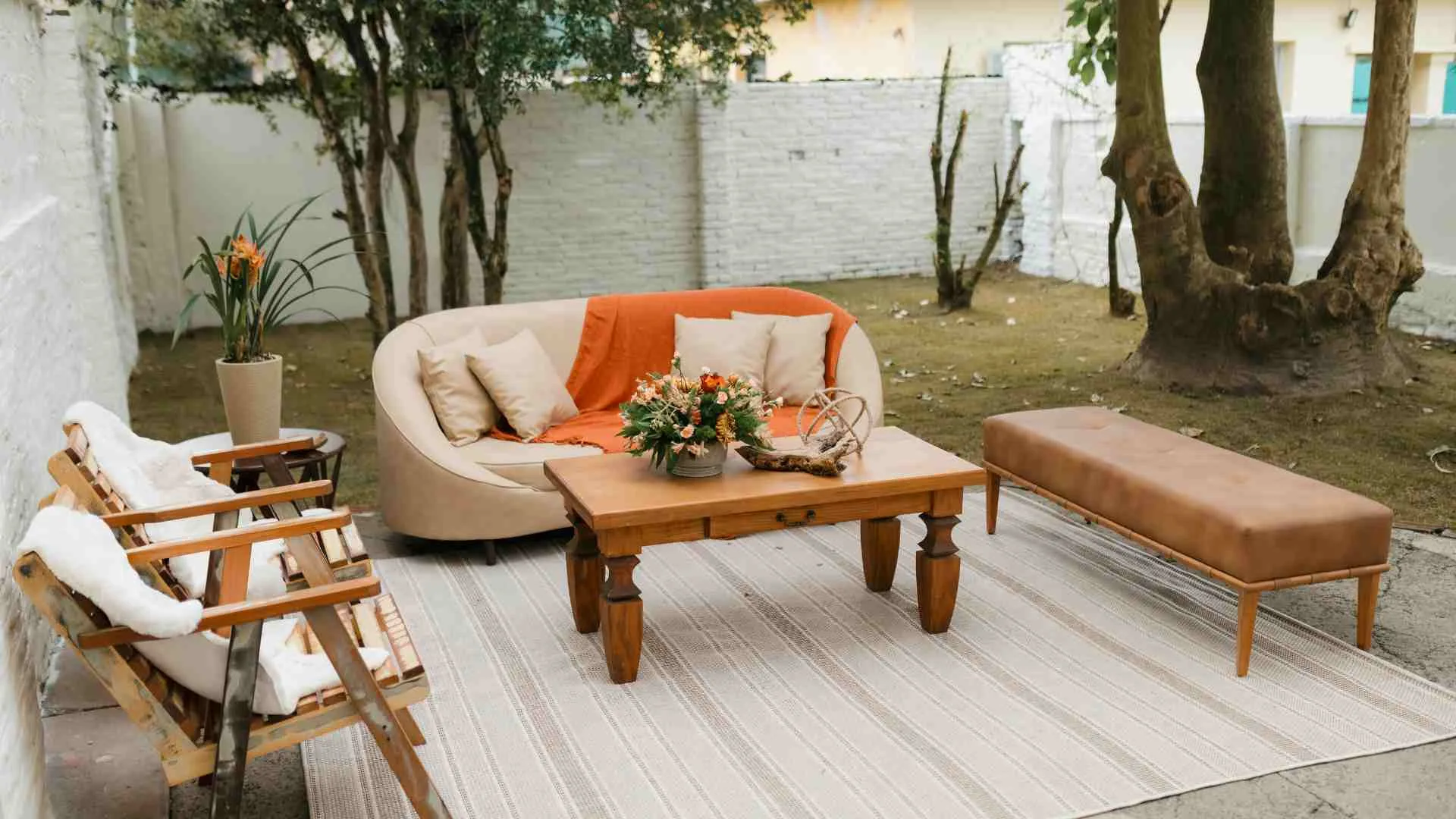
Fabric sofas come in a wide range of colours, patterns and textures, making them easy to match with existing furniture or use to add colour to a living room. The soft upholstery also makes them a popular choice for relaxed everyday seating.
Different fabrics offer varying levels of durability, stain resistance and cleaning needs. From neutral tones and simple textures to bold colours and patterns, fabric sofas can suit both simple and more decorative interiors.
Leather Sofas
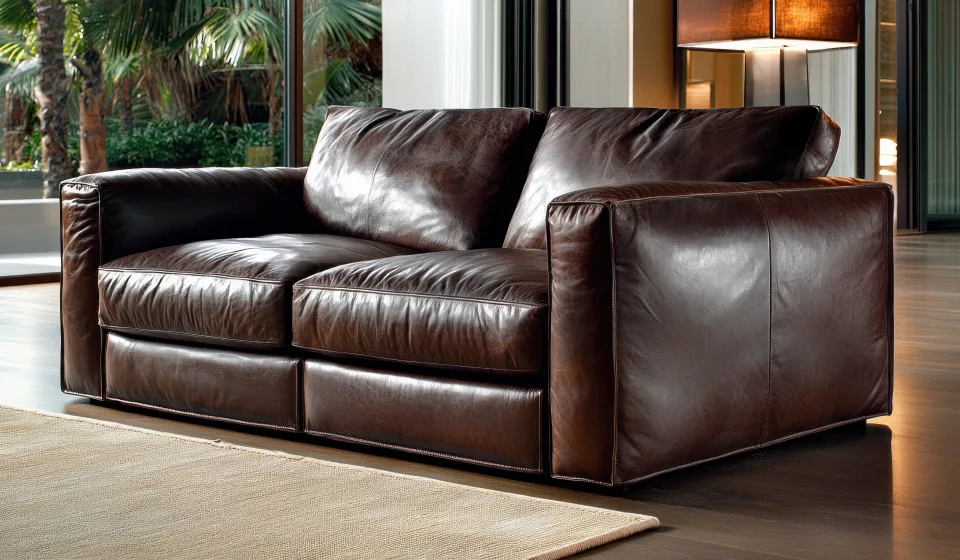
Leather sofas have a distinctive look that can give a living room a polished, refined feel. Over time, the leather can develop subtle changes in texture and appearance, adding character to the sofa.
Leather is generally easy to wipe clean, making it practical for households with frequent spills. However, different leather types and finishes have different care needs, so always check the care instructions. Leather can also feel cool in colder weather and warmer during summer, especially when exposed to direct sunlight.
How to Choose Between Fabric and Leather Sofas
There is no single material that suits every living room. Consider how the sofa will be used, who will use it and what level of maintenance works best for everyday life.
Compare Comfort and Feel
Comfort is highly personal. Fabric tends to offer a soft, cosy surface, while leather has a smoother feel that becomes more supple with use.
Think about how the sofa will be used most often. If it is mainly for relaxing, watching television or reading, the texture of the upholstery may be particularly important. Sitting on different sofa materials before making a decision can help identify which feels more comfortable.
Consider Durability and Everyday Use
A sofa used every day needs to handle regular use and household activity. Its durability depends on the quality of the upholstery, construction and level of care.
For homes with children or frequent visitors, choose upholstery that can handle regular use. Leather is practical for easy cleaning, while durable fabric offers a soft, comfortable option that can also perform well with proper care.
When choosing the best sofas in Perth, consider more than the material. Construction, upholstery quality and durability can also affect the sofa’s long-term value.
Compare Cleaning and Maintenance
Fabric sofas need regular vacuuming to remove dust and crumbs. Spills should be cleaned promptly, while removable covers or stain-resistant fabrics can make everyday care easier.
Leather sofas are generally easy to wipe clean but still need regular care. Dust and spills should be removed promptly, with suitable leather products used according to the manufacturer’s instructions.
Match the Sofa to Your Interior Style
The sofa often takes up a large part of the living room, so its material can affect the overall feel of the space. Fabric suits a wide range of colours and textures, making it a versatile choice for a relaxed and comfortable room.
Leather can suit contemporary, classic and industrial-inspired interiors. Neutral leather tones can also work as a strong foundation when paired with cushions, rugs, artwork and other decorative pieces.
How to Care for Fabric and Leather Sofas
Regular care can help keep either type of sofa looking presentable and comfortable for longer.
Caring for Fabric Sofas
Vacuum fabric upholstery regularly to remove dust, crumbs and other debris. Deal with spills as soon as possible by following the manufacturer’s cleaning instructions. Avoid using harsh products unless they are specifically recommended for the fabric.
Keep the sofa away from prolonged direct sunlight to reduce fading. Rotating the cushions from time to time can also help distribute everyday wear.
Caring for Leather Sofas
Dust leather surfaces regularly with a soft, dry cloth. Clean spills promptly and use only products suitable for the specific type of leather. Avoid excessive moisture and harsh household cleaners, as these may damage the finish.
Direct sunlight and heat sources can affect leather over time. Position the sofa carefully and follow the manufacturer’s care instructions to help protect the upholstery.
Conclusion
Choosing between a fabric and leather sofa comes down to comfort, lifestyle, maintenance and interior style. Fabric offers a broad selection of colours, textures and upholstery options, while leather provides a distinctive surface that can be practical for everyday cleaning.
Rather than focusing only on which material looks better, consider how the sofa will be used each day. The right choice should provide comfortable seating, suit the room and remain practical as household needs change.
Frequently Asked Questions
Which is better for a living room, fabric or leather sofas?
Both can work well in a living room. Fabric offers more variety in texture and colour, while leather can be easier to wipe clean. The better option depends on the household’s lifestyle, preferred look and maintenance expectations.
How to choose between fabric and leather sofas?
Consider comfort, durability, cleaning requirements, interior style and how frequently the sofa will be used. Comparing the material alongside the sofa’s construction and size can help with the decision.
Are fabric or leather sofas easier to maintain?
Leather is generally easier to wipe clean after minor spills, while fabric may require more detailed cleaning. However, maintenance depends on the specific upholstery and the manufacturer’s care instructions.
Which sofa material is more durable for everyday use?
Both fabric and leather sofas can be durable for everyday use. The overall durability depends on the quality of the material, sofa construction and level of care. Choosing upholstery designed for regular use can help the sofa hold up well over time.
What sofa material suits a busy family living room?
Both fabric and leather can work well in a busy family living room. Leather is easy to wipe clean, while durable fabric can offer comfort and handle regular use. Consider cleaning needs, household activity and the quality of the upholstery when choosing.