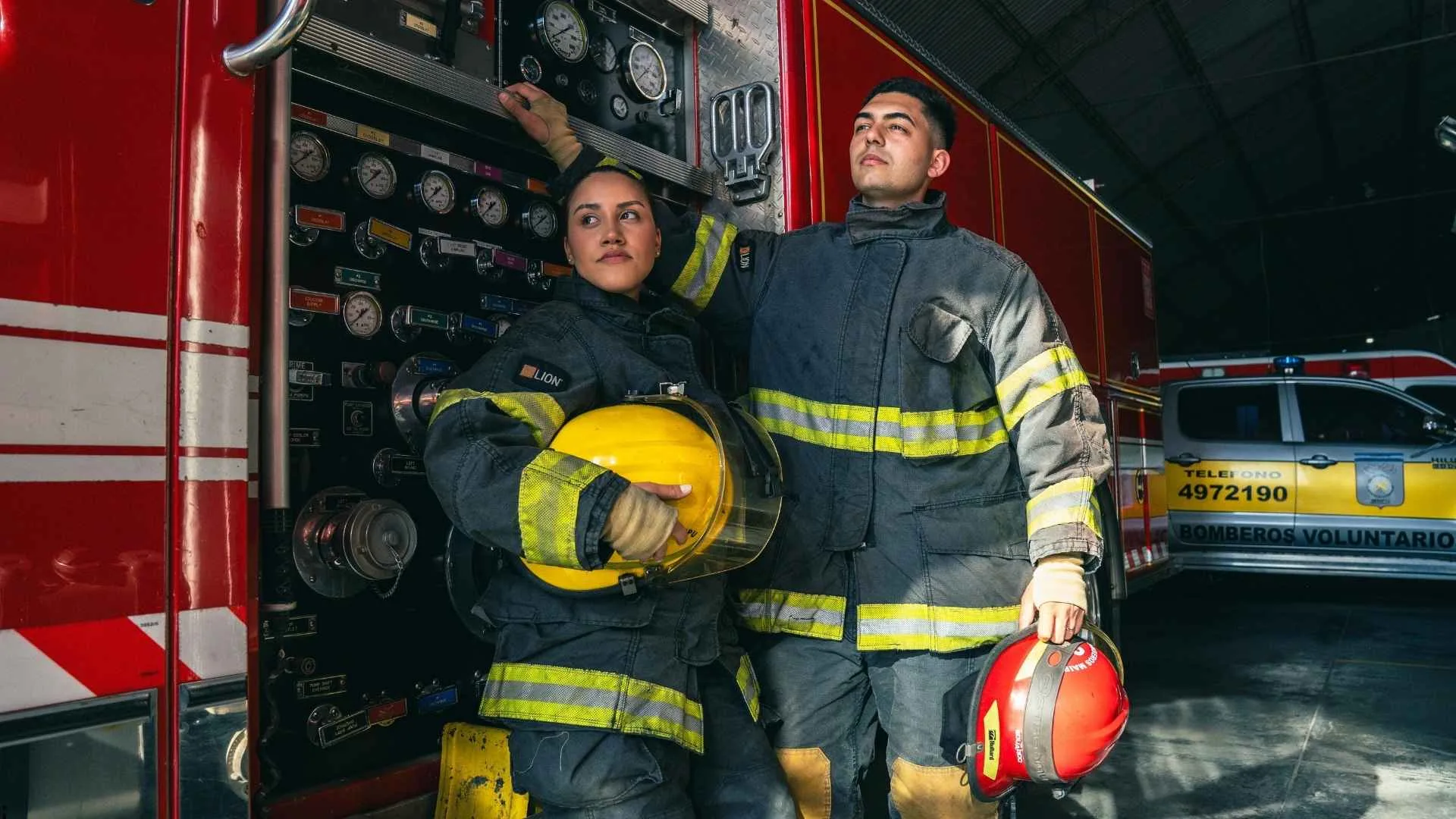
Most emergency guard requests share the same starting point: a system just failed, the fire marshal set a deadline, and every hour without coverage carries a cost. What separates a company that can actually deliver in that window from one that just answers the phone comes down to a handful of operational features most buyers never think to ask about.
The Fast Fire Watch Company built its emergency model around seven of them, and they matter more today than in years past — the guard staffing industry faces nationwide labor challenges, making reliable fire watch services harder to find than the market suggests. Here is what to check before hiring an emergency guard service.
1. A Live Dispatcher, Not a Callback Queue
If a suppression system breaks down at 11 p.m., a voicemail box cannot solve the problem. Instead, a live dispatcher receives the call 24 hours a day, records the address and type of impairment, and queues up the assignment before hanging up. This single feature determines whether coverage begins immediately or the next day.
2. Sub-3-Hour Nationwide Response
Speed is the feature most buyers assume every company can deliver, but few actually do. The Fast Fire Watch Company reaches sites in under three hours on the overwhelming majority of dispatches nationwide—not just in major metropolitan areas. That commitment holds through nights, weekends, and holidays alike.
3. Regional Rosters That Absorb Staffing Shocks
The private security industry faces a well-documented talent crunch. Firms without strategically positioned regional rosters experience severe response delays:
| Industry Metric | Figure |
| Security firms reporting recruiting difficulty | 80% |
| Security leaders citing talent shortage as top concern | 64% |
| Annual guard turnover rate | ~29–30% |
Staged guards across every major metro area, combined with secondary county coverage, ensure that a sub-3-hour arrival promise is realistic and consistently met.
4. GPS-Tracked Deployment and Verification
From the moment a guard is assigned, GPS tracking and geofencing confirm en-route status and on-site arrival in real time. Property contacts receive automated arrival notifications without having to call dispatch—removing uncertainty during high-stress situations.
5. Pre-Briefed Guards, Not Blind Deployments
A guard who arrives without context wastes valuable time determining site requirements. Guards from The Fast Fire Watch Company are briefed en route on the impairment type, building layout, and the Local Fire Inspector’s documentation standards before reaching the property gate. Fire watch services that skip this step tend to produce incomplete compliance logs.
6. No Long-Term Contract Requirement
Emergency coverage should never come bundled with an unwanted long-term commitment. Short-term engagements run night-to-night with no minimum term, while longer assignments lock in a predictable rate. That flexibility benefits property managers who only need coverage until system repairs are completed.
7. A Documentation Packet That Survives an Audit
Every deployment produces timestamped patrol logs and photos, closing with a comprehensive compliance packet for inspectors or insurance auditors. According to the National Fire Protection Association (NFPA), documented compliance carries decisive weight during code enforcement reviews — a verbal assurance rarely holds up during a formal dispute.
That rigorous documentation habit separates specialized fire watch services from generic security guarding. OSHA guard requirements for hazardous conditions mandate a dedicated, trained presence rather than a rotating patrol handling fire monitoring as a side task.
The broader market reflects this demand: the global manned guarding market is expanding toward $150–$200+ billion even as labor costs climb. Demand for specialized guard services is rising precisely as qualified, audit-ready guards become harder to find.
Emergency Fire Watch Services FAQs
How quickly can an emergency fire watch guard actually arrive on-site?
Arrival times vary by vendor and geographic location, but an organization with strategically organized regional rosters can reach most sites within 2 to 3 hours nationwide.
Is a long-term contract required when hiring emergency fire watch services?
No. Professional fire watch providers offer short-term, flexible coverage on a night-by-night basis so you only pay for the exact time service is required.
How does a standard security guard differ from a fire watch guard in emergency situations?
A fire watch guard is specifically trained in NFPA fire risk identification, hot work monitoring, and fire marshal log compliance, whereas a standard security guard focuses on general access control and property security.
Is it possible to keep a property open during a fire sprinkler or alarm system failure?
Yes. In most jurisdictions, a property can remain open and operational provided a compliant, 24/7 fire watch guard is stationed on site until the system is fully restored and approved by the Local Fire Marshal (AHJ).
What documentation should an emergency fire watch company provide after the engagement?
At minimum, the provider should supply timestamped patrol logs. Top-tier providers also deliver GPS verification records and a complete compliance packet suitable for fire marshals and insurance auditors.
The Guard Who Shows Up Is the Feature That Matters Most
An emergency doesn’t care how good a company’s marketing looks. It cares whether a guard actually shows up, actually knows what to check, and actually leaves behind proof that the watch happened. Every feature above exists to answer one question: can this company make that true at 2 am on a holiday weekend, not just on a sales call? In an industry currently stretched thin on staffing, fewer providers are passing that test than most property owners assume. The ones still passing it are the ones worth calling first — before the fire marshal’s deadline turns into a shutdown notice.