Pest problems rarely begin with dramatic signs. More often, an infestation starts quietly behind a wall, beneath flooring, inside insulation, or in another part of the home that receives little attention. By the time visible damage appears, pests may have already affected structural materials or created conditions that require expensive repairs. Early detection therefore plays an important role in protecting both the condition and value of a property. Learning to recognize subtle warning signs and scheduling routine inspections can help homeowners address pest activity while the problem is still manageable.
Why Early Detection Matters for Home Protection
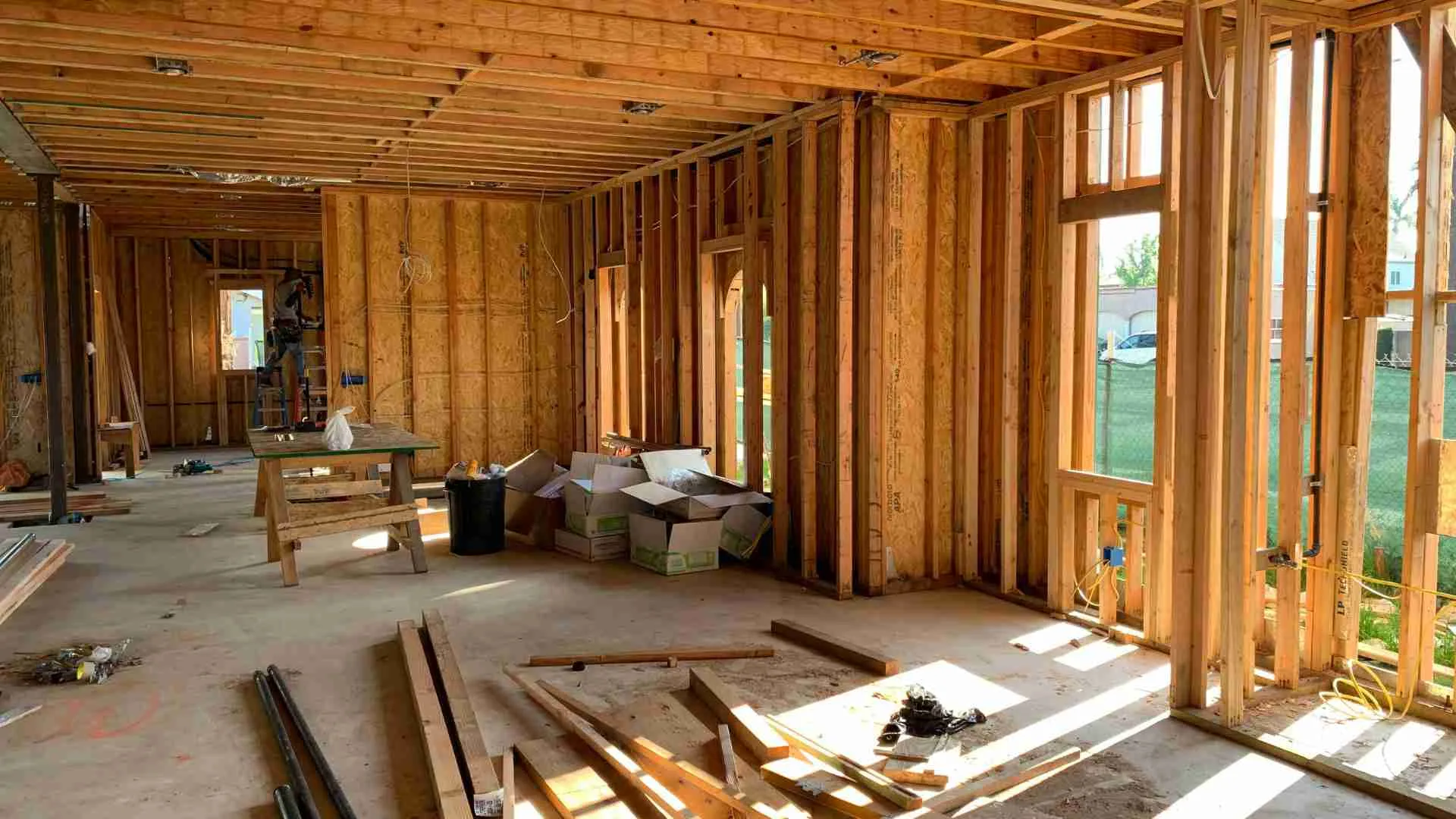
Pests can damage far more than food and household belongings. Termites and carpenter ants can weaken wooden components, rodents can chew electrical wiring and insulation, and moisture-loving insects can contribute to deterioration in damp areas. Damage may remain hidden for months because many pests spend much of their time inside walls, beneath floors, or in other concealed spaces.
Early identification allows homeowners to investigate unusual changes before they develop into major repair projects. For example, wood that sounds hollow when tapped may indicate internal termite damage, while small holes or sawdust-like material around wooden structures can point toward carpenter ant activity. Rodent infestations may leave gnaw marks on wood, plastic, insulation, or wiring. Catching these indicators early can make it possible to address the underlying pest issue before damaged materials require extensive replacement.
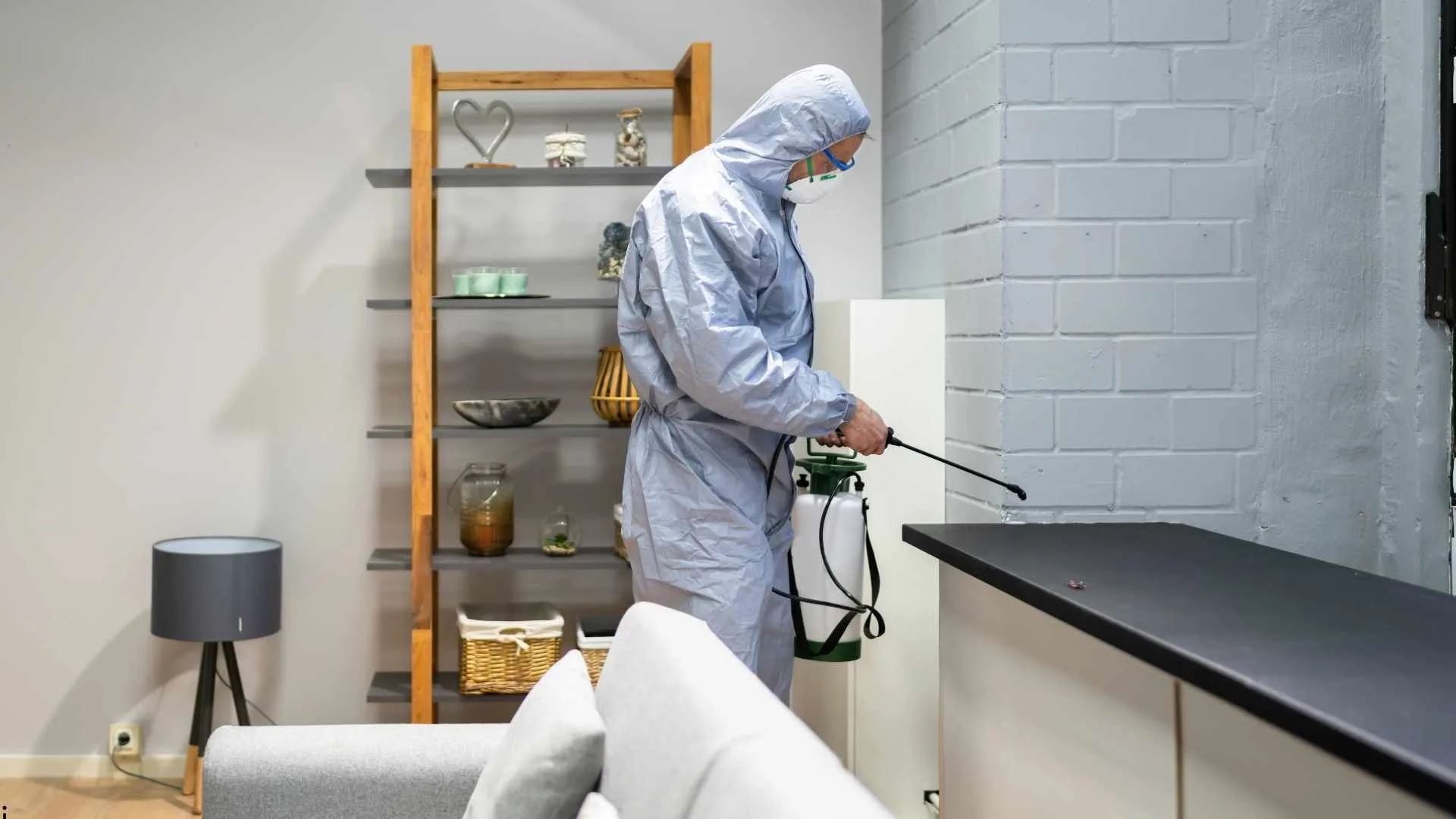
Professional evaluation can also distinguish between active infestations and older evidence. Pest control can be considered when homeowners need a qualified assessment of suspicious activity and appropriate treatment. The objective is not simply to eliminate visible pests but to identify where they are entering, what conditions are attracting them, and whether hidden damage has occurred.
Warning Signs Homeowners Should Not Ignore
Different pests leave different clues, but several warning signs deserve attention. Termites may produce mud tubes along foundations or walls, discarded wings near windows, blistered or damaged wood, and surfaces that sound hollow. In some cases, damage is hidden beneath paint or flooring, making routine observation particularly important.
Carpenter ants can create smooth galleries inside wood. Homeowners may notice small piles of coarse sawdust, called frass, near wooden structures or hear faint rustling from walls. Unlike termites, carpenter ants do not consume wood as food, but their tunneling can still compromise damaged or moisture-affected wood over time.
Rodents often provide more recognizable evidence. Gnaw marks around cabinets, stored materials, doors, insulation, or wiring may indicate activity. Droppings, nesting material, grease marks along frequently traveled routes, and unexplained scratching or movement at night are additional clues. Rodents can also damage insulation by shredding it for nests, reducing its effectiveness.
Other pests can produce signs that are less obvious. Moisture-loving insects may appear repeatedly around bathrooms, basements, kitchens, or leaking plumbing. Beetles and other wood-destroying insects can leave small exit holes or powdery debris. Any recurring pest activity—particularly when accompanied by material damage—should be investigated rather than dismissed as an isolated occurrence.
Routine Inspections Protect Hidden Areas
Regular inspections are valuable because some of the most vulnerable parts of a property are also the least visible. Attics, crawl spaces, garages, basements, wall voids, and areas surrounding plumbing can provide pests with shelter, food, moisture, and relatively undisturbed access.
Attics should be checked for disturbed insulation, droppings, nesting material, chewed wiring, and evidence of roof or ventilation problems that may create favorable conditions. Crawl spaces deserve similar attention because contact with soil, poor drainage, and elevated humidity can increase the risk of termite and other pest activity. Garages may attract rodents and insects because they often contain stored cardboard, wood, tools, and other materials that provide shelter.
Moisture-prone areas require particular care. Leaking pipes, clogged gutters, standing water, condensation, and poor drainage can create conditions that encourage pest activity. Correcting the moisture problem can therefore be just as important as addressing the insects or rodents themselves. When recurring signs point to activity in areas that are difficult to inspect safely or thoroughly, Kilter Termite and Pest Control can provide a professional evaluation to identify potential pest activity and determine whether further treatment is needed.
A practical inspection routine can include:
- Checking exposed wood for hollow sounds, damage, holes, or unusual surface changes.
- Looking for droppings, gnaw marks, nesting materials, or unexplained debris.
- Examining attics, crawl spaces, garages, and other low-traffic areas for pest evidence.
- Inspecting moisture-prone locations for leaks, standing water, or persistent dampness.
- Paying attention to unexplained scratching, movement, or other recurring noises.
How Pest Damage Can Become a Repair Problem
The financial consequences of an infestation often increase when damage is allowed to continue unnoticed. A small pest population may initially affect only a limited area, but continued activity can spread through connected parts of a structure. Termites, for instance, can progressively damage wooden framing and other cellulose-based materials. If structural components become significantly weakened, repairs may involve more than pest treatment and could require carpentry or construction work.
Rodent activity presents a different concern. Chewed electrical insulation can expose wiring and create conditions associated with electrical faults. Damaged insulation may also reduce energy efficiency, while contaminated materials may need to be removed and replaced. Similarly, rodents nesting inside walls or ceilings can create persistent odors and sanitation concerns.
Carpenter ants illustrate why moisture and pest problems often overlap. Colonies commonly take advantage of damp or previously damaged wood. If the moisture source remains unresolved, treating the insects alone may not prevent future activity. Addressing leaks, improving drainage, repairing damaged wood, and maintaining ventilation can reduce the environmental conditions that support an infestation.
Early intervention does not guarantee that repairs will be unnecessary, but it can limit the extent of damage. Detecting a localized problem is generally more manageable than discovering widespread deterioration after structural materials have been affected.
Making Pest Prevention Part of Home Maintenance
Pest inspection should be viewed as part of ordinary property maintenance rather than something reserved for obvious infestations. Homeowners can reduce risks by keeping wood and debris away from foundations, repairing leaks promptly, maintaining gutters and drainage, sealing potential entry points, and storing food and waste appropriately.
Routine professional inspections are particularly useful for older properties, homes with previous pest activity, and buildings with crawl spaces, extensive landscaping, moisture problems, or difficult-to-access structural areas. Professionals can identify evidence that may be easy to overlook during casual cleaning or seasonal maintenance.
Just as importantly, homeowners should respond to warning signs promptly. A few droppings, a small amount of frass, a suspicious hollow section of wood, or unexplained nighttime noises may not indicate severe damage, but they provide a reason to investigate. Waiting until flooring begins to sag, walls become visibly damaged, or electrical problems develop can turn a relatively contained pest issue into a much larger maintenance concern.
End Note
Early pest detection is ultimately a form of preventive home care. Termites, rodents, carpenter ants, and other pests can cause damage that remains invisible until it becomes substantial, affecting wood, insulation, wiring, drywall, and other components. Recognizing physical evidence and unusual sounds, while routinely checking vulnerable areas, gives homeowners a better opportunity to act before damage spreads.
Professional evaluation can provide additional insight when signs are uncertain or difficult to investigate. With consistent inspections and prompt attention to moisture, entry points, and early pest activity, homeowners can protect their property and reduce the likelihood that a small infestation will develop into a costly repair problem.